Kazandžiluk: Sarajevo's 500-Year-Old Copperware Street
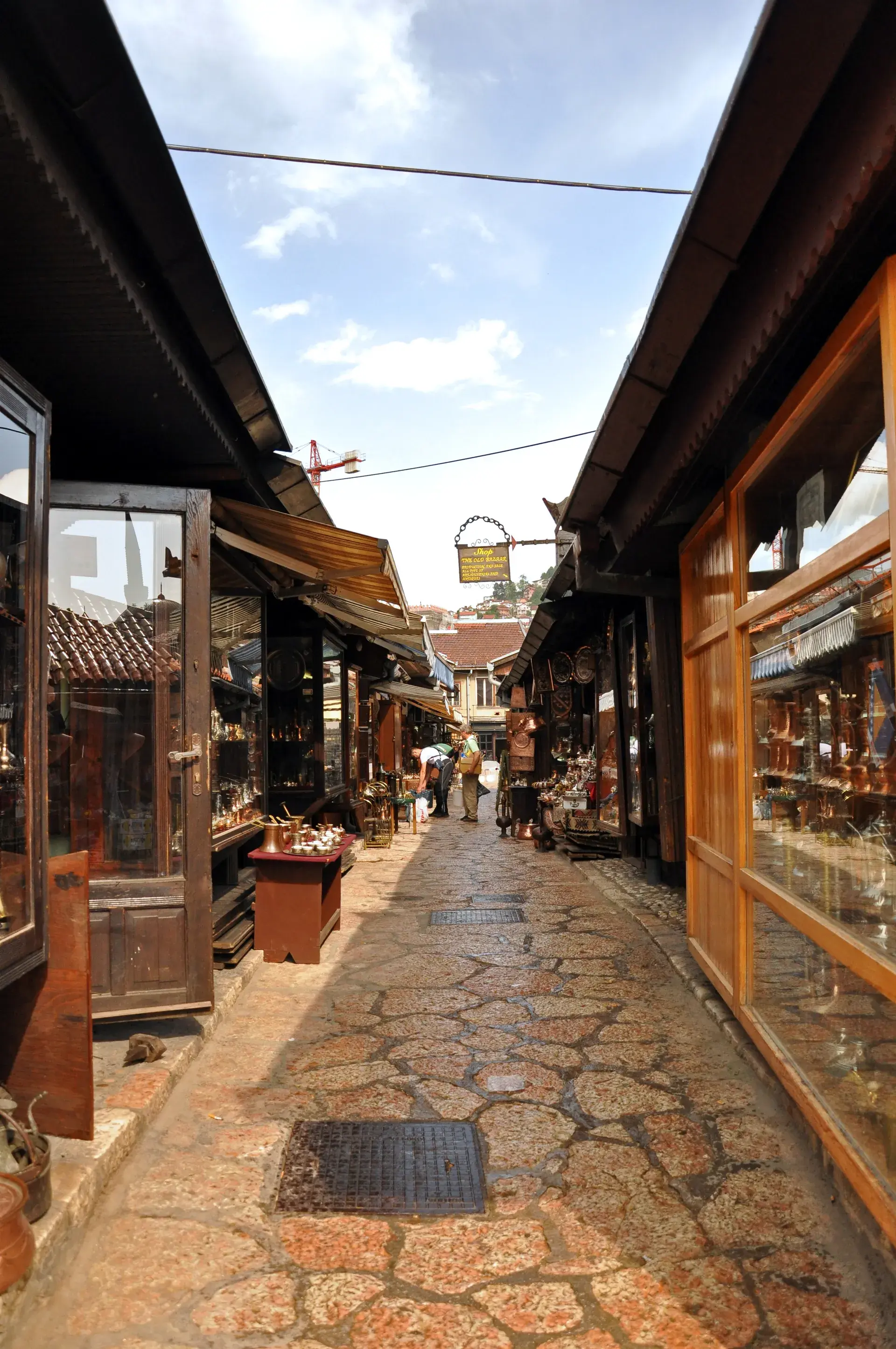
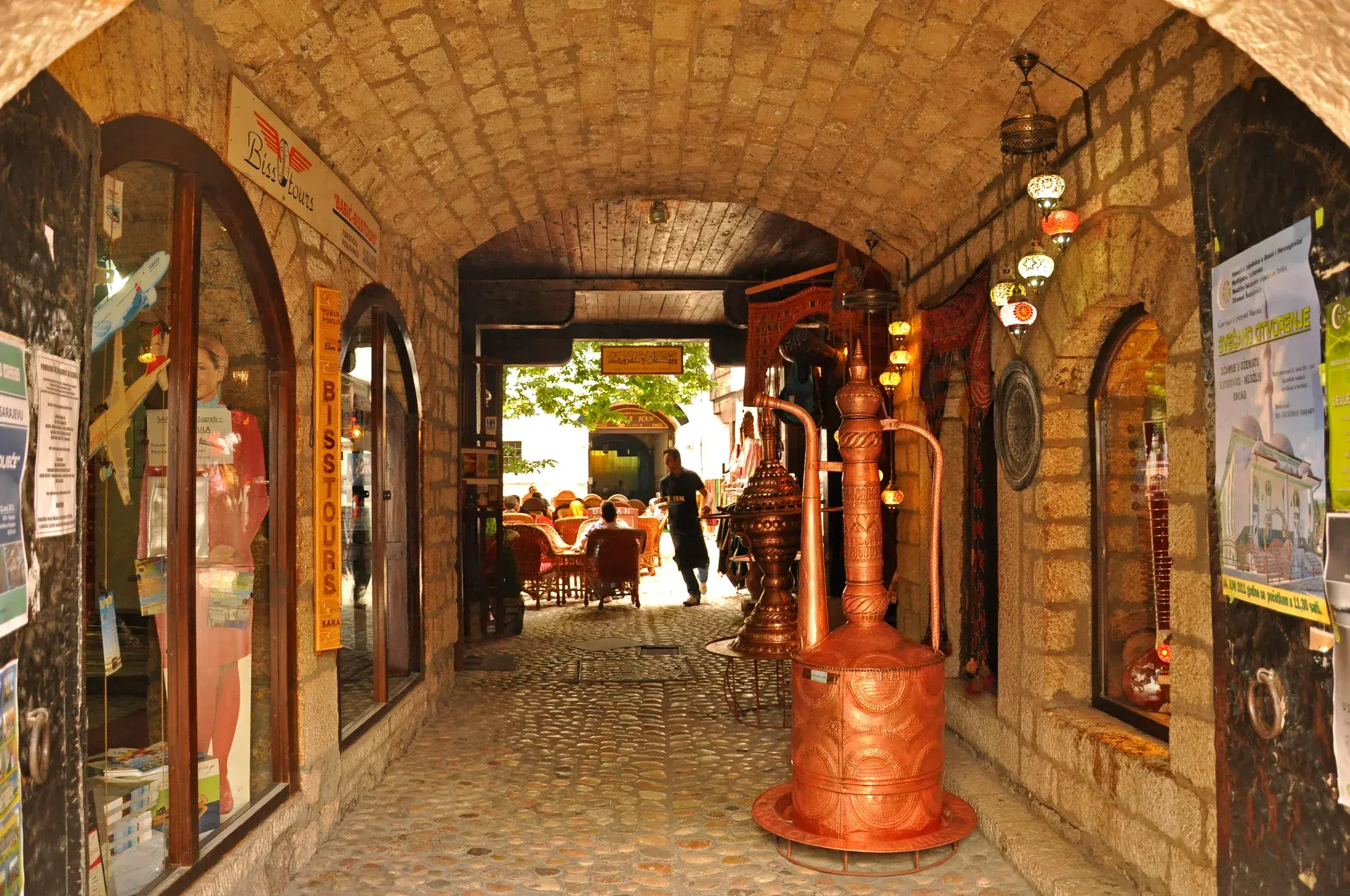
In the heart of Sarajevo's Old Town, Baščaršija, lies Kazandžiluk, also known as Copperware Street. This historic lane is a vibrant testament to an artisanal tradition that has endured for over five centuries. The air is filled with the distinctive, rhythmic sound of hammers striking copper, a constant echo of the craft that gives the street its name and character.
A Legacy Forged in Copper
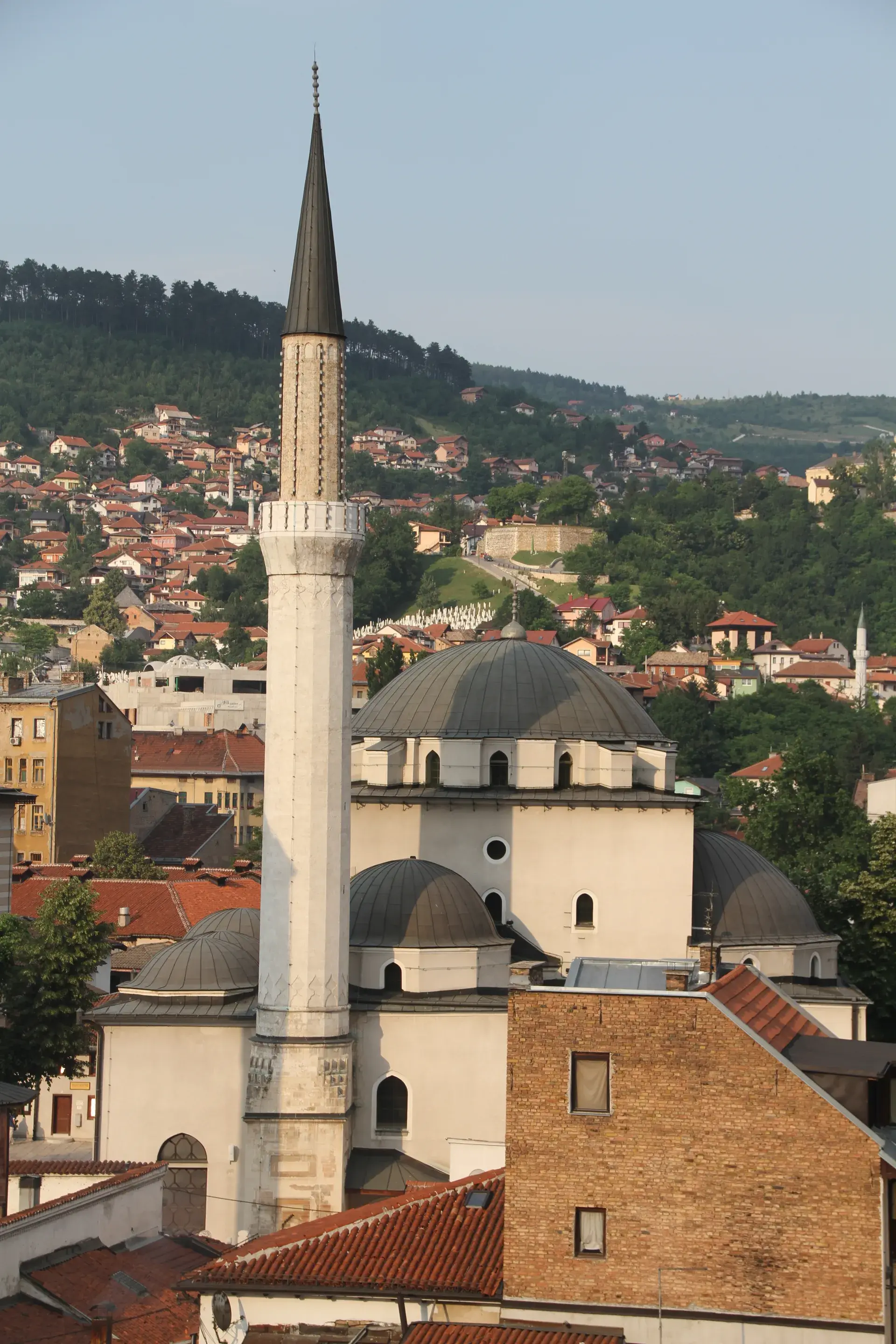
Kazandžiluk emerged as a dedicated marketplace for coppersmiths (kazandžije) in the 16th century, forming sometime after 1528. Its name derives from the Turkish word 'kazan,' meaning kettle, as these artisans initially produced copper kettles for the Ottoman army. The street developed on land that belonged to a wealthy tanner, Sagrakči hadži-Mahmut, within the larger Baščaršija district founded by Ottoman commander Isa-beg Ishaković in 1462.
The 16th century marked a golden age for the area, with significant expansion under the benefactor Gazi Husrev-bey. While Baščaršija once hosted around 80 different crafts, coppersmithing is one of the few that has survived in its original location, maintaining the street's distinct Ottoman bazaar architecture and purpose.
Resilience Through Centuries
Throughout its history, Kazandžiluk and the surrounding Baščaršija have faced numerous challenges. The 17th century brought fires and earthquakes, and in 1697, a devastating fire set by Austrian forces under Prince Eugene of Savoy greatly reduced the bazaar's size. The arrival of Austro-Hungarian rule in 1878 introduced cheap, industrially produced goods, posing a new threat to traditional artisans.
Despite these hardships, Kazandžiluk uniquely maintained its craft. While other specialized streets saw their namesake trades disappear, the coppersmiths of Kazandžiluk persisted. In recognition of its historical and cultural significance, the ensemble of Kazandžiluk, Male Daire, and Luledžina Street was declared a national monument of Bosnia and Herzegovina in 2021.
The Craft Today
Today, Kazandžiluk remains a bustling center of craftsmanship. Visitors can observe artisans like third-generation coppersmith Kenan Hidić hammering and shaping copper into traditional items such as coffee pots, tea sets, trays, and decorative souvenirs. It is a popular destination for those seeking authentic, handmade goods.
A poignant and unique aspect of the modern craft is the transformation of remnants of war into objects of art. Artisans repurpose bullet and shell casings from the recent conflict, turning them into beautifully carved pencils, flowerpots, and umbrella holders. This practice serves as a powerful symbol of resilience, creating utility and beauty from instruments of destruction. For those interested in learning the trade, some younger artisans, such as Sulejman Hrgić, even offer workshops in the basics of coppersmithing.
FAQ
What is Kazandžiluk?
Kazandžiluk, or Copperware Street, is a historic street in Sarajevo's Baščaršija (Old Town) that has specialized in copper crafts since the 16th century. It is known for its artisan workshops and traditional Ottoman bazaar architecture.
What can you find on Copperware Street?
Visitors can find a variety of handmade copper items, including traditional coffee pots (džezve), tea sets, trays, and decorative souvenirs. Uniquely, some artisans also craft items like pencils and flowerpots from repurposed war-era bullet casings.
How old is Copperware Street?
The street dedicated to coppersmiths was established in the 16th century, sometime after 1528. The craft has been continuously practiced here for over 500 years.
What is the sound heard on Kazandžiluk?
The distinctive rhythmic 'ping, ping, ping' is the sound of coppersmiths' hammers striking copper. Artisans actively shape and engrave metal in their workshops, a sound that has defined the street for centuries.