Ferhadija Mosque in Sarajevo: An Ottoman Jewel
The Ferhadija Mosque, located in Sarajevo's historic Baščaršija neighborhood, is a celebrated example of classical Ottoman architecture. Constructed between 1561 and 1562, this enduring landmark stands as a testament to the city's rich and layered imperial history.
Origins and Architecture
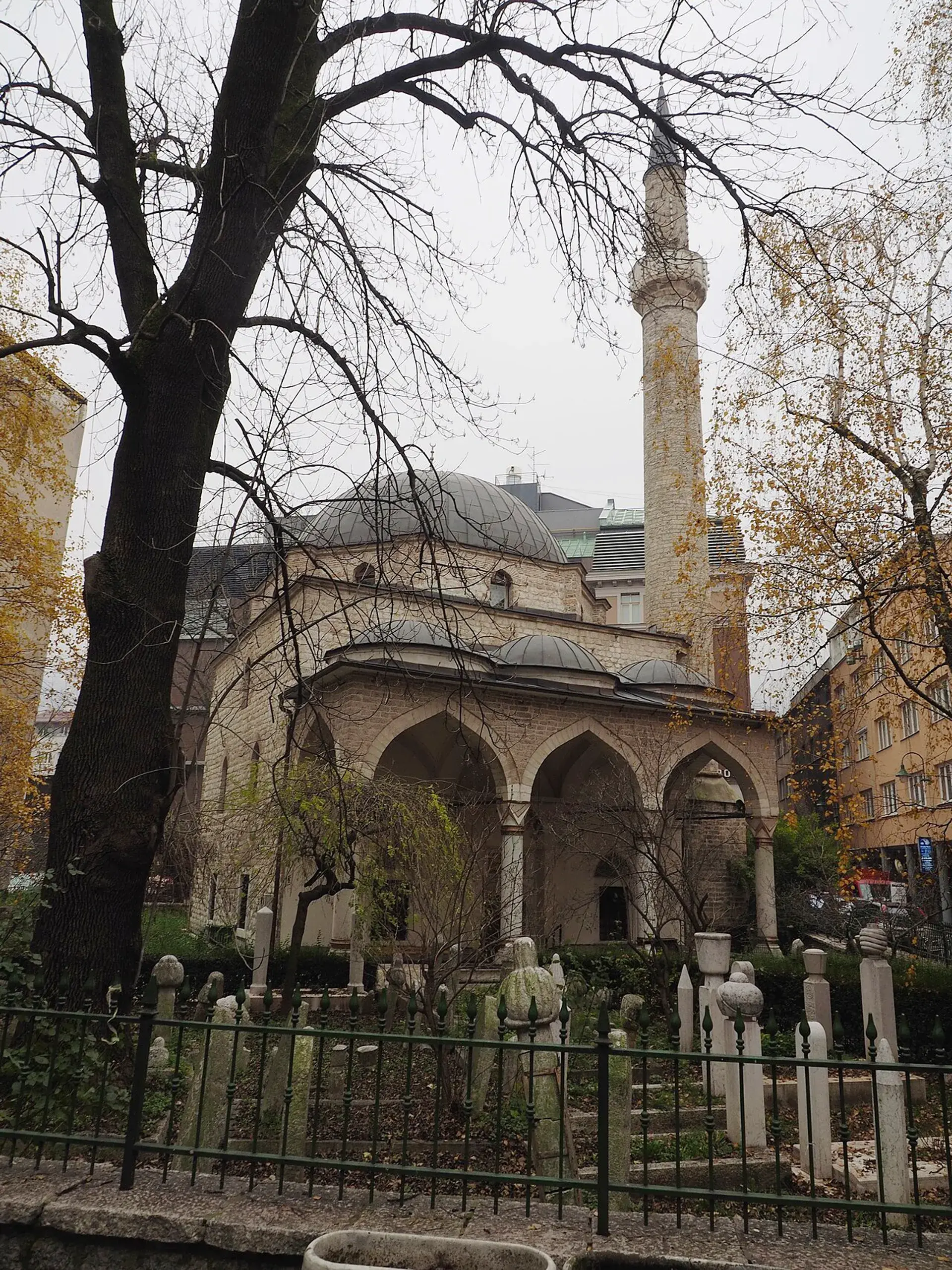
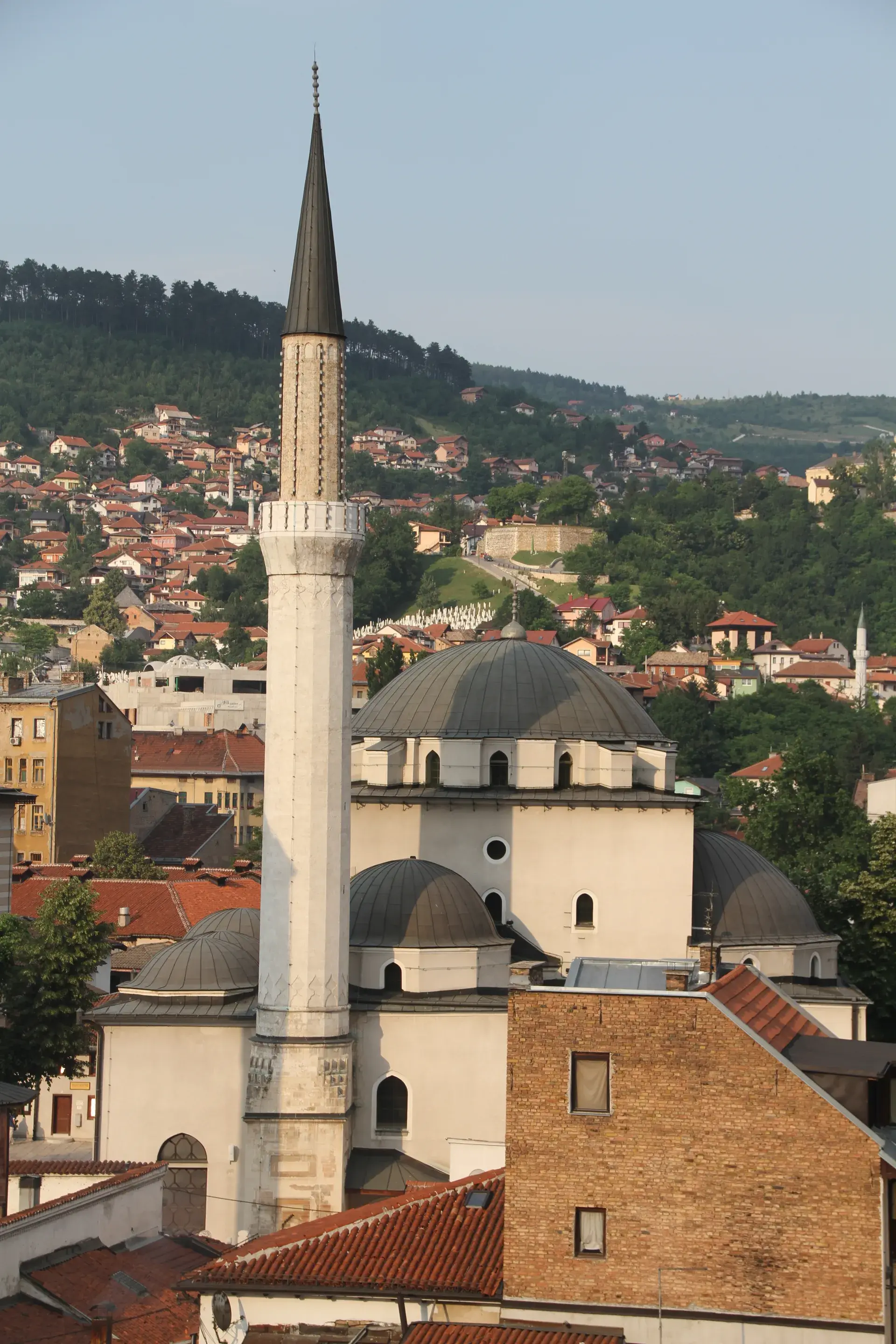
The mosque was commissioned by the Bosnian Sanjak-bey, Ferhad-beg Vuković-Desisalić, a descendant of a medieval Bosnian family. While the specific architect is unknown, the design is a clear reflection of the classical Ottoman style prevalent during the empire's 'Golden Age'. Its structure features a central domed prayer hall, a front portico covered by smaller domes, and a single, slender minaret. Following its construction, a residential quarter, or mahala, developed around the complex, adopting the name Ferhadija.
A History of Change and Resilience
The mosque's history is marked by periods of both prosperity and hardship. Originally, the complex included a mekteb (children's school), an imaret (public kitchen), and two fountains. These adjacent structures were destroyed in devastating fires in 1879 and 1897. Notably, the renowned Sarajevo chronicler Mula Mustafa Bašeskija once served as a teacher at the mosque's mekteb.
More recently, the mosque sustained significant damage during the 1992-1995 Bosnian War when grenades struck its main cupola. This led to the complete removal of the cupola in 2007 for a major reconstruction effort. In recognition of its historical and cultural value, the Ferhadija Mosque was declared a National Monument of Bosnia and Herzegovina in 2004.
Layers of Interior Artistry
While the exterior presents a unified classical appearance, the interior walls narrate a more complex story. Research conducted in 1964-1965 uncovered five distinct layers of painted decoration from various historical periods. These layers include 16th-century Rumi ornamentation, 18th-century floral designs, and later artistic interventions from the late 19th and early 20th centuries. Some of the oldest restored elements, such as the mihrab (a niche indicating the direction of Mecca) and lighting fixtures, date back to the 16th century.
The Mosque Today
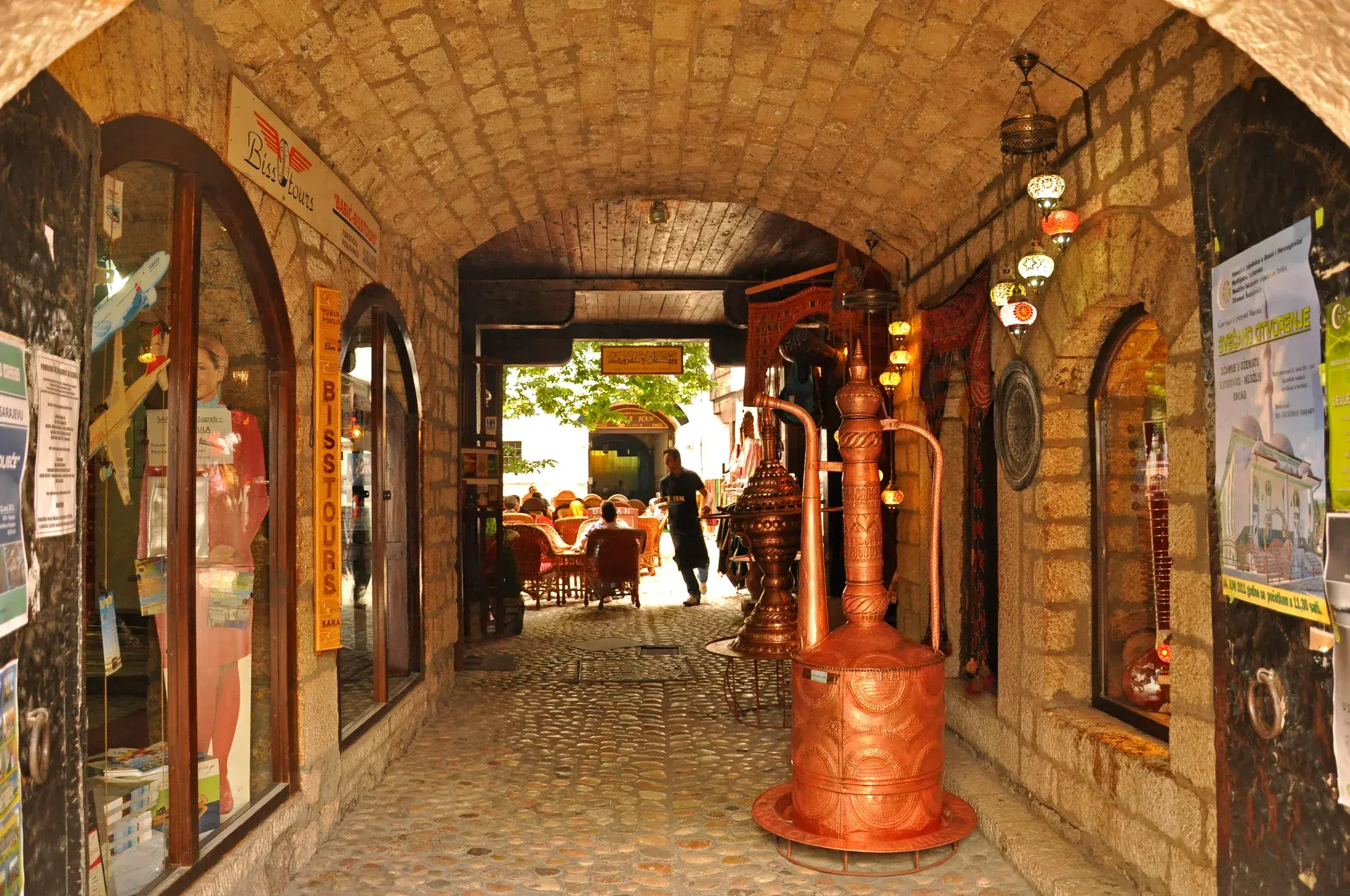
Today, the Ferhadija Mosque is an active place of worship and a significant cultural and historical landmark in the heart of Sarajevo. Of the original sprawling complex, only a small cemetery containing about twenty tombstones remains in its courtyard. The mosque's location, surrounded by Ottoman-era bazaars, Austro-Hungarian buildings, and Yugoslav-era apartments, physically represents Sarajevo's continuous, multi-layered identity.
FAQ
When was the Ferhadija Mosque built?
The Ferhadija Mosque was constructed in Sarajevo between 1561 and 1562.
Who commissioned the Ferhadija Mosque?
The mosque was commissioned by Ferhad-beg Vuković-Desisalić, who was the Bosnian Sanjak-bey at the time.
What is unique about the mosque's interior decoration?
Research revealed five distinct layers of painted decoration inside the mosque, reflecting different artistic styles from the 16th, 18th, 19th, and 20th centuries.
Is the Ferhadija Mosque still in use?
Yes, the Ferhadija Mosque serves as an active place of worship and is also a protected National Monument of Bosnia and Herzegovina, attracting visitors as a key cultural landmark.