St. Lawrence Market: A Toronto Historic Landmark
St. Lawrence Market has been a cornerstone of Toronto's commercial and civic life for over two centuries. Its origins trace back to 1803, when Lieutenant Governor Peter Hunter designated the area as a public market for the burgeoning Town of York. This enduring institution has mirrored the city's growth, evolving from a strictly regulated trading post into a world-renowned culinary destination.
Early History and Civic Functions
The market square was established as a central hub for the community's needs. The first temporary market building was constructed in 1814, followed by a permanent structure in 1820. In its early days, the site served multiple purposes beyond commerce; it was a location for public punishments like floggings and, disturbingly, hosted auctions, including those for enslaved Black people. The Great Fire of Toronto in 1849 caused extensive damage to the market, prompting significant rebuilding efforts.
Reflecting its civic importance, the South Market building served as Toronto's first City Hall from 1845 until 1899. During the 19th century, Toronto bylaws even made the market the sole legal place to purchase items like butter, eggs, and meat during specific hours on Saturdays.
Architectural Evolution
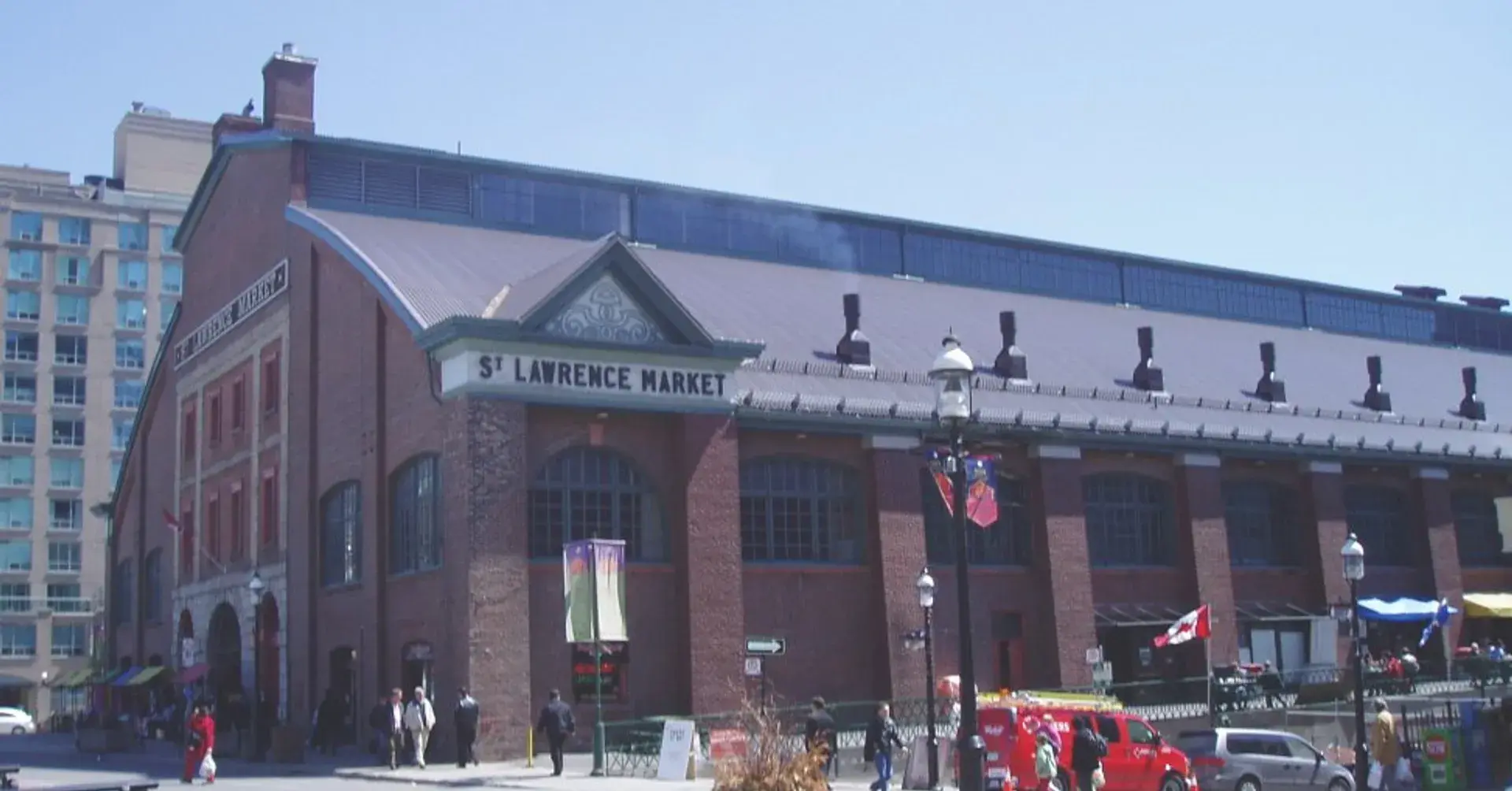
The market complex showcases a blend of historical and modern architecture. The current South Market building was originally constructed in 1845 to a Georgian design by architect Henry Bowyer Lane, featuring a distinctive contrast of red brick and white stone. This structure, which incorporated Toronto's first City Hall, was redeveloped between 1899 and 1904, preserving the original 1845 facade. The lower level of this building still contains remnants of an original jail.
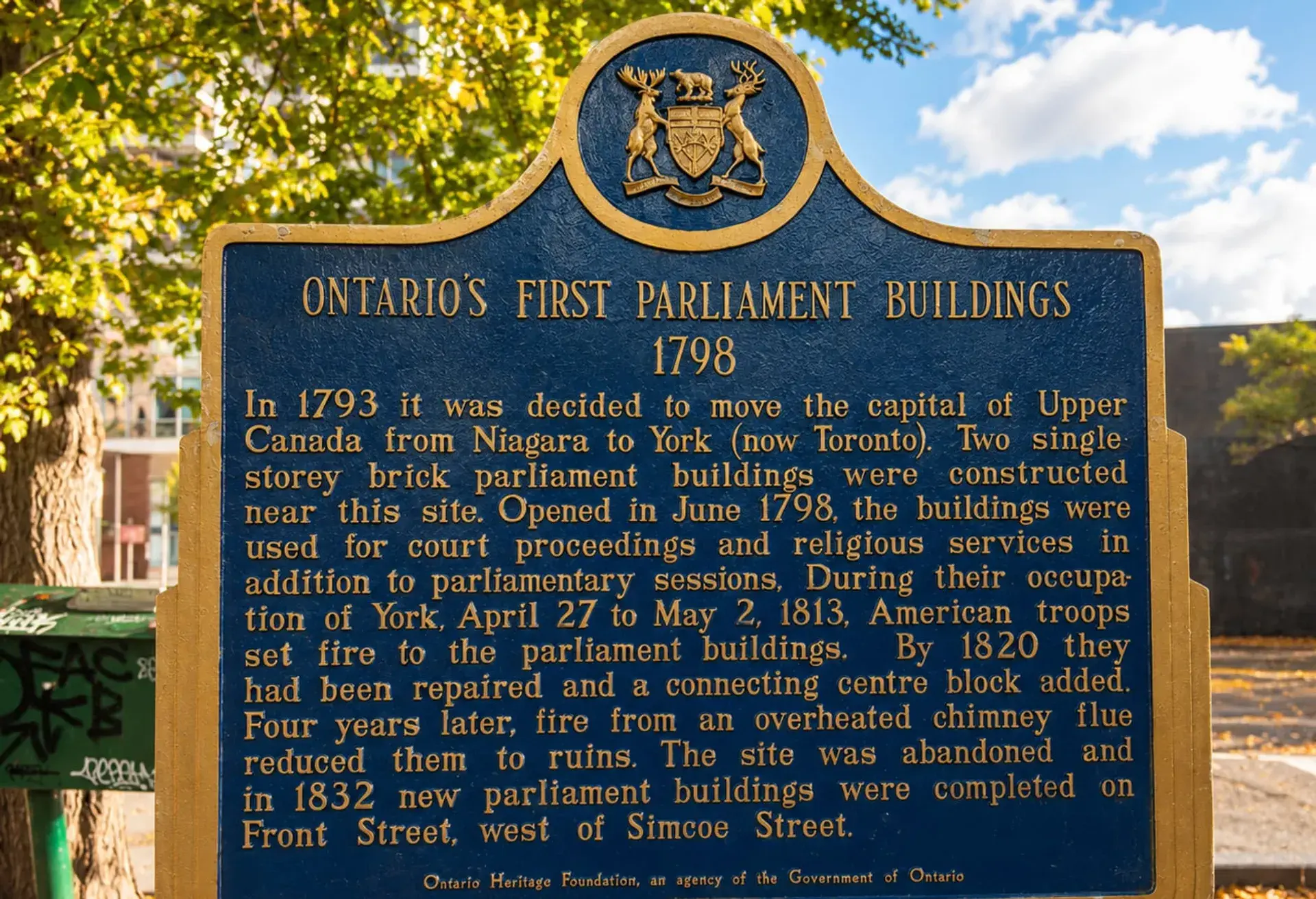
In contrast, the North Market building has been replaced multiple times. The sixth and newest iteration on the site, designed by RSHP and Adamson Associates Architects, opened in 2025, replacing a 1968 structure that was demolished in 2015. Nearby St. Lawrence Hall, part of the wider complex, was designated a Heritage Site in 1967.
A Modern Culinary Hub
Today, the St. Lawrence Market is a bustling center for food and community. The South Market is open six days a week and houses over 120 vendors, many of which are family-run businesses passed down through generations. They offer a vast selection of fresh produce, meats, cheeses, baked goods, and prepared foods. It was in the 1850s that William Davies established a stall here selling peameal bacon, a product that became iconic and contributed to Toronto's nickname, 'Hogtown'. The South Market's second floor also contains the Market Gallery, located in the former city council chambers, and a Market Kitchen for cooking classes.
The new North Market building continues the tradition by hosting the Saturday Farmers' Market, where producers from Southern Ontario sell directly to consumers. It also accommodates a Sunday antique market, provincial court facilities, and offices. Despite threats of demolition in the 1970s, the market was saved by a public campaign, ensuring its continued role as a vital Toronto landmark.
FAQ
What was the St. Lawrence Market South building originally used for?
The South Market building, constructed in 1845, originally served as Toronto's first City Hall until 1899. Its lower level contains remnants of an original jail from that period.
When was the St. Lawrence Market established?
The market's origins date back to 1803 when the area was designated as a public market for the Town of York. The first temporary building was erected in 1814.
What can you find at the St. Lawrence Market today?
The South Market has over 120 vendors selling fresh produce, meats, cheese, and prepared foods. The North Market hosts a Saturday Farmers' Market and a Sunday antique market.
Why is peameal bacon associated with the market?
In the 1850s, merchant William Davies began selling his peameal bacon at a stall in the market. The product became so iconic it contributed to Toronto's historical nickname 'Hogtown'.