Nyhavn Copenhagen: History and Heritage Ships
Origins and Canal Construction
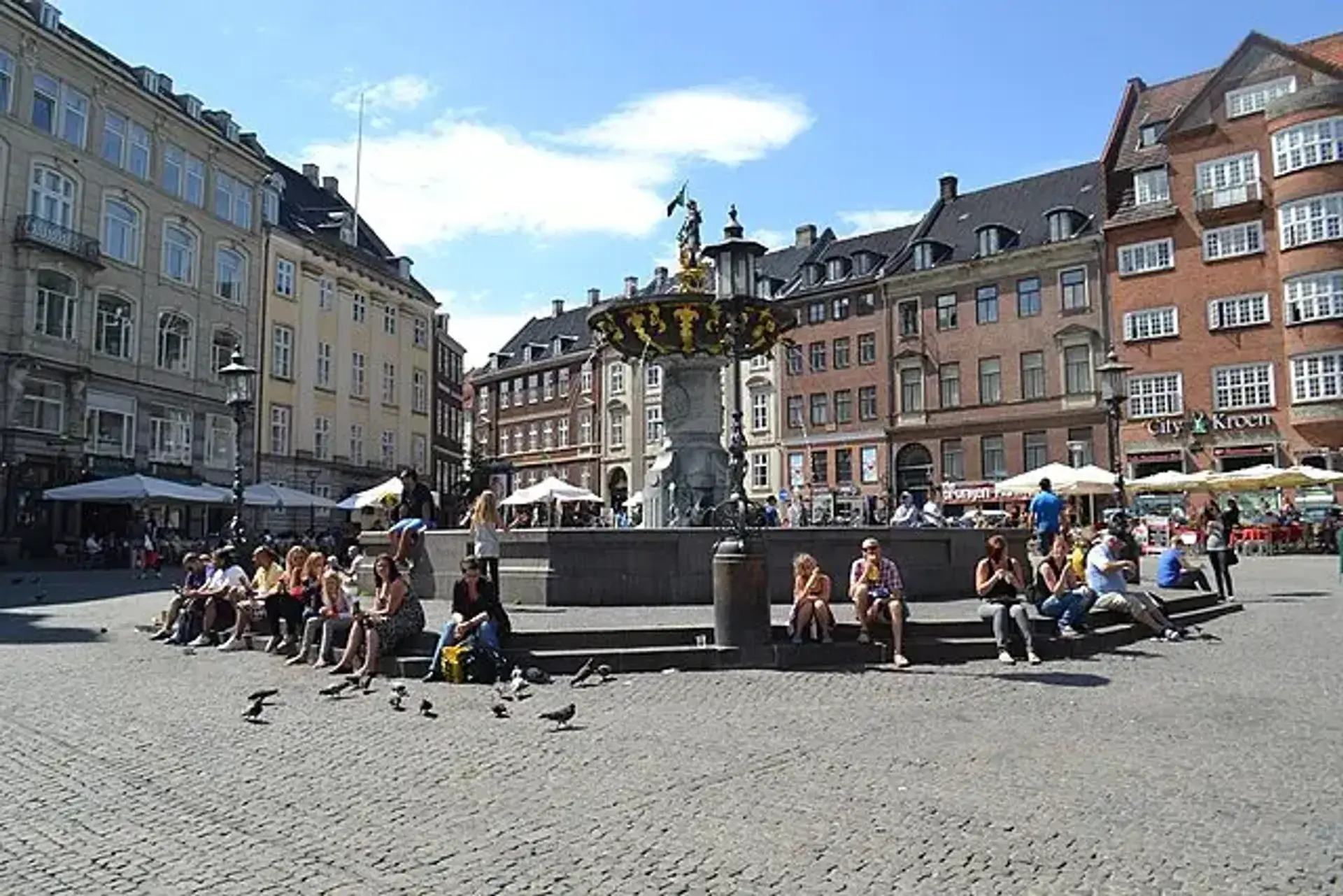
Nyhavn is a 400- to 450-metre-long canal and waterfront district situated in central Copenhagen. Ordered by King Christian V, the channel was excavated between 1670 and 1673. It was engineered to establish a direct maritime connection between Copenhagen’s harbour and the newly planned central square, Kongens Nytorv, enabling merchant vessels to transport cargo and fresh fish directly into the commercial core of the city.
The physical excavation was carried out by Danish soldiers alongside Swedish prisoners of war captured during the 17th-century Dano-Swedish War. The oldest surviving structure along the waterfront is Nyhavn 9, which was constructed in 1681.
Discover Copenhagen’s soul on a self-guided adventure
2.5 hours10 stopsAudio guideStart any day, at your own paceTicket on your phone · 30-day refundCenturies as a Maritime and Red-Light Haven
Following its completion, Nyhavn developed into a bustling terminal for incoming freight, coastal shipping, and grain transports. For nearly three centuries, the waterway maintained an unpolished, working-class maritime identity. The quayside gained notoriety as a rough dockside red-light district, crowded with pubs, brothels, and tattoo parlours serving visiting sailors.
The canal also attracted notable residents, including author Hans Christian Andersen. Andersen resided at three different addresses along Nyhavn over an 18-year period: No. 20, No. 67, and No. 18. During his residency at No. 20, he penned his first published fairy tales in 1835.
20th-Century Decline and Restoration
By the late 1960s, commercial freight ships had expanded beyond the canal's physical capacity, causing traditional maritime transport in the basin to collapse. As shipping dwindled, the water sat largely idle and parts of the quay were repurposed as car parking.
A civic revival led by the Nyhavn Society reversed the area's decline. In 1977, the waterway was officially designated as a museum harbour for historic ships. The northern quay was subsequently pedestrianised in 1980, completing the transition from a gritty maritime backstreet into a central public promenade.
Distinct Architecture and Curiosities
Nyhavn exhibits a clear architectural divide between its two waterfronts. The sunny northern quay features narrow, odd-numbered townhouses painted in vibrant ochre, terracotta, and pastel lime. Municipal heritage mandates strictly regulate these facade colours, requiring building restorations to match historical pigment archives. By contrast, the shaded southern side presents grander, muted classical stone facades alongside Charlottenborg Palace.
Several cultural landmarks punctuate the waterfront. At Nyhavn 25, the tavern sign for Hyttefadet was hand-painted in 1938 by Danish artist Asger Jorn, who later co-founded the CoBrA avant-garde art movement. At the inland head of the canal near Kongens Nytorv stands the Memorial Anchor (Mindeankeret), dedicated to roughly 1,600 Danish merchant sailors who lost their lives while serving in Allied fleets during World War II.
The Modern Promenade
Today, Nyhavn serves as an open-air public space lined with outdoor cafes, bars, and dining terraces. The atmosphere blends the bustle of dining patrons and street performers with the rhythmic creaking of wooden hulls and rigging anchored to the stone quays.
The canal functions as an active museum harbour, permanently hosting preserved historic wooden sailing ships. It also operates as the central departure terminal for Copenhagen canal tour services, including Stromma and Netto-Bådene, and hosts an annual open-air Christmas market along the northern quay each winter. Geographically, Nyhavn links Kongens Nytorv to the open harbour front by the Royal Playhouse, with routes continuing north toward Amalienborg Palace.
FAQ
Who built Nyhavn?
Nyhavn was ordered by King Christian V and excavated between 1670 and 1673 by Danish soldiers and Swedish prisoners of war captured during the Dano-Swedish War.
Where did Hans Christian Andersen live in Nyhavn?
Hans Christian Andersen lived at three distinct addresses along the canal over an 18-year period: Nyhavn 20, Nyhavn 67, and Nyhavn 18.
Why are the facades along Nyhavn painted in specific colours?
Building facade colours are strictly regulated by municipal preservation mandates, which require restorations and repainting to match historical pigment archives.
What is the Memorial Anchor at Nyhavn?
Located at the head of the canal by Kongens Nytorv, the Memorial Anchor (Mindeankeret) commemorates approximately 1,600 Danish merchant sailors who died serving in Allied fleets during World War II.