Tårnet: Copenhagen's Tallest Tower at Christiansborg
The Architectural Race for Copenhagen's Skyline
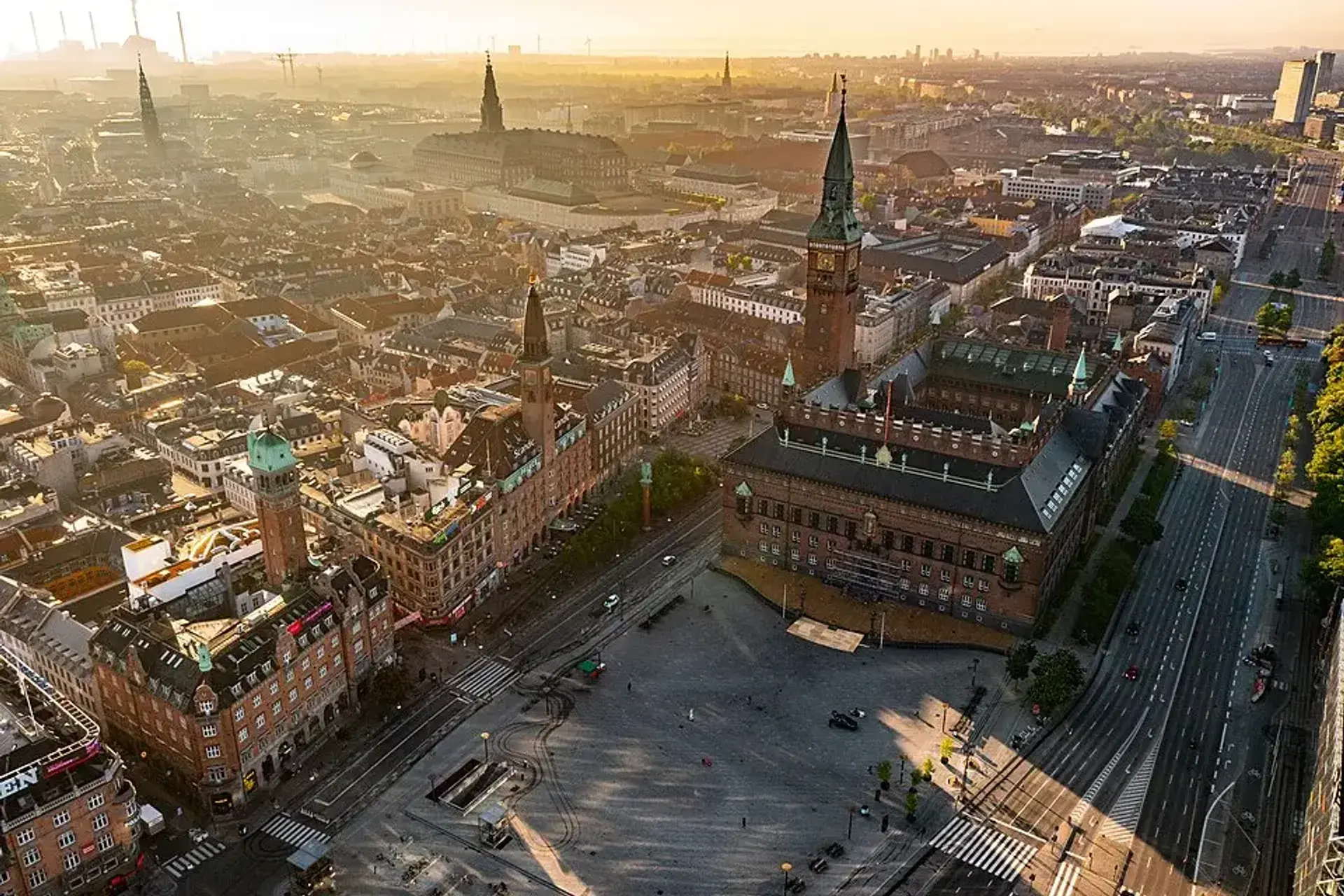
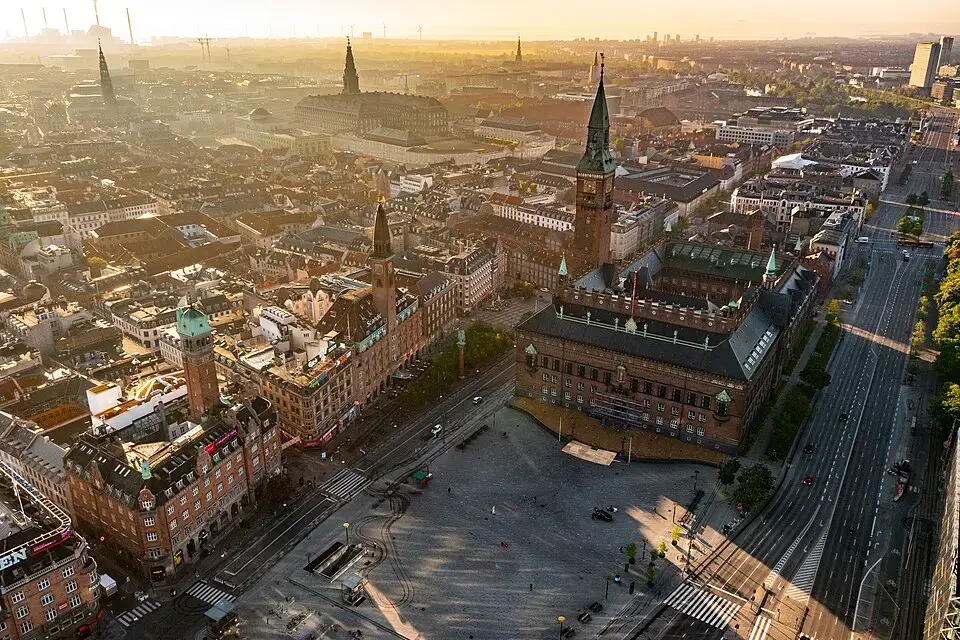
Tårnet (The Tower) serves as the central spire of Christiansborg Palace, located on the historic island of Slotsholmen in central Copenhagen. Rising to a height of 106 meters, it holds the title of the tallest tower in the Danish capital. The structure was deliberately engineered to surpass the 105.6-meter Copenhagen City Hall tower by a margin of exactly 40 centimeters.
Designed by architect Thorvald Jørgensen, the tower was erected as part of the third Christiansborg Palace, constructed between 1907 and 1928. Slotsholmen itself marks the foundation site of Copenhagen, where Bishop Absalon established a fortress in 1167. Today, Christiansborg Palace remains an exceptional center of governance, housing all three branches of the Danish state: the Danish Parliament (Folketinget), the Supreme Court, and the Prime Minister's Office.
Discover Copenhagen’s soul on a self-guided adventure
2.5 hours10 stopsAudio guideStart any day, at your own paceTicket on your phone · 30-day refundBudget Cuts and the Spire's Transformation
During its early 20th-century construction, severe budget overruns forced architect Thorvald Jørgensen to eliminate several decorative elements. While the original plans called for three crowns to adorn the spire, the tower was completed in 1928 with only a single crown. The incomplete profile drew public critique; in 1934, Home Affairs Minister Bertel Dahlgaard campaigned to add the missing crowns, arguing that the palace otherwise resembled the provincial railway station in Korsør.
Financial constraints also influenced the materials of the exterior. Ceramic roof tiles were initially installed to save money, only to be replaced with copper plating between 1937 and 1938 following a nationwide public fundraising effort. Higher up the copper spire, eight 3.10-meter-tall copper figures sculpted by Axel Locher represent working men and women.
From a Storage Attic to Public Access
For nearly a century after its completion, Tårnet remained shut off from the public. The interior served primarily as a parliamentary lumber room (pulterkammer), an attic storage space populated by discarded office furnishings, building models, and plaster casts, visited rarely except by building maintenance and pigeons. In June 2014, Folketinget completed a renovation project that officially opened the tower to the public.
Rather than removing the historical items, several large plaster models were integrated into the interior architecture. Within the 11-by-11-by-11-meter cubic brick chamber two-thirds up the tower, preserved casts—including an oversized plaster woman several meters high and two heraldic stone lions of unknown origin—form permanent decorations alongside Restaurant Tårnet, operated by the Norrlyst Group.
The Panoramic Observation Platform
Public access to the tower begins at the monumental granite portal of the King's Gate (Kongeporten), where elevators carry visitors past the bare-brick, barrel-vaulted chambers up to the open-air viewing platform (Udsigten). Situated 44 meters above ground level, the platform provides 360-degree views across central Copenhagen's canals, red-tile rooftops, and verdigris copper spires. On clear days, the panorama extends across the Øresund toward Sweden.
FAQ
How tall is Tårnet, and how does it compare to City Hall?
Tårnet stands at 106 meters tall, making it the highest tower in Copenhagen. It is exactly 40 centimeters taller than the Copenhagen City Hall tower.
Is the viewing platform at Tårnet free to visit?
Yes, the open-air viewing platform, located 44 meters above ground and operated by the Danish Parliament, is free to access via an elevator from the King's Gate.
Why does the spire of Tårnet only have one crown?
Due to construction budget overruns in the early 20th century, architect Thorvald Jørgensen had to cut costs, resulting in a single crown upon completion in 1928 rather than the three originally planned.
What was Tårnet used for before opening to the public in 2014?
For nearly a century, the tower interior functioned as an inaccessible storage attic (pulterkammer) for the Danish Parliament, holding building models, discarded furniture, and plaster casts.