Kiek in de Kök Fortification Museum: Tallinn's Tower
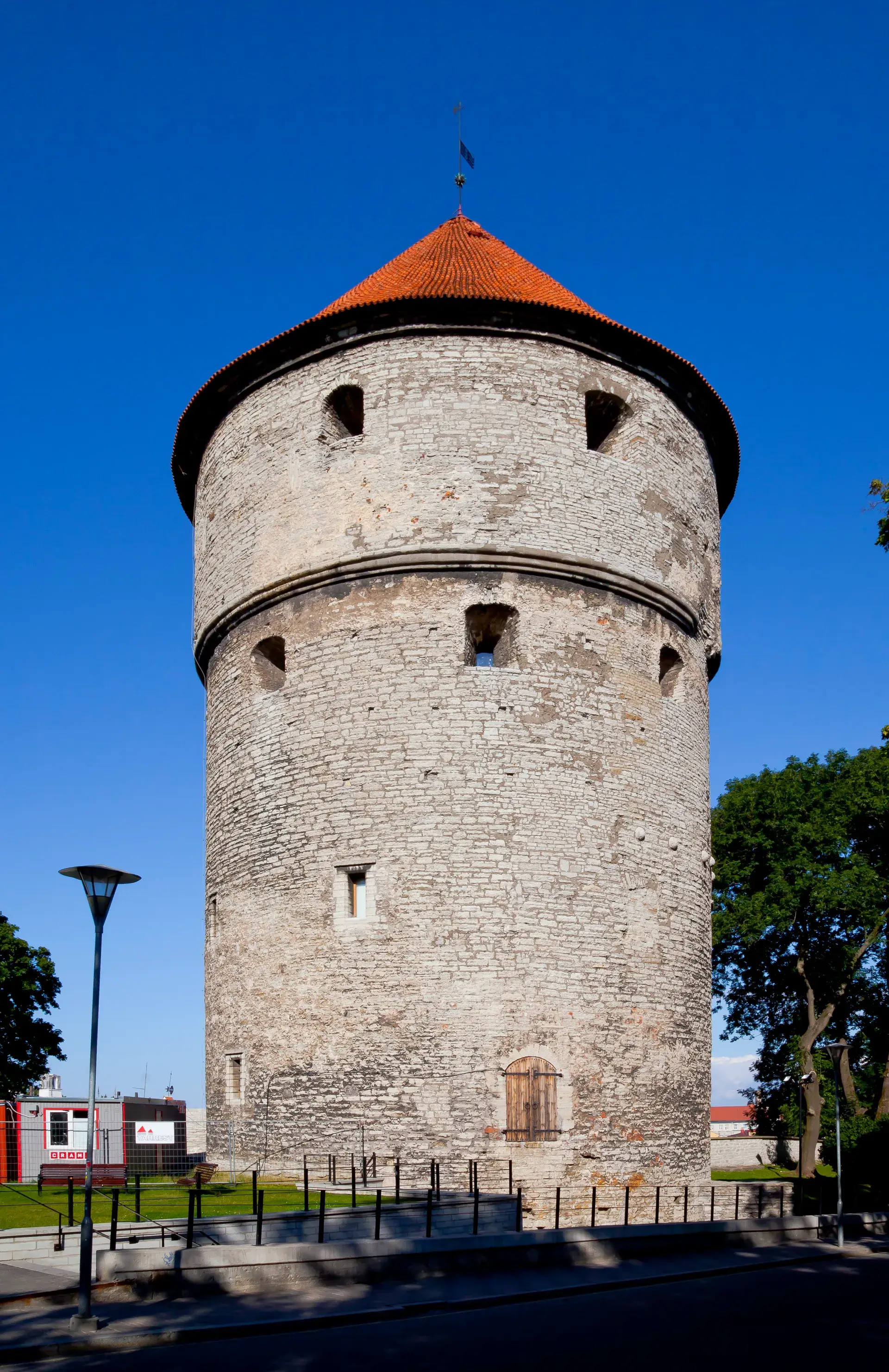
Gaze up at the formidable, round Kiek in de Kök cannon tower, a 15th-century defense masterpiece whose very name means 'peek into the kitchen'. This powerful artillery tower is a central feature of Tallinn's Old Town fortifications and a testament to the city's enduring past.
A Storied Military History
Constructed between 1475 and 1483, the Kiek in de Kök tower stands as a monumental piece of medieval military architecture. Reaching a height of 38 meters with walls up to four meters thick, it was designed to withstand heavy assault. The tower's name, translating from Low German to 'Peek into the Kitchen,' was a humorous nod to the fact that soldiers could purportedly see into the kitchens of nearby houses from its upper levels.
A defining moment in the tower's history occurred in 1577 when it successfully withstood a siege by the Muscovite troops of Ivan the Terrible. Evidence of this fierce battle remains today, with cannonballs still visibly embedded in its formidable outer walls. Though it underwent remodeling in the 16th and 17th centuries, the tower became militarily obsolete by 1760.
The Versatile Bastion Tunnels
Beneath the tower lies a network of bastion tunnels, constructed in the 17th and 18th centuries under the influence of Swedish military engineer Eric Dahlberg. Originally intended for moving troops and storing supplies, their primary military purpose was never fully realized due to a plague outbreak at the time of their construction.
Over the centuries, these tunnels served a variety of functions. They were used as a prison, then as air-raid shelters during World Wars I and II. During the Cold War, they were converted into an elaborate nuclear fallout shelter for the elite, complete with independent electricity, water, and ventilation systems. In the Soviet era, they became a refuge for punks and displaced individuals before their eventual restoration.
From Fortress to Museum
After its military decommissioning, the Kiek in de Kök tower saw various uses, including as a storage unit, an archive, and even apartments and training quarters for athletes. In a symbolic shift away from its military past, Emperor Alexander II gifted the tower to the Charles congregation. Following renovations between 1966 and 1968, the tower officially opened as a branch of the Tallinn City Museum in 1958.
The Museum Complex Today
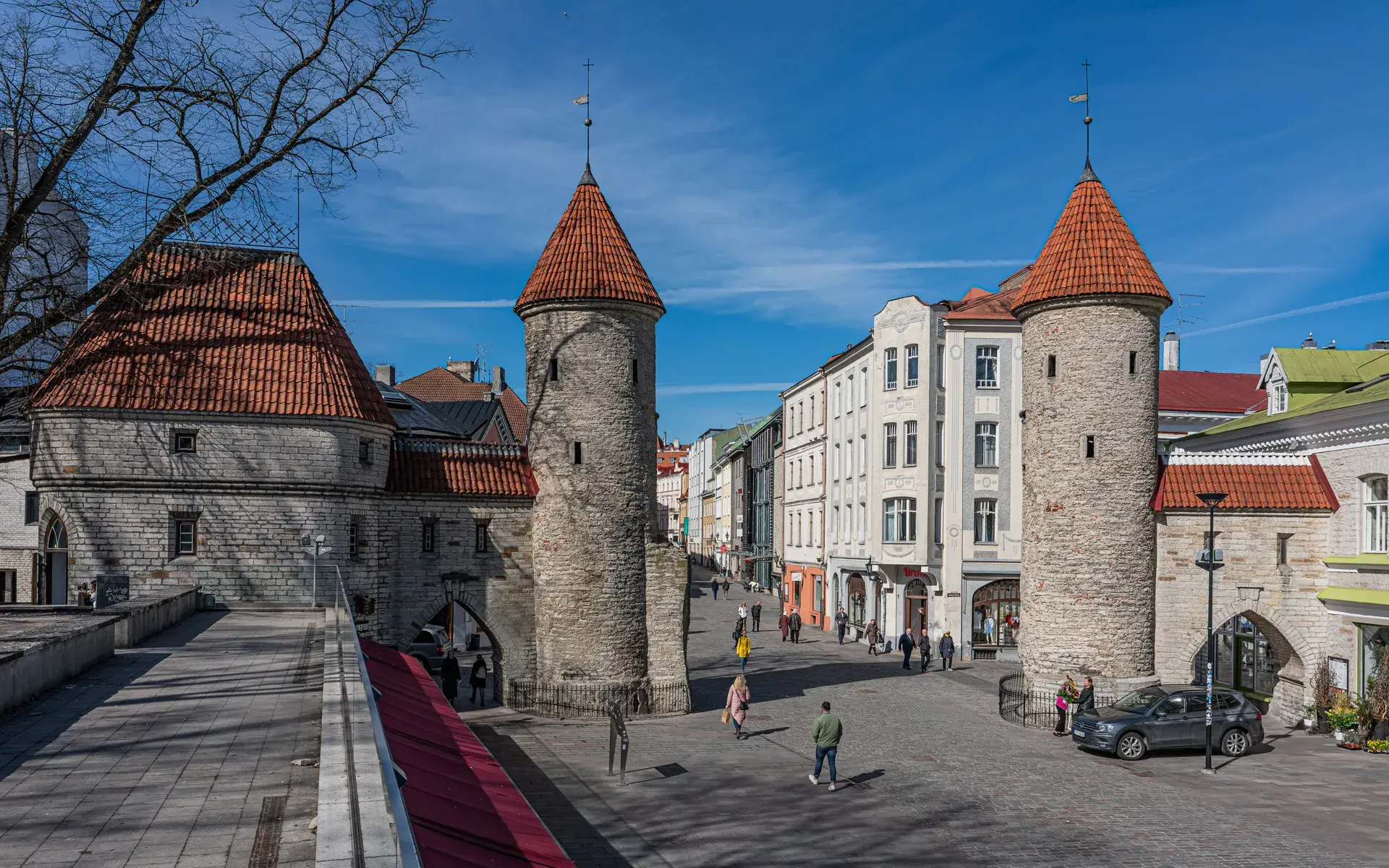
The Kiek in de Kök Fortification Museum is now an extensive complex that stretches over 500 meters. It integrates the main tower with three others—the Maiden's Tower, Stable Tower, and Short Leg Gate Tower—connected by a wall gallery offering panoramic views of Tallinn's Old Town. The museum is dedicated to the city's fortification and military history from the 13th to the 18th centuries.
Exhibits feature historical weaponry, protective equipment, and interactive displays. The bastion tunnels house a collection of carved stones and illustrate the evolution of Tallinn's defenses. The Maiden Tower also contains a café-museum, making the complex a popular destination for exploring the city's rich, multi-layered past.
FAQ
What does the name 'Kiek in de Kök' mean?
The name 'Kiek in de Kök' is Low German for 'Peek into the Kitchen.' It was a humorous name given to the tower because soldiers stationed there were high enough to supposedly see into the kitchens of the surrounding houses.
Are there really cannonballs in the tower's walls?
Yes, the outer walls of the Kiek in de Kök tower still have cannonballs embedded in them. They are remnants of the 1577 siege by the troops of Ivan the Terrible, which the tower successfully withstood.
What were the bastion tunnels originally used for?
The bastion tunnels were built in the 17th and 18th centuries for military purposes, such as moving troops and storing ammunition. However, they were later used as a prison, air-raid shelters, a Cold War nuclear bunker, and a hideout before becoming part of the museum.
What is the Kiek in de Kök Fortification Museum?
It is a large museum complex in Tallinn that includes the 15th-century Kiek in de Kök tower, three other medieval towers, and the underground bastion tunnels. It showcases the history of Tallinn's city defenses, weaponry, and military events.