St. Nicholas' Church & Museum in Tallinn
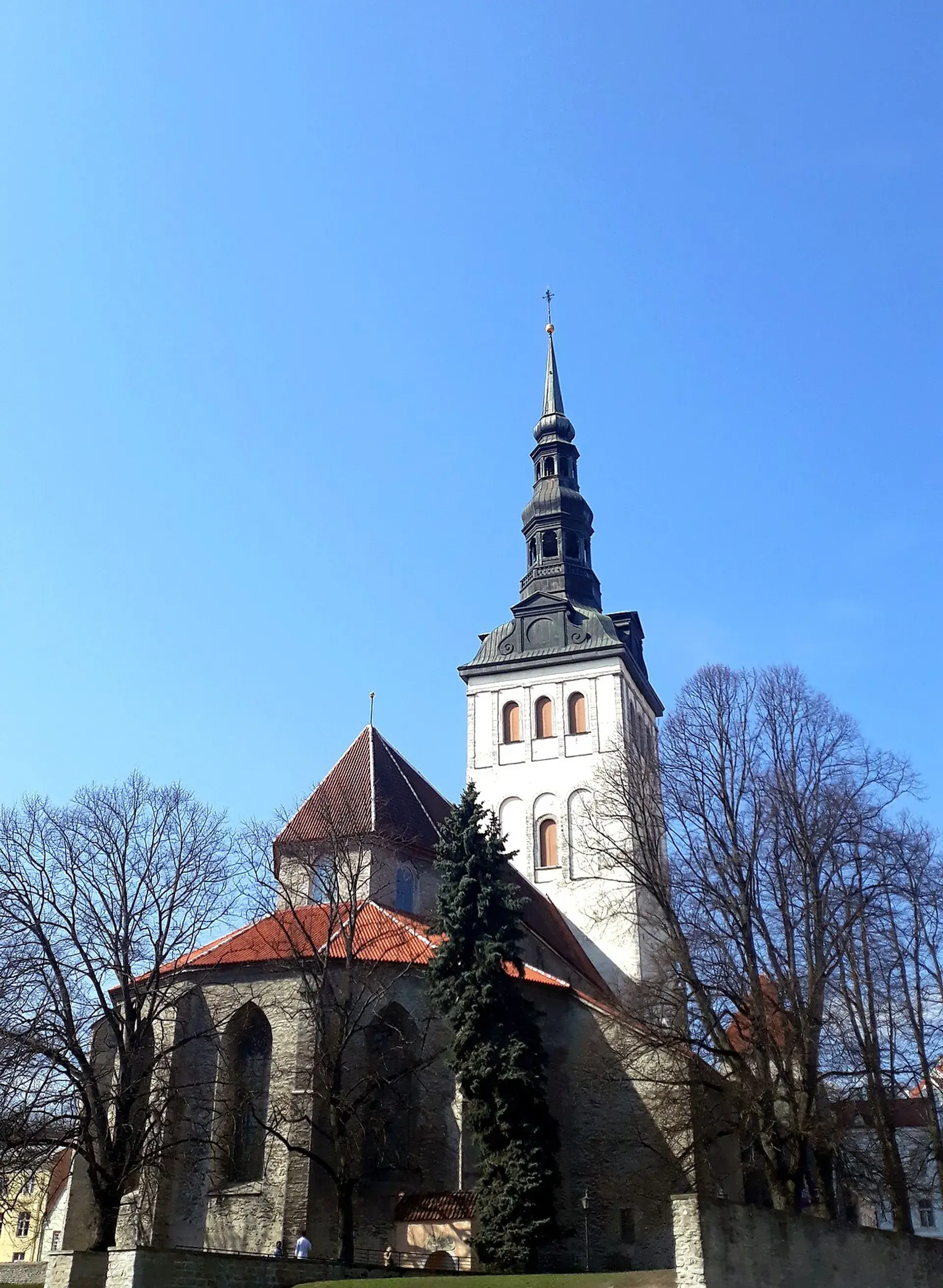
St. Nicholas' Church, now the Niguliste Museum, stands as a monument to Tallinn's rich Hanseatic history and its resilience through centuries of change. Founded between 1230 and 1275 by Westphalian merchants, the church was dedicated to Saint Nicholas, the patron saint of fishermen and sailors. In its early years, before the city was fully fortified, the church also served a defensive role, equipped with heavy bars, loopholes, and hiding places.
A History of Survival
The church's history is marked by dramatic events. During the Protestant Reformation in the 1520s, an iconoclastic mob sought to destroy its religious art. In a remarkable act of preservation, the congregation reportedly poured molten lead into the church's locks, preventing the mob from entering and saving its priceless treasures. The building converted to a Lutheran church in the 16th century and survived a fire in 1533 and shelling in 1577.
Destruction and Rebirth
The most significant blow to St. Nicholas' Church came on March 9, 1944, when it was severely damaged during a Soviet bombing of Tallinn. The attack destroyed its roof, spire, and much of its interior. Fortunately, many of its most valuable art treasures had been evacuated beforehand. An extensive and painstaking restoration process took place from 1953 to 1981. In 1984, the building was reborn, reopening not as a church, but as a museum and concert hall.
The Niguliste Museum Today
Today, St. Nicholas' Church operates as the Niguliste Museum, a branch of the Art Museum of Estonia. It houses the country's most valuable collection of medieval and early modern ecclesiastical art. The building is also renowned for its excellent acoustics, making it a popular venue for organ recitals and other concerts. A modern glass elevator installed in the historic tower transports visitors to a viewing platform, offering panoramic 360-degree views of Tallinn's Old Town.
Masterpieces and Curiosities
The museum's collection features several significant works. A key highlight is a fragment of the 'Danse Macabre' ('Dance of Death') by Lübeck master Bernt Notke. Originally around 30 meters wide, this piece is the world's only surviving medieval 'Dance of Death' painted on canvas. Another masterpiece is the high altar, created by Hermen Rode, which is one of the largest northern German altarpieces from the 15th century. The museum also displays a four-meter-high, seven-branched brass candelabrum from 1519, considered one of the largest in Europe.
FAQ
Why is St. Nicholas' Church a museum?
After suffering severe damage in a 1944 bombing during WWII, the church underwent a lengthy restoration. It was reopened in 1984 as the Niguliste Museum, a branch of the Art Museum of Estonia, to preserve and display medieval sacred art. It no longer operates as a church for a congregation.
What is the 'Danse Macabre' at the Niguliste Museum?
The 'Danse Macabre' is a famous painting by Bernt Notke. The fragment displayed in the museum is significant as it is the only surviving medieval 'Dance of Death' painted on canvas in the world, illustrating the theme of life's transience.
How did St. Nicholas' Church survive the Protestant Reformation?
During the iconoclasm of the 1520s, the church's congregation reportedly poured molten lead into the locks. This action prevented a destructive mob from entering and destroying the church's collection of religious art.
Can you go up the tower of St. Nicholas' Church?
Yes, a modern glass elevator inside the tower provides access to a viewing platform. From there, visitors can enjoy 360-degree panoramic views of Tallinn's Old Town.