Patkuli Stairs: Tallinn's Historic Viewpoint
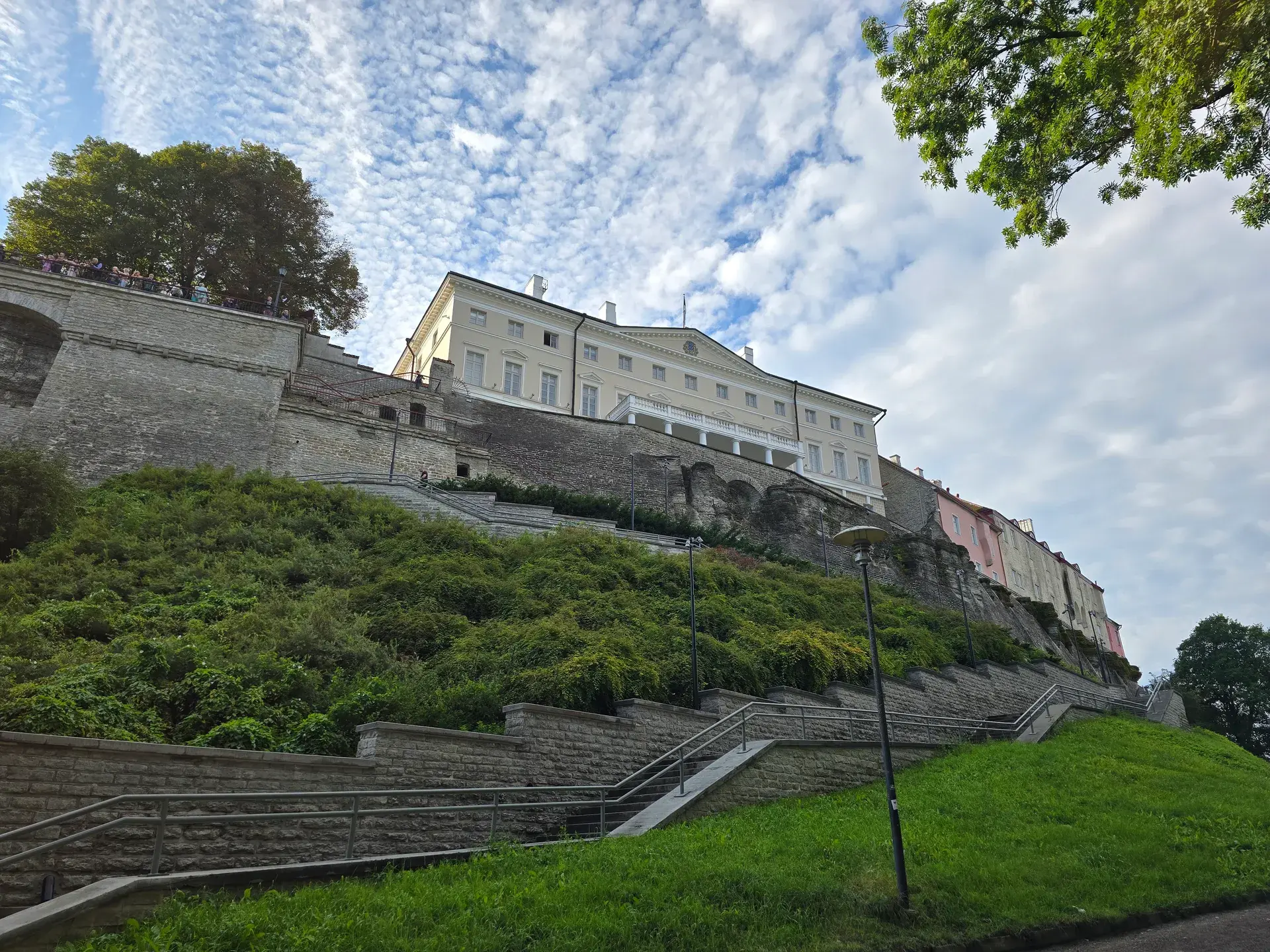
The Patkuli Stairs in Tallinn, Estonia, are a historic stone staircase that winds up Toompea hill, offering expansive views of the lower town and the sea. Constructed in 1903, this scenic route serves as a vital pedestrian link between the upper and lower parts of the city.
History and A Contested Name
The stairs were officially opened on October 6, 1903, to provide a direct connection between Toompea Hill and the lower town near Toompark and the Balti Jaam railway station. Originally, access was limited; a gate at the top was open only from 8 AM to 5 PM, and a raised flag would signal to people below whether the climb was worth making.
The staircase consists of precisely 157 steps. While its function is clear, its name has been a point of historical debate. It is linked to the Patkul family, but which member is uncertain. Candidates include Friedrich von Patkul, a Vice-Governor of Estland, and Vladimir Patkul, a Russian general. Another potential namesake, Swedish-era vice governor Dietrich Friedrich von Patkul, was dismissed from consideration during the Estonian period. His controversial order to burn Tallinn's suburbs during the Northern War worsened a plague outbreak and was deemed unworthy of commemoration.
Panoramic Views from the Platform
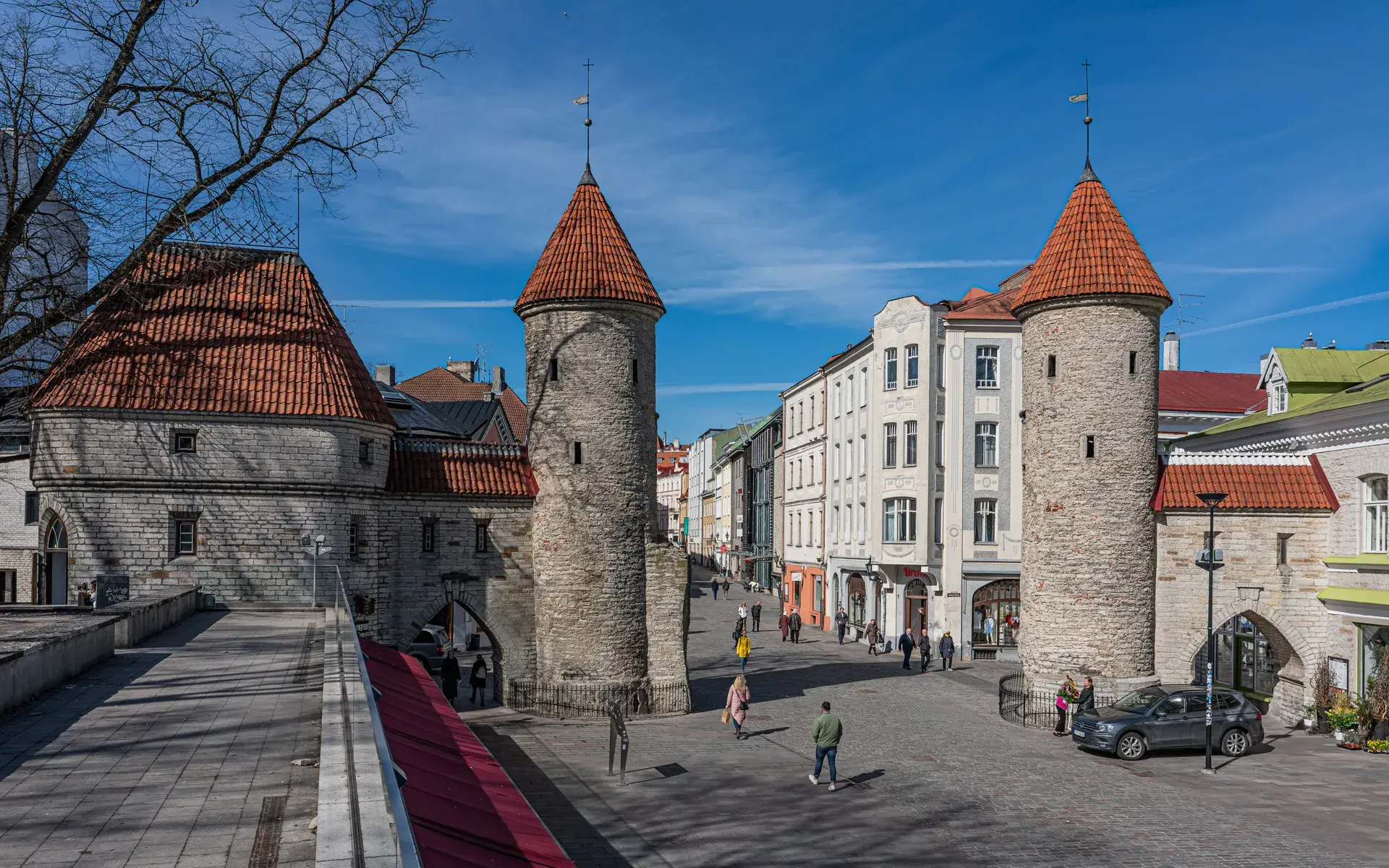
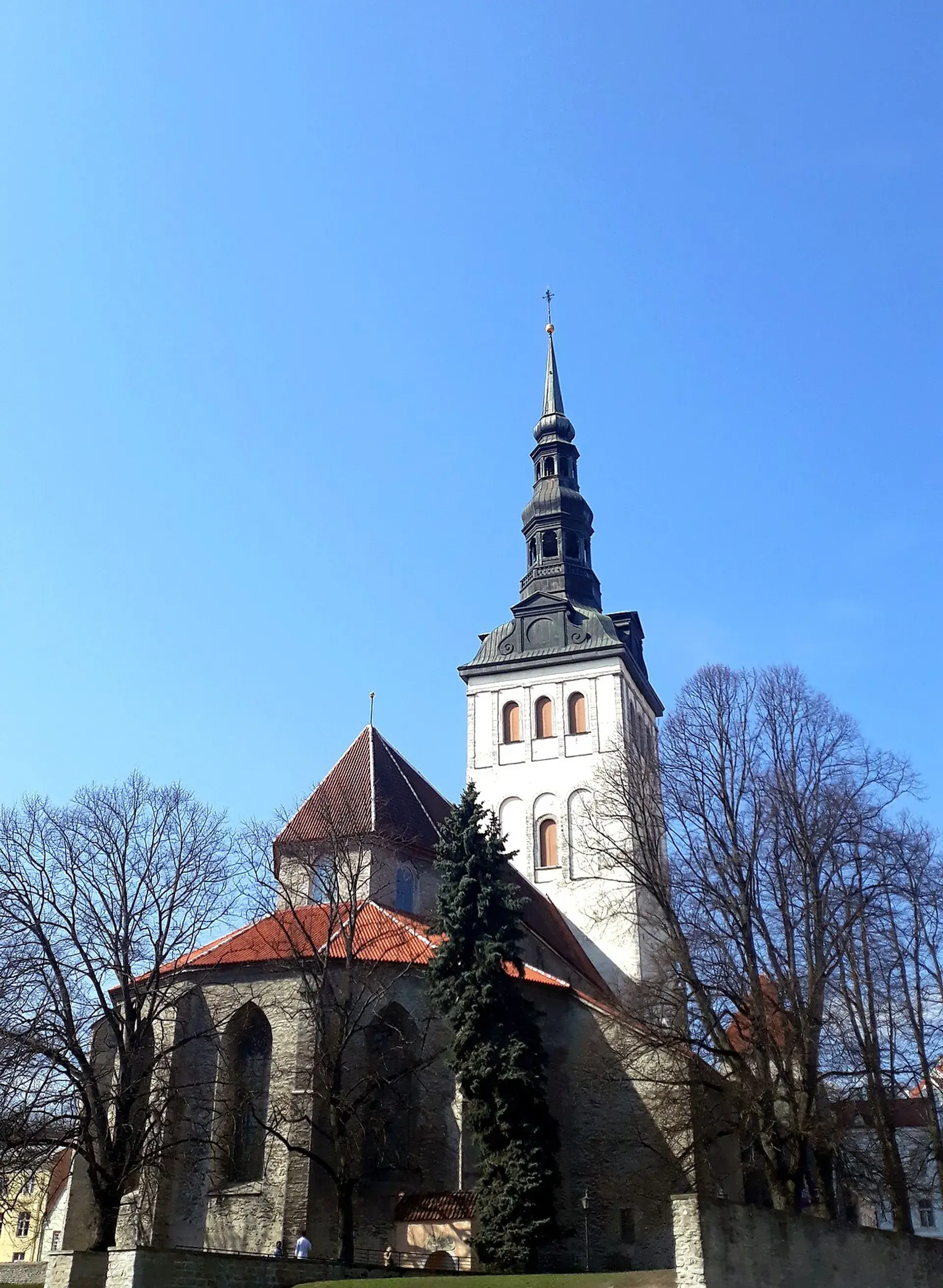
At the top of the stairs, a viewing platform provides one of Tallinn's most celebrated panoramic vistas. The view encompasses the UNESCO World Heritage-listed Old Town, with its medieval city walls, historic towers, and the characteristic red-tiled roofs of the Lower Town. Visitors can also see St. Olav's Church, the Kalamaja district, the Tallinn TV Tower, and the Baltic Sea coastline. The platform is a favored spot for photographers, especially at sunrise and sunset.
During periods of occupation, the platform held symbolic meaning for locals, who would gaze out towards the sea as an expression of their yearning for freedom.
Architecture and Modern Use
The Patkuli Stairs are a popular public space, accessible 24 hours a day and free of charge. While connecting to Toompea, the base of the stairs emerges onto a small square with benches near Nunne Street. The nearby retaining wall features Neo-Gothic style relief arches dating from the 19th century.
The structure has undergone several renovations over the years. A comprehensive overhaul from March to August 2024, costing €457,000, included repairing worn steps, upgrading platforms, improving drainage, reconstructing handrails, and updating the lighting. This project also restored an adjacent section of the city wall.
FAQ
How many steps do the Patkuli Stairs have?
The Patkuli Stairs consist of exactly 157 steps.
Are the Patkuli Stairs free to access?
Yes, the Patkuli Stairs and its viewing platform are a public space, accessible 24 hours a day, year-round, and free of charge.
What can you see from the Patkuli viewing platform?
The platform offers panoramic views of Tallinn's UNESCO-listed Old Town, its medieval walls, St. Olav's Church, the Kalamaja district, and the Baltic Sea.
When were the Patkuli Stairs built?
The stairs were constructed and officially opened to the public on October 6, 1903, to connect Toompea Hill with Tallinn's lower town.