Tartu's Father and Son Sculpture: History and Art
The Surreal Bronze on Küüni Street
Standing directly on the pavement of Tartu's Küüni Street pedestrian promenade, Father and Son (Isa ja poeg) is one of Estonia's most recognizable and unconventional works of public art. Created by prominent Estonian sculptor Ülo Õun (1940–1988), the monumental bronze artwork portrays the artist holding hands with his son, Kristjan, modeled when the child was 18 months old.
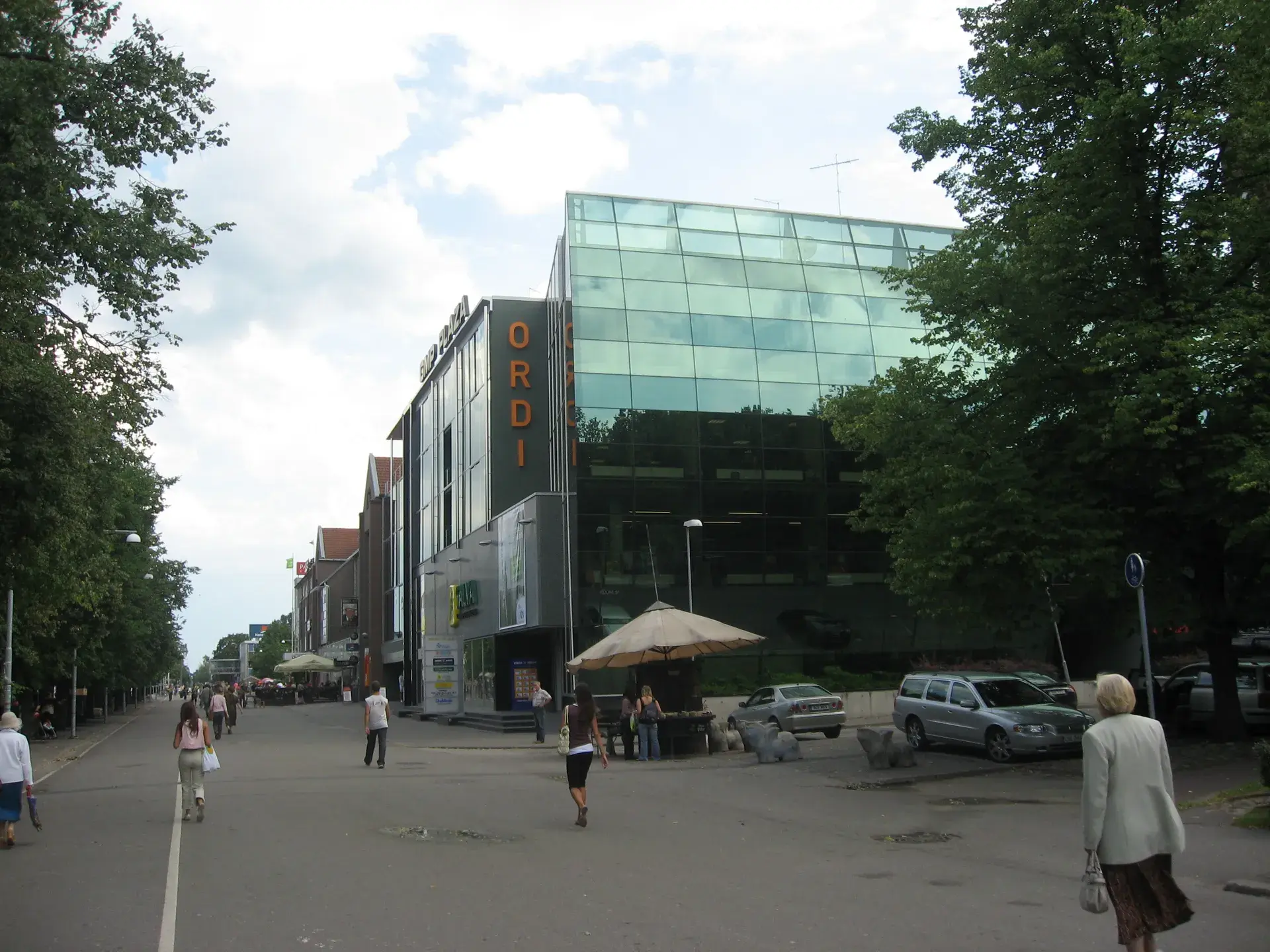
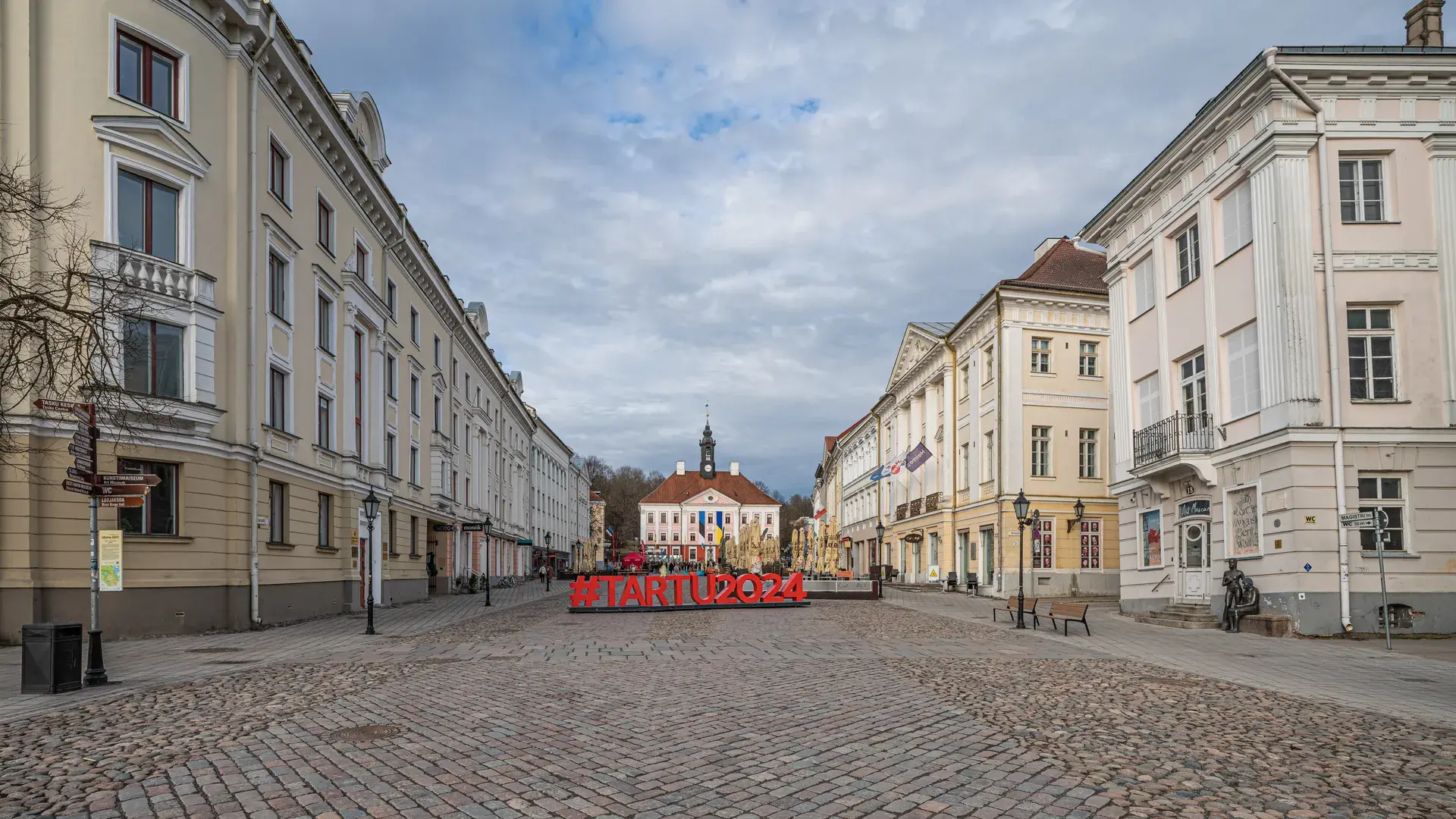
Installed without an elevated plinth or pedestal, the sculpture rests directly at street level alongside Central Park (Keskpark). The figures appear as everyday pedestrians navigating the city's central pedestrian route, which connects Town Hall Square to the Vanemuine Theatre.
Conception, Controversy, and the Road to Tartu
Õun completed the original plaster model in 1977. When it debuted at the Tallinn Art Hall later that year, the composition sparked significant public and critical controversy due to the combination of full nudity and dramatic scale distortion. In 1987, the piece was cast in bronze with plans to display it in Tallinn.
Following the collapse of the Soviet Union, however, the bronze statue was left abandoned in the courtyard of the Ars Monumentaal foundry throughout the 1990s. The Tartu City Government purchased the work in autumn 2001. Municipal planners initially intended to erect the sculpture on Toomemägi (Cathedral Hill) and even prepared a dedicated granite base. That plan was halted because municipal regulations reserved Toomemägi strictly for monuments linked to the University of Tartu. Consequently, the statue was relocated to Küüni Street, where it was officially unveiled on Child Protection Day, 1 June 2004.
Scale Distortion and Generational Symbolism
The central visual feature of Father and Son is its subversion of classical proportions. Instead of scaling down the toddler, Õun enlarged the 18-month-old child to adult height, placing father and son directly eye-to-eye.
Despite standing at adult height, the child maintains infant anatomical proportions, featuring short limbs, a rounded toddler belly, and a large head that spans roughly one-quarter of his total height. Art historians view this surreal juxtaposition as an allegory for generational turnover, representing the reality that children eventually grow to equal, challenge, and surpass their parents.
A Living Pedestrian Landmark
Accessible 24/7, the sculpture has evolved into a popular meeting point and photo location for students, families, and visitors. Over time, the nude figures have also inspired local humor, with residents and pranksters periodically outfitting the pair in seasonal scarves, winter beanies, or event promotional T-shirts.
Alongside landmarks such as the Kissing Students (Suudlevad tudengid) fountain and the Oscar Wilde and Eduard Vilde bench, Father and Son reinforces Tartu’s tradition of approachable, thought-provoking street art integrated into everyday public spaces.
FAQ
Who created the Father and Son sculpture?
The sculpture was created by Estonian artist Ülo Õun (1940–1988), who modeled the bronze figures on himself and his son, Kristjan.
Why are the father and child the same height?
Sculptor Ülo Õun magnified the body of the 18-month-old child to adult height while retaining baby proportions, creating a visual metaphor for generational turnover.
Why wasn't the sculpture installed on Toomemägi?
Although a granite base was prepared on Toomemägi, municipal regulations required monuments on the hill to have direct connections to the University of Tartu, leading to the sculpture's installation on Küüni Street.