University of Tartu Main Building: History & Design
An Emblem of Classical Architecture
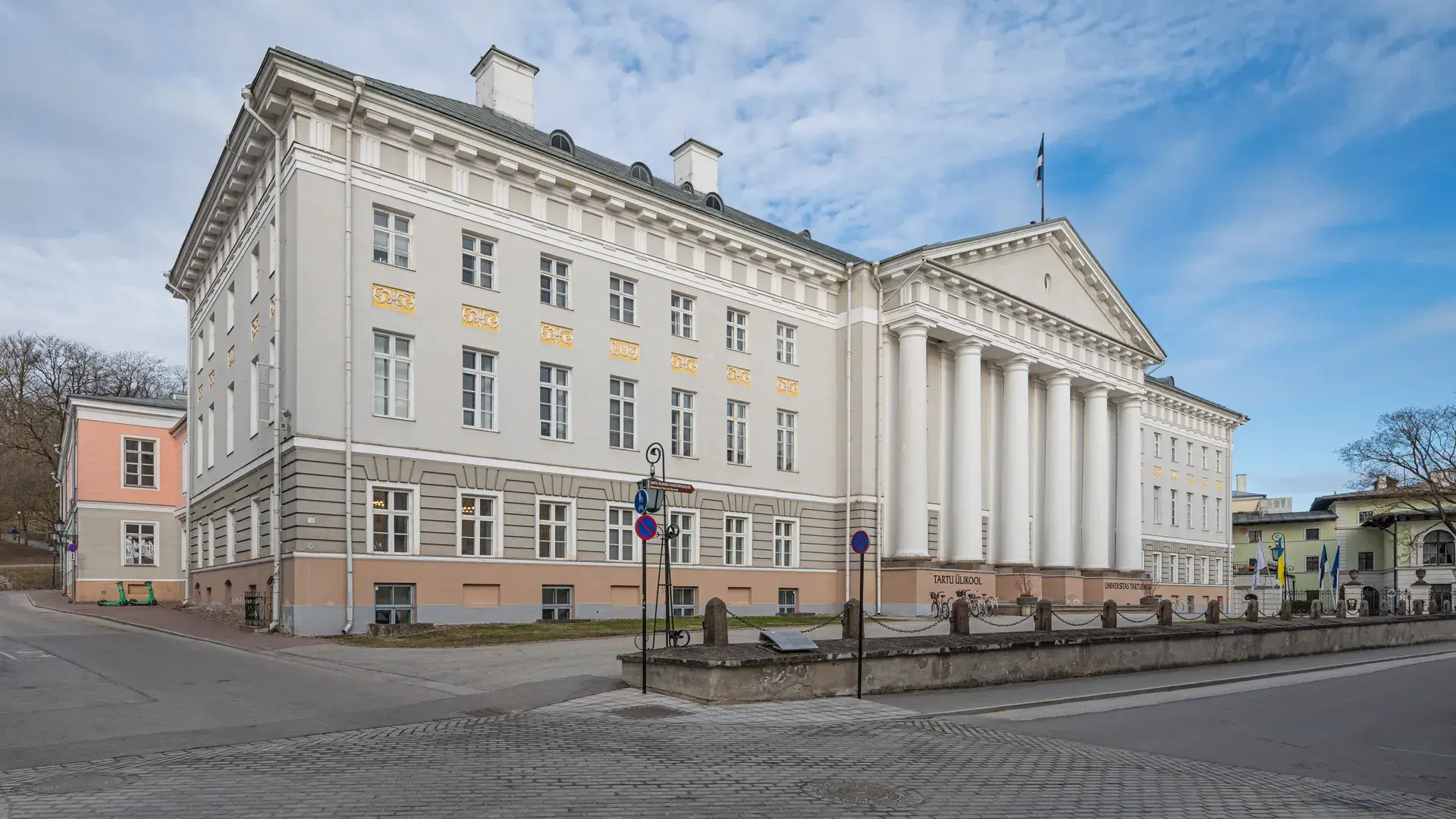
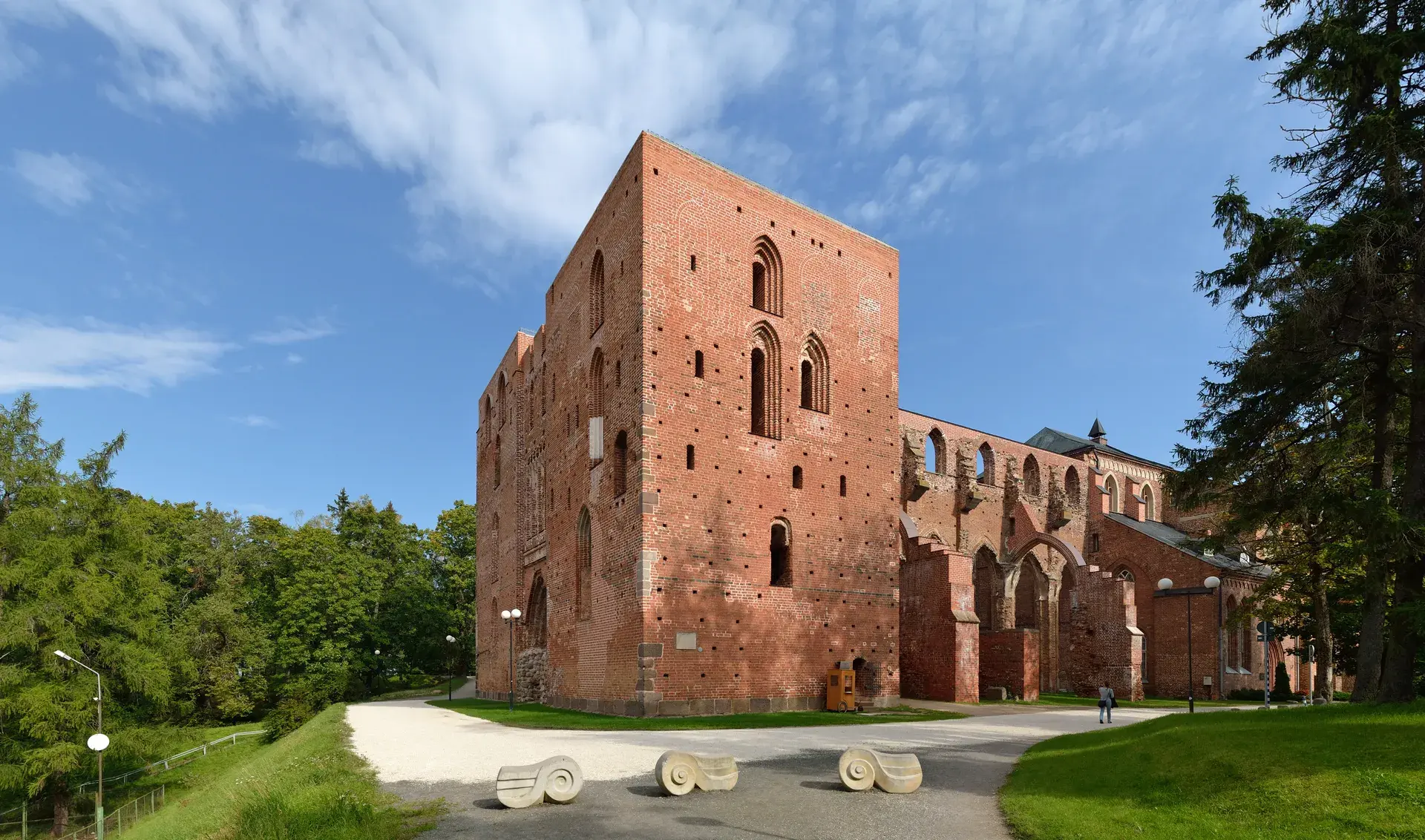
The University of Tartu Main Building stands at Ülikooli 18, positioned at the base of Toome Hill (Toomemägi) between Tartu's Town Hall Square and the parklands above. Designed in the High Neoclassical style by university architect and professor Johann Wilhelm Krause, the structure was built between 1804 and 1809 on the site of the medieval St. Mary's Church, which had been ruined during the Great Northern War. Officially inaugurated on July 3, 1809, the facade features a monumental portico with six Tuscan or Doric columns supporting a classical triangular pediment. Set upon an elevated stone terrace, this six-columned exterior serves as the enduring symbol of Tartu's identity as a university city.
From Royal Charter to National University
The university's lineage traces to June 30, 1632, when King Gustav II Adolf of Sweden signed the foundation charter for Academia Dorpatensis during the Thirty Years' War, shortly before his death at the Battle of Lützen. The institution operated intermittently, relocating several times to Tallinn and Pärnu before closing under Russian rule in 1710.
In 1802, Russian Emperor Alexander I reopened the school as the German-language Imperial University of Dorpat, commissioning Krause to create a permanent campus complex. Later additions expanded the building, with two rear wings constructed between 1856 and 1858. Following the Estonian War of Independence, the building reopened in 1919 as the Republic of Estonia's first national, Estonian-language university. Although a devastating fire gutted significant interior sections on December 14, 1965, the structure and its historic interiors were systematically restored.
Ceremonial Spaces and the Art Museum
Today, the building functions as the administrative and ceremonial center of the University of Tartu, housing the rector's office. On the second floor, the Assembly Hall (Aula) hosts academic convocations, matriculation events, doctoral defenses, conferences, and public concerts. The hall is characterized by Empire-style decor, crystal chandeliers, classical pilasters, and painted ceiling arches.
The building's left rear wing houses the University of Tartu Art Museum. The museum features Pompeian-style wall murals and a collection of 19th-century plaster casts modeled after antique classical sculptures. Through the museum, visitors can access guided tours of the Assembly Hall and the historical attic quarters.
The Attic Student Lock-Up
One of the building's most notable surviving interior features is the authentic student lock-up (kartser) located in the wood-beamed attic, where the scent of aged timber and dry historic plaster remains intact. Between 1802 and 1892, the university exercised its own internal legal jurisdiction, sentencing roughly 6,600 students to periods of detention ranging from a few days to three weeks. Punishable infractions included dueling, public drunkenness, insults directed at night watchmen, and failing to return library books.
While serving their sentences, students decorated the cell walls using charcoal and candle soot. Surviving plaster surfaces remain covered in original 19th-century portraits, personal crests, and poetry written in German, Latin, and French. Among the notable students detained here was Georg Philipp von Oettingen, who served two weeks for participating in a riot against a professor; he later became the rector of the university and the mayor of Tartu.
The Founder's Monument
Directly behind the Main Building stands a bronze monument dedicated to King Gustav II Adolf of Sweden. The original statue was erected in 1928, removed under Soviet administration in 1950, and replaced in 1992 with a newly cast replica commemorating the Swedish king's royal charter.
FAQ
When was the University of Tartu Main Building constructed?
Designed by architect Johann Wilhelm Krause, the building was constructed between 1804 and 1809 and officially inaugurated on July 3, 1809.
What was the purpose of the attic student lock-up?
Between 1802 and 1892, the university's internal court sentenced approximately 6,600 students to the attic lock-up for infractions such as dueling, public drunkenness, or failing to return library books.
Who founded the University of Tartu?
The university was founded on June 30, 1632, by King Gustav II Adolf of Sweden under the royal charter of Academia Dorpatensis.
Can the public visit the Assembly Hall and student lock-up?
Yes. Guided visits organized through the University of Tartu Art Museum, located in the building's left rear wing, provide public access to both the Assembly Hall and the attic lock-up.