Lake Annecy: France's Pure Alpine Gem
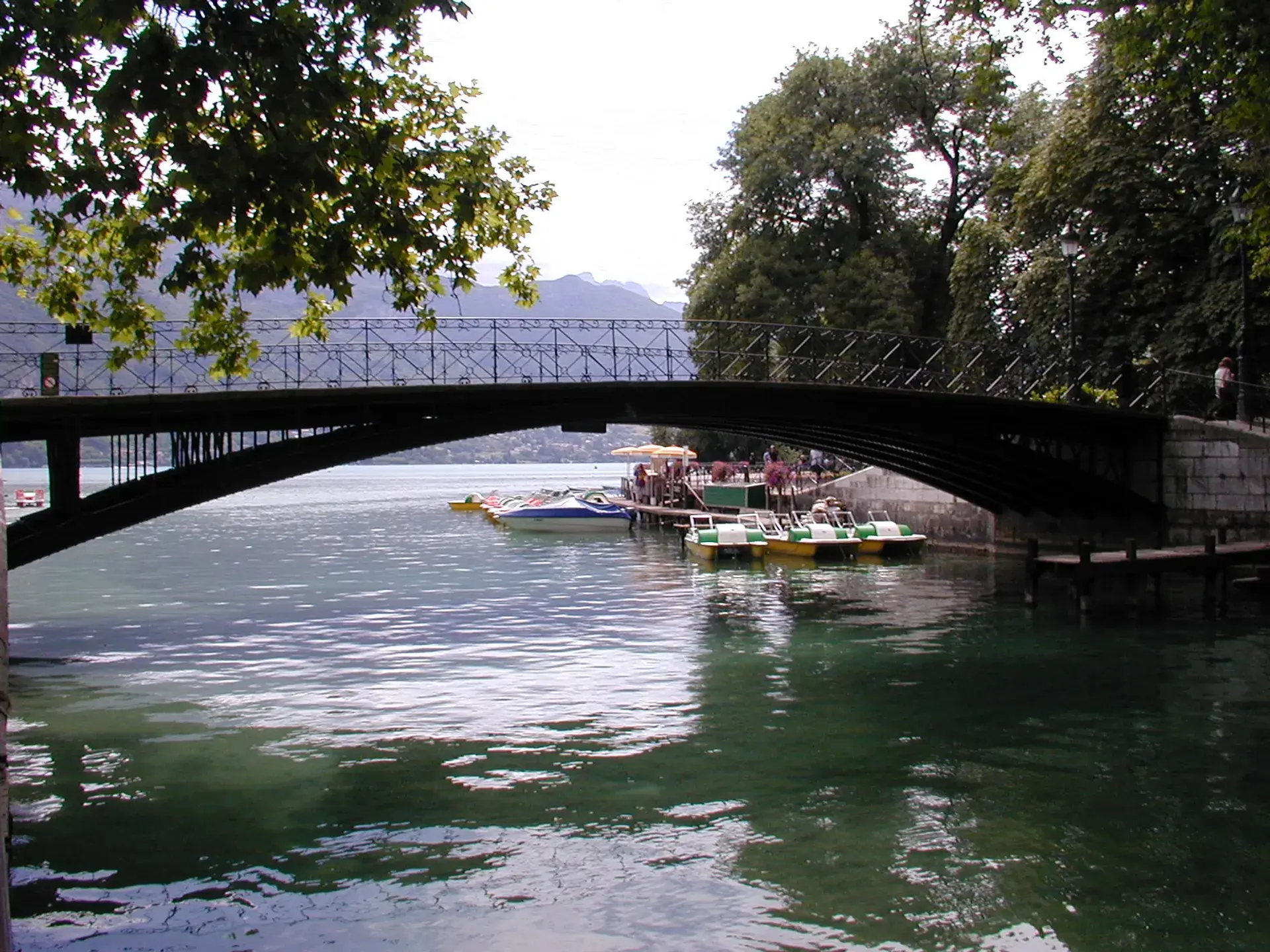
Behold the breathtaking expanse of Lake Annecy, famed for its crystal-clear turquoise waters stretching dramatically towards the surrounding mountains. This perialpine lake in Haute-Savoie, France, was formed by melting alpine glaciers around 18,000 years ago. It spans approximately 14 kilometers in length and 3.2 kilometers in width, with a maximum depth of 82 meters. Its surface sits 447 meters above sea level, and its sole outflow is the Thiou River.
A Storied History
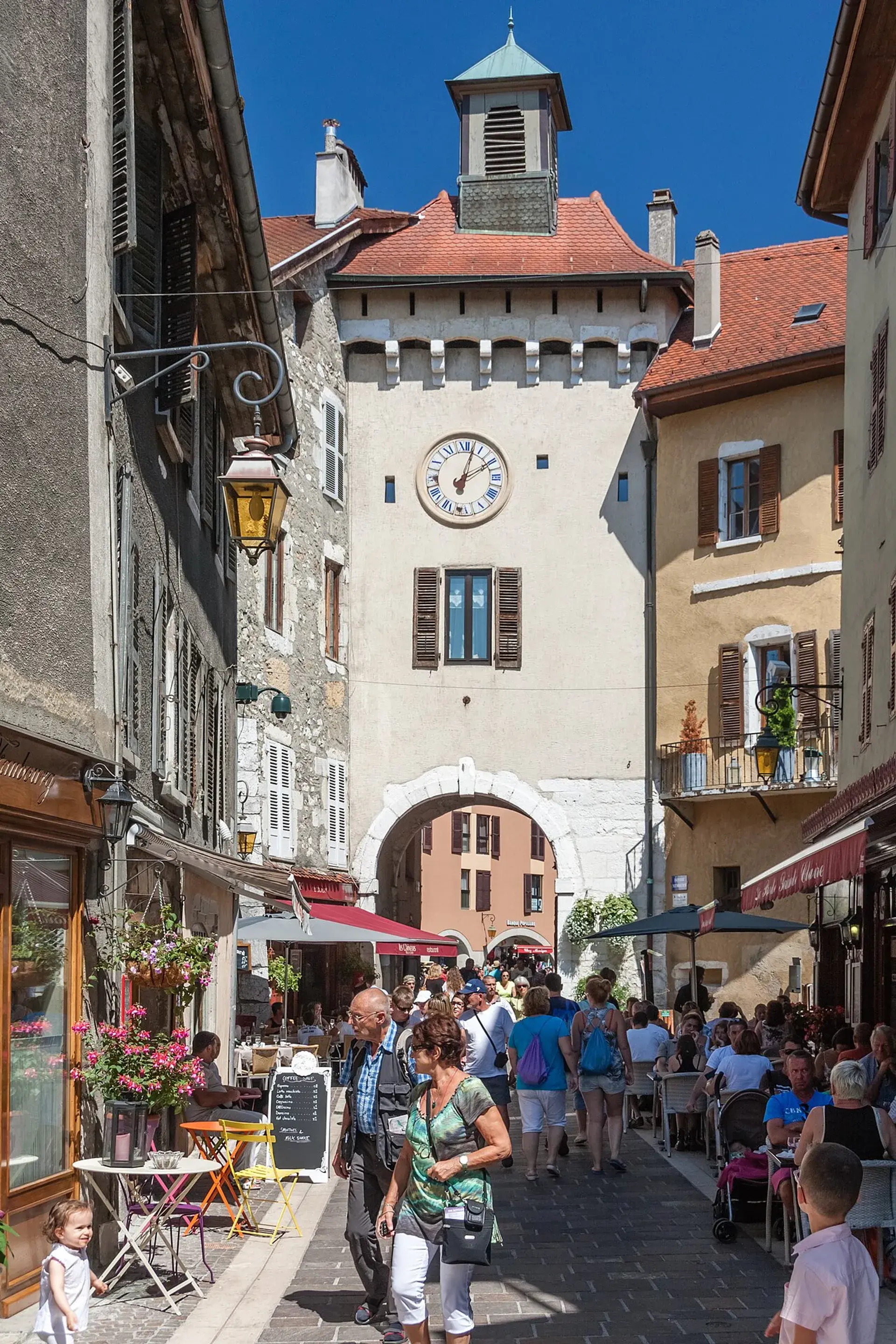
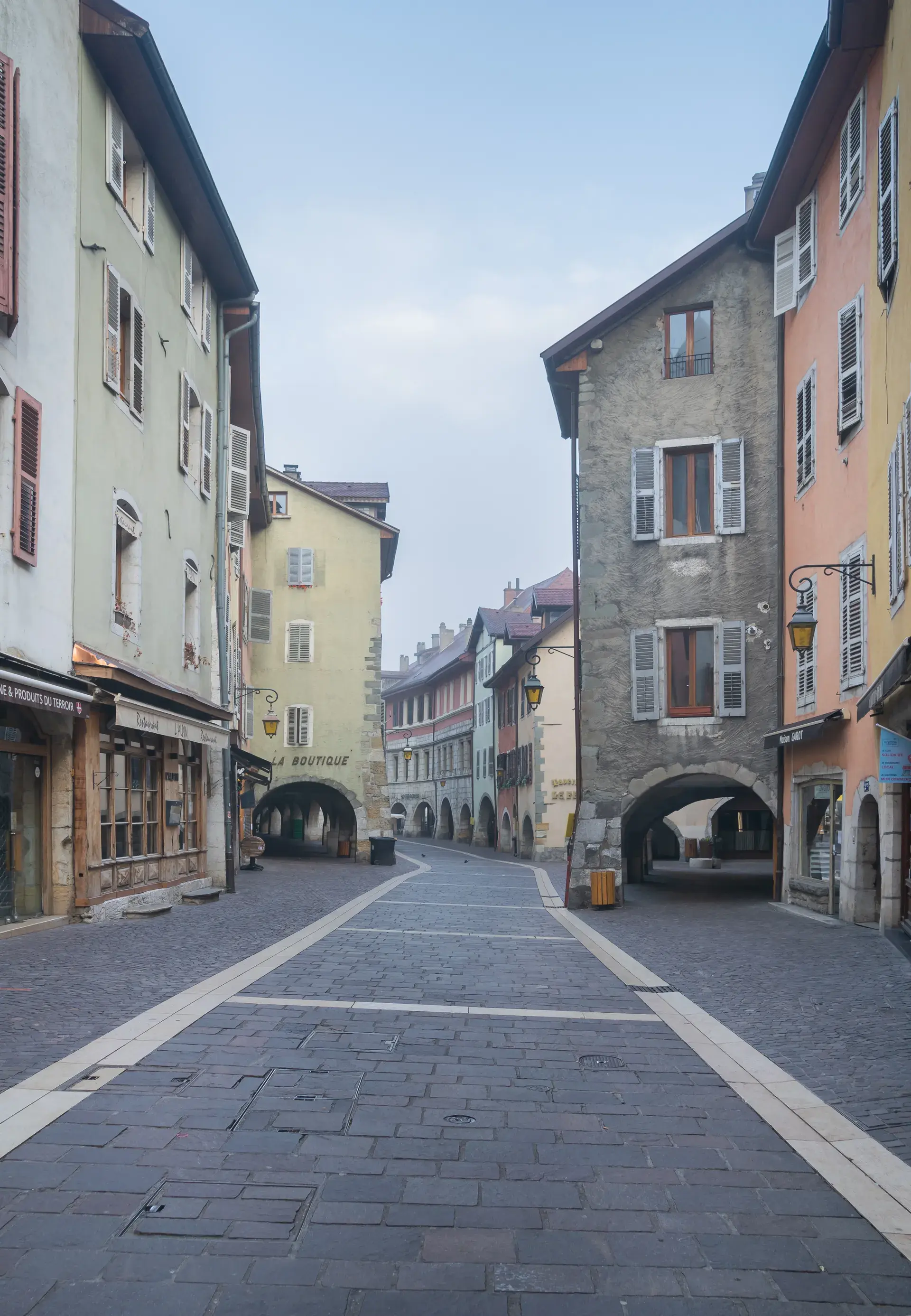
The shores of Lake Annecy have been inhabited since the Neolithic period, with evidence of lakeside villages dating to 3100 BC. The Roman town of Boutae, a precursor to modern Annecy, was established around 50 BC. During the Middle Ages, the town's development was closely tied to the Thiou River, which powered hundreds of mills for industries like grain milling, tanning, and metalwork, earning Annecy the nickname 'Venice of the Alps'.
However, this industrialization, combined with urban growth, led to severe pollution by the 19th century. The Thiou effectively became an open sewer, and the lake's health deteriorated dramatically.
From Pollution to Purity: An Environmental Triumph
The post-World War II era saw pollution worsen to the point that by the 1960s, Lake Annecy was considered one of Europe's most polluted lakes, almost 'condemned to remain unhealthy forever'. This crisis spurred a remarkable civic and scientific response. Spurred by the advocacy of limnologist Dr. Paul Louis Servettaz and spearheaded by Annecy's Mayor Charles Bosson, a monumental clean-up was initiated.
In 1957, the Syndicat intercommunal du lac d'Annecy (SILA) was formed. The organization undertook an ambitious project, costing the equivalent of 350 million euros today, to build 47 kilometers of collection pipes and 190 kilometers of new sewer lines. Completed by 1976, this system diverted all wastewater away from the lake for treatment. The effort was a resounding success, and by the early 1990s, Lake Annecy was recognized as one of Europe's purest lakes, a global model for ecological restoration.
Modern Recreation and Preservation
Today, Lake Annecy is a vibrant recreational center. Its pristine waters are popular for swimming, sailing, water skiing, paddleboarding, rowing, and scuba diving. A dedicated cycle path, the Voie Verte, encircles much of the lake for cyclists and walkers. Fishing is also a common activity, regulated by the Annecy Lac Peche association.
The lake's beaches and green spaces are cherished local amenities for picnics and relaxation. The ongoing work of SILA, which now includes 113 communes, ensures the preservation of the water quality that makes the lake a celebrated natural treasure.
Notable Features and Visitors
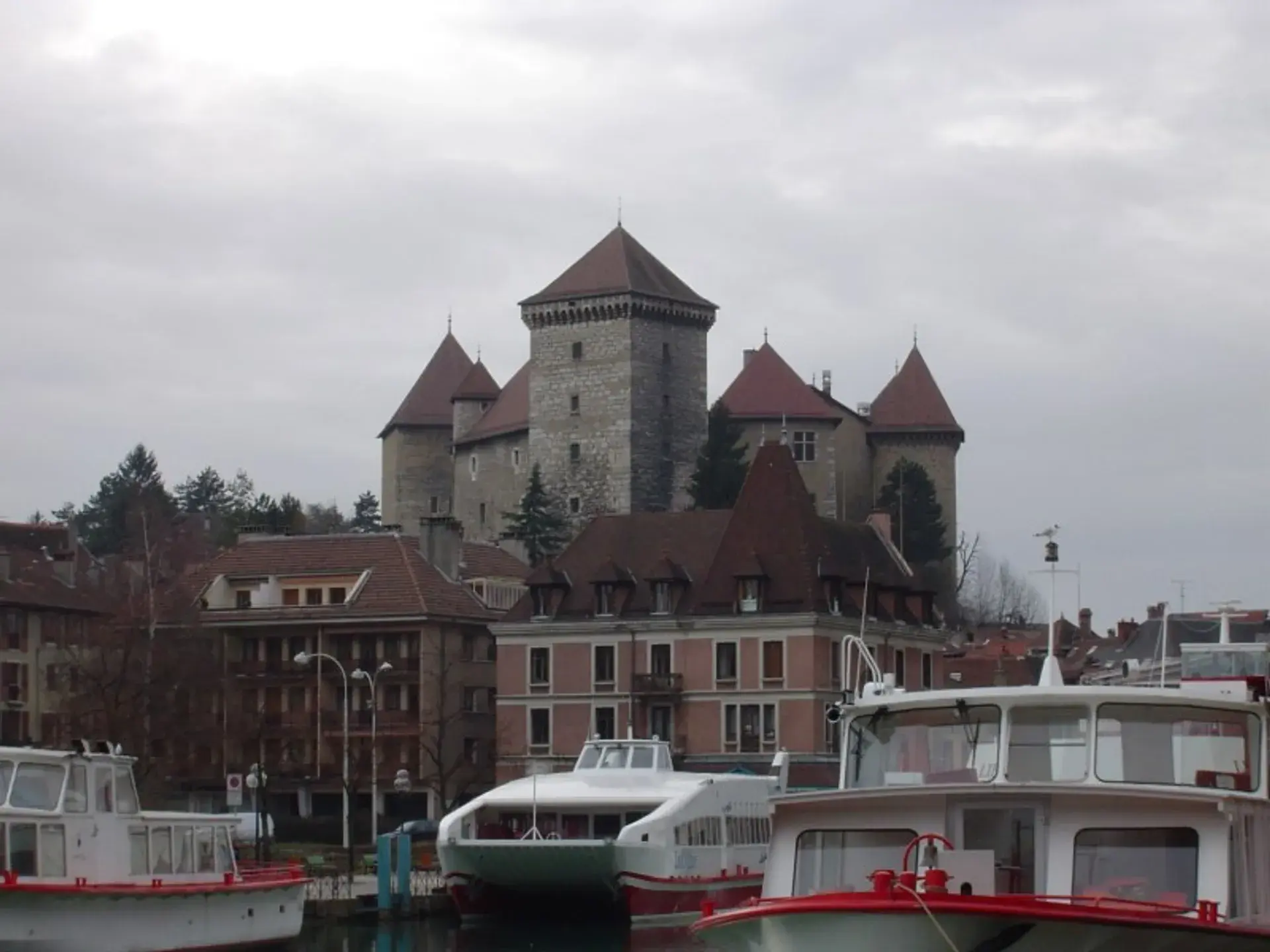
Lake Annecy holds several unique distinctions. Its outflow, the Thiou, is one of France's shortest rivers at just 3.6 kilometers. A powerful underwater spring known as the Boubioz, located 82 meters deep, is a major source of the lake's water. The picturesque Château de Menthon-Saint-Bernard on its eastern shore is believed to have inspired the castle in Disney's "Sleeping Beauty."
Throughout its history, the lake has attracted notable figures. Philosopher Jean-Jacques Rousseau lived in Annecy in the 18th century, American writer Mark Twain visited in 1891, and artist Paul Cézanne painted his famous work 'Le Lac Bleu' here in 1896.
FAQ
How did Lake Annecy become so clean?
Once one of Europe's most polluted lakes, Lake Annecy was saved by a massive civic project in the 1970s. A comprehensive sewer and pipeline system was built to divert all wastewater away from the lake for treatment, leading to its dramatic recovery.
How was Lake Annecy formed?
Lake Annecy is a perialpine lake that was formed approximately 18,000 years ago by the melting of large alpine glaciers.
What is the main outflow of Lake Annecy?
The lake's sole outflow is the Thiou River. At only 3.6 kilometers (2.2 miles) long, it is one of the shortest rivers in France.
Have any famous people been associated with Lake Annecy?
Yes, the lake and its surroundings have attracted many notable figures, including philosopher Jean-Jacques Rousseau, writer Mark Twain, and artist Paul Cézanne, who painted 'Le Lac Bleu' there in 1896.