Couvent des Cordeliers: Avignon's Ruined Monastery
The surviving ruins of the Couvent des Cordeliers offer a poignant glimpse into Avignon's past. Once a grand Franciscan monastery, its remaining walls stand as a testament to centuries of spiritual significance, political turmoil, and eventual transformation.
A Center of Medieval Life
The Couvent des Cordeliers was established by the Franciscan order, known as the Cordeliers, around 1226. They initially settled near the Sorgue River, outside the city's medieval ramparts. Construction on their expansive church began in 1233 and was completed by 1350, featuring a single nave with side chapels, a style typical of Avignon's ecclesiastical architecture.
The convent quickly became a prestigious burial site for Avignon's elite merchants and prominent families. Its construction was supported by local patrons, such as Raymonde de Sade, a merchant's wife who in 1298 donated half of her own clothes to fund the project.
Papal Intrigue and Poetic Legend
During the 14th-century Avignon Papacy, the convent's importance grew. It became a venue for internal Franciscan disputes, with Pope John XXII reportedly detaining figures like Michel de Césène and Guillaume d'Ockham within its walls.
The site is famously linked to Laure de Noves, the muse of the poet Petrarch, who is believed to have been interred in the de Sade family vault inside the church in 1348. This legend was strengthened in 1532 by the alleged discovery of a medal and a sonnet by Petrarch in a tomb. The convent's prominence continued for centuries, even hosting a visit from King Louis XIV to its 17th-century cloister in 1660.
Revolution and Ruin
The convent's history took a dark turn during the French Revolution. On October 16, 1791, a revolutionary notary named Nicolas Lescuyer was assassinated on the church's altar. This event became the catalyst for the infamous 'massacres de la Glacière'.
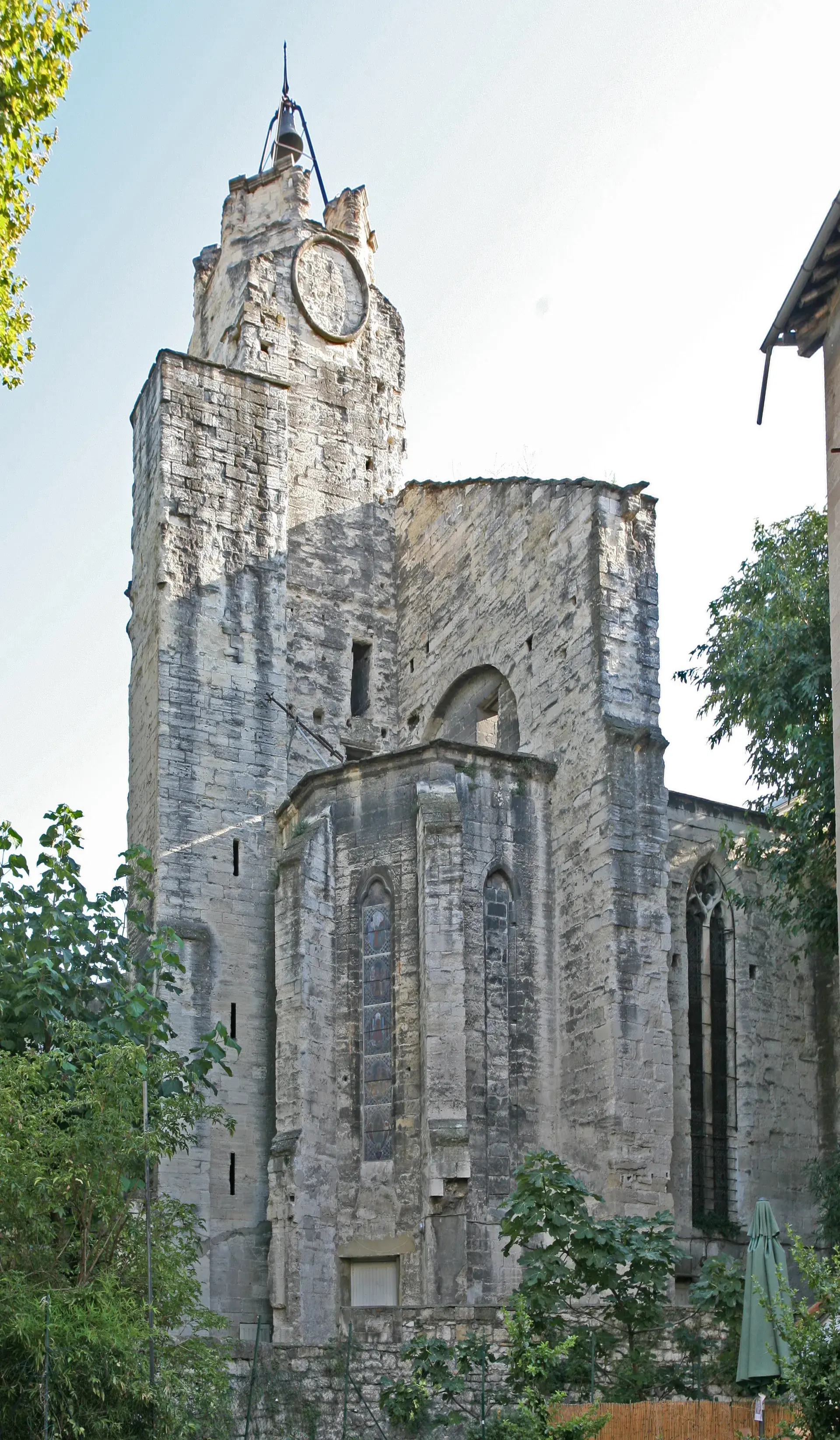
Following this period of upheaval, the convent was suppressed in 1791. Its assets were sold, and the grand monastic complex was almost entirely destroyed by 1806. All that was left standing were the apse chapel and a severely eroded bell tower.
The Convent Today
Today, the few remaining fragments of the Couvent des Cordeliers are integrated into the campus of the Lycée Saint-Joseph, a high school built on the site in the mid-19th century. These remnants serve as a physical link between Avignon's medieval past and its present. While much of the original complex is gone, parts of the site are accessible to the public, offering a unique look at a place that has been profoundly reshaped by history.
FAQ
What remains of the Couvent des Cordeliers today?
Only fragments of the original monastery survive, including an apse chapel and a severely eroded bell tower. These remnants are now incorporated into the campus of the Lycée Saint-Joseph, a high school built on the site in the mid-19th century.
Who was famously associated with the Couvent des Cordeliers?
Laure de Noves, the celebrated muse of the Italian poet Petrarch, is traditionally believed to have been buried in the church in 1348. The convent was also a significant burial site for many of Avignon's prominent families.
What role did the Couvent des Cordeliers play in the French Revolution?
The convent was the site of a pivotal event on October 16, 1791, when revolutionary notary Nicolas Lescuyer was assassinated on the church's altar. This act triggered the 'massacres de la Glacière'. The convent was suppressed by the revolutionary government later that year.
Why was the convent important during the Avignon Papacy?
During the 14th century, the convent's prominence grew with the papal court in Avignon. It was even used by Pope John XXII to detain key figures in an internal Franciscan dispute, including Michel de Césène and Guillaume d'Ockham.