Place St Didier: Avignon's Historic Gothic Heart
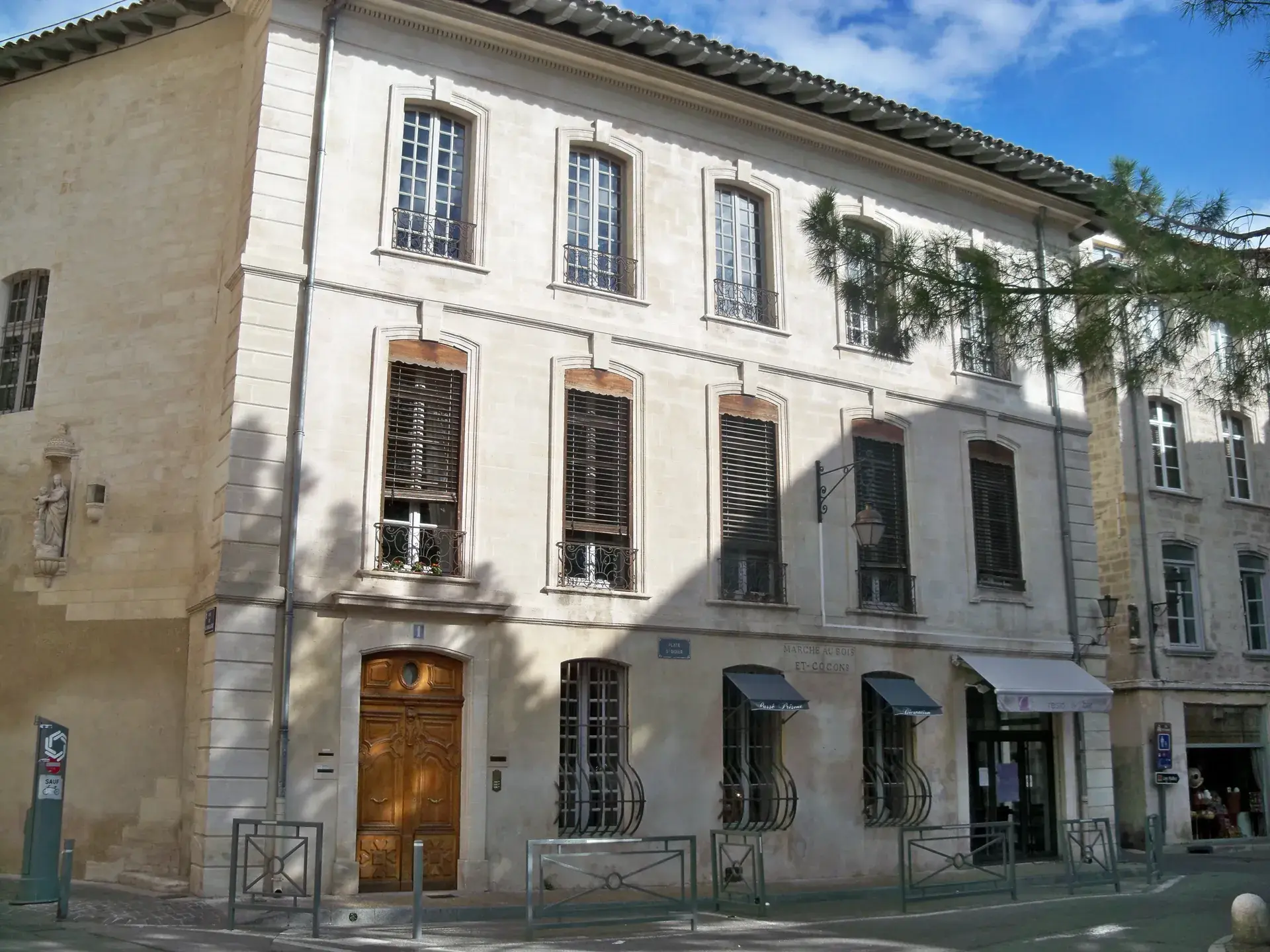
Place St Didier is a vibrant, historic square in Avignon, framed by ancient buildings and centered around the formidable Église Saint-Didier. For centuries, this location has been a focal point of city life, offering a window into Avignon's rich religious and artistic heritage.
A Masterpiece of Meridional Gothic Architecture
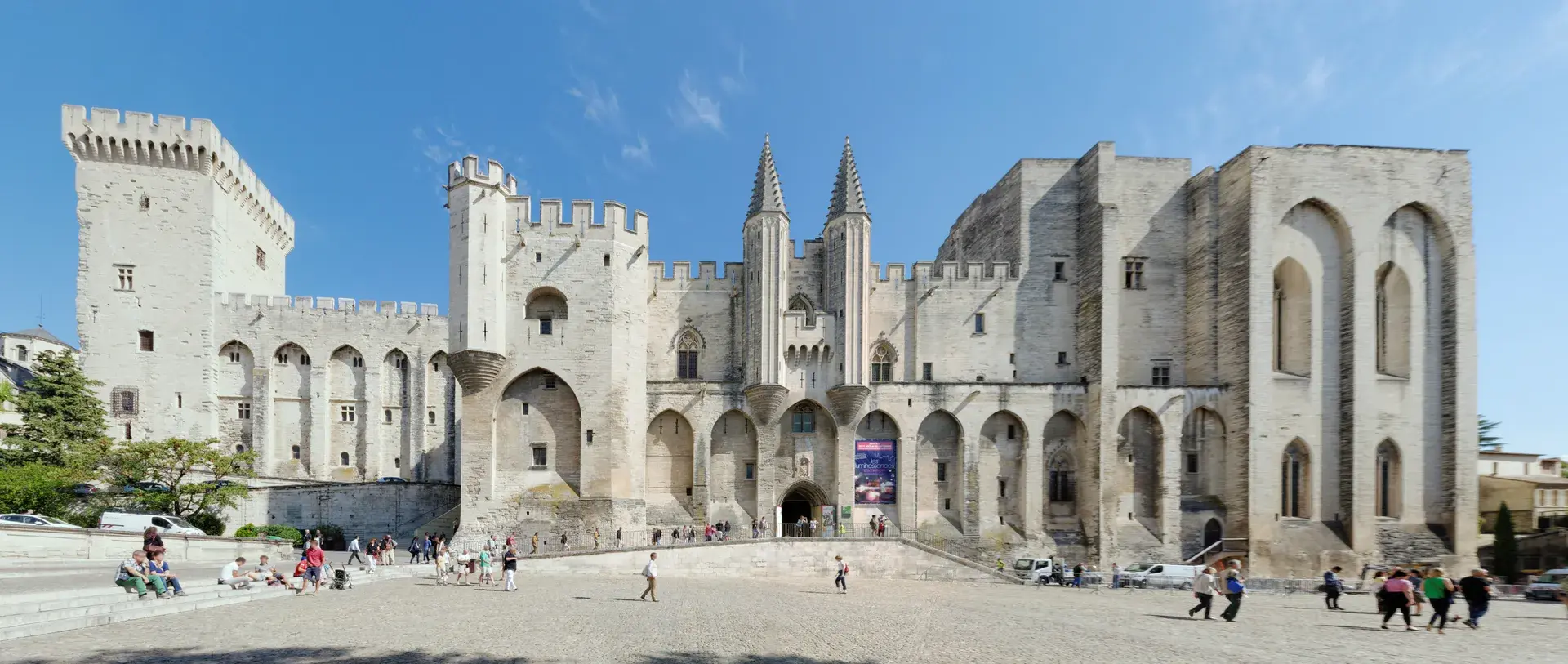
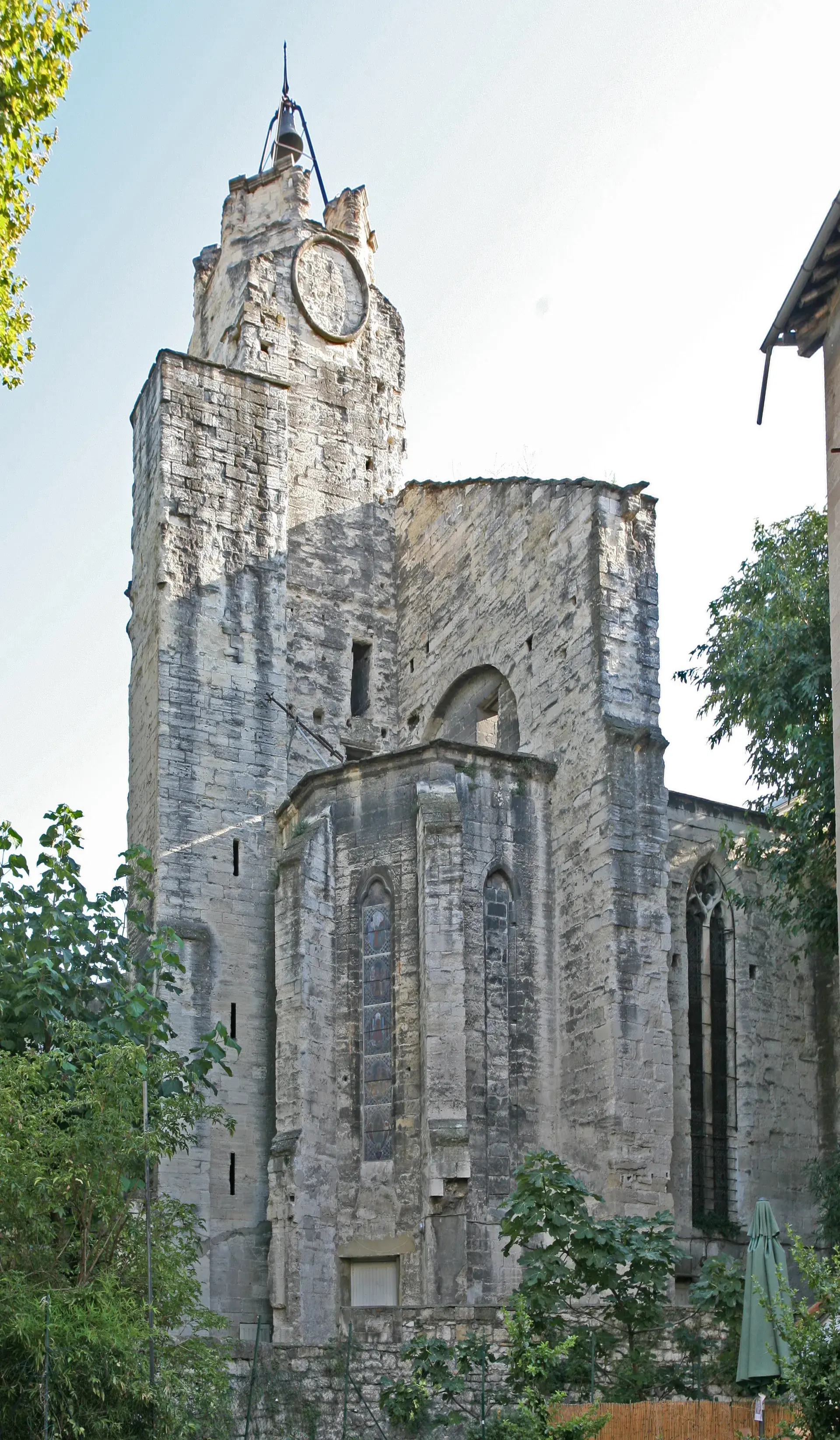
The Église Saint-Didier that stands today was constructed between 1356 and 1359, replacing an earlier church whose origins may trace back to the 7th century. The project was initiated through the will of Cardinal Bertrand de Deaux, who intended it to be his burial place. Its construction was led by master mason Jaume Alasaud, a figure also known for his work on the famous Palais des Papes.
The church is a prime example of the Meridional Gothic style, characterized by its robust structure, harmonious proportions, and a sober design inspired by Cistercian simplicity. The building features a distinct flat and square form without transepts. In recognition of its historical and architectural importance, the church was designated a historic monument on July 27, 1983.
Renaissance Art and Royal Patronage
Inside the church, visitors can find one of France's earliest examples of Renaissance art. The bas-relief titled 'The Carrying of the Cross' was sculpted by Francesco Laurana in 1478. This significant piece was commissioned by King René and was originally intended for the high altar of the Church of the Celestines. It is now housed in the first chapel on the right within Saint-Didier.
The church also holds the relics of important figures, including Saint Pierre de Luxembourg and Saint Bénézet, the legendary builder of the Pont d'Avignon. Saint Bénézet's bones were relocated here in 1669 after floods destroyed part of his original burial site on the bridge.
A Post-Revolution Transformation
A surprising aspect of the church's history occurred after the French Revolution. During this tumultuous period, many of its original furnishings were confiscated and lost. To refurnish the interior, a number of items, including altars and statues, were acquired from the nearby Célestins church. This means much of what is seen inside today is 'second-hand,' telling a story of survival and adaptation.
Place St Didier Today
Today, Place St Didier is a lively, pedestrianized public square that serves as a heart of local life. Surrounded by charming cafés and sometimes hosting bustling markets, it is a popular spot for both residents and tourists. The Église Saint-Didier remains an active Catholic place of worship and is open for public visits, offering a peaceful retreat and a direct connection to Avignon's medieval past.
FAQ
When was the Église Saint-Didier built?
The current Gothic Église Saint-Didier was constructed between 1356 and 1359. It stands on the site of an earlier church that was first documented in 1008.
What is special about the art inside the Église Saint-Didier?
The church houses 'The Carrying of the Cross,' a bas-relief by Francesco Laurana from 1478. Commissioned by King René, it is considered one of France's earliest and most important works of Renaissance art.
Why are many of the furnishings in the Église Saint-Didier not original?
Following the French Revolution, the church's original furnishings were confiscated. The interior was later refitted with altars, statues, and other items acquired from the Célestins church.
Is it free to visit Place St Didier and its church?
Yes, the square is a public space, and entry to the Église Saint-Didier is free. The church is typically open daily from 10 am to 6 pm, except on Sundays.