Rue des Teinturiers: Avignon's Historic Street of Wheels
The Industrial Heart of Old Avignon
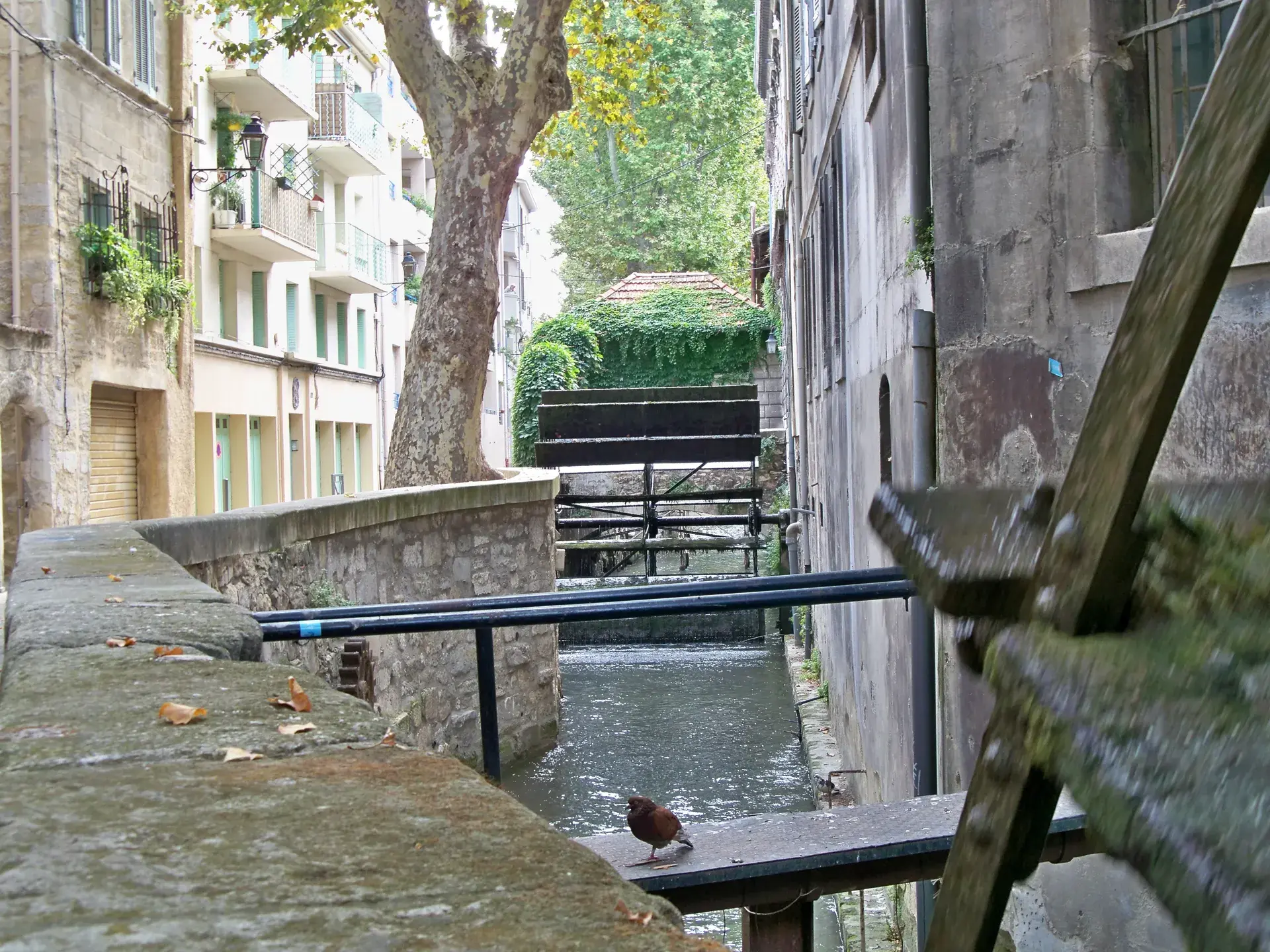
Located in Avignon's historic center, Rue des Teinturiers, or 'Street of the Dyers,' is a picturesque cobblestone lane that runs alongside a canal of the Sorgue river. Shaded by large plane trees, the street is famous for the large, moss-covered waterwheels that are remnants of its industrial past. Officially named in 1843, this street was the epicenter of Avignon's textile industry from the 14th to the 19th centuries. The entire historic center of Avignon, including this street, was designated a UNESCO World Heritage site in 1995.
Before its current name, the street was known by many others, including 'Rue du Cheval-Blanc' and 'Rue des Pénitents Gris'. Its unique pavement is made of pebbles sourced from the Durance river.
A History Powered by Water
The street's development was driven by the consistent flow of the Sorgue canal, which was engineered to bring water into the city. Beginning around 1440, water mills were installed to power dyeing workshops. The water, originating from the Fontaine de Vaucluse, was prized for its purity, making it ideal for the dyeing process. The textile industry, which included dyers, cleaners, and tanners, reached its peak in the 17th century. At one point, mulberry trees lined the street to feed the silkworms for local silk production.
While there were 23 operating waterwheels in 1817, only four remain today as historical monuments. The street also saw turmoil, including the 1791 assassination of revolutionary Nicolas Lescuyer, which was a precursor to the Massacres of La Glacière.
Landmarks and Notable Figures
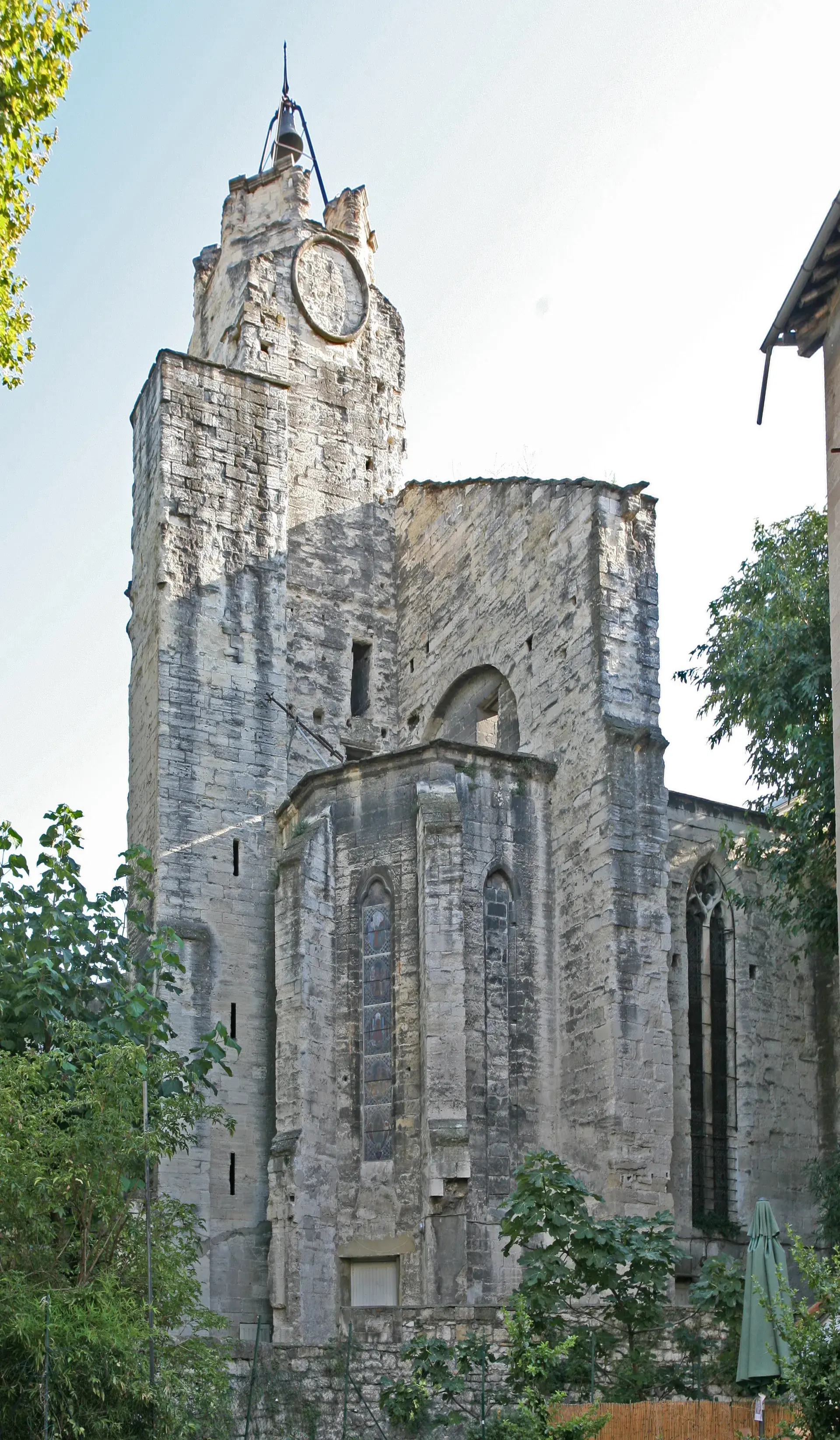
Rue des Teinturiers is home to significant historical architecture and was once the residence of several famous individuals. The Maison du IV de Chiffre, a Gothic house built in 1493, features a mysterious monogram on its facade whose meaning has never been definitively solved. The Chapel of the Grey Penitents is known for a reported miracle in 1433, when floodwaters are said to have parted to save the Blessed Sacrament.
Renowned naturalist Jean-Henri Fabre lived at number 14 from 1855 to 1871, where he advised Louis Pasteur on silkworm diseases. Other historical figures connected to the street include King Louis VIII, who founded the Confrérie des Pénitents Gris in 1226, and Jules-François Pernod, creator of the eponymous alcoholic drink. The nearby ruins of the Cordeliers convent may be the burial site of Laura of Noves, the muse of the poet Petrarch.
The Street in Modern Times
Today, Rue des Teinturiers offers a tranquil atmosphere compared to Avignon's main squares. It is lined with cafes, small restaurants with outdoor terraces by the canal, bookshops, and artisan boutiques. The street transforms into a lively hub during the annual Festival d'Avignon, hosting independent theatre groups and performances. Classified as a 'natural monument' since 1932, it remains a tangible link to the city's rich industrial and cultural heritage.
FAQ
Why is Rue des Teinturiers called the 'Street of the Wheels'?
The street is often called the 'Street of the Wheels' because of the large, historic waterwheels that line its canal. These wheels were crucial for powering Avignon's textile and dyeing industry from the 14th to the 19th century.
What is the significance of the water on Rue des Teinturiers?
The street runs alongside a canal of the Sorgue river. This water flow was essential for powering the mills of the textile industry. The water's purity, originating from the Fontaine de Vaucluse, was particularly valued for the fabric dyeing process.
Are there still working waterwheels on the street?
While there were 23 waterwheels in 1817, only four remain today. They are preserved as historical monuments and are no longer operational.
What is the mysterious symbol on the Maison du IV de Chiffre?
The Maison du IV de Chiffre, a Gothic house from 1493, has an enigmatic monogram on its facade. It depicts a heart with a cross of Lorraine and a cross of Saint-André. Its true meaning is lost, with theories suggesting it was a guild trademark, a talisman against the plague, or an alchemical symbol.