Musée du Petit Palais, Avignon: Art & History
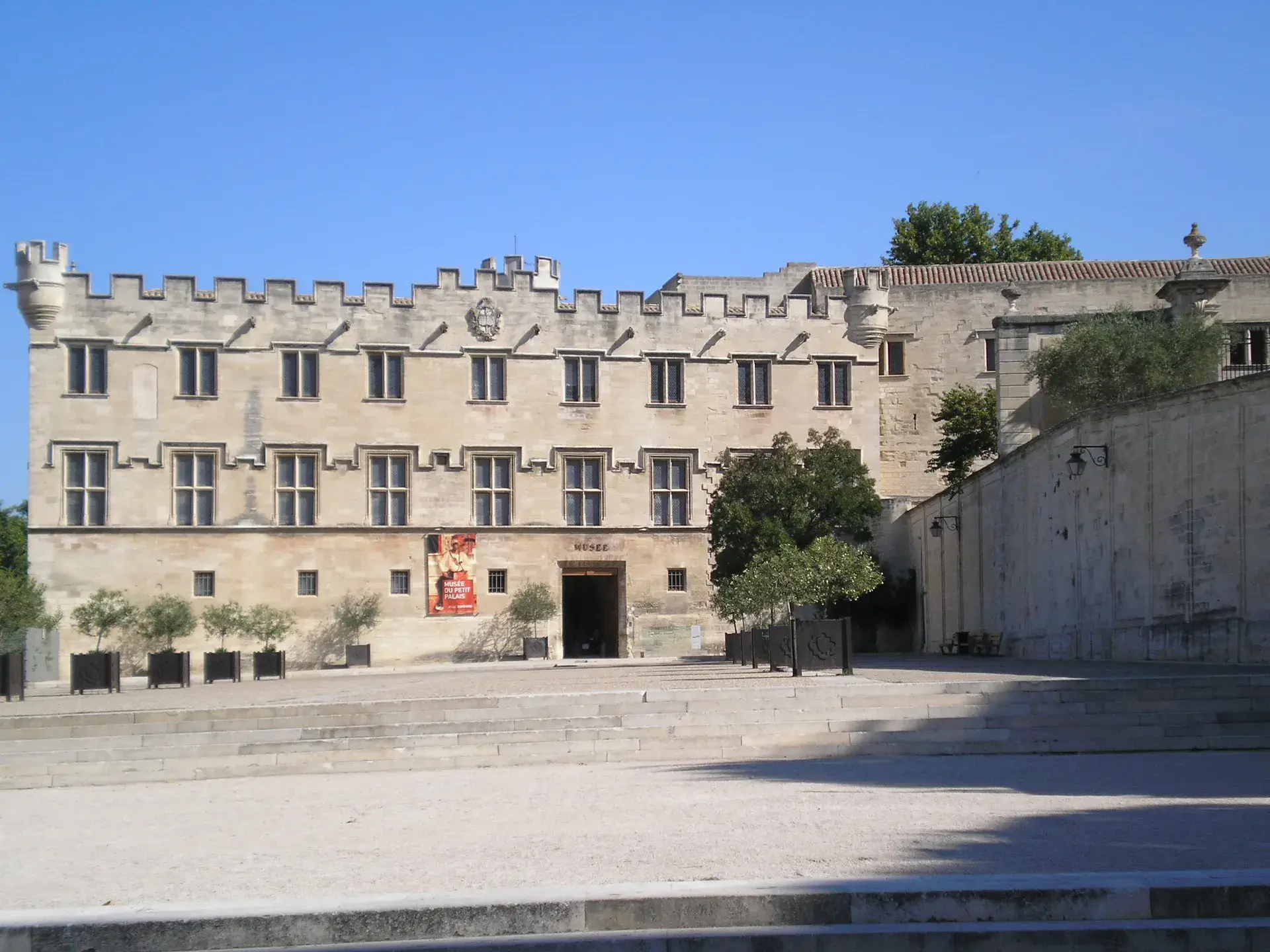
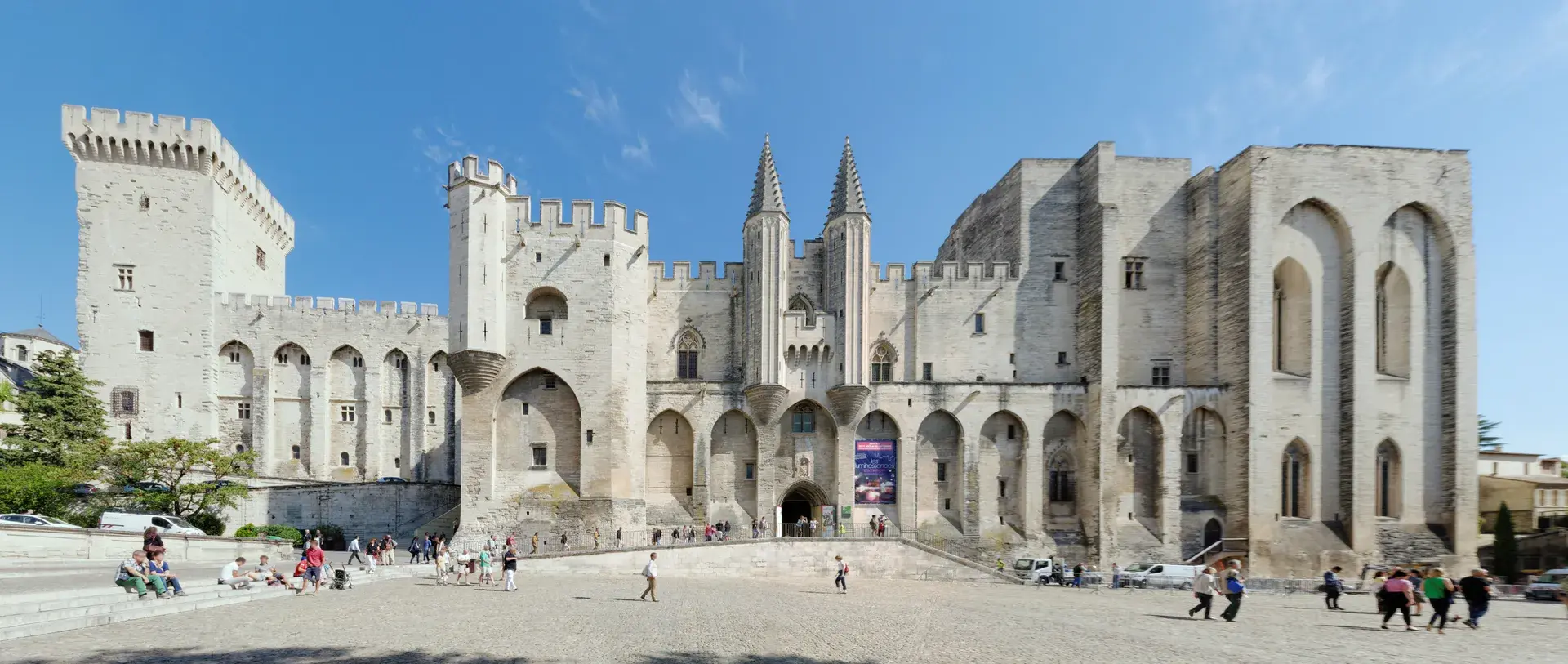
The Musée du Petit Palais in Avignon occupies a grand 14th-century building that now silently guards a world-class collection of early Renaissance masterpieces. Once an archbishop's residence, this historic structure is an integral part of Avignon's UNESCO World Heritage-listed historic center, standing as a complement to the nearby Palais des Papes.
From Palace to Citadel
The building's origins trace back to 1318-1320, when it was constructed as a residence for the archbishops of Avignon. It was later expanded and, by 1335, acquired by Pope Benedict XII to serve as the episcopal palace, earning it the nickname 'Petit Palais'. Its history took a dramatic turn during the Western Schism (1396-1411) when it was converted into a fortified citadel. This period of conflict left the building so heavily damaged that it was described as 'a wreck'.
Renaissance Rebirth and Museum Transformation
In the late 15th century, the palace underwent significant restoration, largely directed by Giuliano della Rovere, who would later become Pope Julius II. These efforts added the Renaissance-style facades visible today. After the French Revolution, the building was nationalized and served various purposes, including as a Catholic secondary school and a technical school during the 19th century.
Declared a historic monument in 1910, the structure underwent a major restoration beginning in 1961 to transform it into a museum. The Musée du Petit Palais officially opened its doors to the public in 1976.
The Museum's Collections
Today, the museum holds the prestigious 'Musée de France' label and is renowned for its exceptional collection of 'primitives'—early Renaissance paintings from Italy and works from the Avignon School. A core part of the collection comes from the 19th-century collector Marquis Campana; after his bankruptcy, 350 of his Italian paintings were acquired by France and deposited in the museum by the Louvre.
Masterpieces within the collection include Sandro Botticelli's 'Madonna with Child' and Vittore Carpaccio's 'Sacred Conversation'. The museum also displays medieval sculptures, such as the tomb of Cardinal Jean de Lagrange and the surviving effigy head from the tomb of Antipope Clement VII, the rest of which was destroyed during the French Revolution.
Visiting the Museum
Access to the permanent collections of the Musée du Petit Palais is free. The museum is typically open six days a week, with closures on Tuesdays and certain public holidays. Its hours are generally from 10:00 a.m. to 1:00 p.m. and from 2:00 p.m. to 6:00 p.m. A tea room is also available on site for refreshments.
FAQ
What is the Musée du Petit Palais known for?
The Musée du Petit Palais is known for its collection of early Renaissance paintings from Italy and the Avignon School, featuring works by artists like Sandro Botticelli. It is housed in a historic 14th-century former archbishop's palace.
Is there an entrance fee for the Musée du Petit Palais?
No, access to the museum's permanent collections is free for all visitors.
What is the history of the building?
Originally built in the 14th century as a residence for archbishops, the building later served as a fortified citadel, a school, and was extensively restored before opening as a museum in 1976. It is now part of a UNESCO World Heritage Site.
Where did the museum's Italian art collection come from?
A significant portion of the collection, including 350 Italian paintings, is from the 19th-century Campana collection. The collection was acquired by the French state and deposited in the museum by the Louvre.