Notre Dame des Doms: Avignon's Historic Cathedral
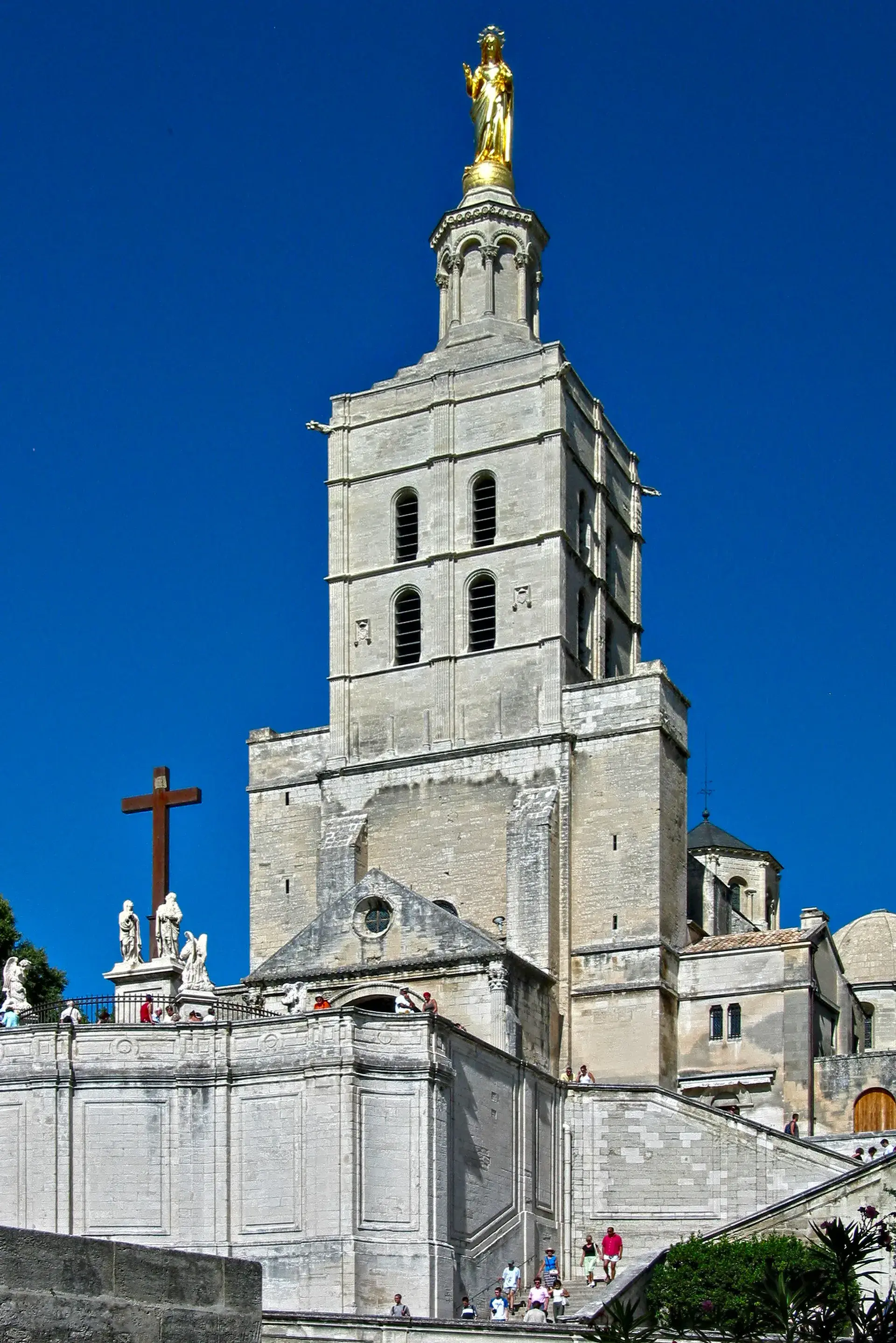
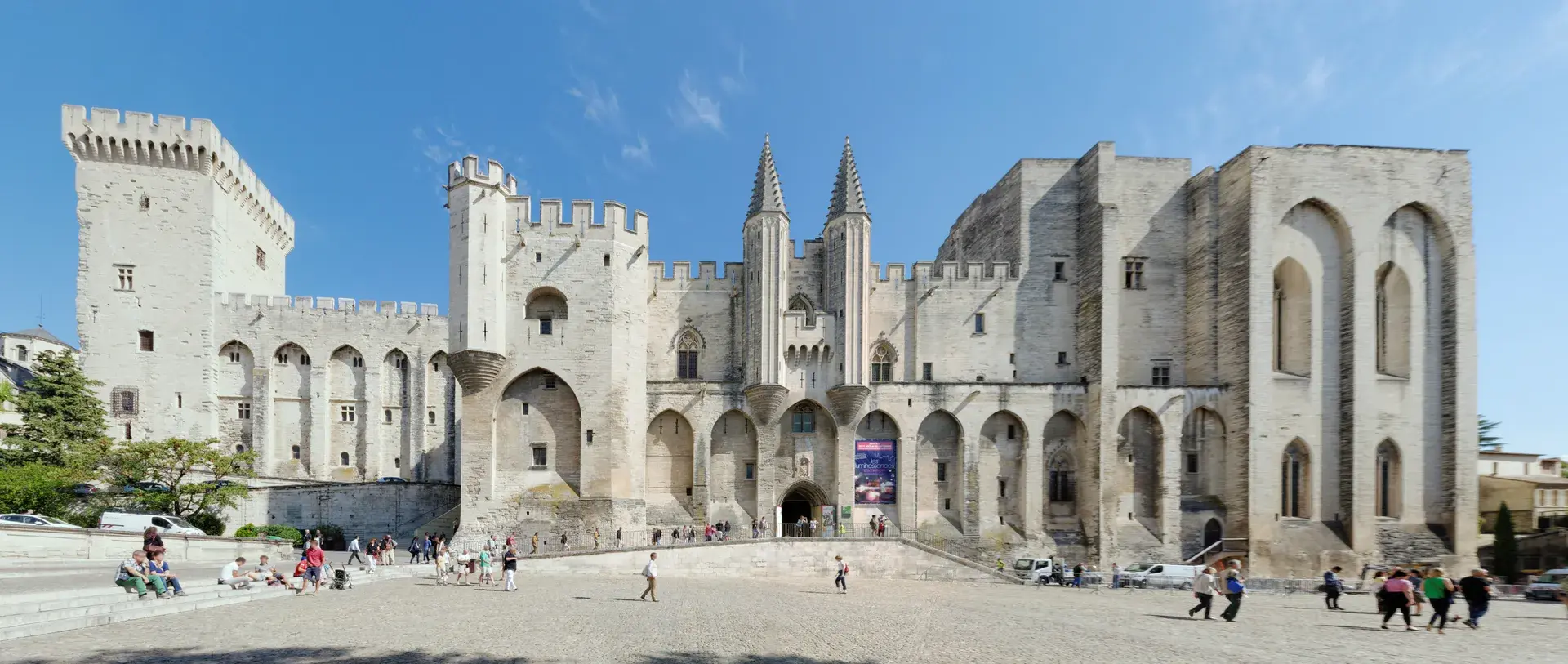
Look up at Notre Dame des Doms, the commanding 12th-century cathedral crowned by a brilliant gilded statue of the Virgin Mary overlooking the city of Avignon. Situated on the Rocher des Doms, a rocky outcrop, this cathedral stands adjacent to the famous Palais des Papes, illustrating the close bond between religious and political power in medieval Avignon.
Architectural History
Avignon Cathedral was primarily constructed in the mid-12th century in the Provençal Romanesque style and consecrated on October 8, 1111. It was built on the site of an earlier basilica, which may have dated to the 4th century. Over the centuries, the structure evolved with Gothic and Baroque additions, particularly in its chapels. The bell tower collapsed in 1405 and was rebuilt in 1425. The cathedral's historical and architectural importance is recognized by its classification as a Monument historique in 1840 and its inclusion as part of a UNESCO World Heritage Site in 1995.
The Era of the Avignon Papacy
During the Avignon Papacy from 1309 to 1377, Notre Dame des Doms became a central stage for the papal court. It hosted major religious events, including the coronations of popes like Innocent VI in 1352. Pope John XXII, the longest-serving Avignon Pope, left a significant mark by commissioning enhancements to the interior. His ornate 14th-century Gothic mausoleum remains one of the cathedral's artistic treasures. Another notable artist, Simone Martini, was commissioned in 1336 to create frescoes for the cathedral's porch; preliminary sketches for his work can still be seen above the main door.
The Gilded Statue of the Virgin
One of the cathedral's most defining features is a relatively modern addition. The massive gilded lead statue of the Virgin Mary that crowns the bell tower was installed in 1859. Standing 6 meters (20 feet) tall and weighing 4.5 tons, the statue is a prominent landmark on the Avignon skyline. It was regilded in the year 2000 and is reportedly visible from up to 20 kilometers away.
Interior Treasures
Inside, the cathedral houses several notable features. A 12th-century white marble papal throne, or cathedra, is intricately carved with animal figures symbolizing saints, such as a lion for St. Mark and an ox for St. Luke. The cathedral also contains two distinct organs: a gilded Italianate organ from Lombardy in the gallery and a French-made Cavaillé-Coll organ from 1902 in the choir. Throughout the year, the cathedral's carillon of 35 bells rings out liturgical melodies.
Visiting the Cathedral
Notre Dame des Doms continues to serve as the seat of the Archbishop of Avignon and is an active place of worship. Masses are held daily, with a Sunday service at 10:00 am. The cathedral is open to visitors with no entry fee, though discretion is requested during liturgical services. The building reopened in 2016 after extensive restoration work.
FAQ
Is there an entrance fee for Notre Dame des Doms?
No, entry to the cathedral is free of charge for all visitors.
What is the large golden statue on top of Avignon Cathedral?
The statue is a 6-meter-tall gilded lead depiction of the Virgin Mary. It was added to the bell tower in 1859 and weighs 4.5 tons.
When was Notre Dame des Doms built?
The cathedral was primarily built in the Provençal Romanesque style during the mid-12th century and was consecrated on October 8, 1111. It has undergone additions and modifications in later centuries.
What is the history of the cathedral's name?
The name 'Notre-Dame des Doms' is believed to originate either from 'domus episcopali', meaning 'Bishop's house', or from the 'Rocher des Doms', the rocky hill on which the cathedral is built.