Place Marcou: The Crossroads of Carcassonne's Cité
The Crossroads of the Medieval Fortress
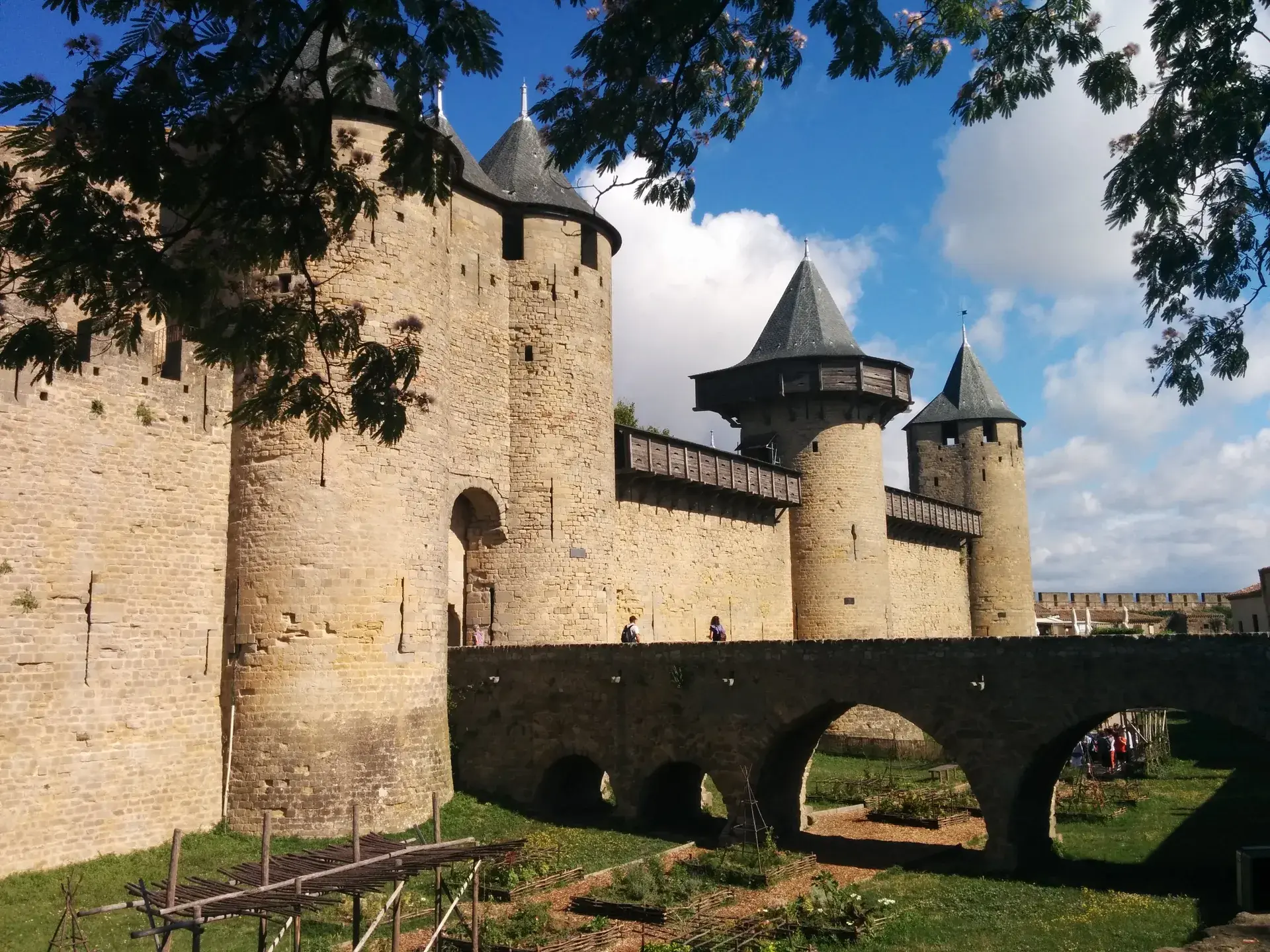
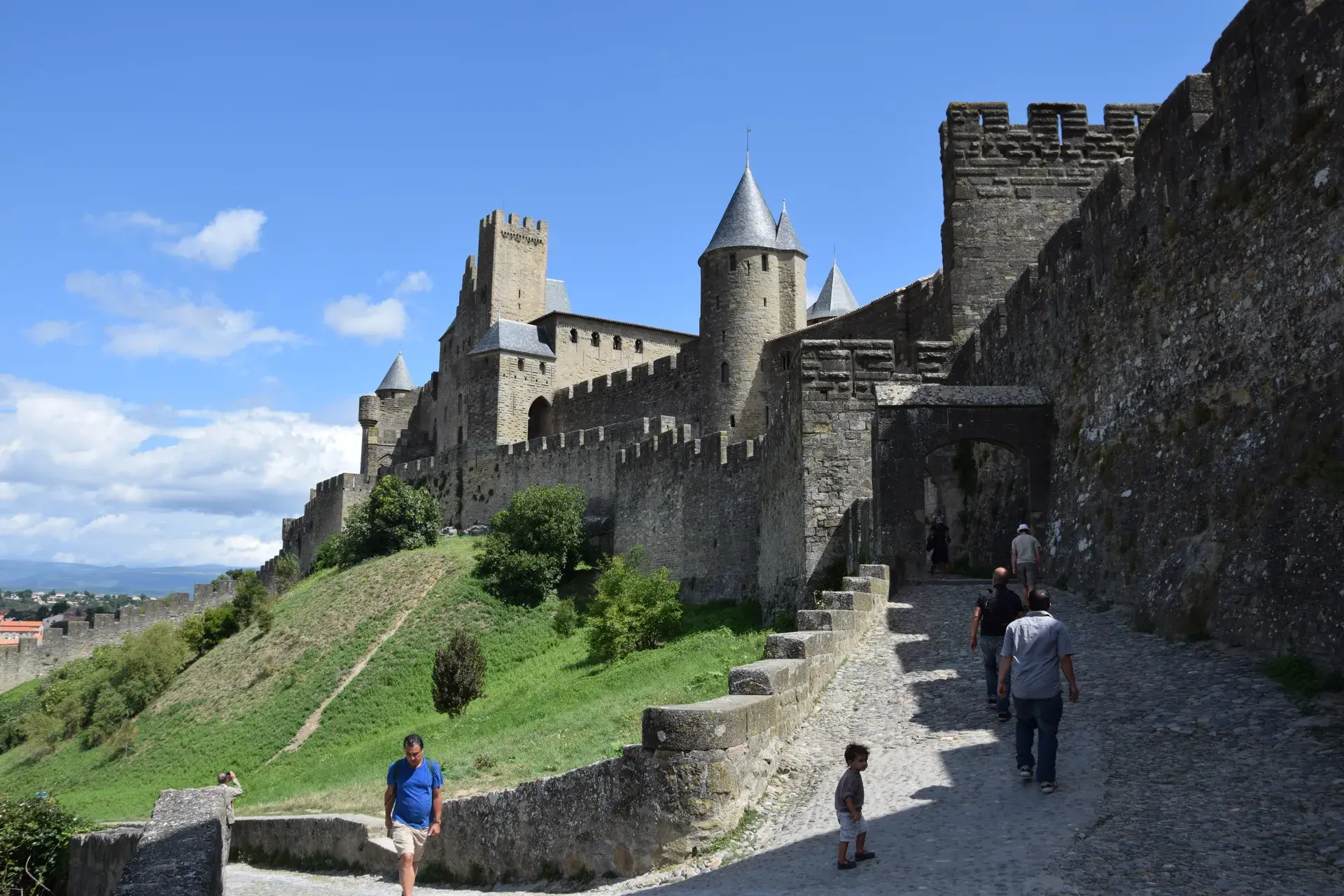
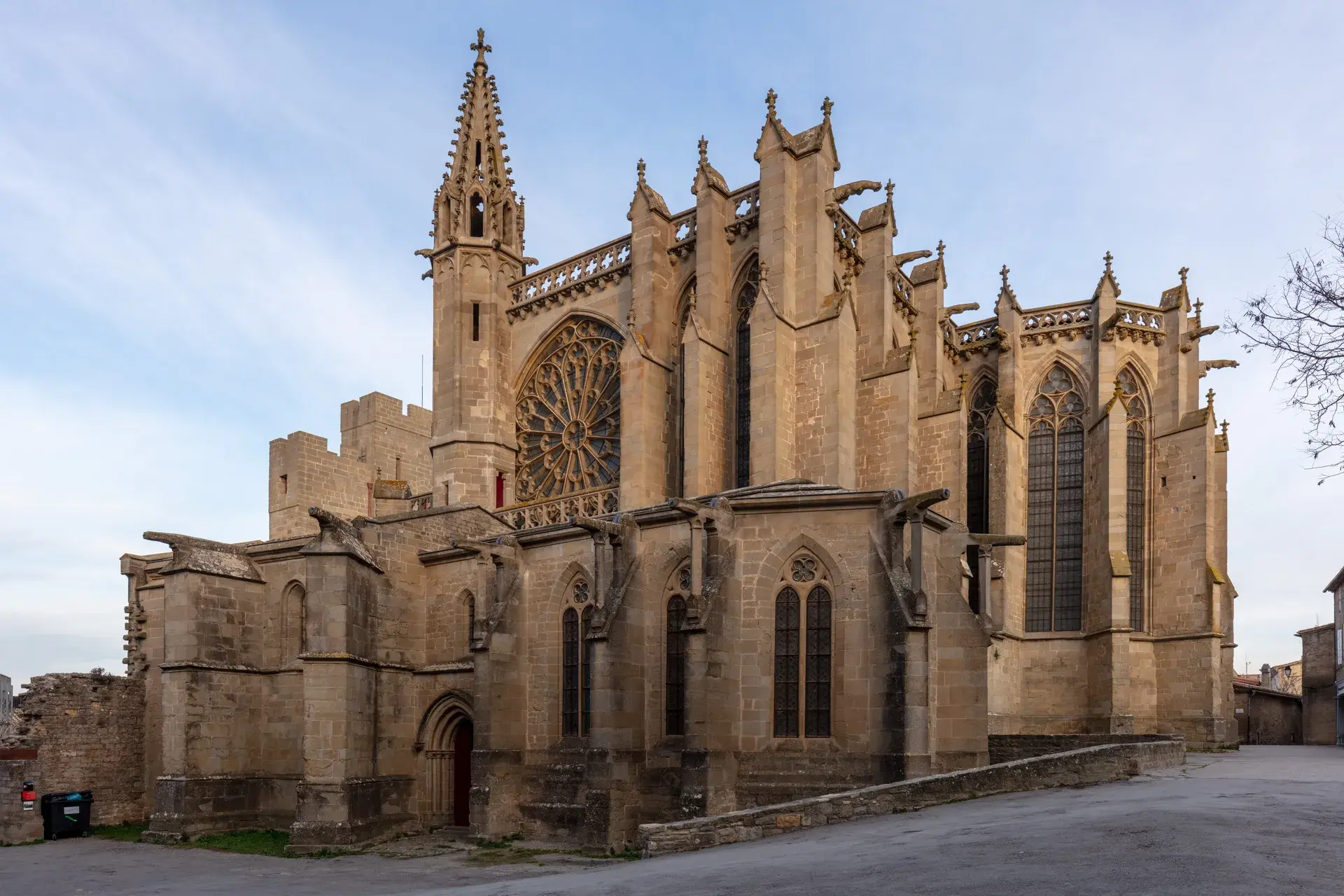
Place Marcou serves as the principal public crossroads and primary open square inside the fortified medieval Cité of Carcassonne. Situated at the junction of key lanes including Rue Saint-Sernin and Rue du Plô, the square connects the fortress's major landmarks: the Porte Narbonnaise, the Château Comtal, and the Basilique Saint-Nazaire.
Within the defensive layout of the medieval city, the plaza marks the primary architectural transition from the eastern military ramparts and entrance gates to the inner civilian and religious quarters.
From Parish Church to Open Plaza
Although Place Marcou possesses the ambiance of a centuries-old market square, its open layout is a modern development. The location was originally named Place Saint-Sernin, occupied by the parish church of Saint-Sernin and its adjoining cemetery. In the 18th century, Bishop Armand Bazin de Bezons ordered the cemetery relocated outside the fortress ramparts to address municipal hygiene.
During the French Revolution in 1793, the church building was demolished, clearing the ground into an open public square. A physical remnant of this religious era still stands: the parish church's former presbytery survived on the southern edge of the plaza and is now incorporated into a restaurant building.
The 19th-Century Water Tower and Civic Monument
Drinking water access was a persistent challenge for the perched citadel. To remedy shortages, municipal architect Léopold Petit constructed a neo-Gothic water tower in the center of the square in 1872 during the tenure of Mayor Théophile Marcou. The tower distributed water pumped directly up from the Aude river to residents inside the walls.
In 1892, a subterranean reservoir was built nearby on Rue du Plô, rendering the central tower unnecessary. The neo-Gothic structure was demolished in 1901 to open the square's center. In its place, the city erected a stone fountain topped with a bronze bust sculpted by Théophile Barrau, inaugurated in 1901 to honor Marcou.
Théophile Marcou was a radical republican lawyer who had fled into exile in Spain under the regime of Napoleon III. He returned to Carcassonne in September 1870 to proclaim the French Third Republic before serving as mayor, deputy, and senator.
Modern Atmosphere and Dining Hub
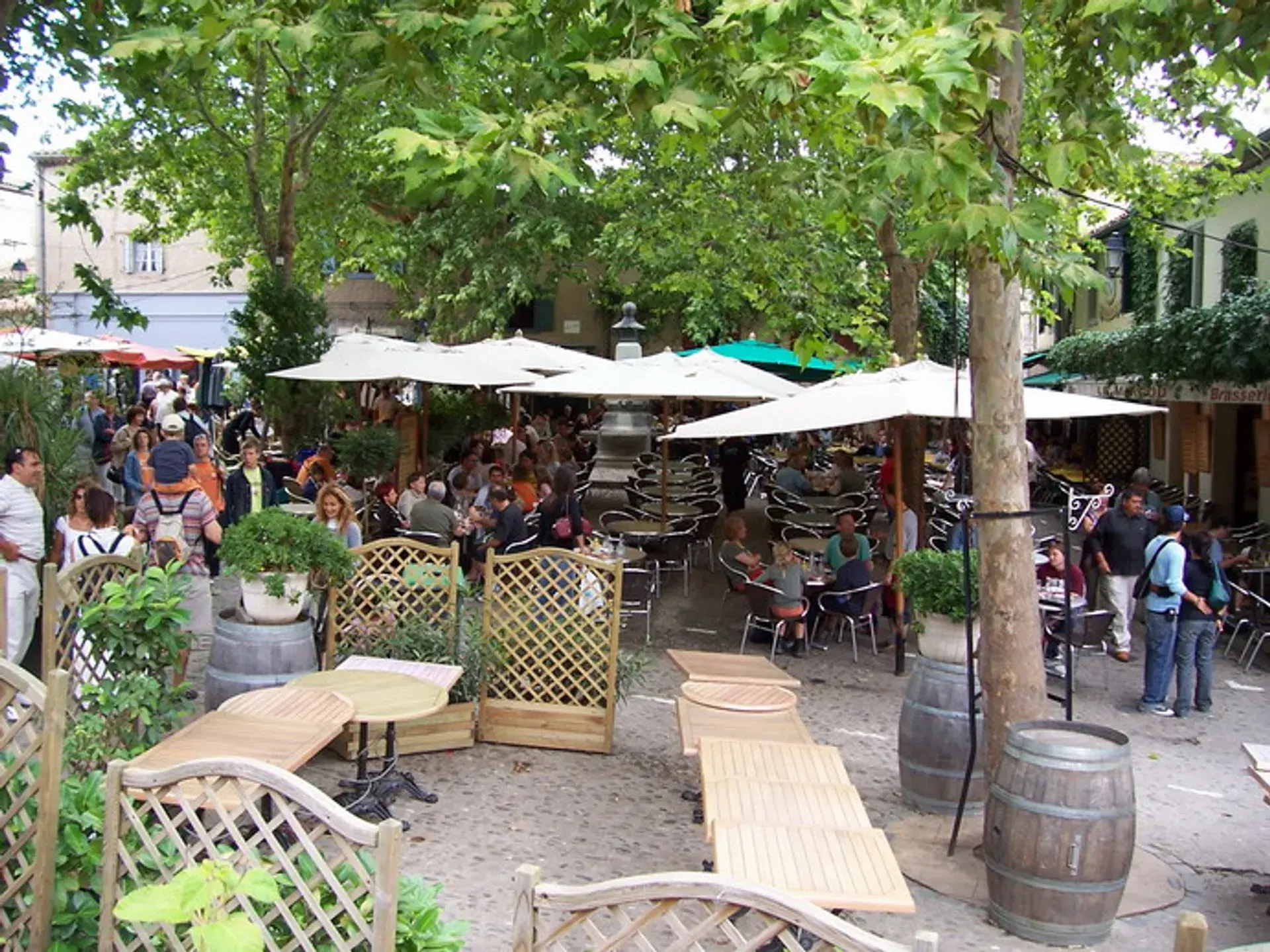
Today, Place Marcou functions as the social and culinary center of the Cité. Mature plane trees canopy the square, shading outdoor dining terraces framed by stone and timber-clad buildings.
The area operates as an orientation hub and pedestrian resting spot. Brasseries and cafés serve regional culinary staples such as cassoulet prepared with confit duck and baked haricot beans, while the central 1901 fountain trickles beneath the trees.
FAQ
Who was Théophile Marcou?
Théophile Marcou was a radical republican lawyer, journalist, and politician who lived in exile in Spain under Napoleon III. He returned to Carcassonne in September 1870 to proclaim the French Third Republic and later served as the city's mayor, as well as a deputy and senator.
What stood on Place Marcou before it became an open square?
The site was originally occupied by the parish church of Saint-Sernin and a cemetery. The cemetery was relocated outside the ramparts in the 18th century, and the church was demolished during the French Revolution in 1793.
Why was a water tower built in the center of the square?
In 1872, municipal architect Léopold Petit built a neo-Gothic water tower on the square to resolve drinking water shortages in the hilltop fortress by pumping water up from the Aude river. It was demolished in 1901 after an underground reservoir opened on Rue du Plô.