Quartier des Tanneurs: Colmar's Restored Tanner Houses
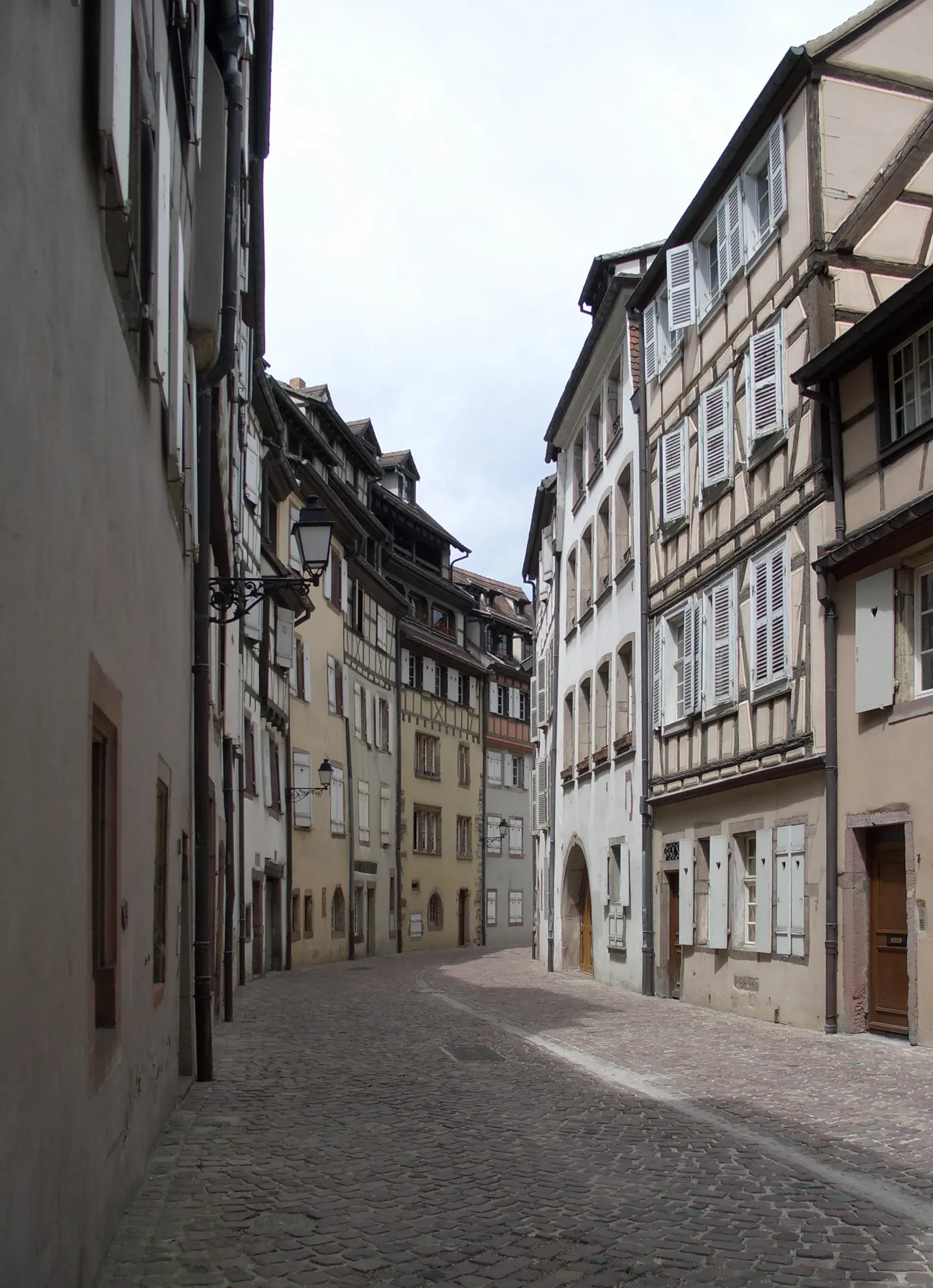
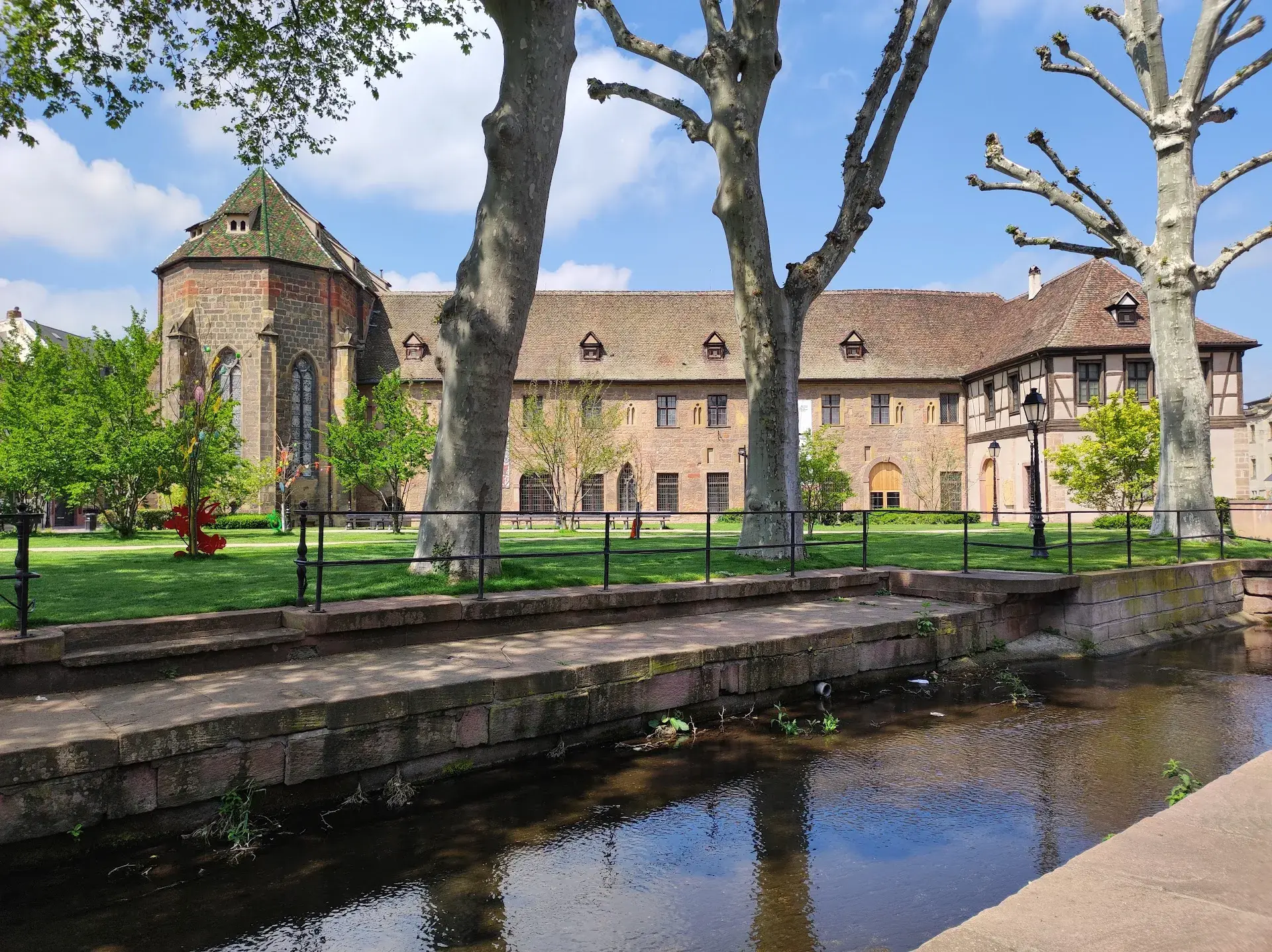
In the heart of Colmar, the Quartier des Tanneurs (Tanners' Quarter) presents a picturesque scene of tall, half-timbered houses lining the Lauch River. These iconic structures, with their characteristic open-air lofts, are a direct link to the city's medieval leather-crafting heritage.
Architectural Identity
The district is defined by its tall, narrow, half-timbered houses, constructed primarily during the 17th and 18th centuries. A key feature of these vernacular buildings is their openwork upper floors. These large, airy attics were not for residents but were specifically designed to facilitate the crucial process of drying animal hides, allowing air to circulate freely.
A History of Craft and Odor
The location of the Tanners' Quarter was a practical necessity. The tanning trade required a constant supply of water for washing skins, making the banks of the Lauch river and its canals an ideal spot. This placement also served to distance the notoriously odorous profession from the main urban areas. The pungent smell was a result of the ammonia-rich substances used in the process, such as pigeon droppings and cow urine, which softened the hides. The district housed generations of tanner families who lived and worked in these multi-story homes. Historical records note a tanner named Elias Graf, who was arrested for fraud during the French Revolution, and a macabre 1794 incident involving tanner Jean Ziegler, who tanned the skin of a guillotined man.
The Great Restoration of the 1970s
By the mid-20th century, the district had fallen into disrepair. A comprehensive, state-funded restoration project took place between 1968 and 1974, initiated by then-Minister of Culture, André Malraux. This massive undertaking involved 33 properties, with 27 being fully restored. A technique known as 'plumage' was used, which involved stripping the buildings down to their wooden frameworks for cleaning and reconstruction. The project transformed the area, creating 108 luxury apartments and 16 professional units.
The Social Cost of Preservation
While the restoration successfully preserved the quarter's unique architecture, it came at a significant social cost. The project led to the complete displacement of the district's original community. Approximately 150 inhabitants, mostly of modest means, were moved out and never returned. They were replaced by about 350 new, more affluent residents who had moved to Colmar for work, an example of gentrification accompanying large-scale heritage projects.
The Quarter Today
Today, the Quartier des Tanneurs is a major tourist attraction in Colmar, drawing millions of visitors annually. The streets, including Rue des Tanneurs and Petite Rue des Tanneurs, are now home to artisan shops, cafes, and restaurants. Despite the transformation, remnants of its past can still be found. House number 10 in Petite Rue des Tanneurs bears multiple coats of arms of tanners, while house number 8 features a cartouche dated 1599 with symbols of both tanners and butchers.
FAQ
Why are the houses in the Quartier des Tanneurs so tall?
The tall houses, mostly from the 17th and 18th centuries, feature large, openwork upper floors. These lofts were specifically designed to hang and air-dry animal hides, a crucial step in the leather tanning process.
When was the Quartier des Tanneurs restored?
The district underwent a significant state-funded restoration between 1968 and 1974. The project involved rebuilding 27 properties and created new apartments and commercial spaces.
What is the Quartier des Tanneurs used for today?
It is now a highly frequented tourist area in Colmar, celebrated for its picturesque houses. The buildings contain numerous artisan shops, restaurants, luxury apartments, and offices.
Why was the tanning district located by the river?
Tanners required a consistent water source, like the Lauch river, for washing skins. The location also kept the pungent odors associated with the tanning process away from the main urban center of Colmar.