Mémorial de l'Abolition de l'Esclavage in Nantes
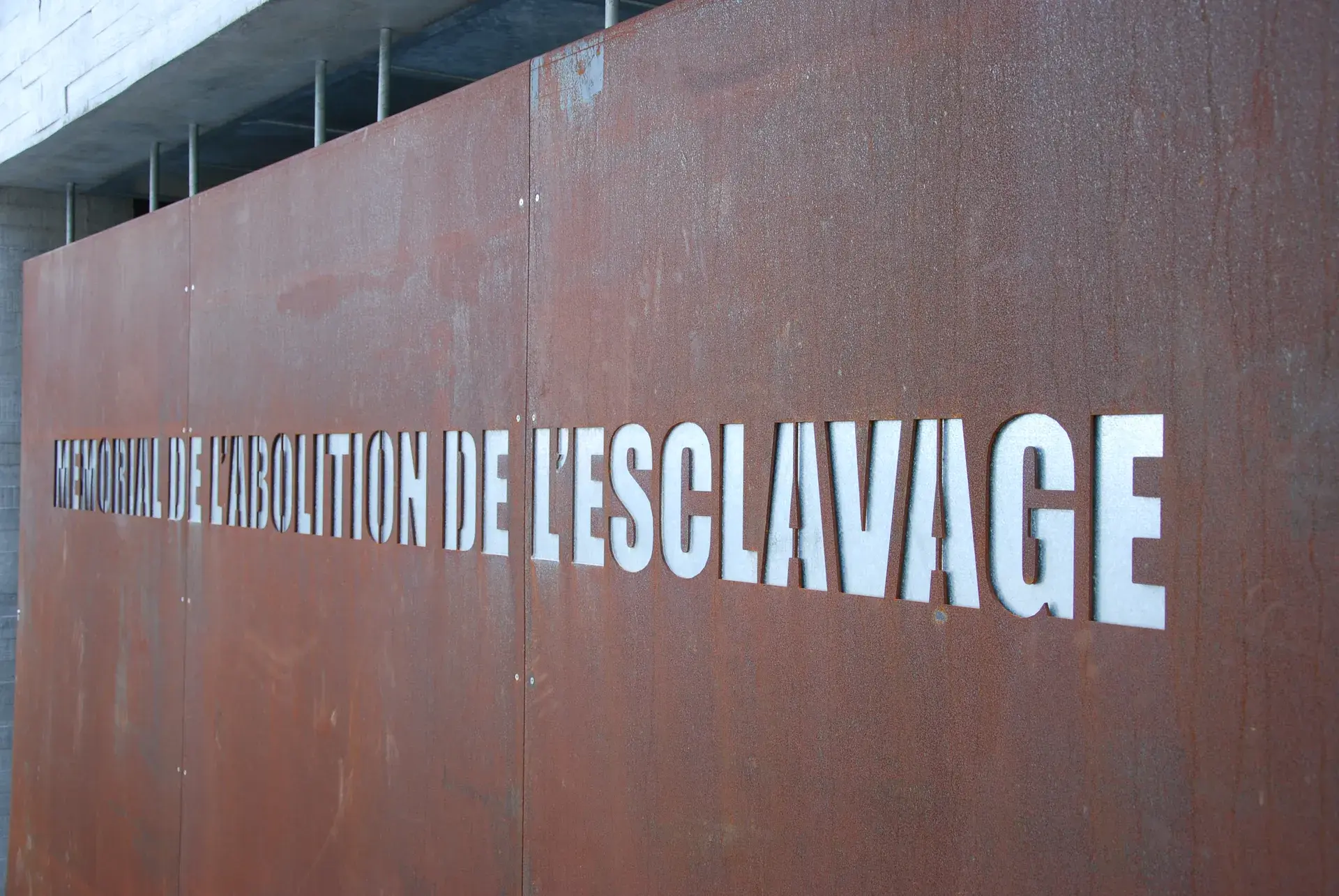
Beneath the exact quay where hundreds of slave ships once fitted out for departure, Nantes has carved a subterranean space to confront the uncomfortable truth behind its 18th-century wealth. The Mémorial de l'abolition de l'esclavage reclaims a site of historical trauma, turning a former quayside car park into a public civic space dedicated to human rights.
Nantes and the Transatlantic Slave Trade
Between the mid-17th and mid-19th centuries, Nantes operated as France's leading slave port. The city orchestrated over 1,800 transatlantic expeditions, representing roughly 43% of all French slave voyages, and deported more than 550,000 enslaved Africans. The Quai de la Fosse was the historical quay where these merchant ships docked, were fitted out, and departed.
Nantes profited heavily from the trade and associated industries. The city actively resisted the French Revolution's first abolition of slavery in 1794, celebrated its reinstatement in 1802, and continued illegal slave trading until 1831. After decades of public silence, the vandalism of a 1998 student memorial prompted city officials to formally confront this history. Today, the memorial provides a sobering counterweight to the grand 18th-century mansions of Île Feydeau, which were built by wealthy slave traders.
Design and Architecture
Designed by Krzysztof Wodiczko and Julian Bonder, the memorial opened on March 25, 2012. The surface features a walkway embedded with 2,000 glass plaques. Of these, 1,710 display the names and departure dates of Nantes slave ships. Some of these plaques reveal a jarring historical paradox, bearing French republican names like La Liberté and L'Égalité for human trafficking vessels. The remaining 290 plaques name African ports, trading posts, and American landing destinations.
Beneath the surface lies a 90-meter-long subterranean raw concrete gallery. The narrow corridor evokes the cramped confinement of a ship's hold. Open gaps between the support pillars expose the flowing Loire River, allowing the sound of lapping water to echo inside while ambient light reflects off the river onto the slanted frosted glass walls.
Voices of Freedom and Abolition
Near the entrance of the underground passage, the word "Freedom" is engraved on glass in 47 different languages spoken in regions affected by the slave trade. The underground gallery features a 90-meter-long glass wall inscribed with Article 4 of the Universal Declaration of Human Rights and historical timelines.
The wall also displays quotes spanning five centuries from human rights figures and historical resisters, including Toussaint Louverture, Olaudah Equiano, Nelson Mandela, and Martin Luther King Jr. Furthermore, the memorial physically connects to related history by bordering the Passerelle Victor-Schoelcher, a pedestrian bridge named after the politician who drafted the 1848 decree abolishing slavery in French territories.
Visiting the Memorial
The memorial is a free public space open daily, requiring no reservations. It functions as part of an urban walking itinerary, connected by educational panels to the Nantes History Museum at the Château des ducs de Bretagne.
The subterranean passage closes on specific holidays, including January 1, May 1, November 1, and December 25, as well as during periods when the Loire River floods. A scheduled annual maintenance closure is planned for January 18 to January 30, 2027.
FAQ
How much does it cost to visit the Mémorial de l'abolition de l'esclavage?
The memorial is a free public reflection space and does not require admission fees or reservations.
Who designed the memorial?
The memorial was designed through a collaboration between Polish visual artist Krzysztof Wodiczko and Argentine-American architect Julian Bonder.
Why is the memorial located on the Quai de la Fosse?
The Quai de la Fosse was the exact historical location where merchant ships docked, were fitted out, and departed on transatlantic slave trade voyages from Nantes.