Celle Castle: History & Guide to the Dukes' Stronghold
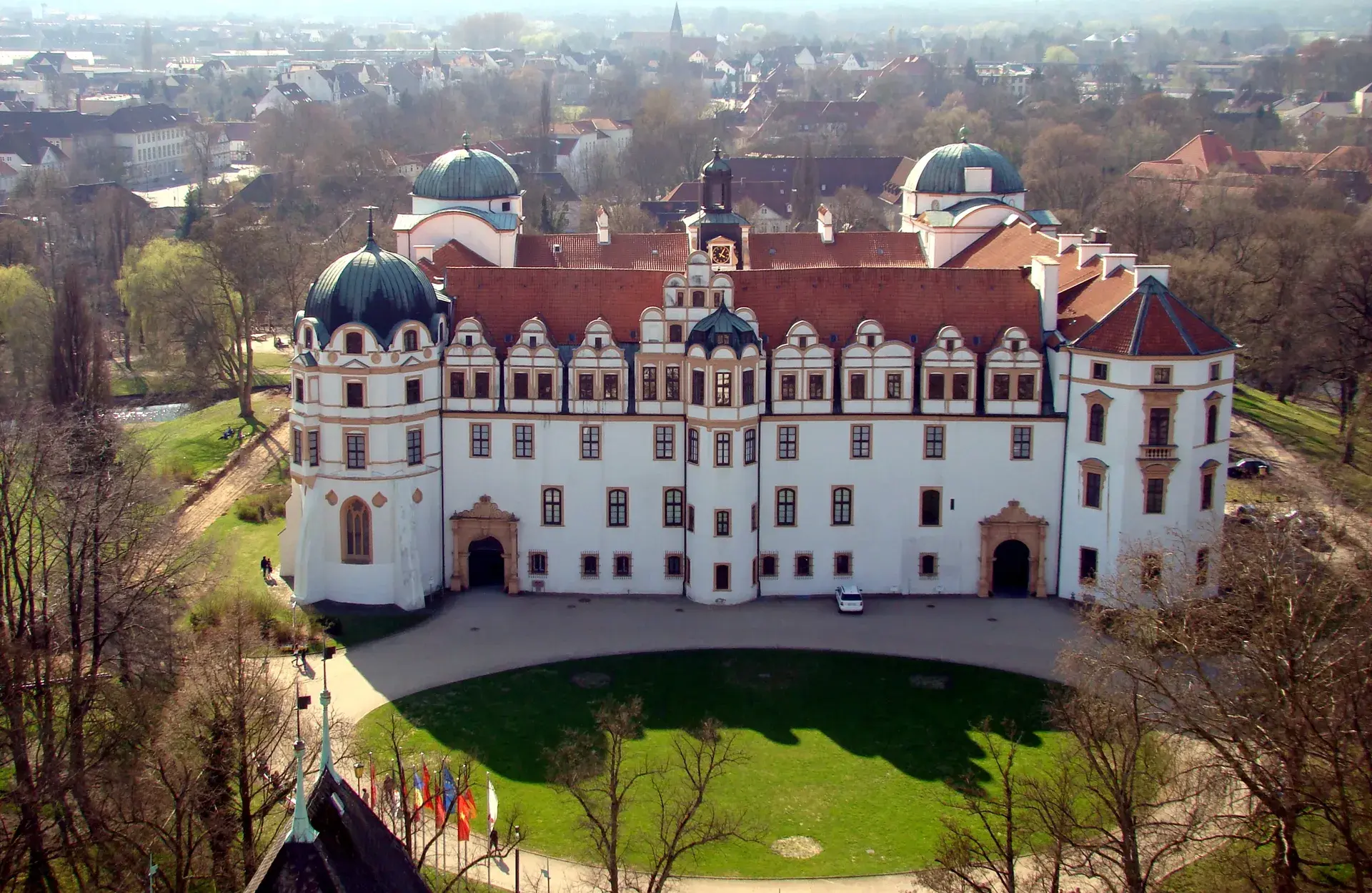
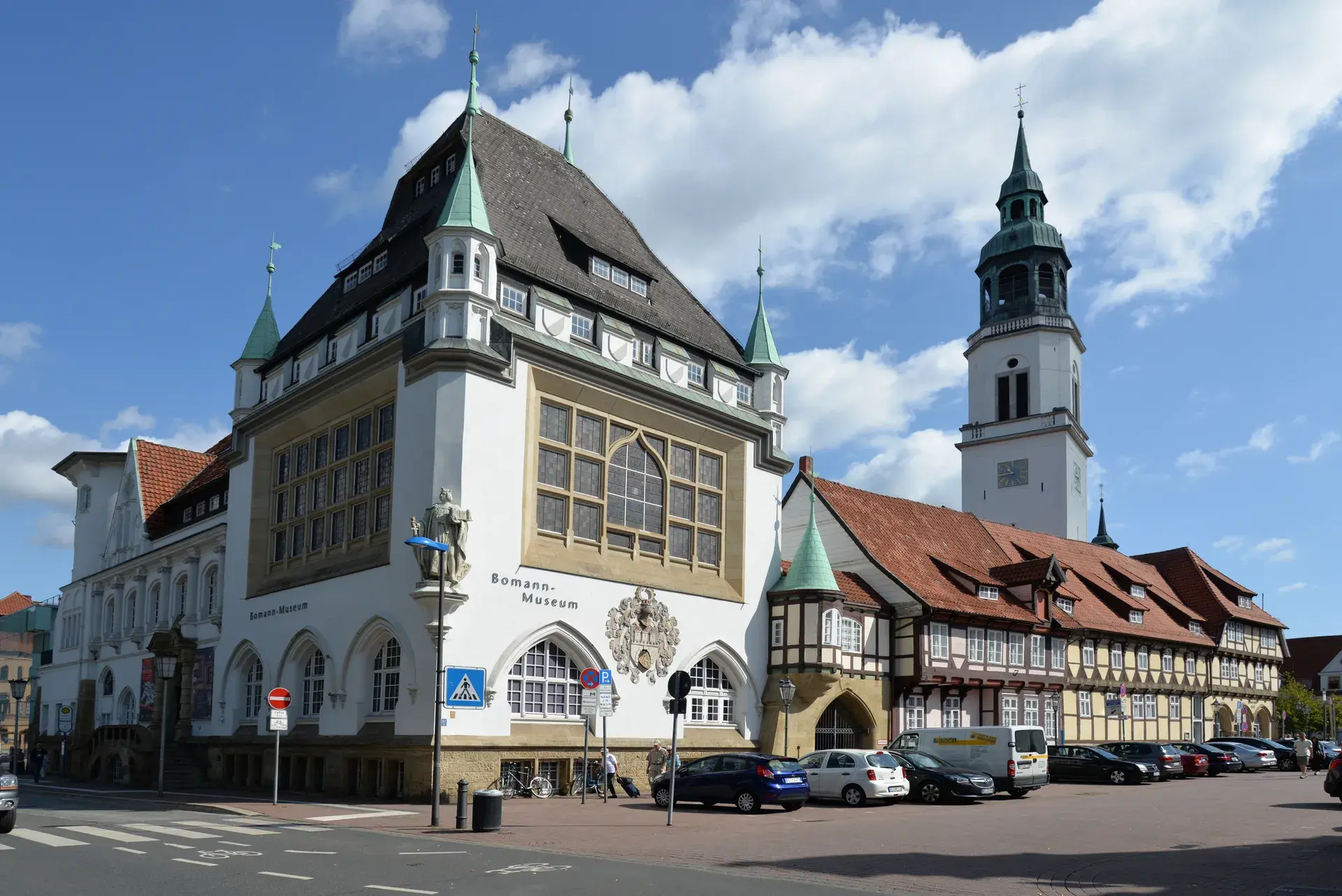
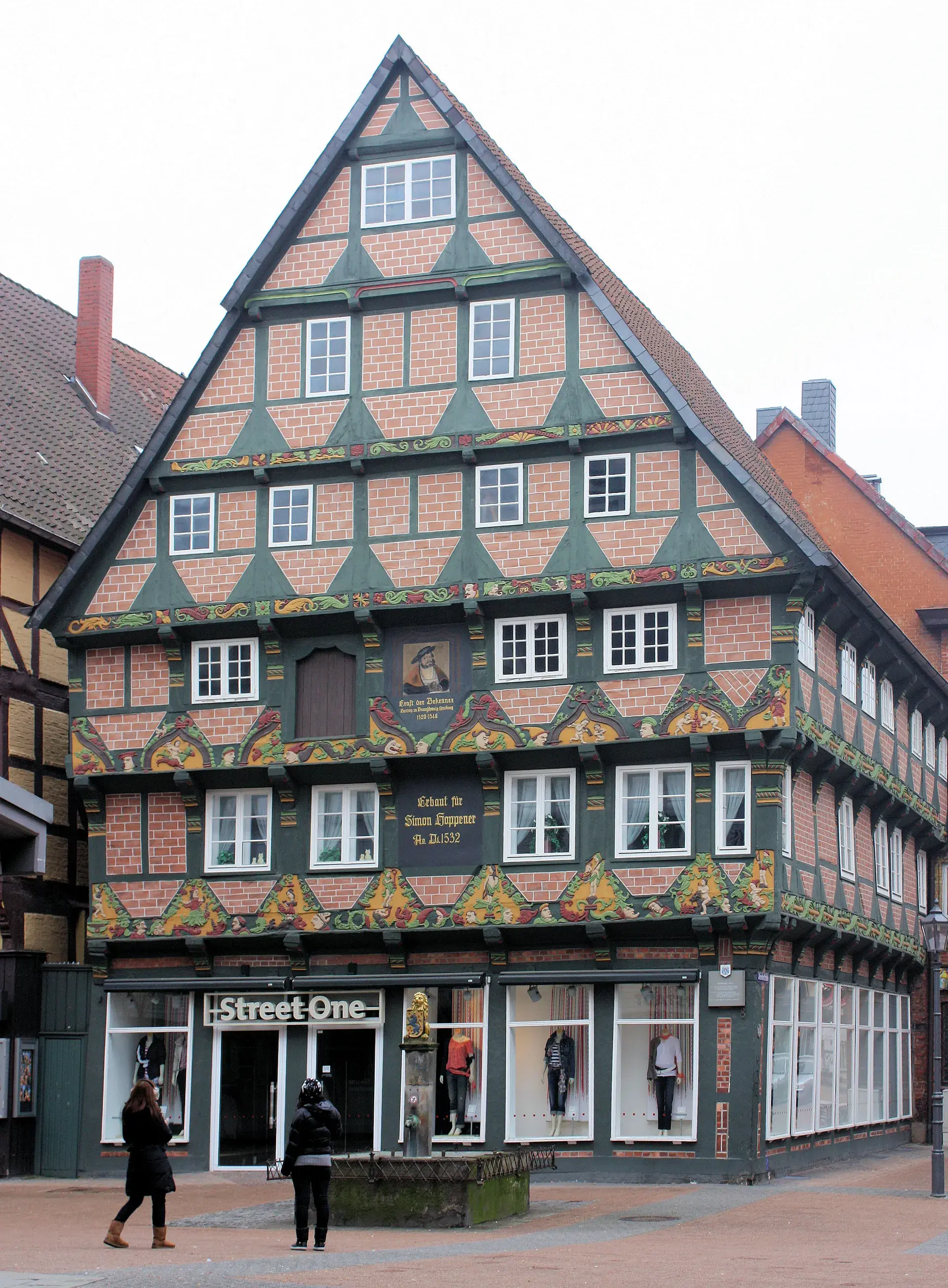
The striking Renaissance and Baroque facades of Celle Castle, also known as Schloss Celle, stand in contrast to the surrounding medieval and timber-framed merchant town. Positioned immediately adjacent to the dense historic core, this four-winged moated palace anchors the area's aristocratic legacy.
From Fortified Tower to Ducal Palace
Celle Castle originated around 1315 as a fortified tower built to guard a ford over the River Aller. In 1378, it became the permanent residence of the Dukes of Brunswick-Lüneburg. The fortress underwent major transformations over the centuries, beginning in the 16th century when Duke Ernest I converted it into a Renaissance residence.
In the 1670s, Duke George William hired Italian architects to update the structure. They added elaborate Baroque facades, lavish stucco state apartments, and an Italian-style court theater. The castle lost its status as a primary ducal seat in 1705 when the principality merged with Hanover.
Architectural Marvels and Hidden Curiosities
The castle grounds combine medieval foundations with Weser Renaissance and late 17th-century Baroque architecture. Among its most notable features is the Schlosstheater. Built between 1670 and 1675, it is one of the oldest preserved court theaters in Europe that still maintains an active, permanent acting company.
Another significant architectural gem is the Renaissance castle chapel. Consecrated in 1485, it is one of the few almost completely preserved early Protestant church spaces from the Renaissance period north of the Alps.
A Royal Exile
The castle also served as a place of exile for royalty. In 1772, British princess and banished Queen of Denmark Caroline Matilda was sent to Celle Castle following a royal scandal. She established a small court at the residence until she died of scarlet fever at the age of 23 in 1775.
The Castle Today
Today, the castle houses the Residenzmuseum, which showcases the history of the dukes. The Schlosstheater Celle continues to operate with its own acting ensemble. While the museum is open to visitors, the historic kitchen, the Renaissance chapel, and the theater interior are accessible exclusively via guided tours. Surrounding the palace, the 6.5-hectare moated grounds now serve as a public municipal park that remains open 24 hours a day.
FAQ
What is the history behind the Schlosstheater in Celle Castle?
Built between 1670 and 1675 by Italian architects under Duke George William, the Schlosstheater is an Italian-style court theater. It is one of the oldest preserved court theaters in Europe that still has an active, permanent acting company.
Who was exiled to Celle Castle?
Caroline Matilda, a British princess and the banished Queen of Denmark, was exiled to the castle in 1772 after a royal scandal. She lived there until her death from scarlet fever in 1775 at the age of 23.
Can visitors access all areas of Celle Castle?
Visitors can explore the Residenzmuseum and the surrounding 24-hour public park independently. However, access to the Renaissance chapel, the historic kitchen, and the theater interior is only permitted via guided tours.