Stadtkirche St. Marien Celle: History & Visitor Guide
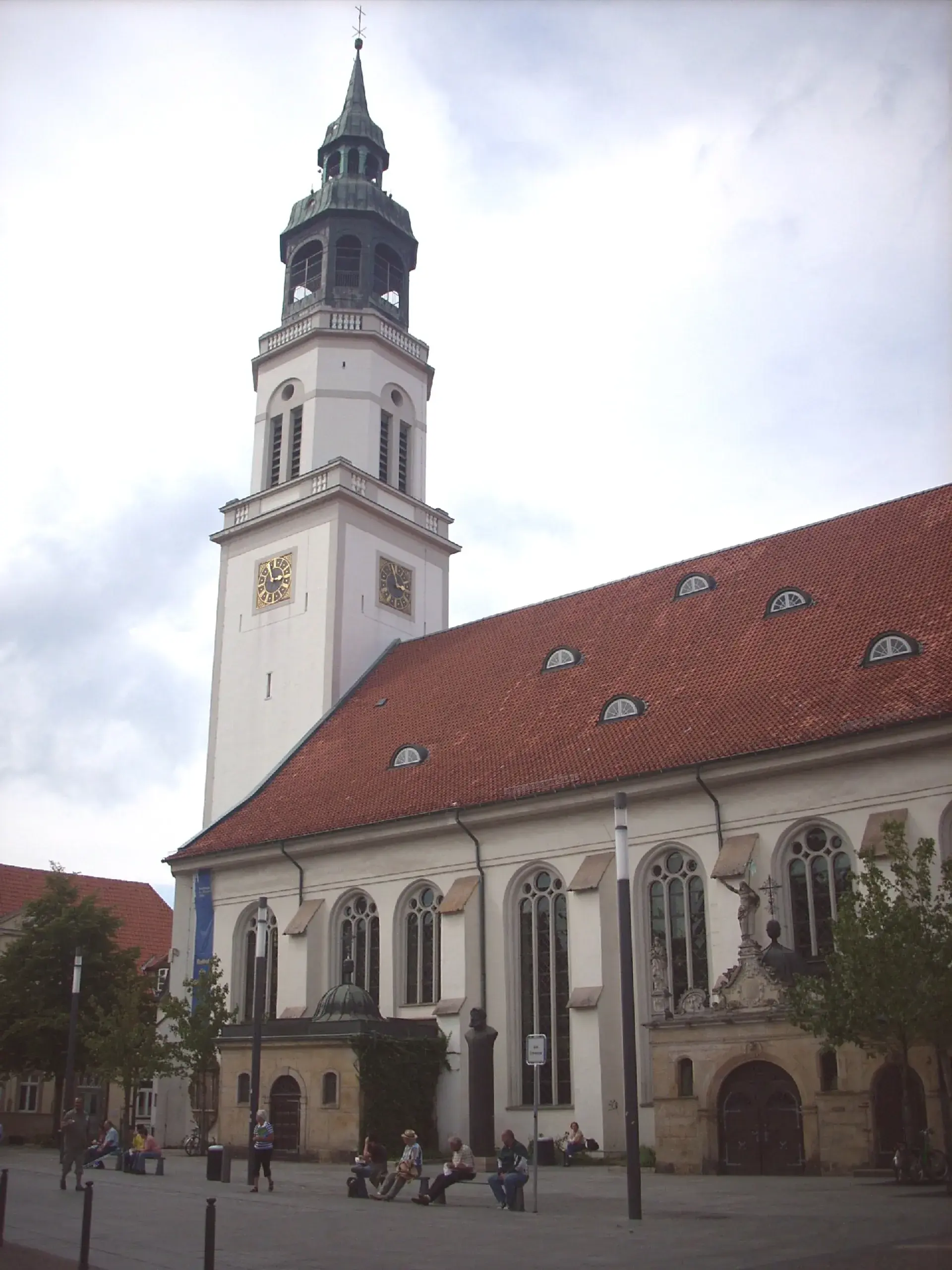
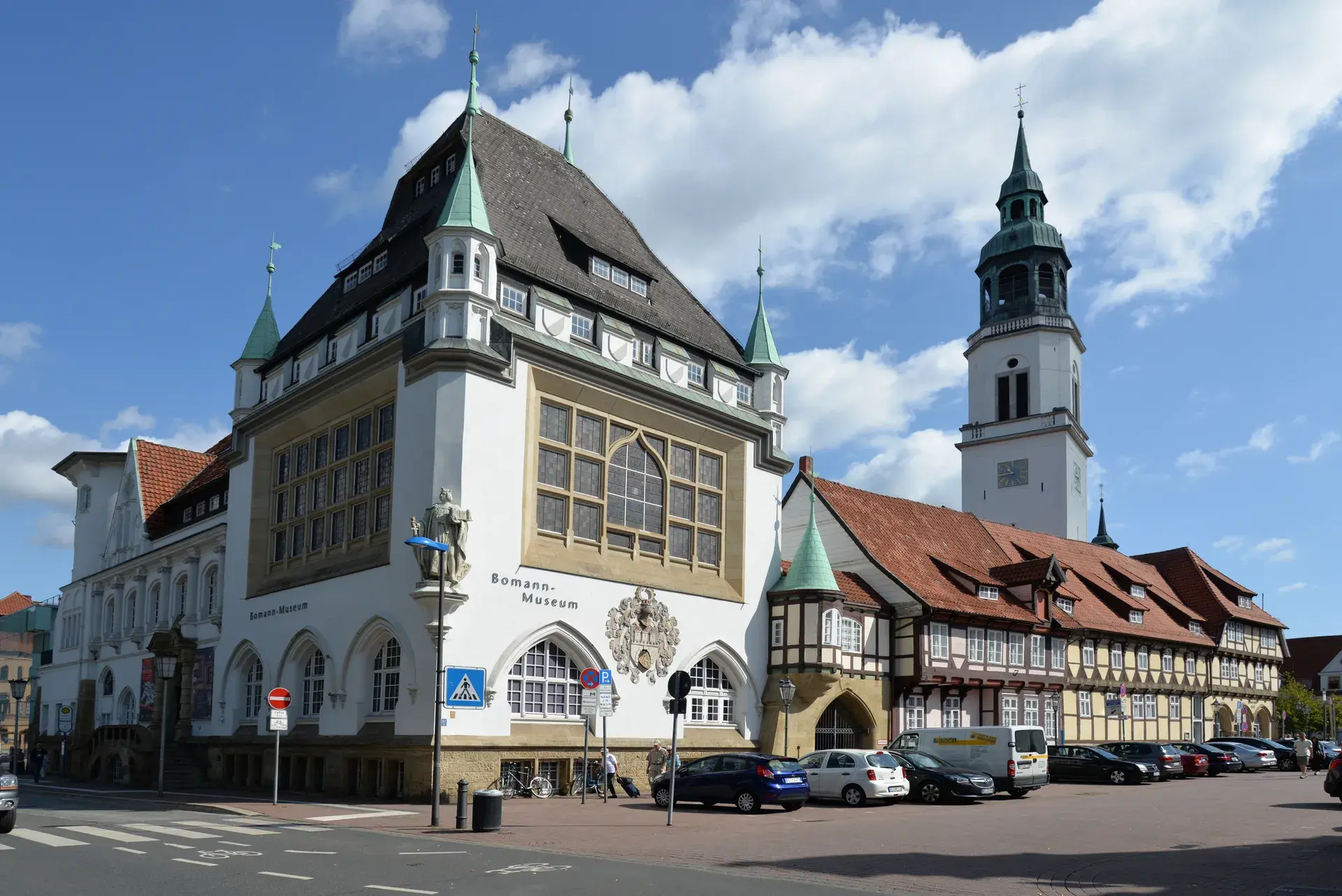
Look up at the historic architecture of Stadtkirche St. Marien from the surrounding cobblestone streets of the old town. Positioned at the intersection of the historic market square and the Stechbahn, a former medieval jousting arena, the church stands opposite rows of restored half-timbered façades. Consecrated to St. Mary in 1308 by the Bishop of Hildesheim, the building serves as the principal Evangelical-Lutheran parish church in Celle.
Architectural Evolution and Baroque Interiors
Construction on the three-aisled brick and fieldstone hall church began around 1292 under Duke Otto II the Strict. Originally designed as a pure Gothic structure, the interior underwent a significant transformation between 1676 and 1698. During this period, Italian artist Giovanni Tornielle converted the space, adding a barrel vault and elaborate Baroque stucco ornamentation.
The church's Baroque heritage is further highlighted by a high altar dating to 1613 and 1615. The interior also features ornate ducal epitaphs, 17th-century gallery paintings, and a historic organ layout originally constructed by Hermann Kröger in 1687, which was meticulously reconstructed in 1999.
The Royal Crypt and a Tragic Queen
For centuries, the Stadtkirche served as the court and burial church for the Dukes of Brunswick-Lüneburg of the Guelph dynasty. In 1576, the dukes created the Fürstengruft, a vaulted crypt beneath the choir. Today, guided visits into the crypt take place on Wednesdays and Thursdays.
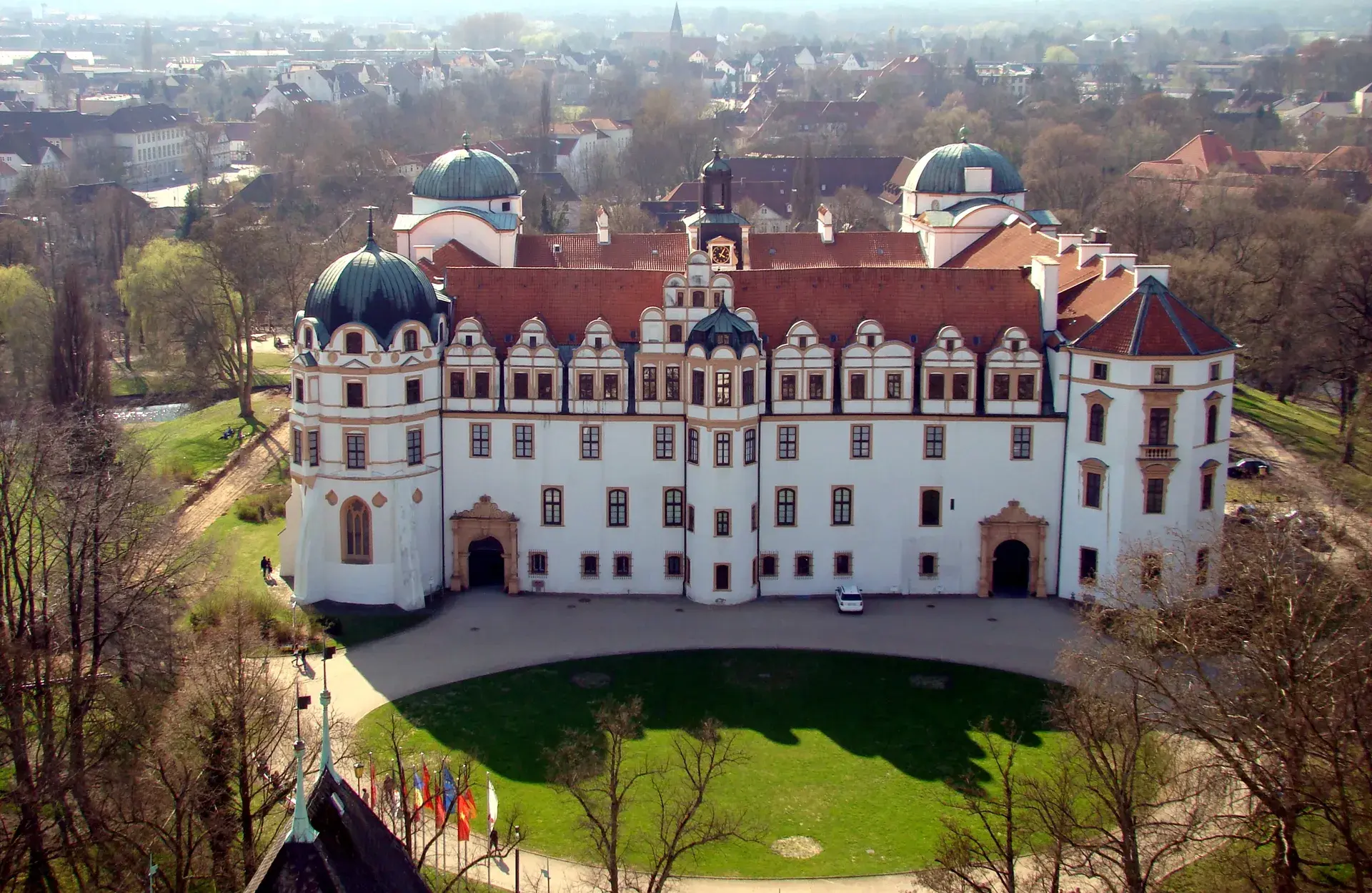
The crypt holds the ornate sarcophagus of Caroline Mathilde, the British Princess and Queen Consort of Denmark. Following the execution of her royal physician and lover, Johann Friedrich Struensee, she was divorced and exiled to nearby Celle Castle in 1772. The former queen died there just three years later from scarlet fever at the age of 23.
The Tower and the Town Trumpeter
The church tower has evolved from a 1530 bell tower and later roof turrets into its current 74.5-metre spire, which was completed in 1913. Its upper wooden frame houses four bells, including a Peace Bell cast in 2008 to commemorate the building's 700th anniversary.
A living tradition continues at the tower with the town trumpeter, or Turmbläser. A trumpeter climbs the 235 steps on foot without an elevator to sound a brass chorale in all four cardinal directions. This occurs daily at 16:45, with additional performances at 09:45 on Saturdays and Sundays. The role has been maintained across generations of local families in all weather conditions, sending clear, resonant notes bouncing off the timbered gables of the city.
From April to late October, the viewing gallery is open to the public. Climbing the 235 steps rewards visitors with a 360-degree panorama over the red-clay tiled roofs of Celle, the castle courtyard, and the distant edges of the Lüneburg Heath.
FAQ
Can visitors climb the tower at Stadtkirche St. Marien?
Yes, public access to the tower's viewing gallery is available seasonally from April to late October. Visitors must climb 235 steps to reach the platform, which offers 360-degree views of the city and the surrounding Lüneburg Heath.
When does the town trumpeter play at the church?
The town trumpeter sounds a chorale from the tower daily at 16:45. There are additional performances on Saturdays and Sundays at 09:45.
Who is buried in the church's crypt?
The Fürstengruft crypt serves as a burial site for the Dukes of Brunswick-Lüneburg. It also holds the sarcophagus of Caroline Mathilde, the exiled British Princess and Queen Consort of Denmark, who died in Celle in 1775.