Former Synagogue of Cochem and Memorial Plaque
Origins and Architecture on Oberbachstraße
The former synagogue of Cochem was constructed in the historic valley corridor behind the town center on Oberbachstraße, historically recorded as Oberbachstraße 361. Prior to its construction, the local Jewish community held prayer services in private residences, including the home of Isaac Haas in 1853. Following the acquisition of land that same year, construction commenced, and the synagogue was formally dedicated in 1860, with some records listing 1861.
The building was designed as an eaves-front quarrystone structure (traufständiger Bruchsteinbau) executed in the Romanesque Revival style (Rundbogenstil). Its exterior featured distinctive round-arched windows set within recessed blind arcades. In 1897, the community expanded the complex by erecting a dedicated Jewish schoolhouse and teacher's apartment directly adjacent to the main prayer hall.
Centuries of Jewish Life in Cochem
Jewish presence in Cochem dates to at least 1242, when Jewish residents were documented serving as imperial and electoral chamber serfs (Kammerknechte) primarily involved in commerce and finance. Over the centuries, the community faced severe persecution. Historical records document the murder of 17 Jewish residents during the Oberwesel blood libel pogrom in 1287, followed by the Armleder persecutions in 1337, violence during the Black Death massacres of 1348 and 1349, and expulsions from the Archbishopric of Trier in 1418 and 1589.
A permanent modern community re-emerged during the 18th and 19th centuries, expanding from 42 members in 1808 to a peak of 114 by 1895. Community members took an active role in local civic affairs. In 1882, members of the Hein family were among the founding volunteers of Cochem's Volunteer Fire Department. In 1901, the golden wedding anniversary of community elder Salomon Hein was celebrated with an evening serenade by the Catholic men's choir and a torchlight procession organized by the local veterans' society.
Destruction and the Shoah
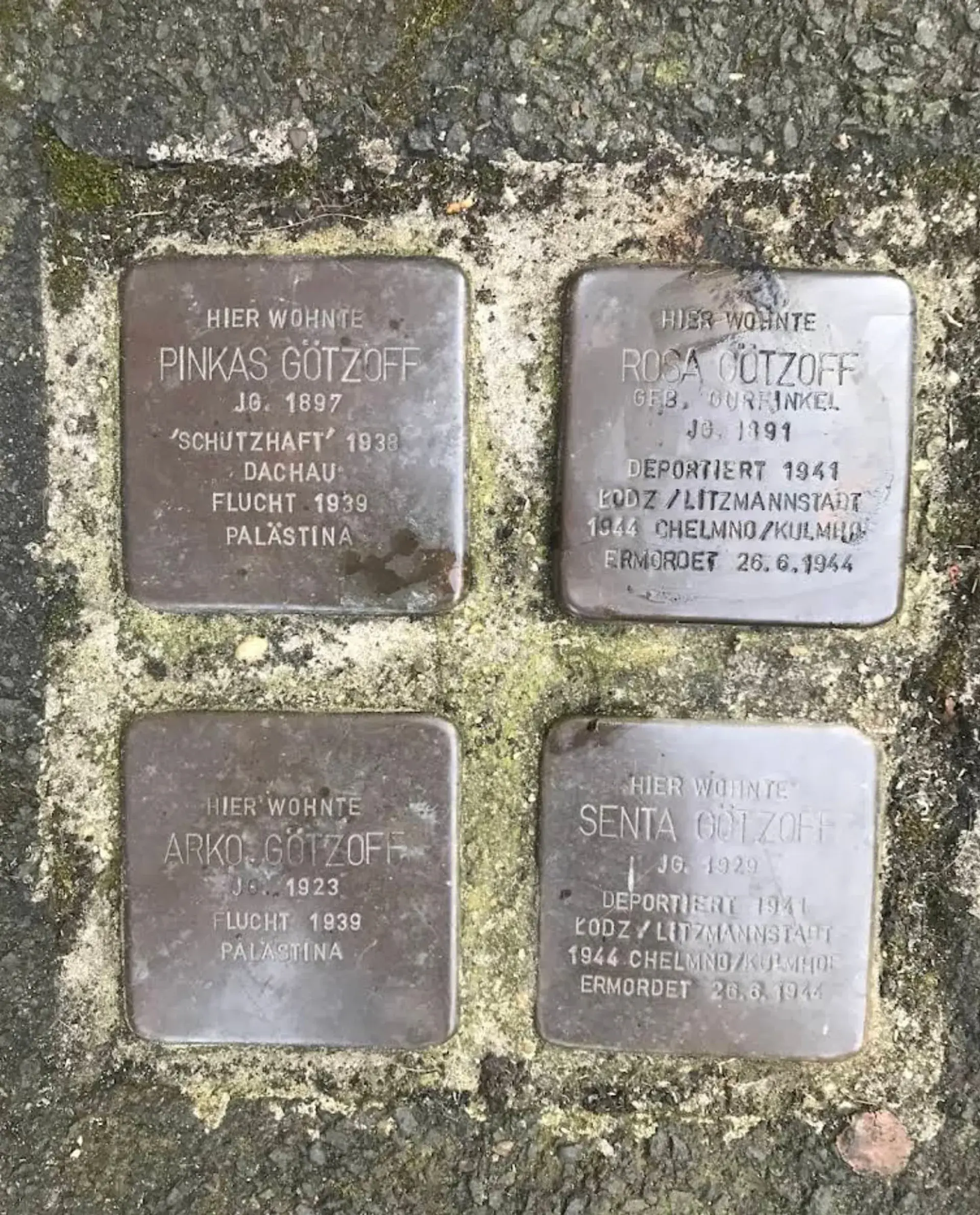
From 1924 to 1938, the community was served by its final teacher and cantor (chasan), Paul (Pinkas) Goetzoff. During the November Pogrom of November 9–10, 1938, the synagogue interior and adjoining school were ransacked and devastated. Goetzoff was arrested, his library destroyed, and he was transported to the Dachau concentration camp. He was released on the condition that he leave Germany and emigrated to Mandate Palestine in early 1939. His wife Rosa and daughter Senta were unable to escape; they were later deported to the Chełmno extermination camp and murdered in 1944. Many other members of long-standing Cochem families—including Dahl, Haimann, Hein, Hirsch, Mayer, and Simon—perished in the Holocaust.
Damaged further by aerial bombardment in early 1945, the ruined synagogue was entirely torn down following the end of World War II, and the plot was later repurposed for modern redevelopment.
Memorials and Surviving Architectural Relics
Although the building itself is gone, physical reminders mark the history of the site. On November 9, 2016, an official memorial plaque was unveiled directly across from the original plot on the facade of Haus Zenz. In the pavement outside Oberbachstraße 49–51, brass Stolpersteine (stumbling stones) created by artist Gunter Demnig commemorate the Goetzoff family.
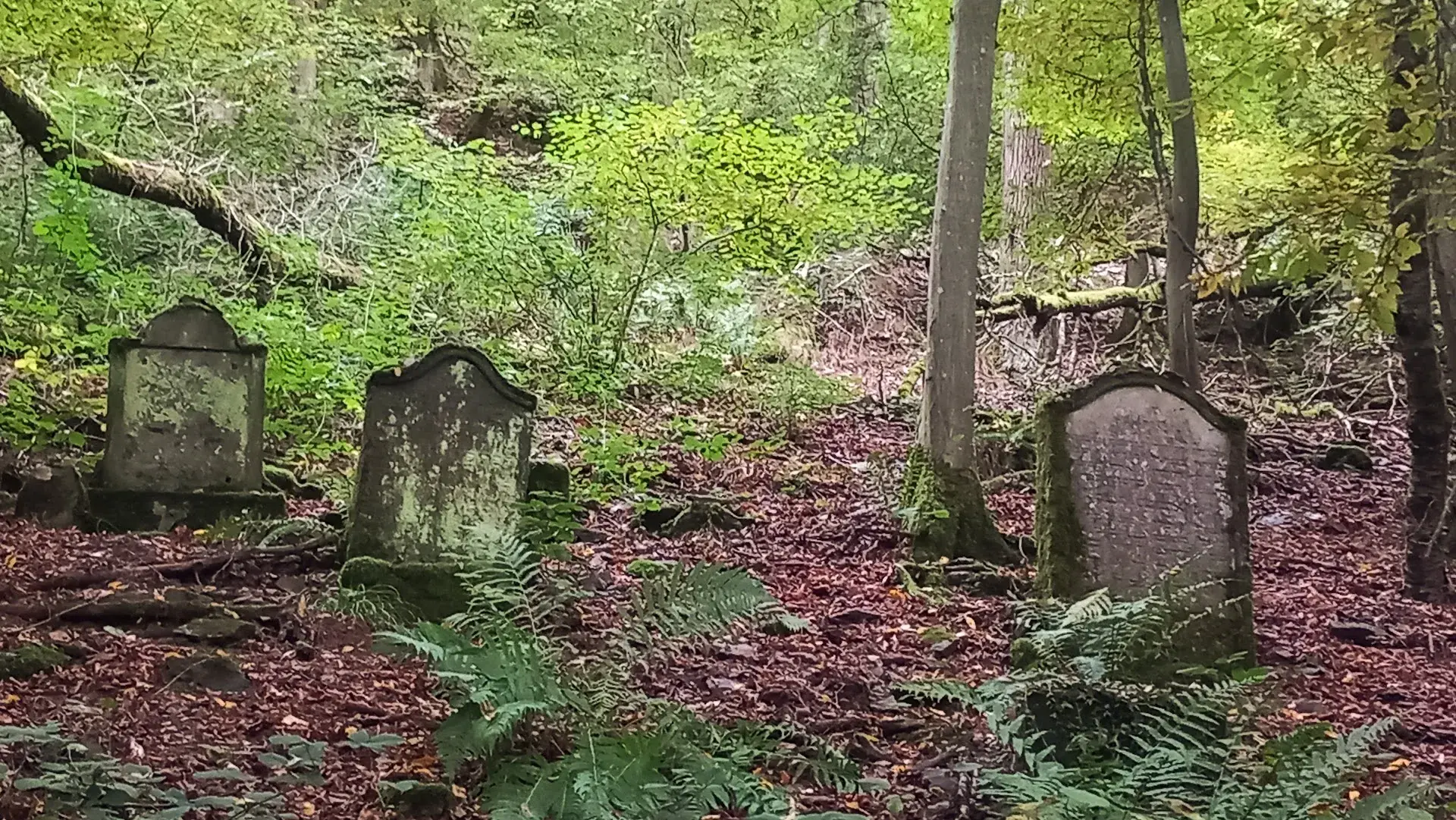
Earlier commemoration efforts include a memorial plaque installed in 1988 for the 50th anniversary of the November Pogrom, mounted on the exterior arcade of the Catholic parish church of St. Martin. Additionally, the original arched stone portal of the synagogue—carved with the Hebrew inscription meaning "Know before whom you stand"—was saved from post-war demolition debris and re-erected at the New Jewish Cemetery on Kelberger Straße. Although the portal collapsed during a storm in 2013, its inscribed stone fragments were gathered on-site for ongoing conservation.
FAQ
Where was the former synagogue of Cochem located?
The synagogue was situated on Oberbachstraße (historically Oberbachstraße 361). Today, the site features post-war buildings, with an official memorial plaque installed opposite the location on Haus Zenz.
What happened to the original synagogue building?
The synagogue was desecrated and ransacked during the November Pogrom in 1938, sustained bomb damage in early 1945, and was completely demolished after World War II.
Did any architectural elements of the synagogue survive?
Yes. The original arched entrance portal, inscribed in Hebrew with 'Know before whom you stand', was rescued from the rubble and moved to the New Jewish Cemetery on Kelberger Straße. After collapsing in a 2013 storm, its fragments were preserved for conservation.
Gallery