Barfüßerkirche: Erfurt's Ruined Gothic Church
The Barfüßerkirche, or Discalced Church, stands in Erfurt as a powerful testament to the city's medieval history and the devastation of war. Its hauntingly beautiful ruins tell a story that spans from the arrival of Franciscan monks to its current role as a unique cultural site.
Franciscan Origins and Intellectual Hub
The church's history began with the arrival of the Franciscan order, known as 'Barfüßer' (barefoot ones), in Erfurt on November 11, 1224. This was one of the earliest Franciscan settlements in Germany. The monks quickly established a house of studies in the 1230s, which grew into a significant intellectual center. By 1392, this 'Generalstudium' was integrated into the theological faculty of the newly founded University of Erfurt, attracting talented friars from as many as 14 different European provinces, including Sicily and Burgundy.
High Gothic Construction
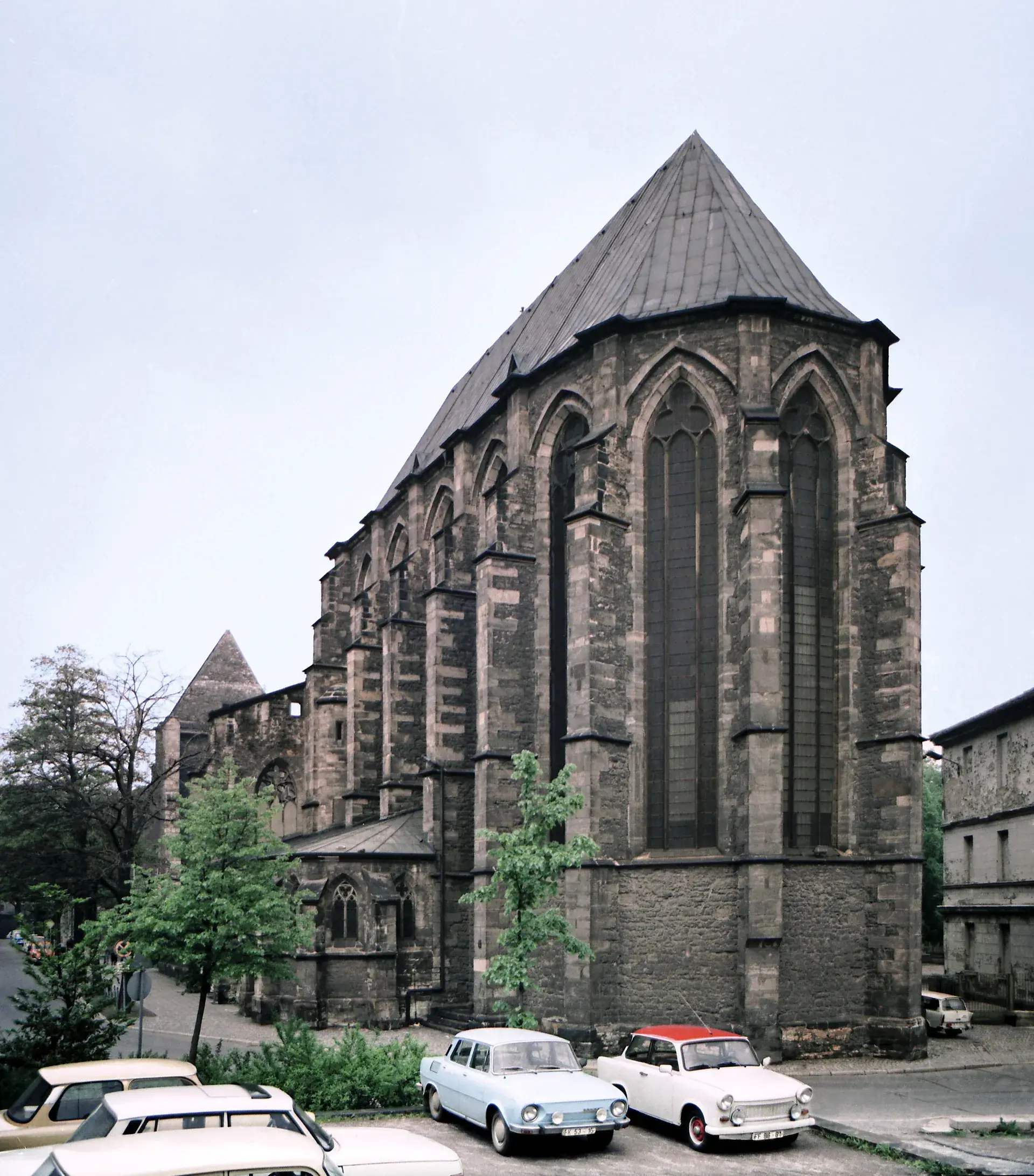
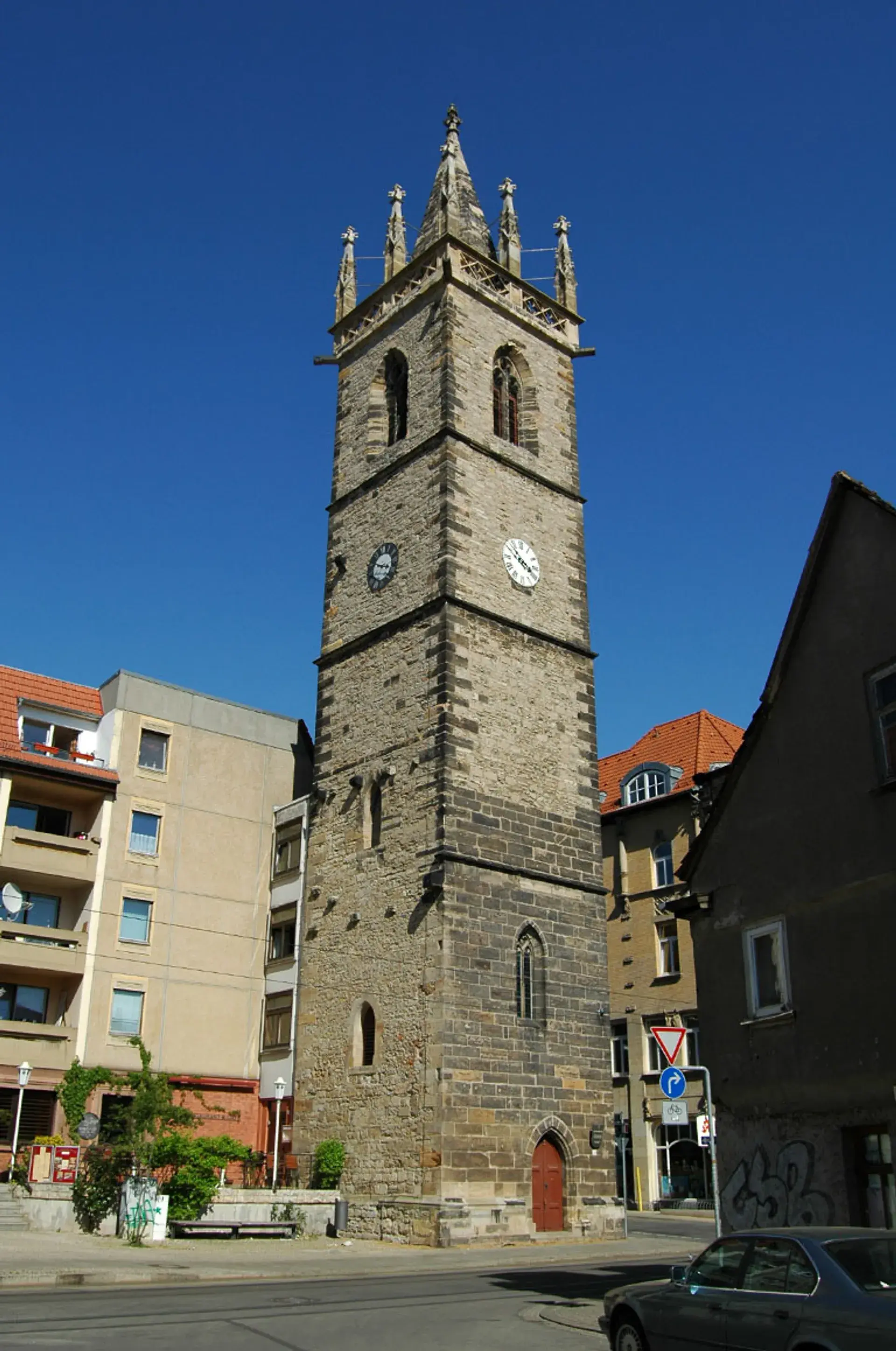
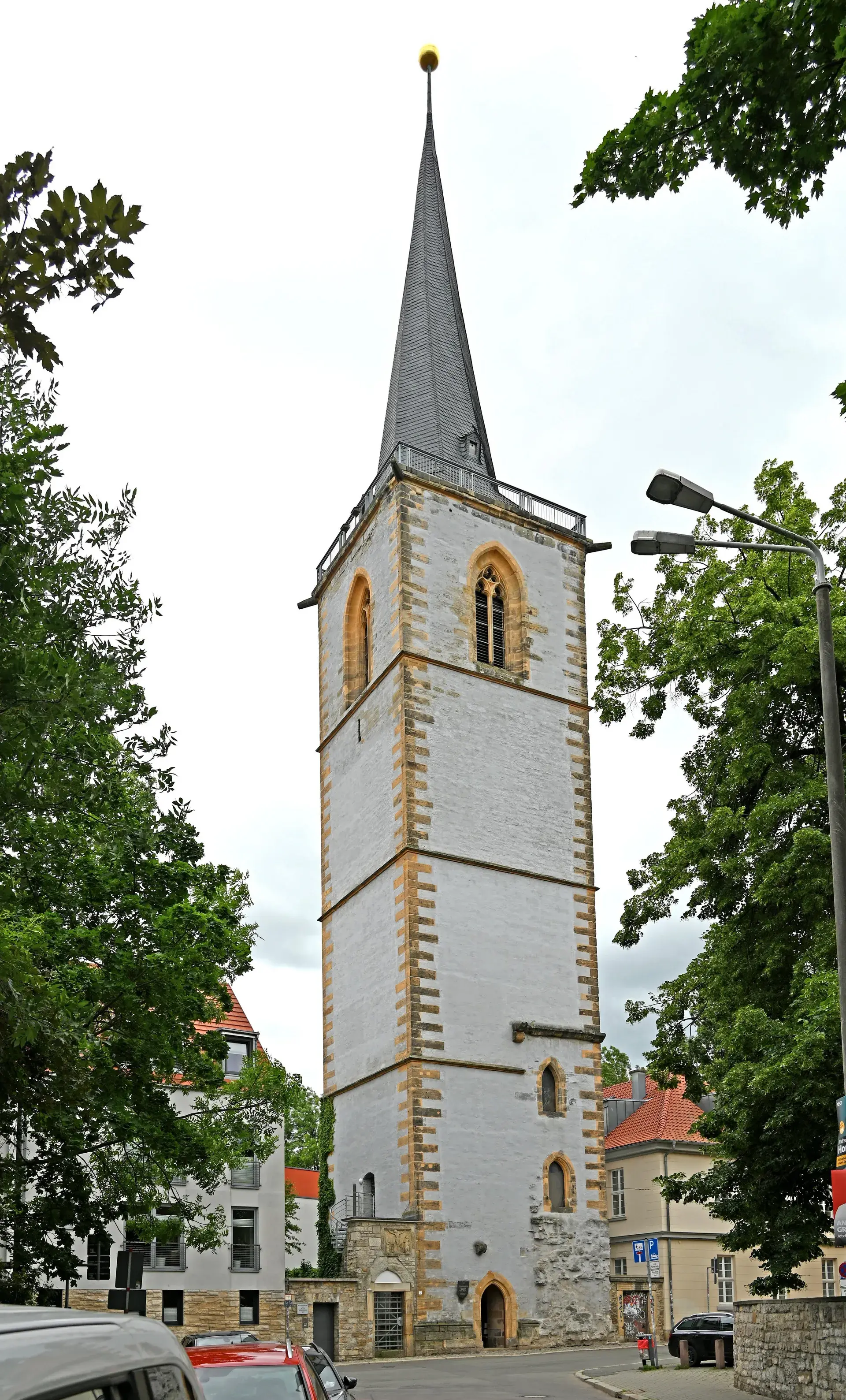
Following a city fire in 1291, construction began on the current High Gothic church, designed as a three-aisled pillar basilica. The choir was consecrated in 1316, with the tower completed around 1400 and the nave finished by about 1430. The church's original stained-glass windows, dating from 1230-1240, are particularly significant. They contain some of the oldest surviving depictions of St. Francis of Assisi within the former Holy Roman Empire, showing a direct link to the order's origins in Assisi.
The Reformation and Subsequent Changes
The Barfüßerkirche played a notable role during the Reformation, becoming a Protestant parish church in 1525. Reformer Martin Luther preached within its walls on October 11, 1529. Over the following centuries, the site underwent significant changes. The monastery buildings to the north were demolished by the Swedes between 1641 and 1648 to provide materials for city fortifications. In 1838, the church suffered severe damage from a lightning strike, which necessitated extensive restoration work.
Wartime Destruction and Legacy
The most devastating event in the church's history occurred on November 27, 1944. An aerial bombing raid during World War II largely destroyed the nave and tower, leaving them in ruins. The choir was also heavily damaged but was later restored. In the harsh winter of 1945, the half-destroyed pews were used as firewood by the local population. Today, the preserved ruins serve as a poignant memorial to the war.
The Church Today: Art and Culture
Currently, the Barfüßerkirche has a dual function as a cultural landmark. The restored choir houses a branch of the Angermuseum, which is dedicated to medieval art and features the church's original 13th-century stained glass. The roofless nave remains a preserved ruin, providing a unique open-air venue for cultural events, including theatre performances, concerts, and lectures. An organization, the "Initiativkreis Barfüßerkirche," works to preserve the monument. The church's tower was renovated between 2005 and 2007 and has been accessible for tours on specific occasions since 2009.
FAQ
Why is the Barfüßerkirche a ruin?
The church was largely destroyed by an aerial bombing raid on November 27, 1944, during World War II. The nave was left in ruins, while the choir was heavily damaged but later restored.
What does 'Barfüßerkirche' mean?
'Barfüßerkirche' translates to 'Discalced Church' or 'Barefoot Church.' It was named for the Franciscan mendicant order, known as 'Barfüßer' (barefoot ones), who founded the monastery in 1224.
What is the Barfüßerkirche used for today?
The preserved ruin of the nave serves as an open-air venue for cultural events like theatre and concerts. The restored choir houses a branch of the Angermuseum, displaying medieval art and original 13th-century stained glass.
Did Martin Luther have a connection to the Barfüßerkirche?
Yes, after the church became a Protestant parish church in 1525 during the Reformation, Martin Luther preached there on October 11, 1529.