Der Römer: Erfurt's Historic Merchants' Bridge
The Krämerbrücke, or Merchants' Bridge, is a remarkable medieval arch bridge in Erfurt and a testament to the city's historical significance as a trading hub. Spanning the Breitstrom, a branch of the Gera River, this structure is one of the few bridges in the world that is continuously lined with inhabited buildings. Its unique character makes it a central landmark in Erfurt's old town.
A History Forged in Stone and Fire
The bridge's origins trace back to a wooden structure that existed between the 8th and 11th centuries as part of the Via Regia, a crucial medieval trade route. The first written mention of a market bridge, or 'pons rerum venalium', at this site dates to 1156. Prone to frequent fires, the wooden bridge was destroyed and rebuilt multiple times. Recognizing its strategic importance, the Erfurt Council acquired the bridge rights from local monasteries in 1293. This led to the construction of the current stone bridge, a 79-meter-long structure of limestone and sandstone with six barrel arches, which was completed in 1325.
The Great Fire and Reconstruction
A devastating city fire in 1472 destroyed much of Erfurt, including the wooden stalls on the Krämerbrücke. The subsequent reconstruction marked a significant transformation. By 1486, 62 half-timbered houses were erected upon the stone foundation. To create more living and commercial space, the bridge's width was ingeniously increased from approximately 19 meters to 26 meters. This was achieved by adding wooden trusses that extended beyond the original stone arches, supporting the deeper houses. Over the centuries, these houses were merged, resulting in the 32 buildings seen today.
The Heart of Medieval Commerce
During the Middle Ages, Erfurt prospered immensely from its trade in woad, a valuable blue dye that earned the city the nickname 'woad capital of Europe'. The Krämerbrücke was the bustling heart of this commerce. Merchants on the bridge sold a wide array of goods, from local produce to exotic imports like spices, gold, silk fabrics, and Venetian glass. This trade generated significant wealth, enabling merchants to gain influence in the city council. Stalls operated by important monasteries, such as St. Augustine's, also sold goods like medicinal herbs, wine, and vegetables.
The Krämerbrücke Today
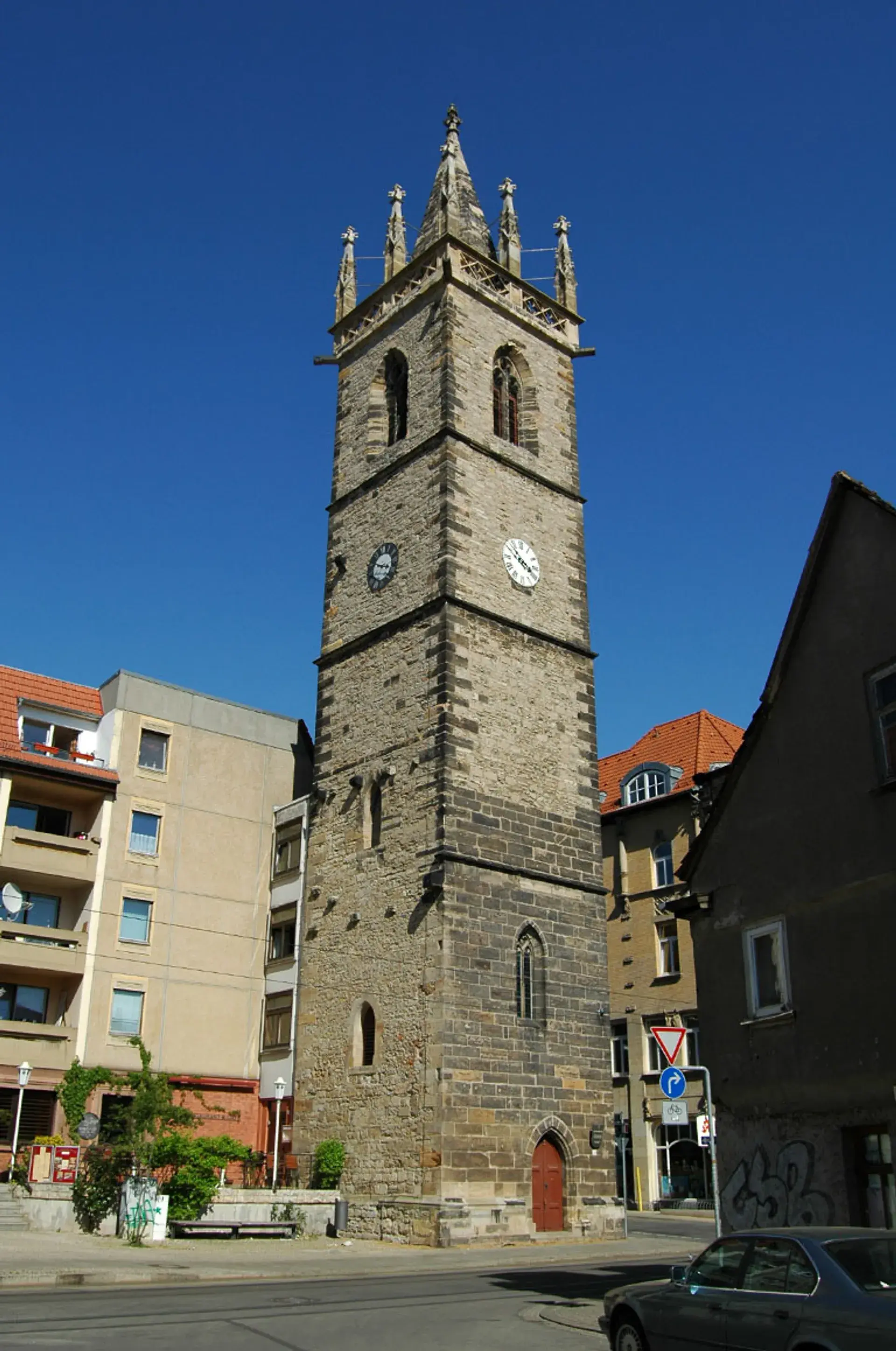
Continuously inhabited for over 500 years, the Krämerbrücke remains a vibrant part of Erfurt. Today, approximately 80 people reside in its 32 houses. The ground floors are occupied by a curated selection of independent businesses, including artisan workshops, art galleries, antique shops, and specialty food stores. The Krämerbrücke Foundation carefully manages the tenancies to preserve the bridge's unique historical and cultural character. At the eastern end of the bridge stands St. Giles' Church (Ägidienkirche), whose tower offers panoramic views of the city. The bridge's heritage is celebrated annually with the Krämerbrückenfest, a popular festival featuring music, performances, and medieval markets.
FAQ
Is the Krämerbrücke in Erfurt still inhabited?
Yes, the Krämerbrücke has been continuously inhabited for over 500 years. Today, approximately 80 people live in the 32 half-timbered houses that line the bridge.
Why was the Krämerbrücke built?
The stone Krämerbrücke was completed in 1325 to replace a series of fire-prone wooden bridges on the Via Regia trade route. It was designed as a market bridge ('pons rerum venalium') to house merchant stalls and, later, permanent residential homes.
What can you buy on the Krämerbrücke today?
The ground floors of the houses on the Krämerbrücke feature a variety of independent shops. Visitors can find handcrafted goods, regional Thuringian products, hand-painted ceramics, Lauschaer glass, jewelry, wood carvings, and specialty foods.
How was the Krämerbrücke widened after the 1472 fire?
Following the great fire of 1472, the bridge was widened from about 19 meters to 26 meters by adding wooden trusses. These trusses extended over the sides of the original stone arches, providing a wider base to support the new, larger half-timbered houses.
Discover Erfurt like never before
Dive into Erfurt hidden stories and secret spots with Ciceru interactive tours.
Explore tour
Audioguide
Quizzes
Maps
Solo
Couples
Groups & families

© Photo by Axel Huntemann via Google Maps · Google Places