Krämerbrücke: Erfurt's Inhabited Medieval Bridge
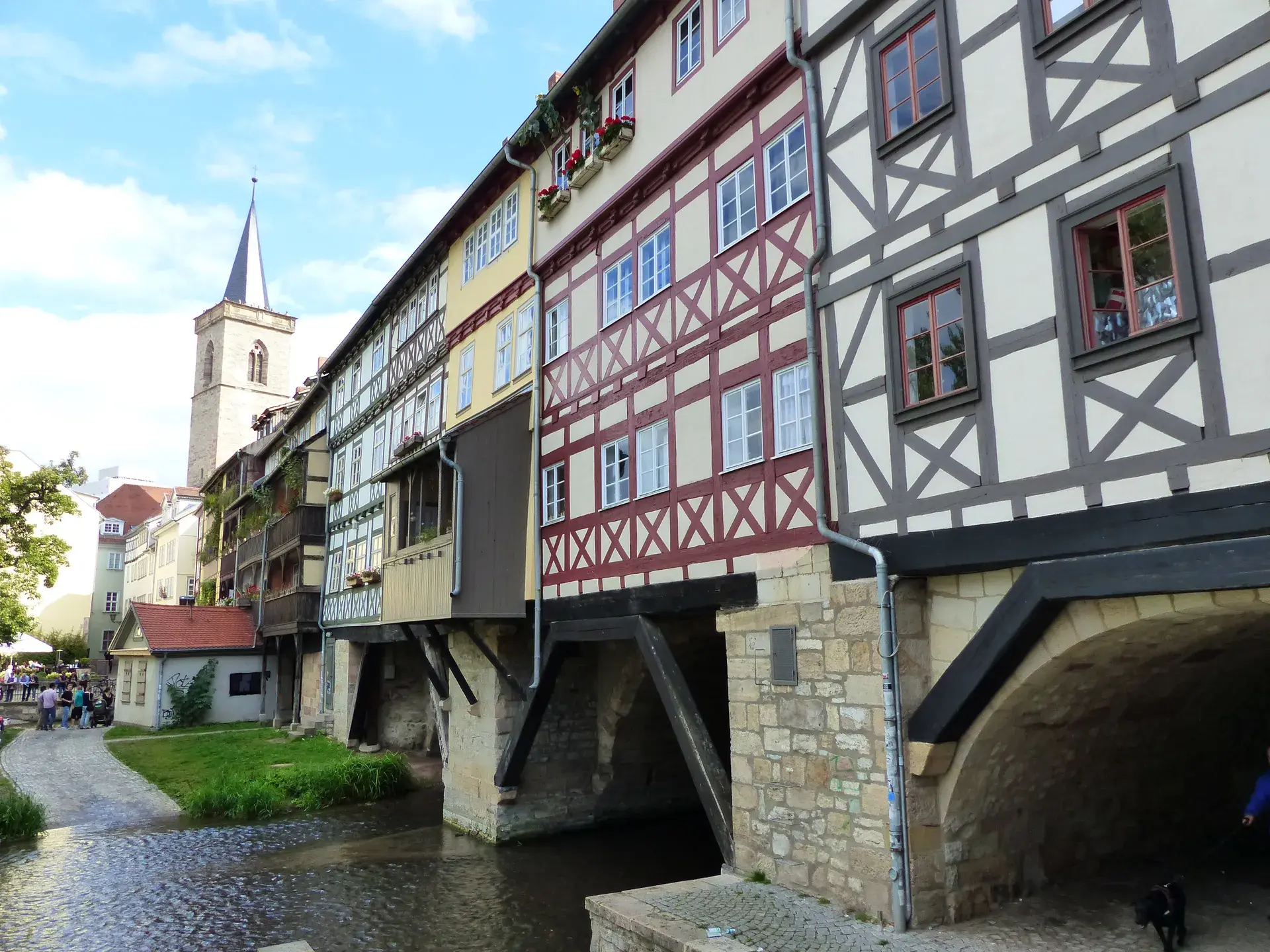
The Krämerbrücke, or Merchants' Bridge, is a medieval arch bridge in Erfurt, Germany, and a singular European landmark. Spanning the Breitstrom, a branch of the Gera River, it is the continent's longest bridge to be continuously inhabited. This architectural marvel connects Benediktsplatz and Wenigemarkt, its half-timbered buildings creating a streetscape that seems suspended in time.
A History Forged in Fire and Stone
The bridge's story begins at a crucial ford on the Via Regia, a medieval trade route. A wooden bridge at this location was first mentioned in 1117. After repeated destruction by fires, the Erfurt City Council acquired the bridge rights from local monasteries and commissioned a more resilient structure. The stone arch bridge, built from limestone and sandstone, was completed in 1325.
A major city fire in 1472 prompted another significant reconstruction, which established the bridge's present form by 1486. Originally, 62 narrow, three-storey half-timbered buildings lined the span. Over the centuries, mergers and rebuilding, including repairs after World War II, have resulted in the 32 houses that stand today. In a surprising turn of history, the city council considered demolishing the entire bridge in 1895, a plan that was ultimately abandoned, preserving the icon for future generations.
Architectural and Commercial Hub
The Krämerbrücke has a total length of 125 meters, with its stone foundation measuring 79 meters. The roadway between the houses is a narrow 5.5 meters wide. The bridge's design was not just for passage but for commerce. It became a bustling center for merchants trading in valuable goods like oriental spices, silks, and woad dye, which brought significant wealth to Erfurt.
Hidden within the bridge's pillars are medieval merchants' cellars, a testament to its commercial past. At the 'House of Foundations' (Krämerbrücke 31), a window in the rock offers a unique view of the Gera River flowing directly beneath the structure, revealing a glimpse into the bridge's historic substructure.
The Bridge Today: A Living Landmark
Today, the Krämerbrücke is a vibrant, pedestrian-only thoroughfare and a major tourist attraction. Its buildings are home to artisan workshops, galleries, antique stores, and specialty shops selling hand-painted ceramics, jewelry, and Thuringian delicacies. The scents of spices and freshly baked bread from a nearby bakery often fill the air.
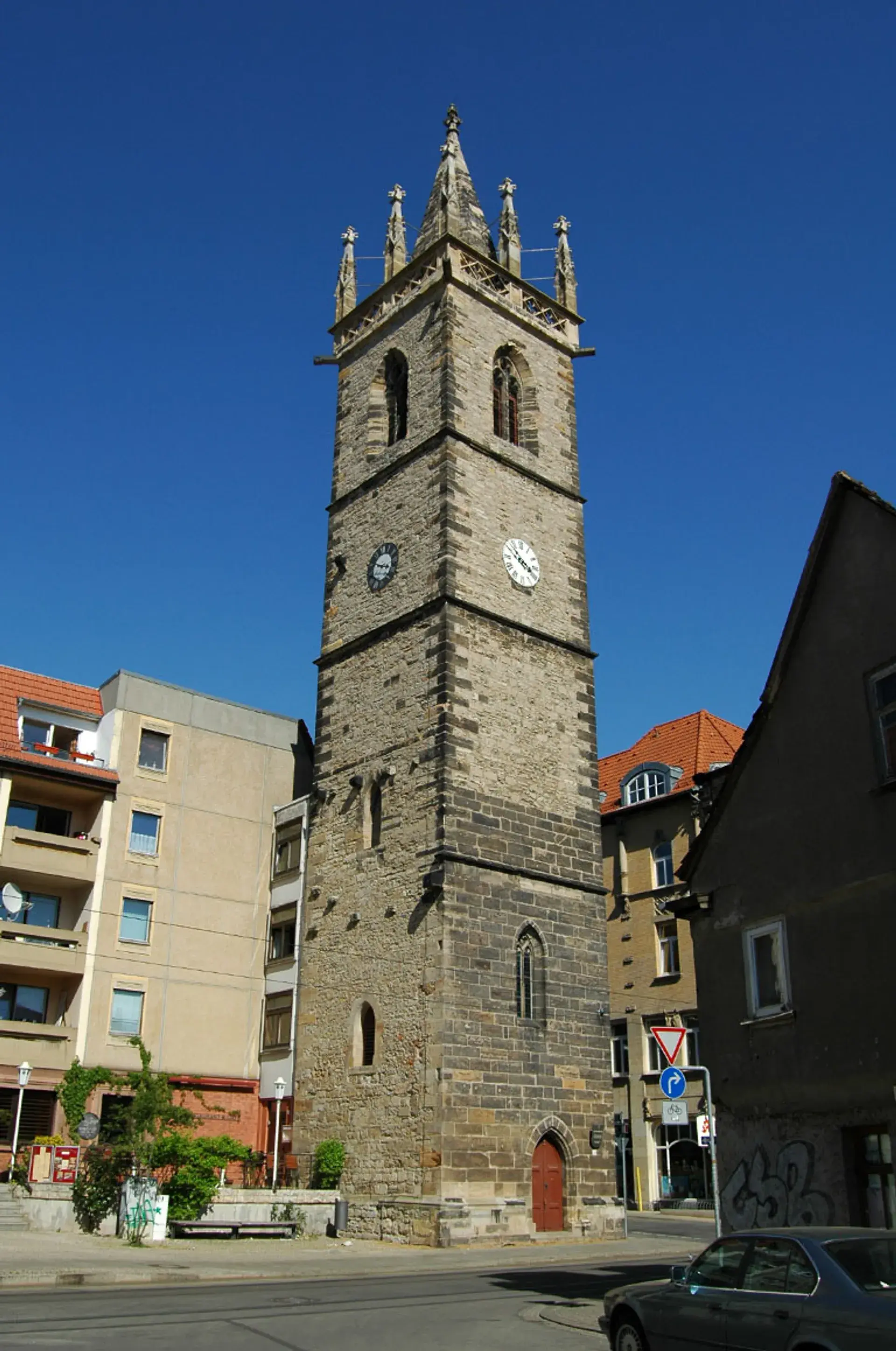
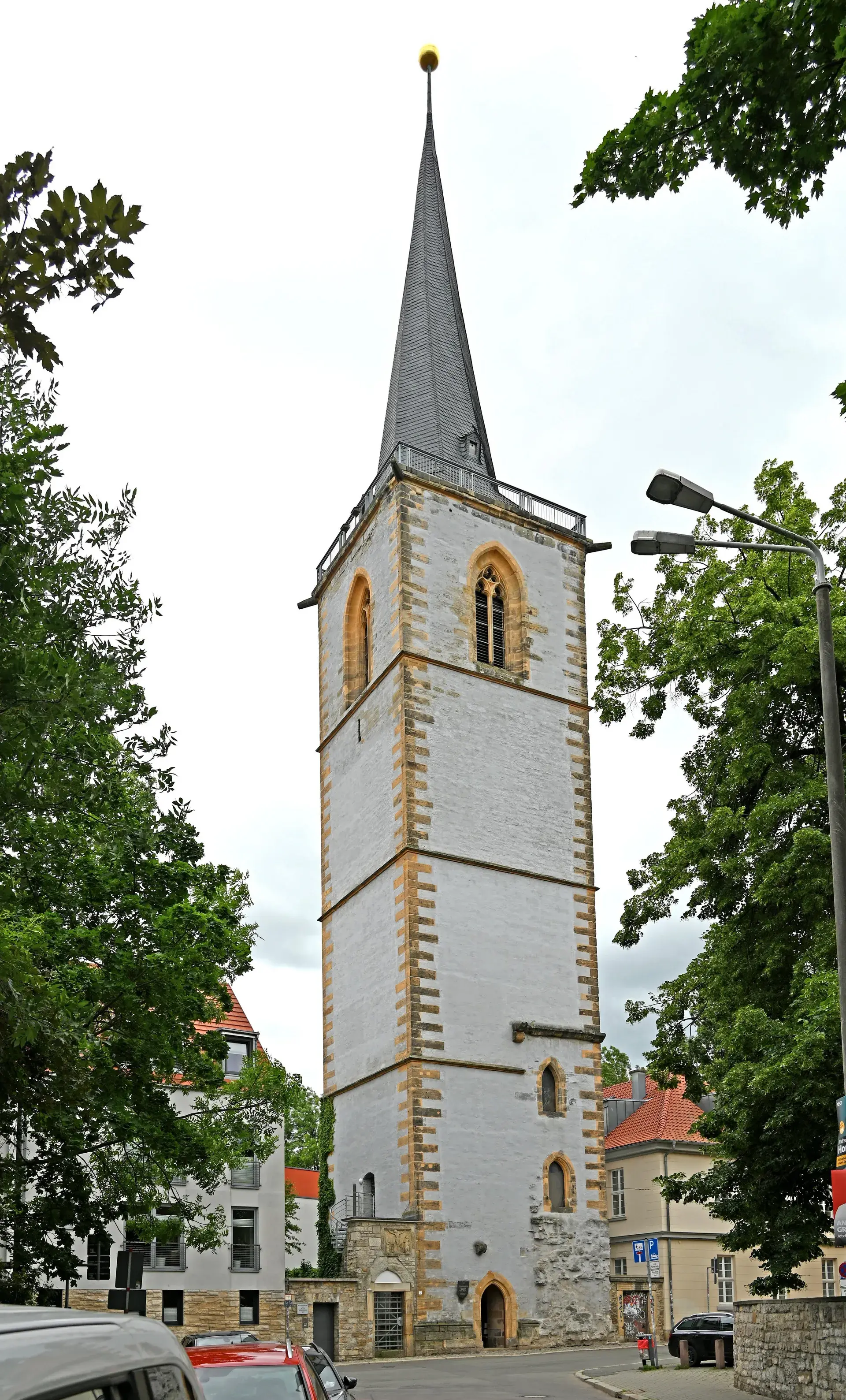
While the ground floors are dedicated to commerce, the upper levels serve as private residences for approximately 80 people. The city, which owns most of the properties, actively maintains the bridge's unique character by promoting artisan crafts. The Ägidienkirche at the eastern end offers tower views, and the annual Krämerbrückenfest celebrates the bridge with music and medieval markets.
FAQ
How many people live on the Krämerbrücke?
Approximately 80 people live on the Krämerbrücke. The private residences are located on the upper floors of the 32 buildings that line the bridge.
What is the Krämerbrücke famous for?
The Krämerbrücke is famous for being the longest continuously inhabited bridge in Europe. It is a medieval arch bridge in Erfurt, Germany, lined with 32 half-timbered houses containing shops, galleries, and residences.
Can you go inside the buildings on the Krämerbrücke?
Yes, the ground floors of the buildings are occupied by publicly accessible artisan workshops, boutiques, galleries, and specialty food stores. The 'House of Foundations' at number 31 also contains a permanent exhibition about the bridge's history.
How old is the stone Krämerbrücke?
The current stone bridge was completed in 1325, replacing earlier wooden structures. It was significantly reconstructed into its present form with half-timbered houses by 1486 after a major fire in 1472.