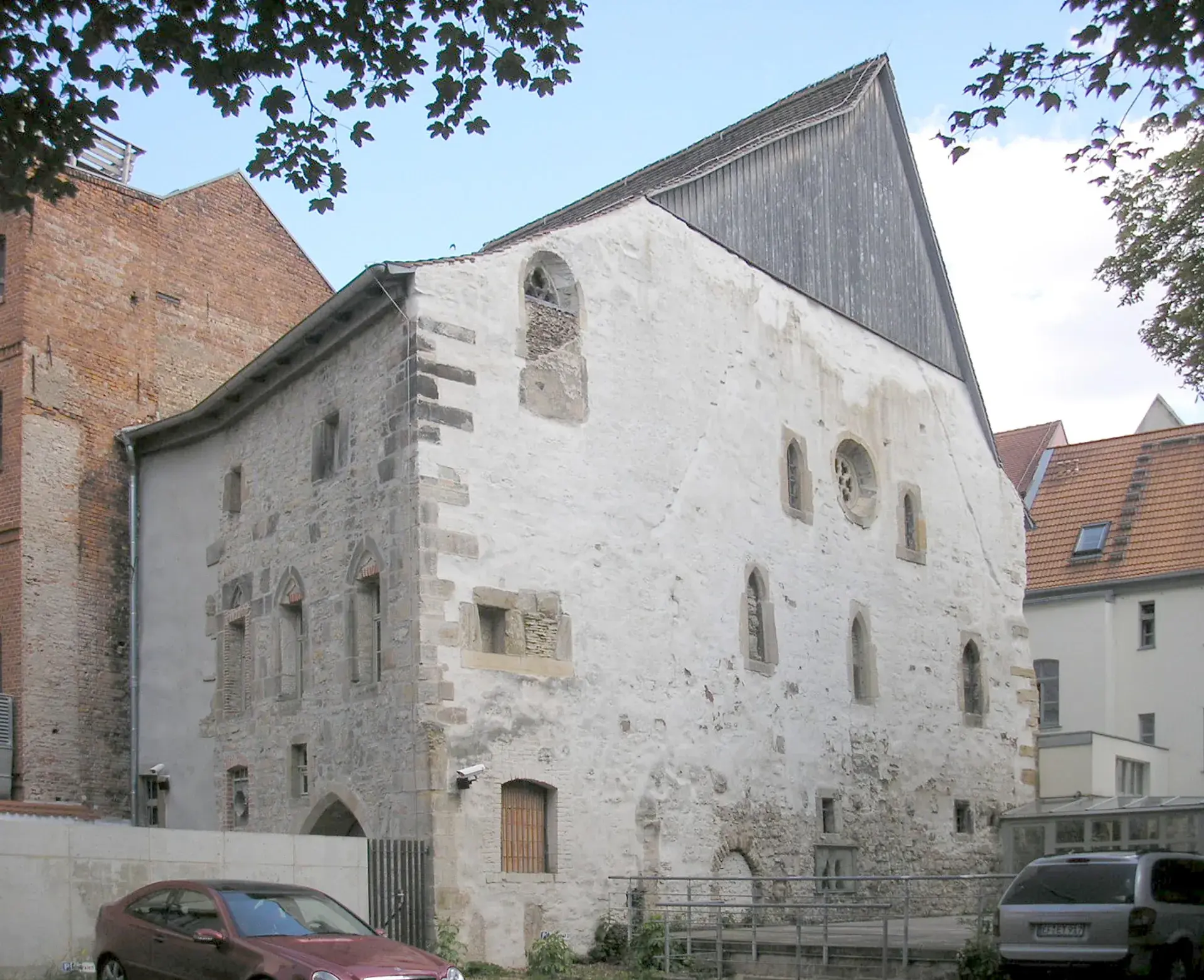
Kürschnergasse Erfurt: A Medieval Furrier's Alley
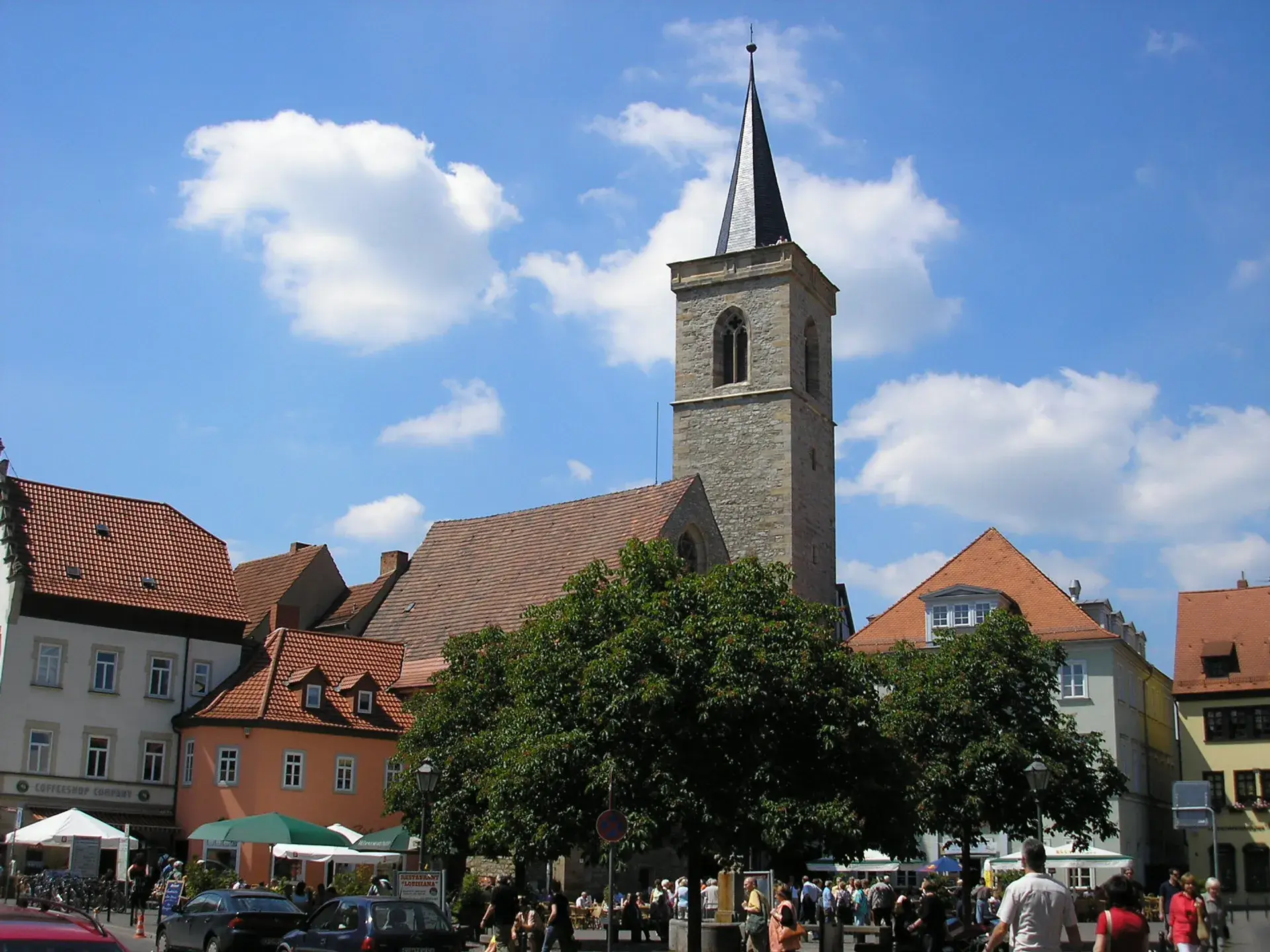
Kürschnergasse, or "Furrier's Alley," is a historic alley in Erfurt, Germany, that offers a glimpse into the city's medieval commercial past. Its name points to the specialized artisans who once plied their trade here, working with luxurious furs. The alley is intrinsically linked to the nearby Krämerbrücke (Merchants' Bridge), forming part of the dense network of streets that supported the city's bustling marketplace.
A Center of Medieval Commerce
During the Middle Ages, Erfurt flourished as a central German trading hub, strategically located on the Via Regia, a major medieval trade route. The city's prosperity was largely built on the trade of woad, a plant used for blue dye, as well as cloth and grain. Kürschnergasse's existence as a center for furriers underscores the diverse and specialized merchant economy that thrived in the area, supporting the larger commercial activities of the Krämerbrücke.
The Historic Krämerbrücke
Adjacent to Kürschnergasse is the Krämerbrücke, a cornerstone of Erfurt's history. First mentioned as a wooden bridge in 1156, it was rebuilt in stone in 1325. Spanning approximately 120-125 meters, the bridge was originally lined with 62 narrow, half-timbered buildings. These were later redeveloped into the 32 buildings that stand today. At the eastern end of the bridge is the Church of St. Aegidius, first documented in 1110. A remarkable feature of the Krämerbrücke is that it is Europe's longest continuously inhabited bridge, with residential houses still occupied along its length.
Kürschnergasse in Modern Times
Today, Kürschnergasse remains an accessible public alley within Erfurt's historic center. It is integrated into the city's cultural life, particularly during the annual Krämerbrückenfest, a historical festival celebrating the area's medieval heritage, when access may be occasionally restricted. The adjoining Krämerbrücke is a popular destination, housing galleries, cafés, and boutiques. These shops offer traditional crafts like hand-painted ceramics, glassware, jewelry, and Thuringian specialties, allowing visitors and locals to engage with the area's rich history through shopping and dining.
FAQ
What does the name Kürschnergasse mean?
Kürschnergasse translates to "Furrier's Alley." The name indicates that this street was historically home to the workshops of furriers during the Middle Ages in Erfurt.
What is unique about the Krämerbrücke near Kürschnergasse?
The Krämerbrücke is Europe's longest bridge that is continuously inhabited with residential houses along its entire length. Originally a wooden structure from 1156, it was rebuilt in stone in 1325.
What goods were important to medieval Erfurt's economy?
Erfurt was a major medieval trading hub on the Via Regia. Its economy thrived on the trade of woad (a blue dye), cloth, and grain. Specialized crafts, such as those of the furriers on Kürschnergasse, also contributed to its commercial success.
Gallery