Kaisertrutz Bastion: Görlitz's Historic Fortress
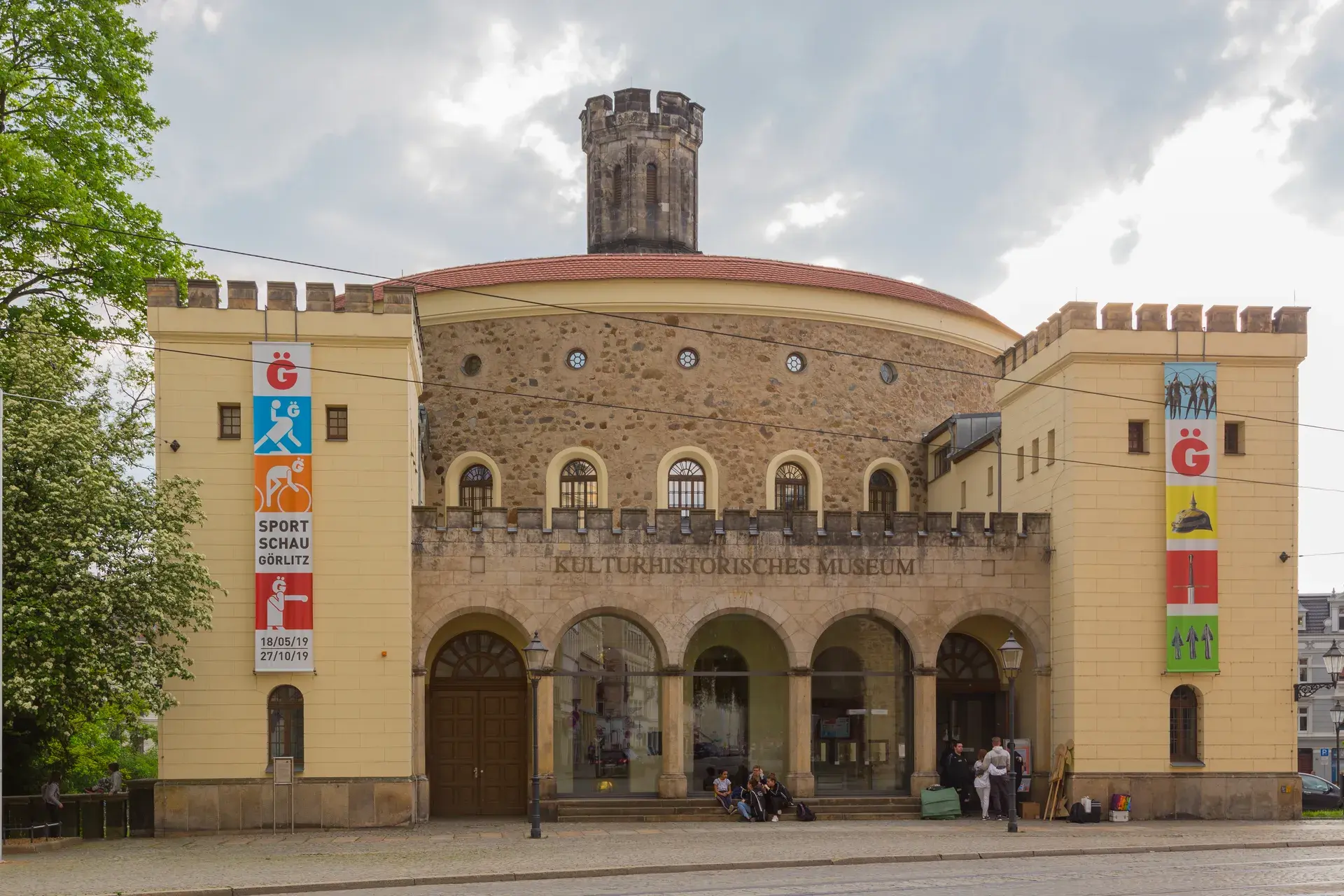
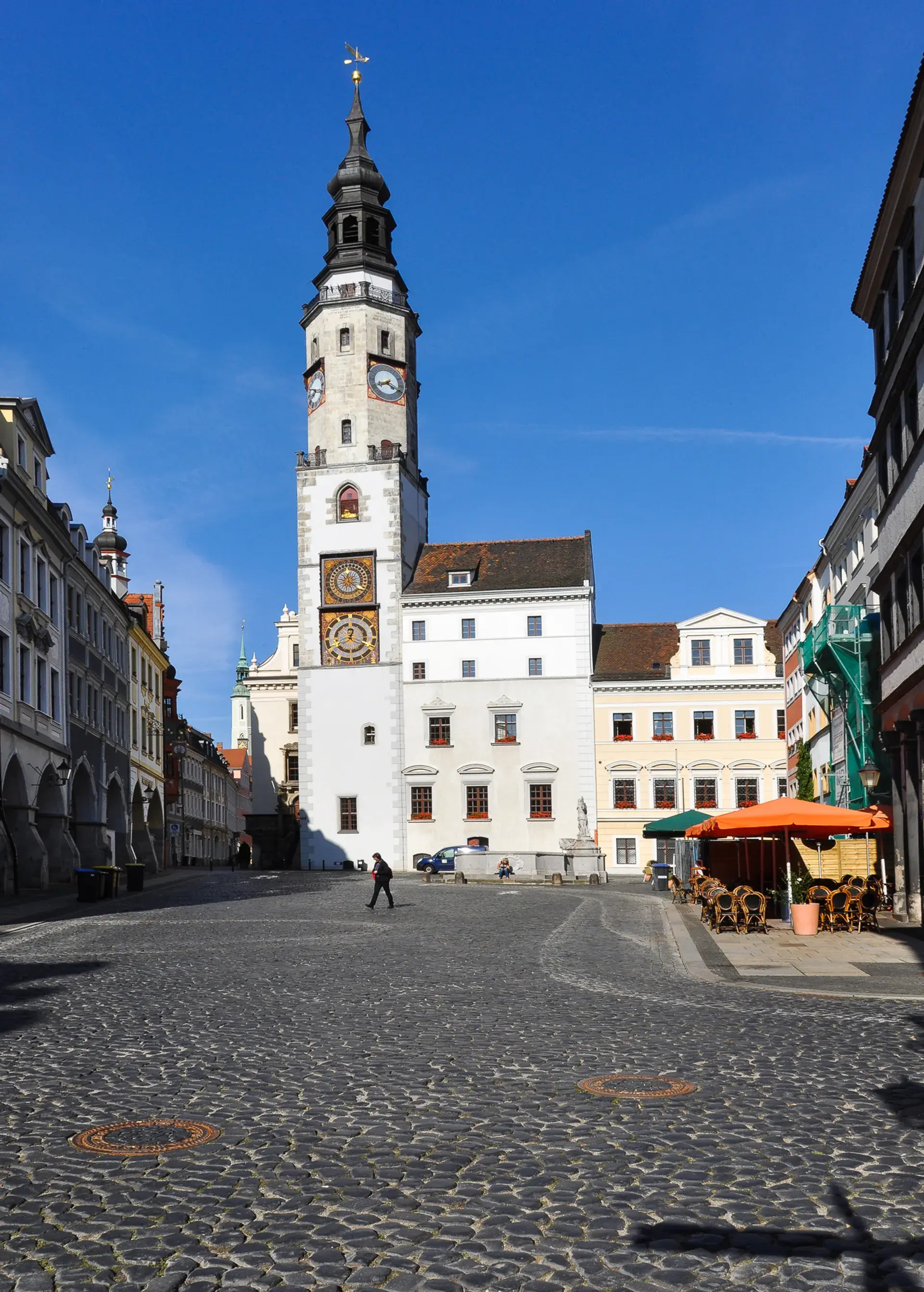
A massive medieval bastion that earned its name by successfully defying an empire, the Kaisertrutz Bastion stands as a striking historic defense structure on Platz des 17. Juni. Acting as a visual gateway, it marks the boundary where the city's medieval fortifications once met the Via Regia trade route. Today, the fortress serves as a primary link connecting modern downtown Görlitz with the historic Upper Market.
A Fortress of Imperial Defiance
Constructed in 1490 to guard the western entrance at the Reichenbach Gate, the massive circular artillery bastion was initially known as the Großes Reichenbacher Rondell. It was built specifically to defend the city and the Via Regia against the rising threat of firearms. It is one of only four surviving bastions out of the 32 that once protected Görlitz.
The structure acquired its current name, which translates to "Imperial Defiance," during the Thirty Years' War. In 1641, occupying Swedish forces held the bastion and successfully withstood a multi-week siege by combined Imperial and Saxon troops.
By 1848, the Prussian garrison transformed the building into a main guardhouse. During this period, the surrounding moat was filled, and the structure gained its current arcade entryway and flanking turrets, which are actually 19th-century additions rather than medieval features.
Architecture and Archaeological Discoveries
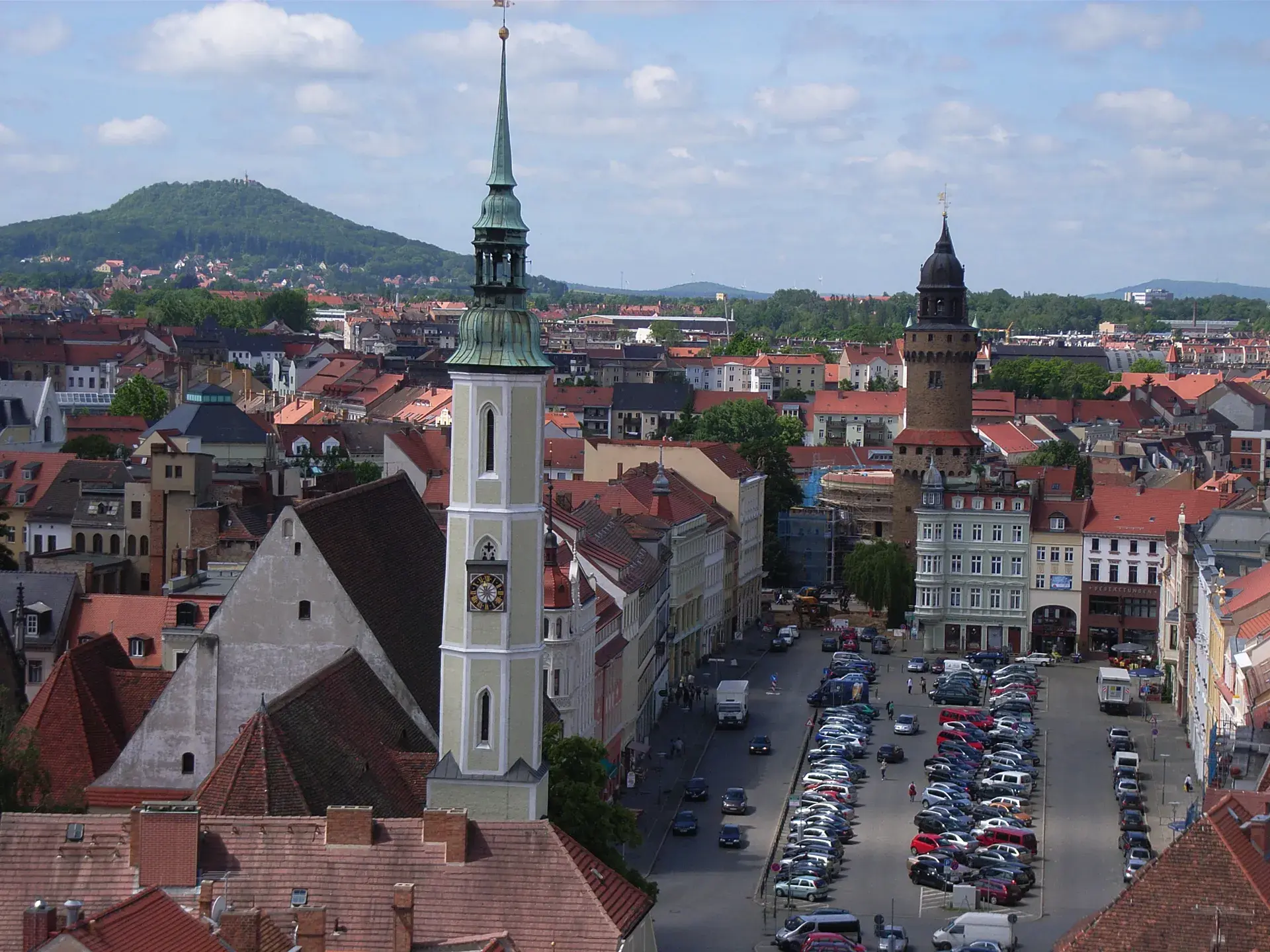
The fortress presents a solid, circular profile crafted from red-brown stone. Its distinctive thick, curved masonry walls are punctuated with gunports and small arched openings. From 1521 until the Prussian renovations in 1848, high masonry shield walls physically connected the bastion to the adjacent 51-meter-tall Reichenbach Tower, forming a highly fortified gate passage.
Despite its late 15th-century origins, the site hides an even older secret. During the clearance of the backfilled basement between 1998 and 1999, archaeologists uncovered the wooden remains of a 13th-century well buried directly beneath the bastion's foundations, predating the fortress by over two centuries.
The Görlitzer Sammlungen Museum
Transitioning into a municipal museum branch in 1932, the Kaisertrutz now operates as a major exhibition site for the Görlitzer Sammlungen (Görlitz Collections for History and Culture). The institution resumed public operation in 1948 following World War II.
The museum houses permanent archaeological and cultural history exhibits that cover 14,000 years of Upper Lusatian history. Additionally, the space features a Gallery of Modern Art, which highlights 20th- and 21st-century works.
Modern color-coded floor strips map out the circular interior layout. Distinct colors denote specific chronological eras, organizing the historical exhibits as they progress from the prehistoric basement upwards.
FAQ
Why is it called the Kaisertrutz Bastion?
The name translates to "Imperial Defiance," originating in 1641 when occupying Swedish forces successfully withstood a multi-week siege by Imperial and Saxon troops.
What is inside the Kaisertrutz today?
The bastion houses the Görlitzer Sammlungen, featuring archaeological exhibits covering 14,000 years of Upper Lusatian history, regional history displays, and the Gallery of Modern Art.
When was the Kaisertrutz Bastion built?
It was constructed in 1490 as an artillery bastion to defend the Via Regia trade route, though archaeologists later discovered a 13th-century well buried beneath its foundations.