Konzilgebäude Konstanz: Historic Papal Election Site
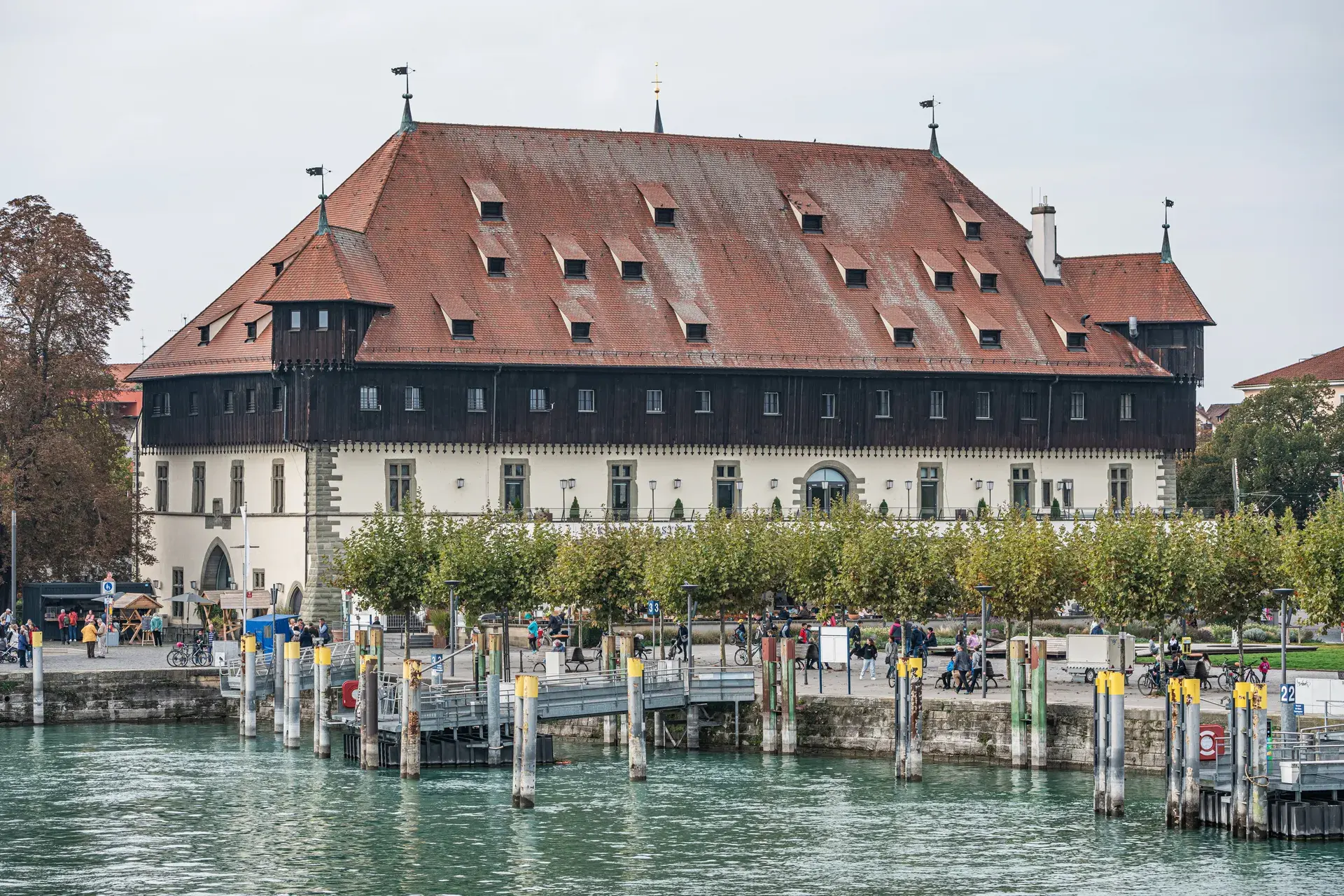
The Konzilgebäude stands as a dominant harbor landmark in Konstanz, anchoring the city's maritime and religious history. Originally built as a fortified lakeside warehouse, this massive stone structure holds a unique claim to fame: it is the only site north of the Alps to have ever hosted a papal election.
A Harbor Warehouse Turned Historic Venue
Between 1388 and 1391, master builder Arnold constructed the Konzilgebäude as a fortified harbor warehouse and transshipment hub. The project was initiated after a delegation of merchants from Milan sought a reliable lakeside hall to safely store and trade goods during the winter months. For centuries, the massive three-story stone structure functioned exactly as intended, operating as a bustling goods warehouse and customs depot. Today, it stands as the largest surviving medieval secular building in Southern Germany.
The 1417 Papal Conclave
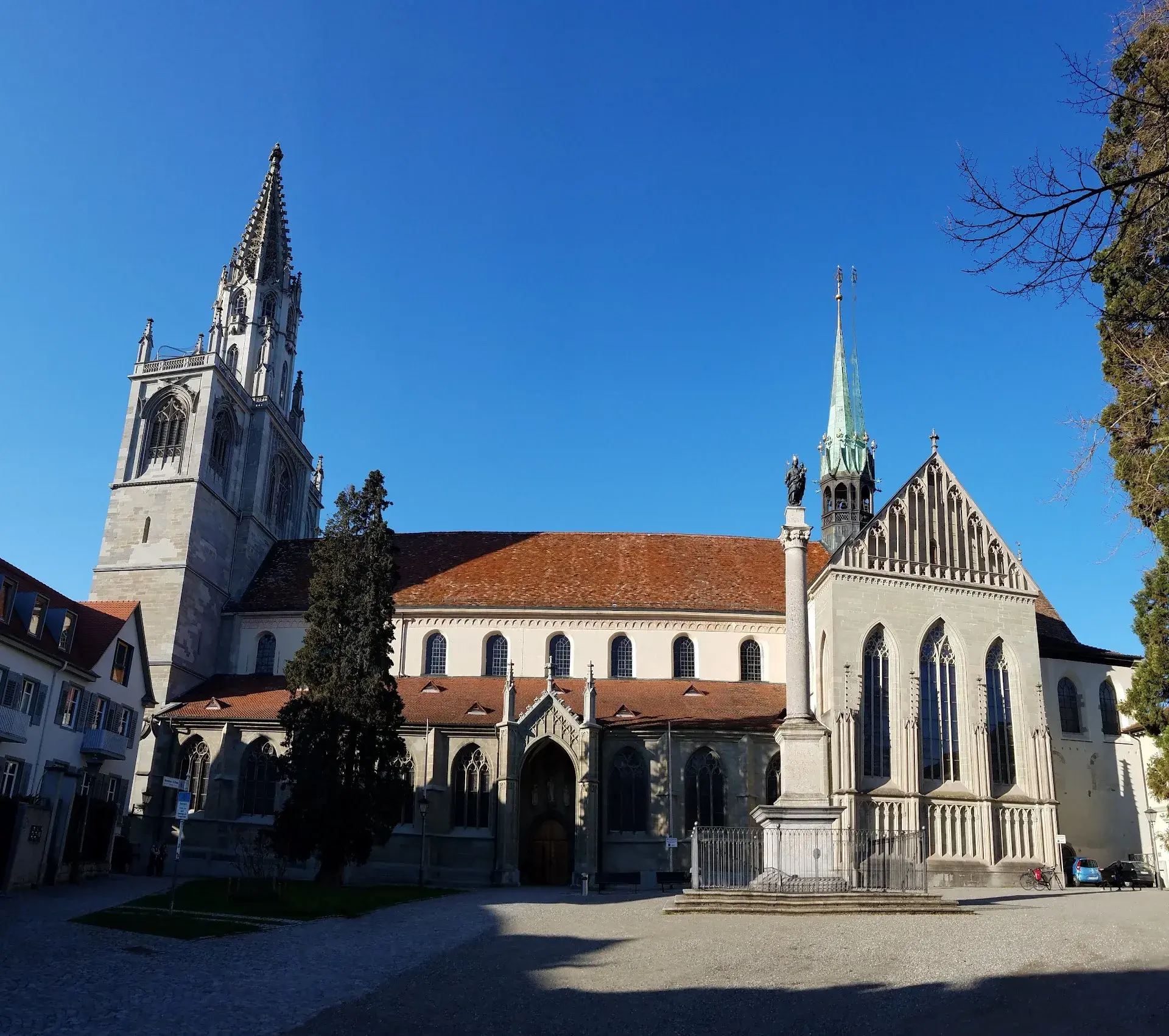
The building's global historical significance stems from the Council of Constance (1414–1418), which was convened by King Sigismund to resolve a crisis involving three rival popes. In November 1417, the warehouse's secure upper hall was requisitioned for a papal conclave. The electors chose Cardinal Oddone Colonna as Pope Martin V, effectively healing the Great Western Schism. This event marks the only papal election in Catholic history to take place north of the Alps, and the last to occur outside Italy. Interestingly, the structure received its famous moniker, the Council Building, solely because of these few days of the conclave, as most of the four-year council assemblies were held at the nearby Konstanz Minster.
Heavy Oak and Harbor Views
The architecture of the Konzilgebäude is defined by its rustic lakeside stone masonry, crowned with a massive, steep hipped roof. Inside, the wide, expansive open halls are structured by rows of heavy, dark medieval oak pillars—14 in total—and massive exposed timber beams. The building operates today as a public restaurant, café, and vibrant cultural venue. Historic spaces like the Upper Council Hall and Sigismund Hall host international conferences, civic gatherings, banquets, and concerts. From its lakeside terrace beside the Stadtgarten park, the venue offers panoramic views of arriving passenger ferries, Lake Constance, and the distant Alpine ridge. The name Konzilgebäude only gained widespread popularity in 1824, after antique dealer Josef Kastell set up a display of artifacts related to the council inside its historic walls.
FAQ
Why is the Konzilgebäude in Konstanz famous?
It is famous for hosting the November 1417 papal conclave during the Council of Constance, where Pope Martin V was elected. This remains the only papal election in Catholic history to take place north of the Alps.
Was the Konzilgebäude originally built as a religious building?
No, it was constructed between 1388 and 1391 by master builder Arnold as a fortified harbor warehouse and transshipment hub for merchants, operating as a working goods depot for centuries.
What is inside the Konzilgebäude today?
Today, the building operates as a public restaurant, café, and cultural venue. The interior features historic spaces like the Upper Council Hall and Sigismund Hall, which are characterized by massive exposed timber beams and 14 monumental solid oak pillars.