Landgrafen Palace: Marburg's Hilltop Castle
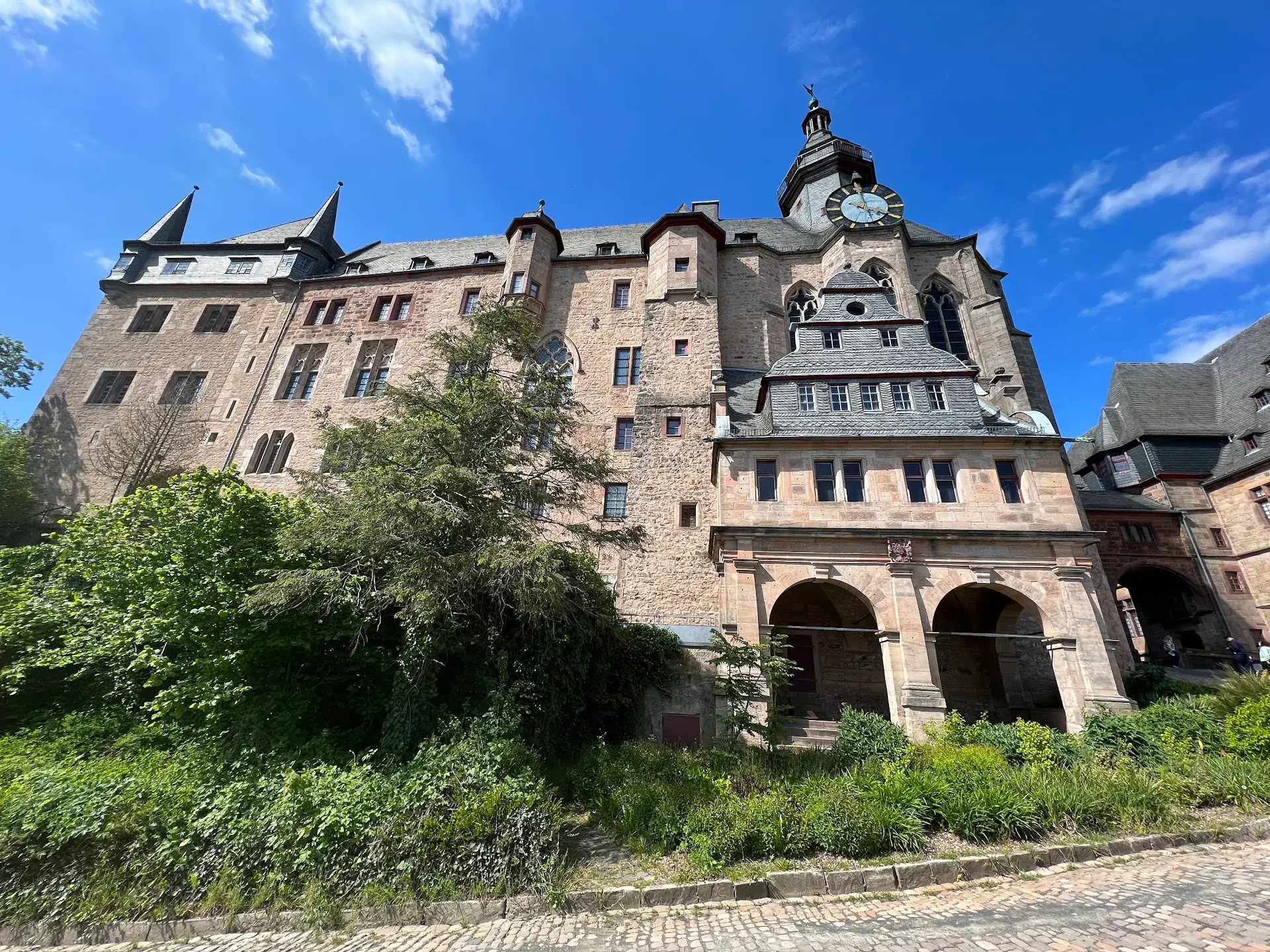
At the summit of Marburg, a medieval stronghold hosted both a pivotal clash of Protestant reformers and, centuries later, the processing of captured Nazi secrets. Founded in the 11th century by the counts of Thuringia, Landgrafen Palace (also known as Marburger Schloss) sits atop the 287-meter Schlossberg. In the late 13th century, under Heinrich I, it became the primary residence of the Landgraviate of Hesse.
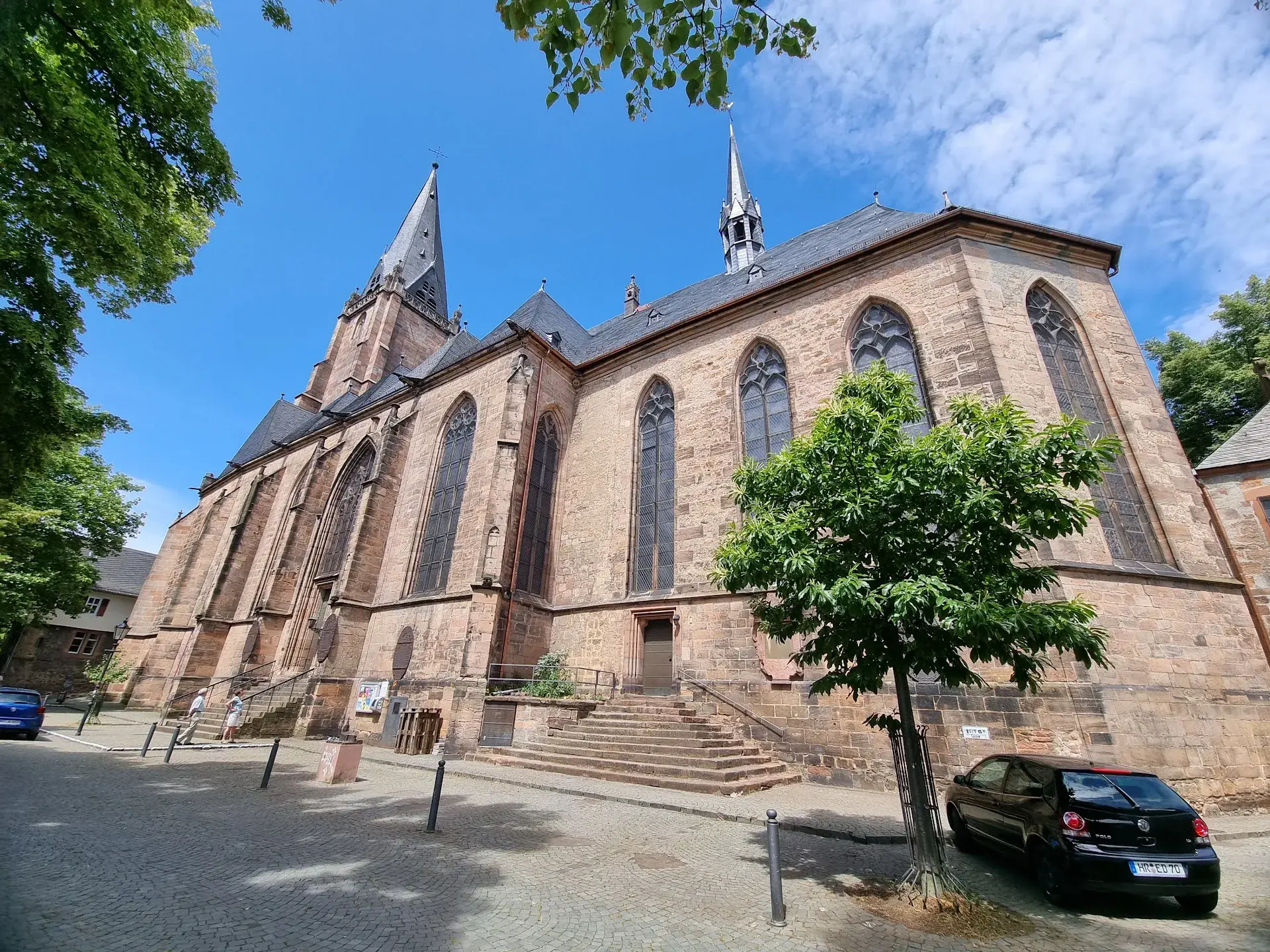
As the crowning landmark of Marburg, the hilltop Schloss visually and historically anchors the city from above, standing in direct contrast to the sacred medieval pilgrimage site of the Elisabethkirche down in the valley floor.
Gothic Architecture and Medieval Foundations
The castle features several notable structures spanning centuries of architectural evolution. The 1288 Schlosskapelle and the 1493-1500 Wilhelmsbau showcase the fortress's historical expansion. The Fürstensaal stands out as a major secular Gothic hall.
Visitors examining the West Wing will find suspended glass floors that reveal the deep, excavated medieval foundation masonry below, offering a glimpse into the castle's earliest structural history.
The Marburg Colloquy
In 1529, the castle was the site of the Marburg Colloquy. Landgrave Philip the Magnanimous gathered prominent Protestant reformers, including Martin Luther and Huldrych Zwingli, who famously disagreed on the nature of the Eucharist during these meetings.
Although romantic 19th-century paintings depict these pivotal theological debates taking place in the grand Gothic Fürstensaal, historical documentation indicates the discussions actually occurred in the private chambers of the castle's southern wing.
Subterranean Vaults and the Witch's Tower
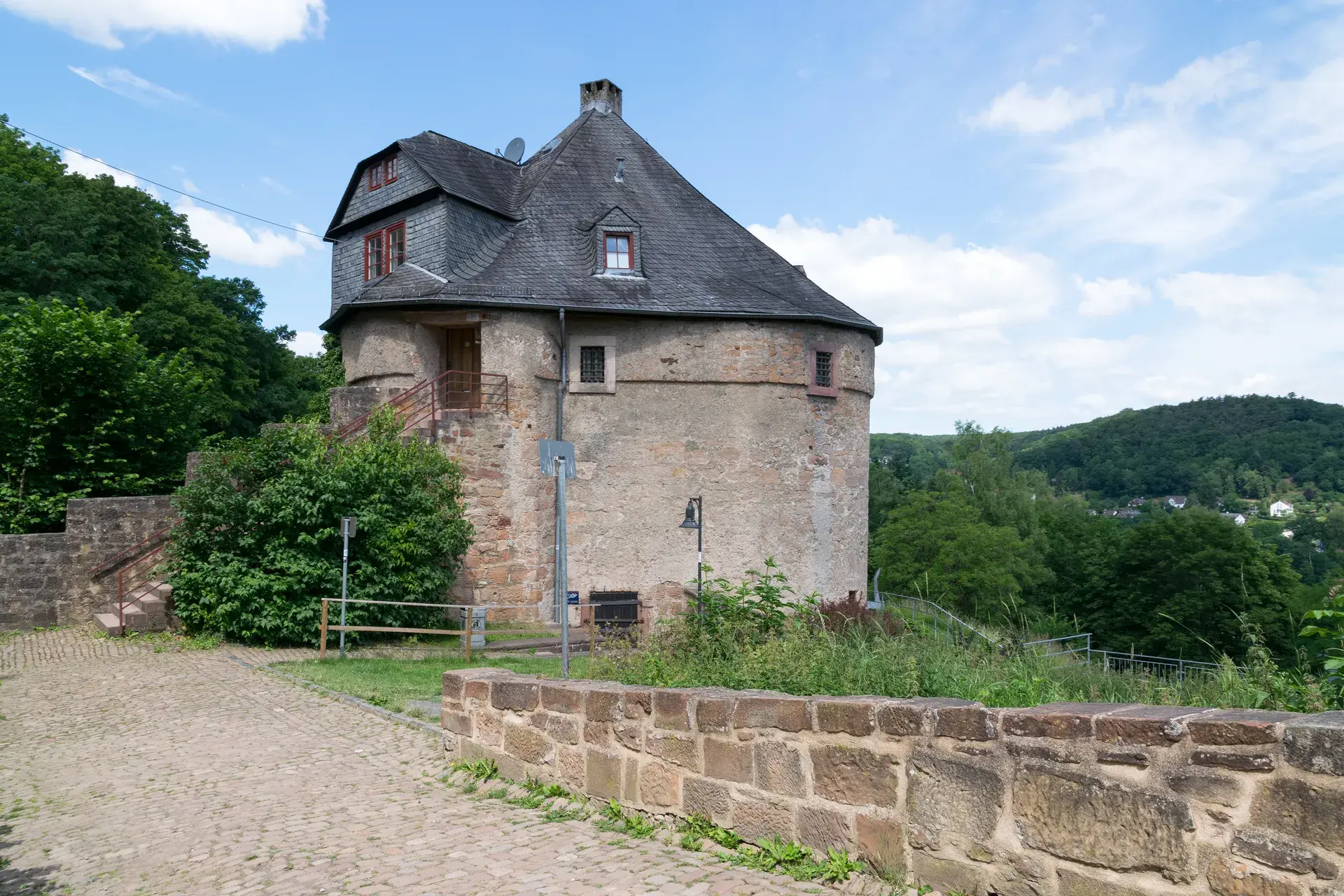
The castle's defensive capabilities were bolstered over the centuries. The "Hexenturm" (Witch's Tower) was originally constructed as a cutting-edge artillery gun tower in 1478. It only gained its notorious nickname centuries later when it was repurposed as a prison.
In 1807, Napoleon ordered the fortress's bastions to be blown up. This action buried the castle's underground casemates under rubble, where they remained hidden until excavations began in 1977. Today, these subterranean stone vaults echo with acoustics and hold a cool, damp chill.
The Windsor Files
The castle played a surprising role in the aftermath of World War II. In May 1945, Allied intelligence utilized the fortress to process 400 tons of captured Nazi diplomatic archives. Among these documents were the controversial "Windsor Files," which detailed communications and intelligence regarding the Duke of Windsor.
A Modern Cultural Hub
Since 1981, Landgrafen Palace has operated as the cultural history branch of the Philipps-Universität Marburg's Museum für Kunst und Kulturgeschichte. The museum is open Tuesday through Sunday and features temporary exhibitions alongside its permanent collection. The castle park terraces remain accessible to the public, and guided tours are available to explore the underground casemates.
FAQ
What is the history behind the Hexenturm at Landgrafen Palace?
The Hexenturm, or Witch's Tower, was originally built in 1478 as an advanced artillery gun tower. It received its current nickname centuries later when it was used as a prison.
Where did the 1529 Marburg Colloquy take place?
While 19th-century paintings show the Marburg Colloquy occurring in the castle's grand Gothic Fürstensaal, historical records show that Martin Luther and Huldrych Zwingli actually debated in the private chambers of the southern wing.
Why were the castle's casemates buried?
The underground casemates were buried under rubble in 1807 when Napoleon ordered the destruction of the fortress's bastions. They remained hidden until excavation efforts began in 1977.
What are the Windsor Files?
The "Windsor Files" are a controversial collection of captured Nazi diplomatic archives processed by Allied intelligence at Marburg Castle in May 1945. They were part of a 400-ton cache of documents.
Discover Marburg like never before
Dive into Marburg hidden stories and secret spots with Ciceru interactive tours.
Explore tour
Audioguide
Quizzes
Maps
Solo
Couples
Groups & families

© Photo by hannoverfoto via Google Maps · Google Places