Ozeaneum Stralsund: Modern Baltic Sea Aquarium
Architectural Contrast on the Harbor
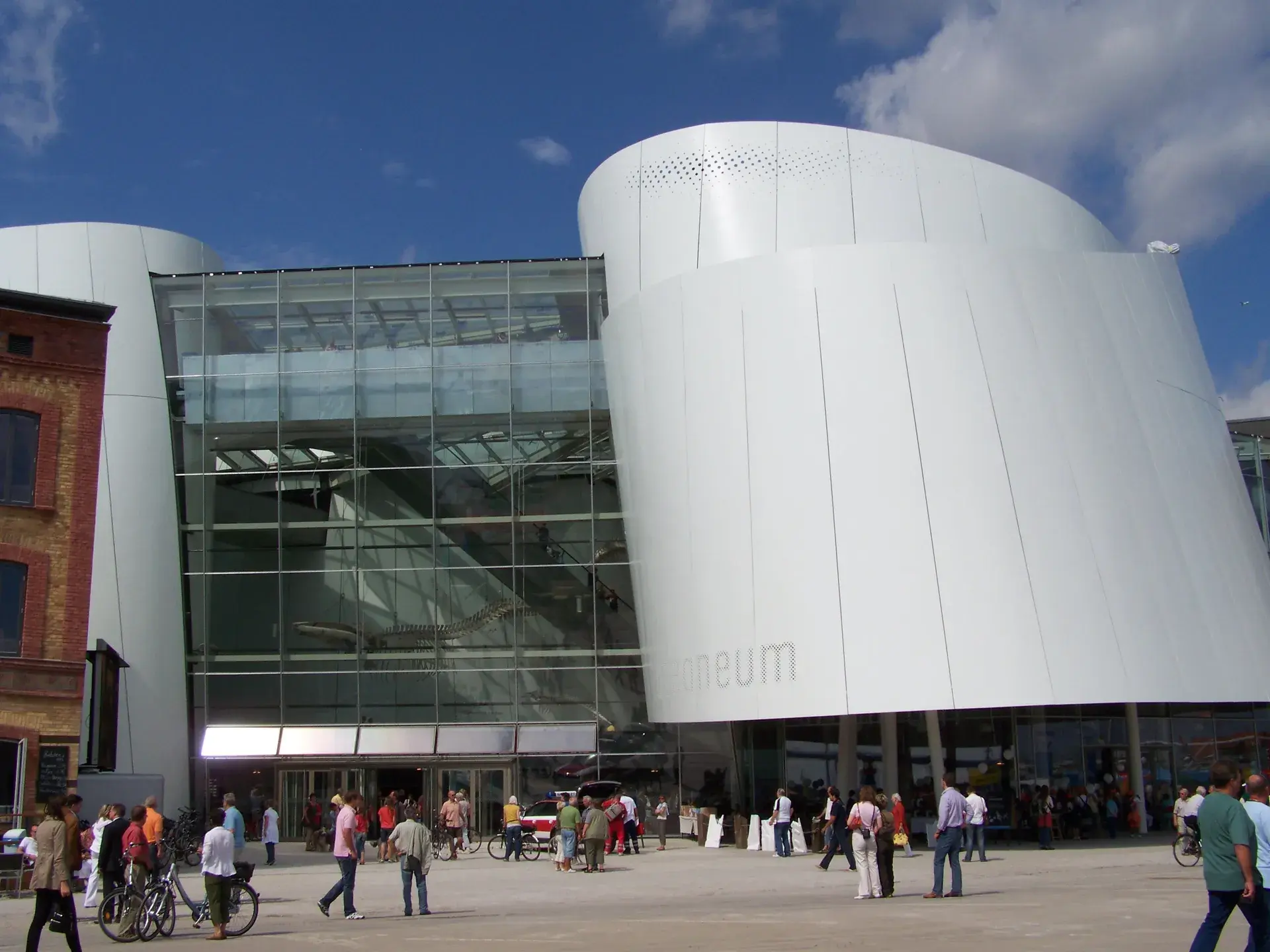
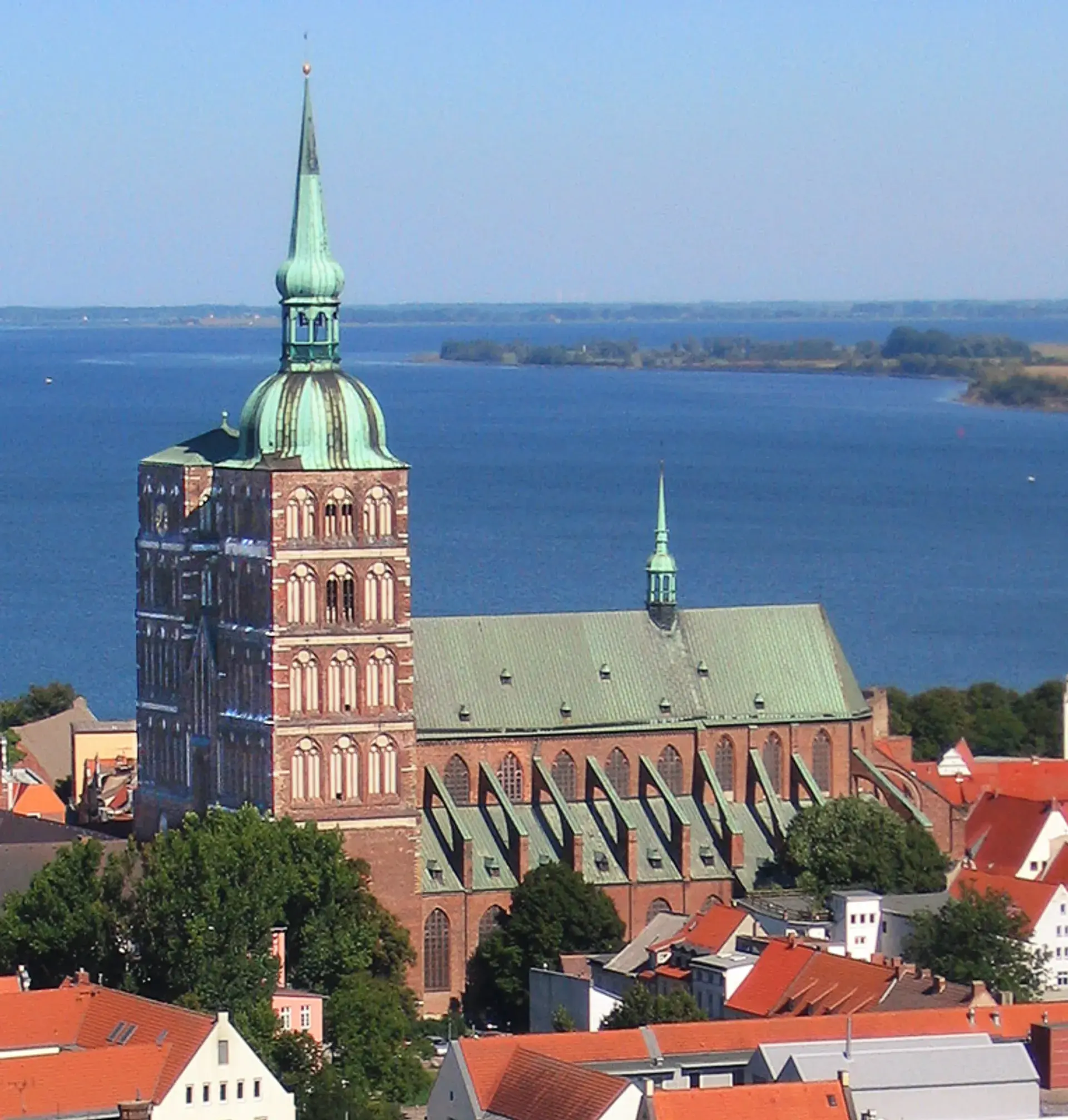
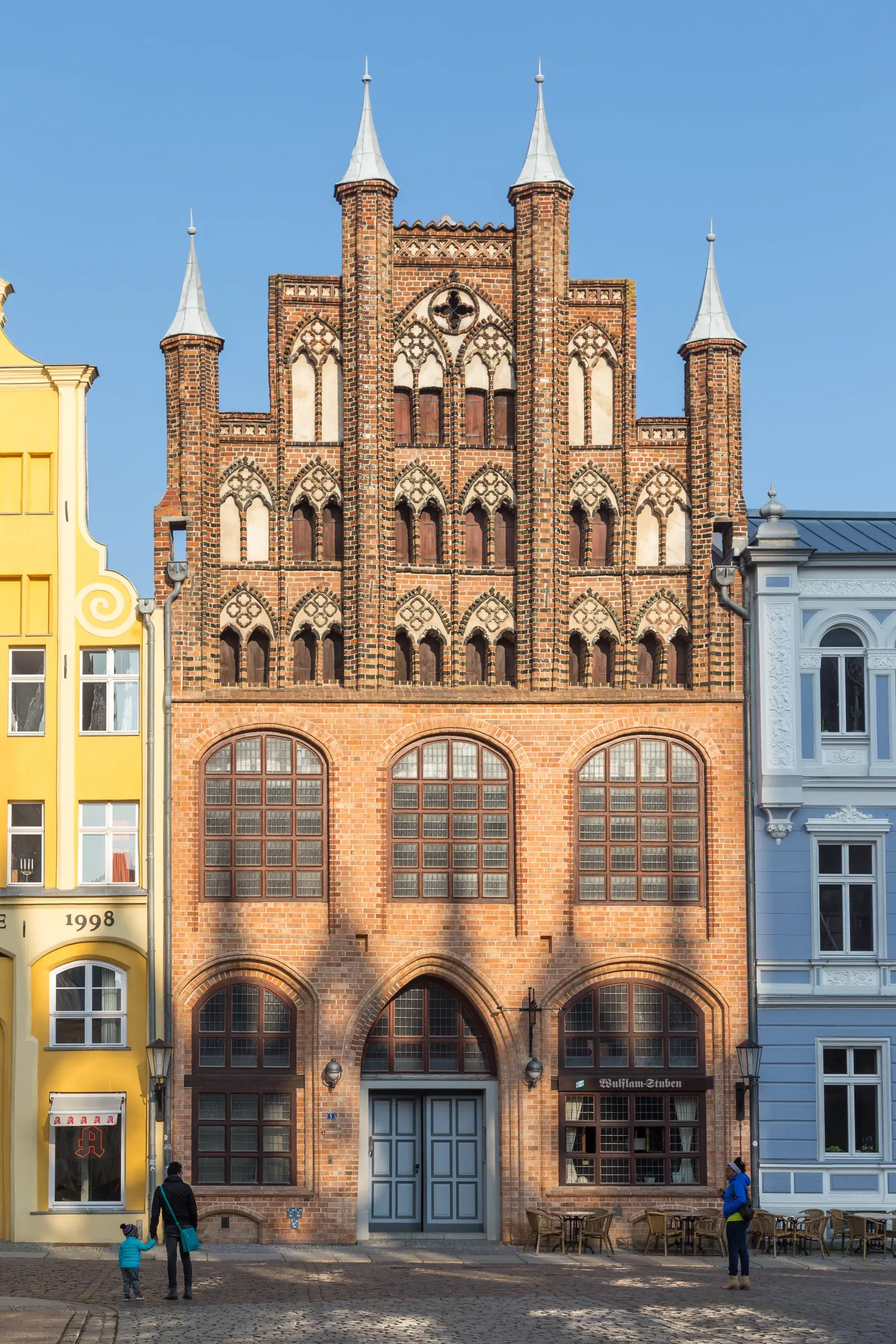
Contrasting sharply with Stralsund's medieval red-brick skyline, four sleek, white steel volumes rise from the harbor to highlight the ecology of the northern seas. The Ozeaneum operates as a major oceanographic museum and public aquarium on the city's harbor island. Acting as a modern branch of the German Oceanographic Museum, the facility forms a physical and conceptual bridge between the UNESCO-listed Brick Gothic old town and the open waters of the Strelasund.
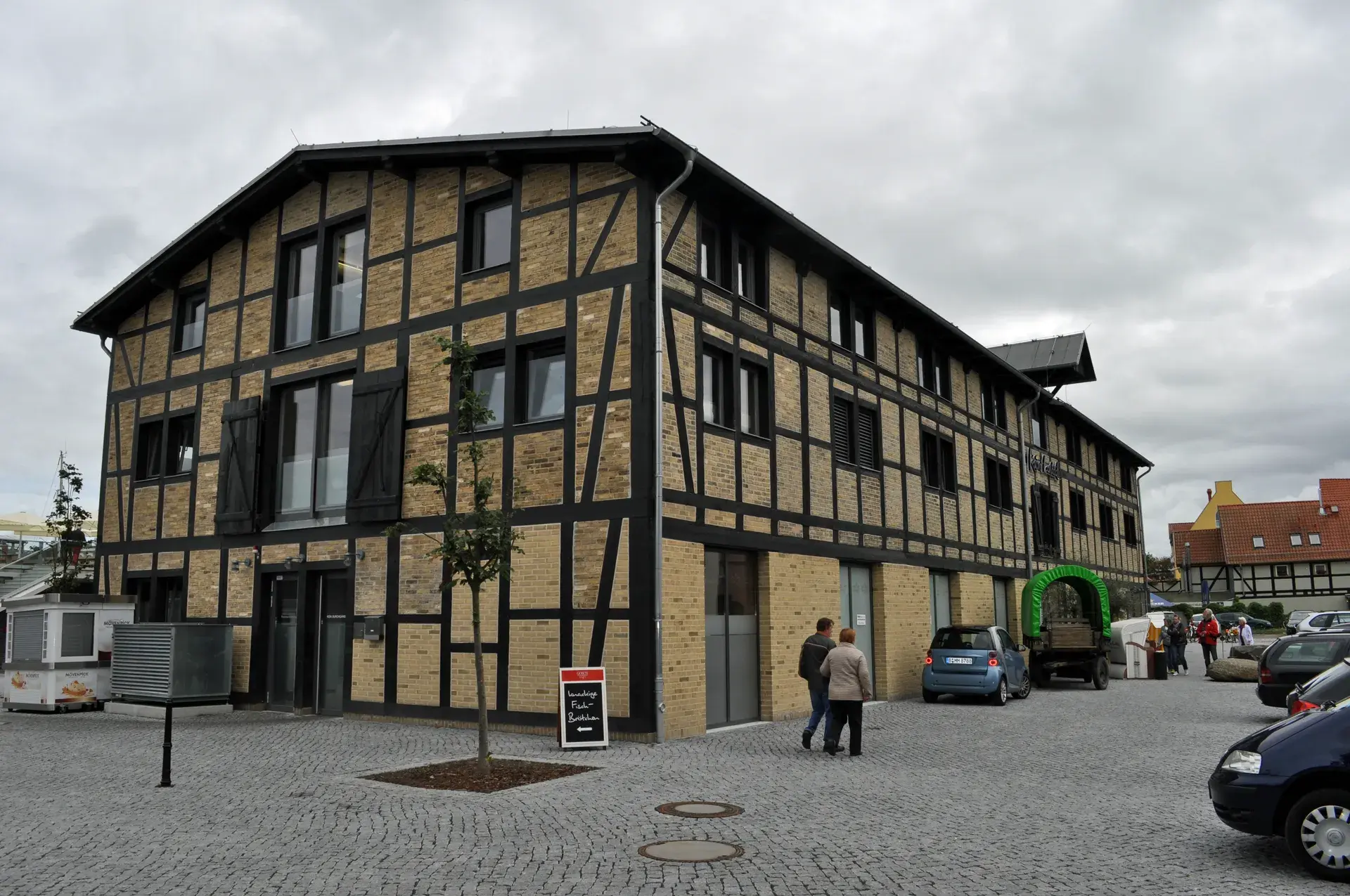
Designed by Behnisch Architekten, the building features curved volumes wrapped in continuous ribbons of white painted sheet steel. This design draws inspiration from shipbuilding techniques and water-carved stones, creating a stark visual difference against the weathered port warehouses and cobbled quays. During the complex's construction, a historic port warehouse was directly integrated into the modern structure.
Baltic Sea and Northern Oceans
The museum serves as an environmental education center and marine research facility focused on the Baltic Sea, North Sea, and North Atlantic. It holds Europe’s largest comprehensive exhibition dedicated entirely to the Baltic Sea. The live aquarium sequence begins by simulating the environment immediately at the museum's doorstep, recreating the underwater view beneath the wooden pilings of Stralsund’s own harbor piers before tracing the open sea northward to Scandinavian rocky skerries.
Across the facility, approximately 50 live aquaria showcase diverse marine habitats. The 2.6-million-liter Open Atlantic Tank features sharks, rays, and schooling fish visible through two levels of thick acrylic panels. Additionally, the building's roof terrace houses a Humboldt penguin colony alongside panoramic viewpoints overlooking the Old Town skyline.
Giants of the Seas
Inside the light-filled central foyer, a 30-meter-long suspended diagonal escalator transports visitors to the top floor. This freestanding escalator intentionally frames upward views of hanging marine skeletons along the ascent into the darker, oceanic-themed gallery spaces.
The museum features a full-height "1:1 Giants of the Seas" hall, developed in collaboration with Greenpeace. The space contains suspended life-size replicas of blue whales, sperm whales, and other cetaceans. The hall is defined by an auditory soundscape of whale calls, crashing surf, and low oceanic resonance, all underscored by the deep hum of the building's filtration machinery.
FAQ
When did the Ozeaneum Stralsund open?
Following an international architectural competition won in 2002, construction began in 2006. The museum officially opened on July 11, 2008, and was later awarded the European Museum of the Year Award in May 2010.
What marine environments does the Ozeaneum focus on?
The facility focuses on the cold northern seas, specifically the marine environments and biodiversity of the Baltic Sea, North Sea, and North Atlantic. This complements the historic Meeresmuseum in Stralsund, which focuses on warm tropical oceans.
What animals can be seen at the Ozeaneum?
The museum houses approximately 50 aquaria featuring regional underwater fauna, schooling fish, sharks, and rays in the Open Atlantic Tank. It also maintains a colony of Humboldt penguins on its roof terrace.