Festung Marienberg: Würzburg's Prince-Bishop Fortress
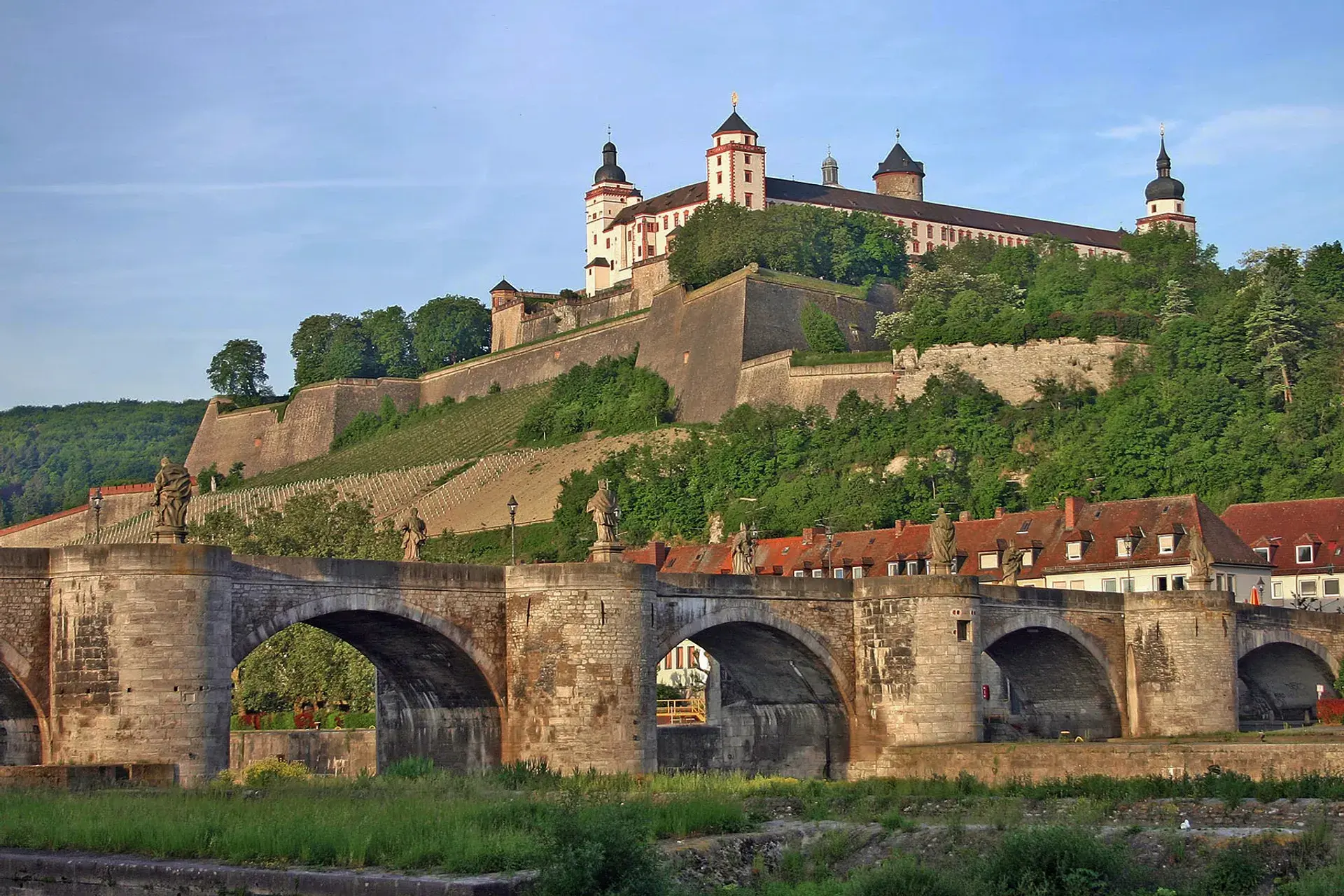
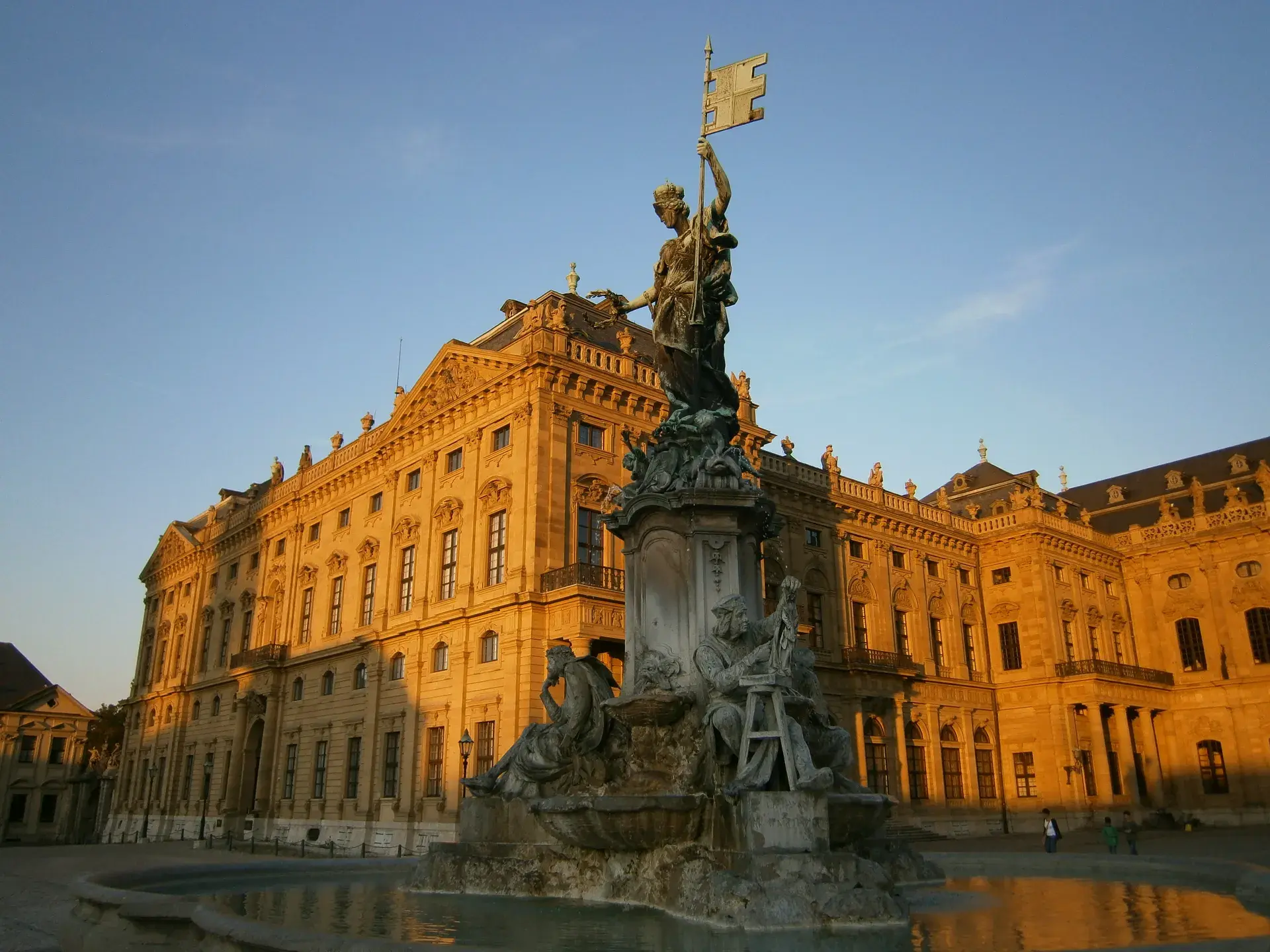
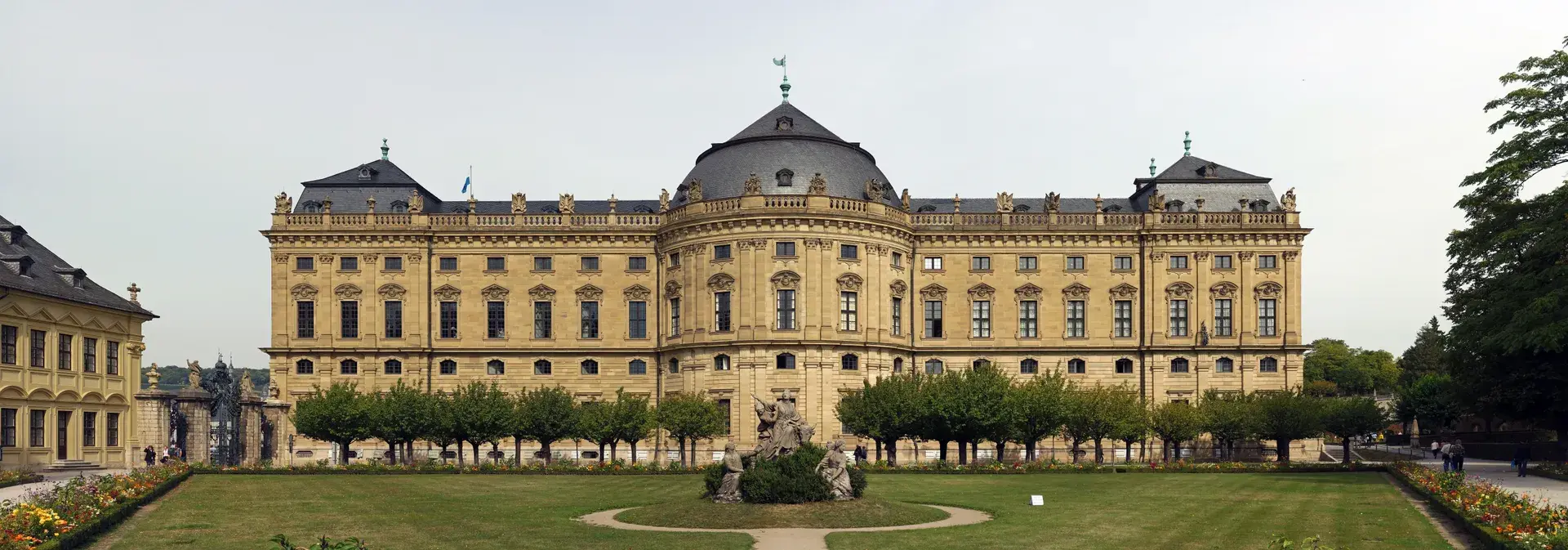
A Fortress of Power and Peculiar Traditions\n\nLooming over the city, Festung Marienberg served as the impenetrable seat of the Würzburg Prince-Bishops for 466 years. This formidable fortress was a clear and intimidating symbol of their military might. The Prince-Bishops, lavish in life, chose to be fragmented in death. Their intestines were interred within the fortress's St. Mary's Church, completely separate from their bodies, which were buried in the new cathedral in the city below.\n\n## Ancient Origins and Medieval Might\n\nThe site boasts a history spanning over three millennia. Evidence points to a Celtic refuge castle built by the Urnfield and Hallstatt cultures around 1000 BC. The Franks took control of the strategic hill in the 6th century. By 706 AD, the Marienkirche (St. Mary's Church) was consecrated, and it remains one of Germany's oldest surviving round churches today. The fortress evolved significantly when Bishop Konrad I von Querfurt fortified the site around 1201. In 1253, Bishop Hermann von Lobdeburg permanently relocated the princely court to the fortress. This strategic retreat was driven by tense relations with the townspeople, who frequently sided with the Emperor. The stronghold proved its worth during the 1525 German Peasants' War, when a small garrison successfully repelled an army of 15,000 peasants. Following the rebellion, the renowned late-Gothic sculptor Tilman Riemenschneider was imprisoned in the fortress dungeon for supporting the uprising.\n\n## Renaissance Transformations and Dark Times\n\nBetween 1573 and 1617, Prince-Bishop Julius Echter von Mespelbrunn initiated significant defensive overhauls and transformed the fortress into a Renaissance palace. His legacy also includes a 1603 well house featuring a cistern that descends over 100 meters deep. The 17th century brought darker times to Würzburg. Prior to the fortress's conquest by Swedish King Gustavus Adolphus in 1631 during the Thirty Years' War, the region experienced intense witch trials resulting in the burning of 600 to 900 alleged witches. Following the Swedish occupation, Prince-Bishop Johann Philipp von Schönborn reinforced the fortress with massive bastions starting in 1635. Decades later, in 1728, the prominent architect Balthasar Neumann designed the Maschikuli Tower, completing the site's defensive evolution.\n\n## A Shift in Governance and Modern Restoration\n\nA major turning point occurred in 1719 and 1720 when the Prince-Bishops moved their official residence to the newly constructed, opulent Würzburg Residence in the city below. This marked the end of the Marienberg as the primary seat of governance. Centuries later, the fortress suffered severe damage from British bombs in March 1945, though it was fully rebuilt by 1990.\n\n## Exploring Festung Marienberg Today\n\nToday, Festung Marienberg is a state-managed monument overseen by the Bavarian Administration of State-Owned Palaces, Gardens and Lakes. The site houses the Museum für Franken, which displays prehistoric artifacts, Franconian folklore exhibits, wine culture displays, and prominent works by Tilman Riemenschneider. The Fürstengarten, or Prince's Garden, provides sweeping panoramic views of Würzburg and the Main River. While the inner fortress is undergoing major restoration expected to conclude between 2030 and 2032, visitors can still access the outer Echterhof, various scenic viewpoints, and the summer beer garden.
FAQ
Why did the Prince-Bishops move to Festung Marienberg in 1253?
Bishop Hermann von Lobdeburg relocated his court to the fortress due to tense relations with the townspeople of Würzburg, who had sided with the Emperor. It offered a secure and intimidating stronghold over the rebellious city.
What is the oldest structure inside Festung Marienberg?
The Marienkirche (St. Mary's Church) is the oldest standing structure. Consecrated in 706 AD, it is recognized as one of Germany's oldest surviving round churches.
Are all areas of Festung Marienberg open to the public?
While the outer Echterhof, the Fürstengarten, and the Museum für Franken remain accessible, much of the inner fortress is closed for extensive restoration work expected to be completed between 2030 and 2032.
What happened to Festung Marienberg during the 1525 Peasants' War?
During the 1525 German Peasants' War, an army of 15,000 peasants besieged the fortress. However, a small garrison successfully defended the stronghold, firmly solidifying the Prince-Bishops' authority.