Hofgarten Würzburg: History & Court Garden Guide
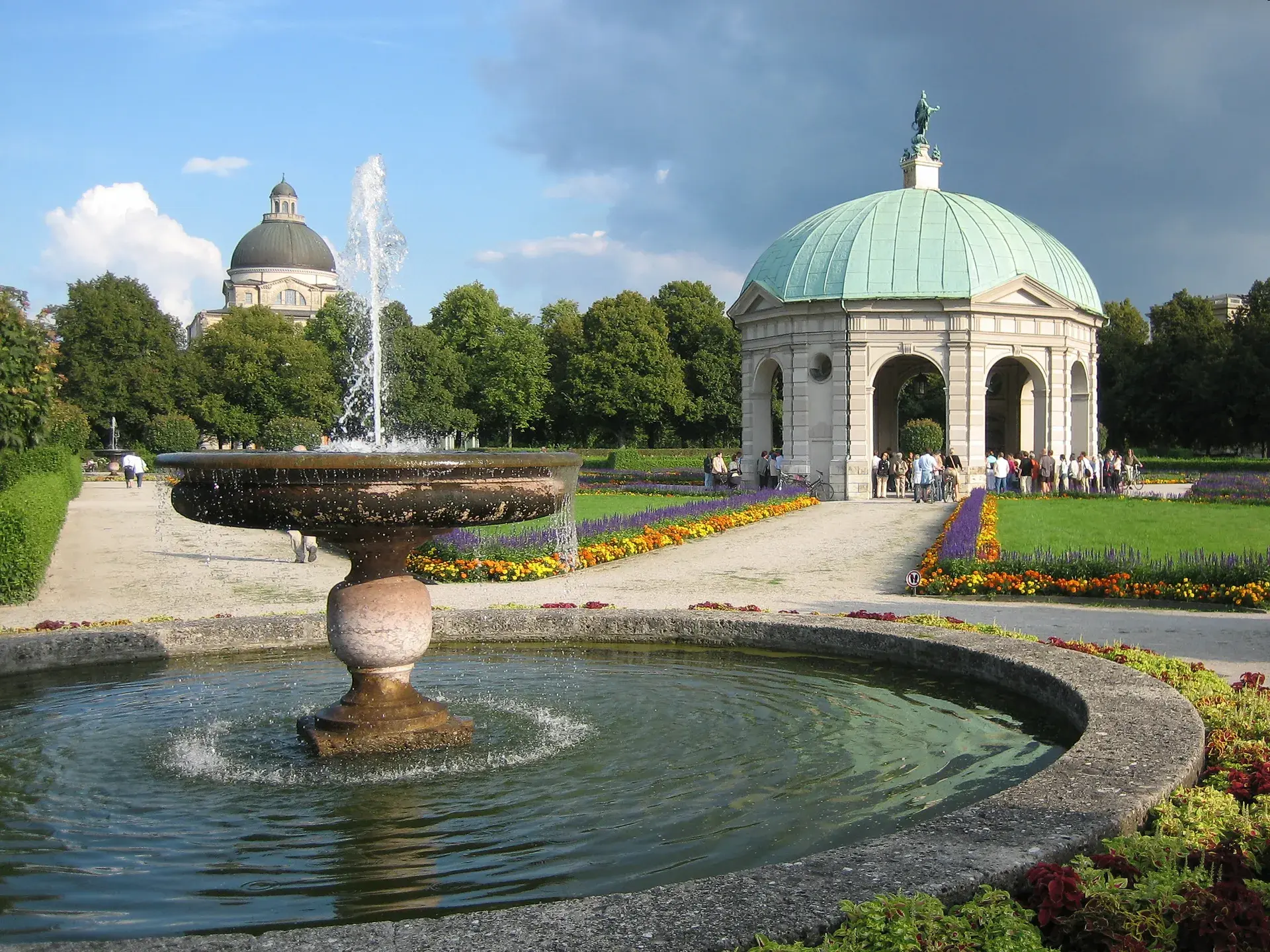
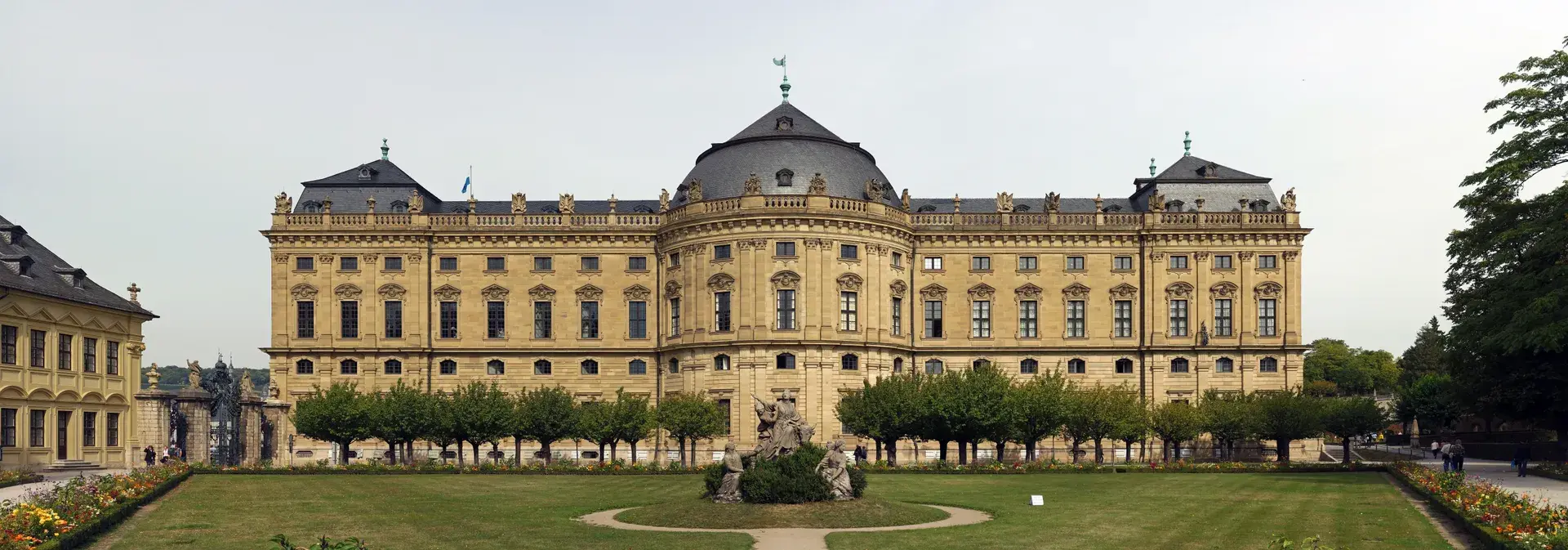
The Hofgarten, seemingly a static monument to Baroque grandeur, secretly housed a complex hydraulic grotto featuring an automatic water organ and mechanical figures, turning a stroll through the garden into an auditory spectacle for the Prince-Bishops. This sprawling garden was the ecclesiastical rulers' private sanctuary and a stage for lavish courtly life, designed to impress visitors and demonstrate mastery over nature. Today, it stands as an integral part of the Würzburg Residence, a UNESCO World Heritage site.
The Vision of the Prince-Bishops
The Hofgarten's origins are inextricably linked to the Würzburg Residence. Commissioned to replace the medieval Marienberg Fortress as the seat of power, the Residence's foundation stone was laid on May 22, 1720, by Prince-Bishop Johann Philipp Franz von Schönborn. Schönborn died in 1724, only living to see the completion of the northern wing rather than the sweeping grandeur he originally envisioned. The monumental task of engineering the palace and its garden structures fell to Johann Balthasar Neumann, a master architect who also served as a military engineer and artillery officer. He applied his rigorous engineering expertise to the complex statics required for the grand estate.
A Blend of Horticultural Styles
Constructed between 1700 and 1780, the Hofgarten evolved significantly over the decades. The initial layout favored French Baroque designs, characterized by geometrically arranged parterres, symmetrical fountains, and statues. Later, under the patronage of Prince-Bishop Adam Friedrich von Seinsheim, who reigned from 1755 to 1779, the gardens embraced new horticultural trends. Seinsheim introduced exotic plants, turning the Würzburg Hofgarten into a model for other European princely gardens.
This evolution continued under court gardener Johann Prokop Mayer, who shaped the grounds between 1776 and 1780. Mayer adapted the eastern sections into a more English landscape style. A dedicated horticulturist, Mayer documented 150 different types of peaches, 120 varieties of apples, and 90 kinds of pears during his tenure managing the garden.
Whimsical Grottos and Hidden Curiosities
Despite its formal appearance, the Hofgarten featured elements of surprise and entertainment. The garden boasted an elaborate grotto designed to mimic a natural cave, heavily adorned with shells and crystals. Powered by complex hydraulic engineering, this grotto housed an automatic water organ and various mechanical figures, creating a lively soundscape for the court.
The garden’s initial blueprints also reflected the widespread European fascination with exotic cultures. Plans included an orangery and a 'Chinese House.' While the orangery was successfully constructed and remains standing today, the Chinese House was eventually replaced by other landscaping elements.
Surviving the Flames of War
The Hofgarten and the Würzburg Residence suffered significant damage during the bombing of the city in March 1945. Fortunately, foresight prevented the total loss of the garden's artistic heritage. During World War II, many of the valuable garden sculptures crafted by renowned artists like Johann Peter Wagner were temporarily removed. Stored safely in the cavernous cellars of the Residence, these masterpieces survived the devastating air raids and were eventually returned to the restored gardens.
A Modern Urban Oasis
Today, the Hofgarten functions as a public park cherished by both Würzburg residents and tourists. The expansive green spaces serve as a tranquil oasis within the city center. Students from the nearby University of Würzburg frequently gather on the grounds to study, socialize, or relax between classes. During the warmer months, the lawns and benches fill with people reading and picnicking. The garden's scenic setting, blending formal beauty with accessible public space, also makes it a popular location for wedding photography and occasional cultural concerts.
FAQ
When was the Hofgarten in Würzburg created?
The garden was constructed between 1700 and 1780, slowly evolving from a traditional French Baroque layout into a space that incorporated English landscape features.
Who were the main designers of the Hofgarten?
The primary architects of the landscape were Johann Balthasar Neumann, who engineered the complex garden structures, and court gardener Johann Prokop Mayer, who introduced English gardening styles in the late 18th century.
How did the Hofgarten survive World War II?
While the gardens and the Würzburg Residence were heavily damaged during the March 1945 bombings, many valuable sculptures by artist Johann Peter Wagner were saved by storing them safely in the palace cellars.