Marienberg Fortress: Würzburg's Historic Citadel
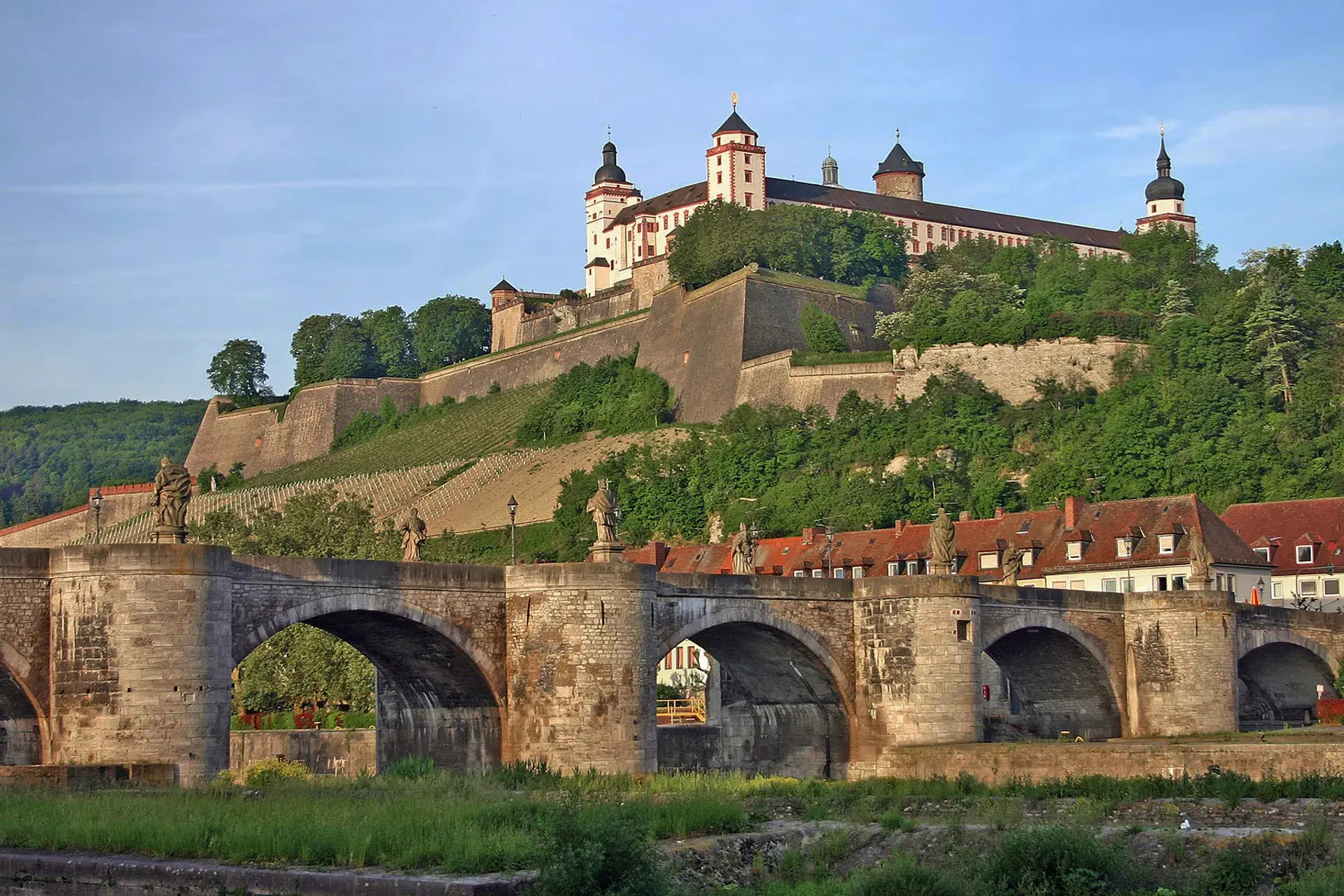
The Marienkirche, nestled within the imposing walls of Marienberg Fortress, served as more than just an 8th-century place of worship. For centuries, it acted as the burial site for the intestines of the Würzburg Prince-Bishops, while their bodies rested in the Würzburg Cathedral and their hearts at Ebrach Abbey. This peculiar detail underscores the segmented, powerful legacy of the ecclesiastical leaders who ruled from this hilltop stronghold. For nearly five centuries, Marienberg Fortress stood as the physical embodiment of their authority over the city below.
From Celtic Refuge to Medieval Stronghold
The site of Marienberg Fortress has a defensive history dating back to a Celtic refuge castle around 1000 BC. By the early 8th century, a small fort and the original Marienkirche stood on the grounds. In 1253, the Prince-Bishops of Würzburg officially established the site as their residence.
The fortress saw its first major architectural leap around 1200 under Bishop Konrad von Querfurt. He initiated the construction of an unusually large medieval castle, adding the imposing Bergfried (keep) and the first palas (residential building). These formidable defenses proved their worth during the German Peasants' War in 1525. An army of 15,000 peasants laid siege to the fortress, but the concentric medieval walls could not be breached.
Renaissance Grandeur and Baroque Fortifications
The fortress evolved significantly between the 16th and 18th centuries. Following a fire in 1572, Bishop Julius Echter von Mespelbrunn rebuilt and expanded the structures, completing its transformation into a Renaissance residence. However, the stronghold was not invincible; in 1631, during the Thirty Years' War, Gustavus Adolphus of Sweden successfully conquered and plundered the site, taking its famous library to Uppsala.
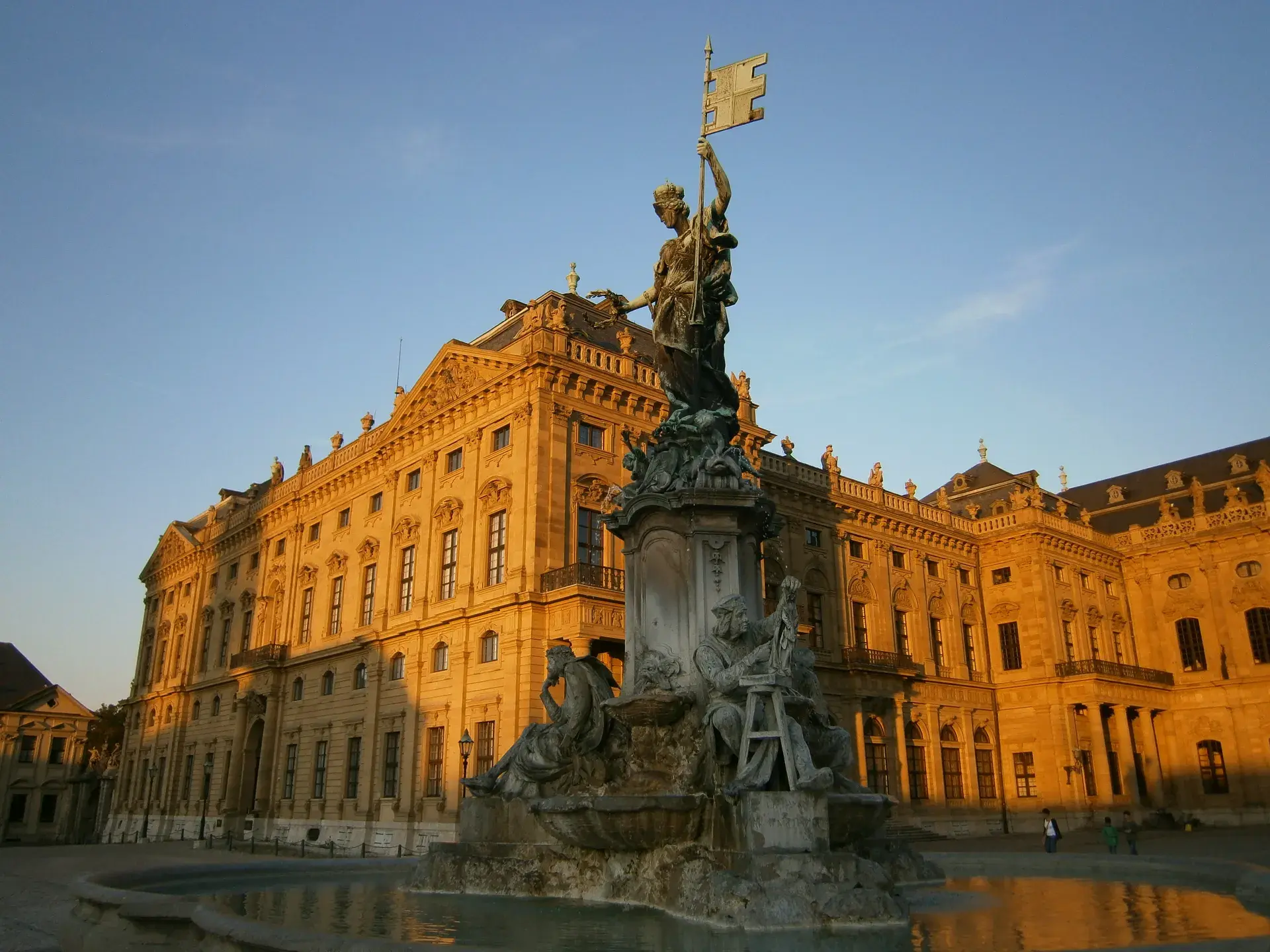
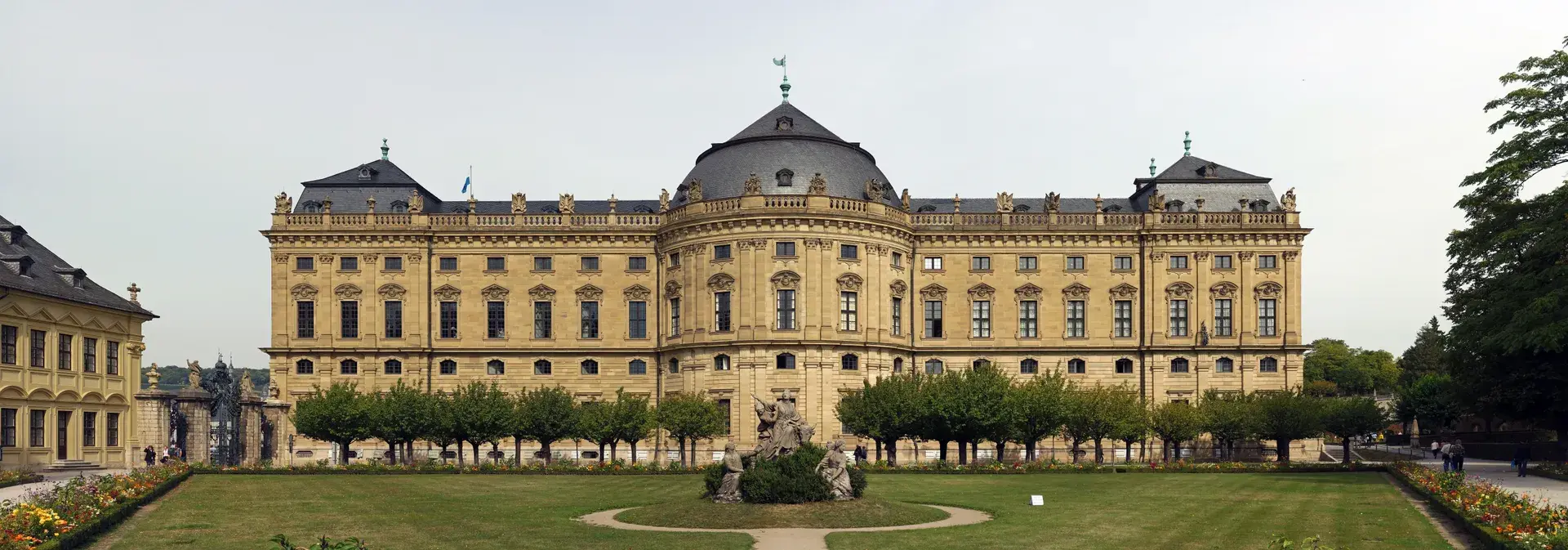
Following this devastation, Prince-Bishop Johann Philipp von Schönborn led a massive reconstruction effort. Between 1649 and 1658, he encircled the residence with a ring of massive Baroque bastions. The fortress's defensive network was so extensive that, after 1635, the total length of its walls stretched over twelve kilometers. In the 1720s, renowned architect Balthasar Neumann designed the Maschikuliturm, the final major defensive tower added before the Prince-Bishops relocated to the more opulent Würzburg Residence in 1719.
Hidden Curiosities and the Prince's Garden
Beyond its military architecture, Marienberg Fortress features several unique historical elements. The well house in the inner courtyard conceals a massive cistern plunging over 100 meters deep.
On the eastern side of the fortress lies the Prince's Garden. Reconstructed in 1937 and 1938 based on early 18th-century plans, this meticulously designed outdoor space features a parterre divided into eight distinct floral sections. The grounds provide sweeping panoramic views of the Main River, the surrounding vineyards, and the city of Würzburg.
Museums and Modern Preservation
Marienberg Fortress was severely damaged by British bombing in March 1945 but was fully reconstructed by 1990. Today, it stands as a premier cultural destination housing two major museums. The Museum für Franken features an extensive collection of Franconian art from the Middle Ages to the Baroque era, highlighted by the world-famous Gothic sculptures of Tilman Riemenschneider. The Fürstenbaumuseum details the extensive history of the fortress itself.
While the main castle and inner courtyard are currently undergoing significant renovation work that may restrict individual access, guided tours remain available, allowing the public to continue experiencing this monumental piece of Franconian history.
FAQ
When was Marienberg Fortress built?
The site has been fortified since around 1000 BC with a Celtic refuge castle. The medieval structures were largely initiated around 1200 by Bishop Konrad von Querfurt, with significant Renaissance and Baroque additions built between the 16th and 18th centuries.
Why is the Marienkirche significant?
Dating back to the 8th century, the Marienkirche is the oldest church on the site and uniquely served as the burial place for the intestines of the Würzburg Prince-Bishops.
What museums are inside Marienberg Fortress?
The fortress houses the Museum für Franken, which features art including Tilman Riemenschneider's sculptures, and the Fürstenbaumuseum, which explores the history of the fortress and the city of Würzburg.