Würzburg Residence: A German Baroque Masterpiece
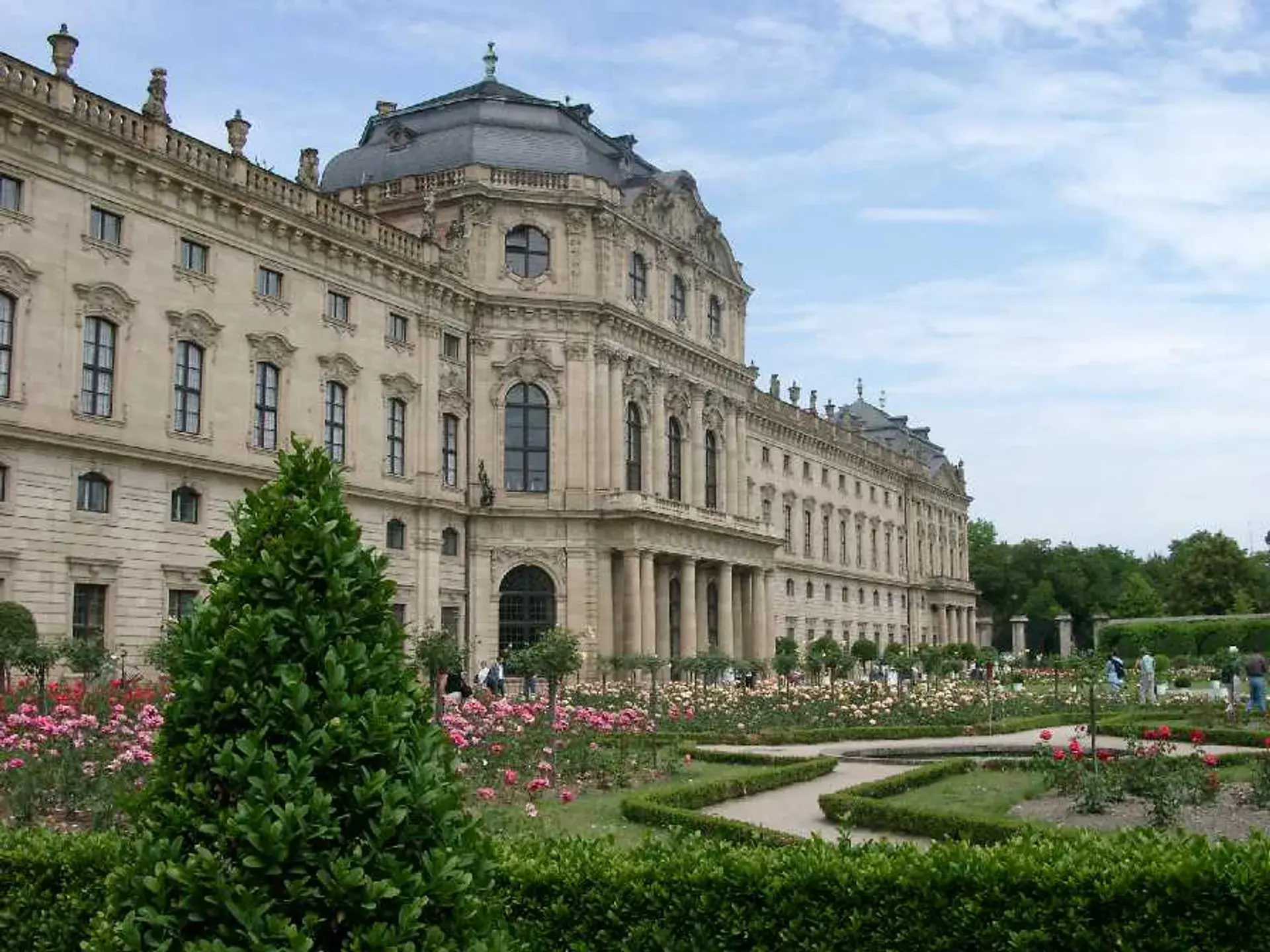
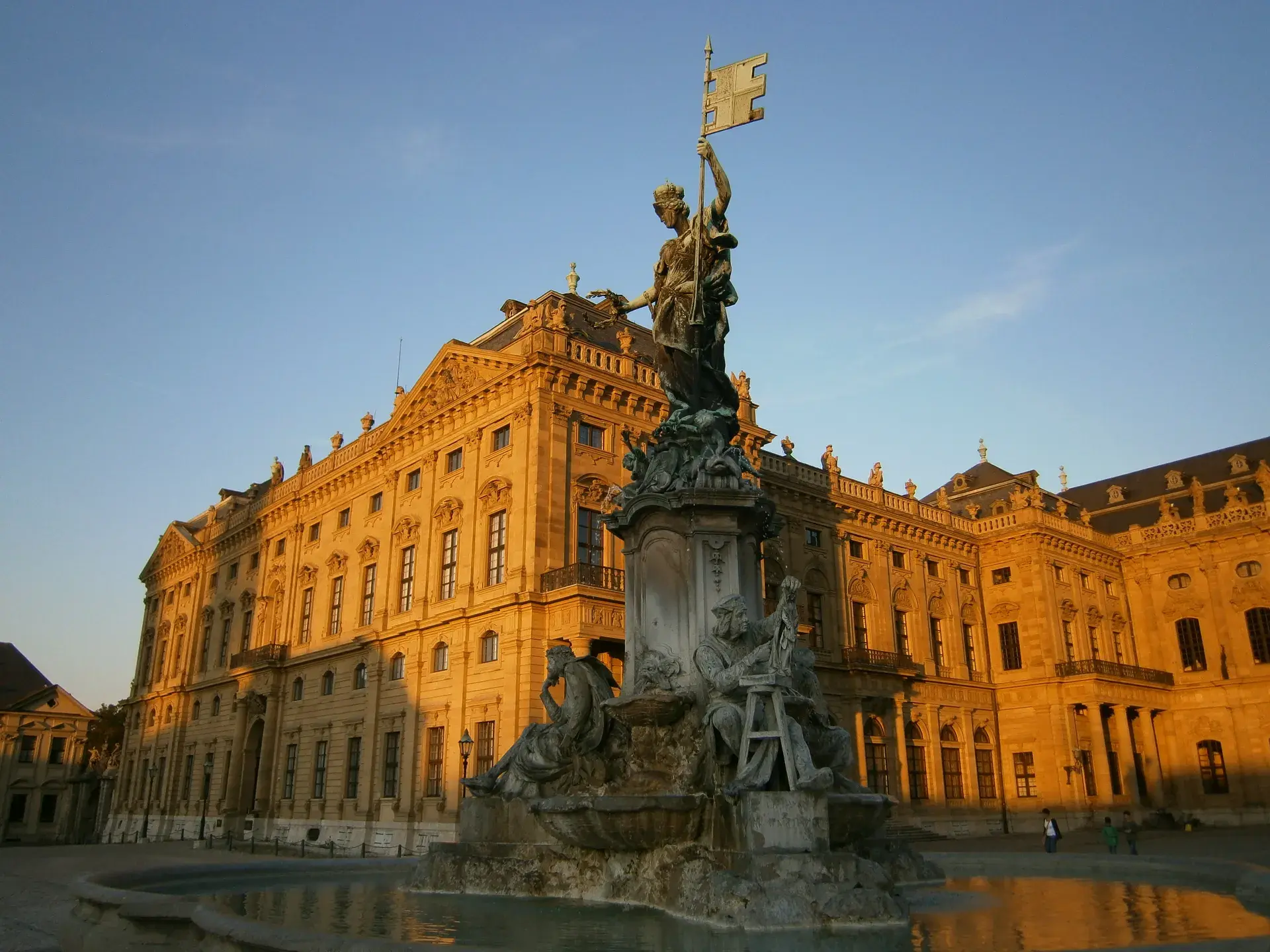
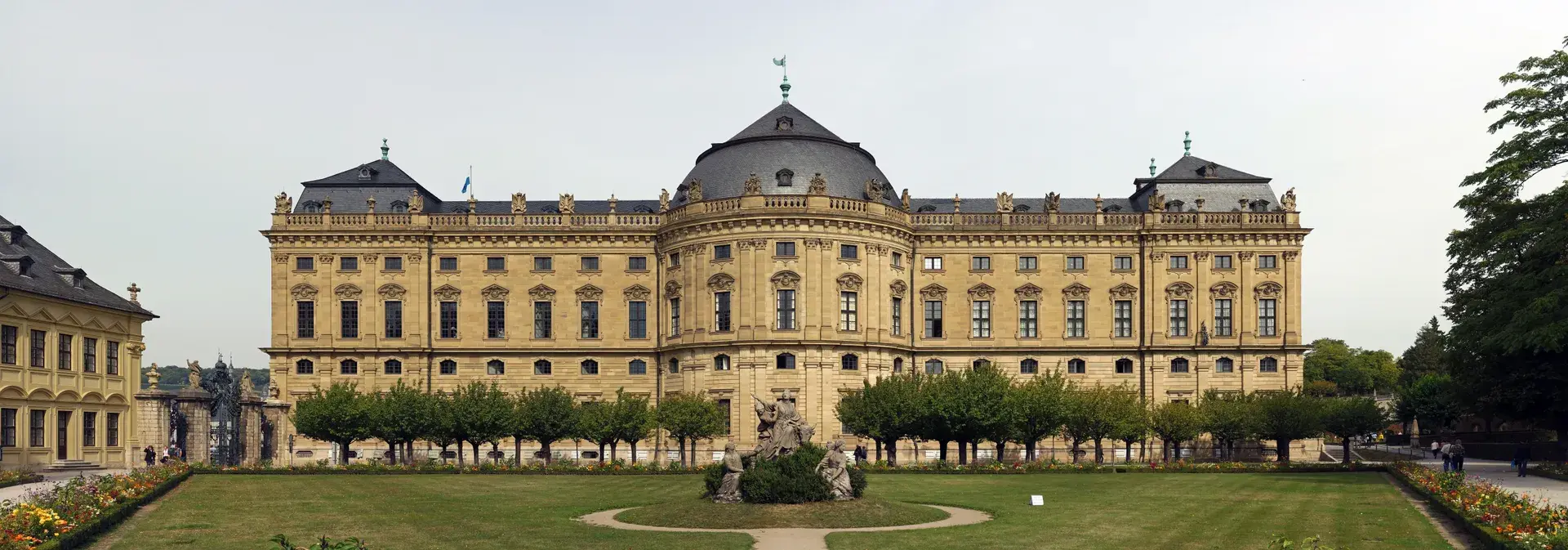
The Würzburg Residence stands as the heart of the Prince-Bishops' power, a UNESCO World Heritage palace designed to overwhelm onlookers with its sheer scale and Baroque magnificence. It remains a monumental testament to the immense wealth and artistic ambition of 18th-century spiritual and temporal rulers.
The Vision of the Prince-Bishops
In the early 18th century, Prince-Bishop Johann Philipp Franz von Schönborn sought a palace to rival Versailles, prompting the court's relocation from the medieval Marienberg Fortress. Construction of the Würzburg Residence commenced in 1720. The project demanded staggering financial resources, incurring costs exceeding 1.5 million guilders. To put this immense sum into perspective, a single guilder equated to more than a week's wages for a day laborer at the time.
Though Johann Philipp Franz died before the palace's completion, the ambitious endeavor was continued by his brother, Prince-Bishop Friedrich Carl von Schönborn. The main structure was finished by 1744, and the interiors were finalized in 1781. The palace served as an episcopal residence until the secularization of the Prince-Bishopric in 1802 and 1803. Later, during his stays between 1806 and 1813, Napoleon Bonaparte famously referred to the sprawling estate as the "largest parsonage in Europe."
Architectural Marvels and Würzburg Rococo
The principal architect of the Residence was Balthasar Neumann, who was initially a young and unknown designer. Neumann masterfully integrated French château design, northern Italian architecture, and Viennese Baroque into a distinct style known as "Würzburg Rococo."
The palace is renowned for its breathtaking artistry. Venetian painter Giovanni Battista Tiepolo created the world's largest continuous ceiling fresco over the grand staircase. Spanning approximately 580 square meters, the masterpiece depicts the four continents and features a subtle self-portrait of the artist peeking over a statue's shoulder.
Other highlights include the White Hall, adorned with the work of stucco genius Antonio Bossi, and the Imperial Hall, where impressive columns appear to be made of marble. These columns are actually a trompe l'oeil effect created through intricate stucco work, a cost-saving measure that brilliantly mimics the opulent material. Another marvel is the highly ornate Mirror Cabinet, which utilizes a rare reverse glass painting technique.
Destruction and Miraculous Survival
The Würzburg Residence was almost entirely destroyed in a devastating 17-minute bombing raid on March 16, 1945. A British air raid triggered a firestorm that obliterated much of the palace. Miraculously, the central vaulted sections, including the Vestibule, Garden Hall, Staircase, White Hall, and Imperial Hall, survived largely intact.
Following the attack, Lieutenant John Davis Skilton, an American art historian serving in the U.S. Army, played a crucial role in the building's preservation. He organized the provisional covering of the surviving vaults, protecting Tiepolo's frescoes, Bossi's stucco, and Neumann's staircase from further dampness and decay. Extensive and meticulous post-war reconstruction began immediately. Lost rooms like the Mirror Cabinet were painstakingly rebuilt using only fragments, color slides, and a watercolor painting, a restoration process that lasted until 1987.
The Würzburg Residence Today
Today, the Würzburg Residence functions as a public museum managed by the Bavarian Administration of State-Owned Palaces, Gardens and Lakes. Inscribed as a UNESCO World Heritage Site in 1981, the palace features approximately 40 period rooms showcasing 18th-century furniture, tapestries, and paintings.
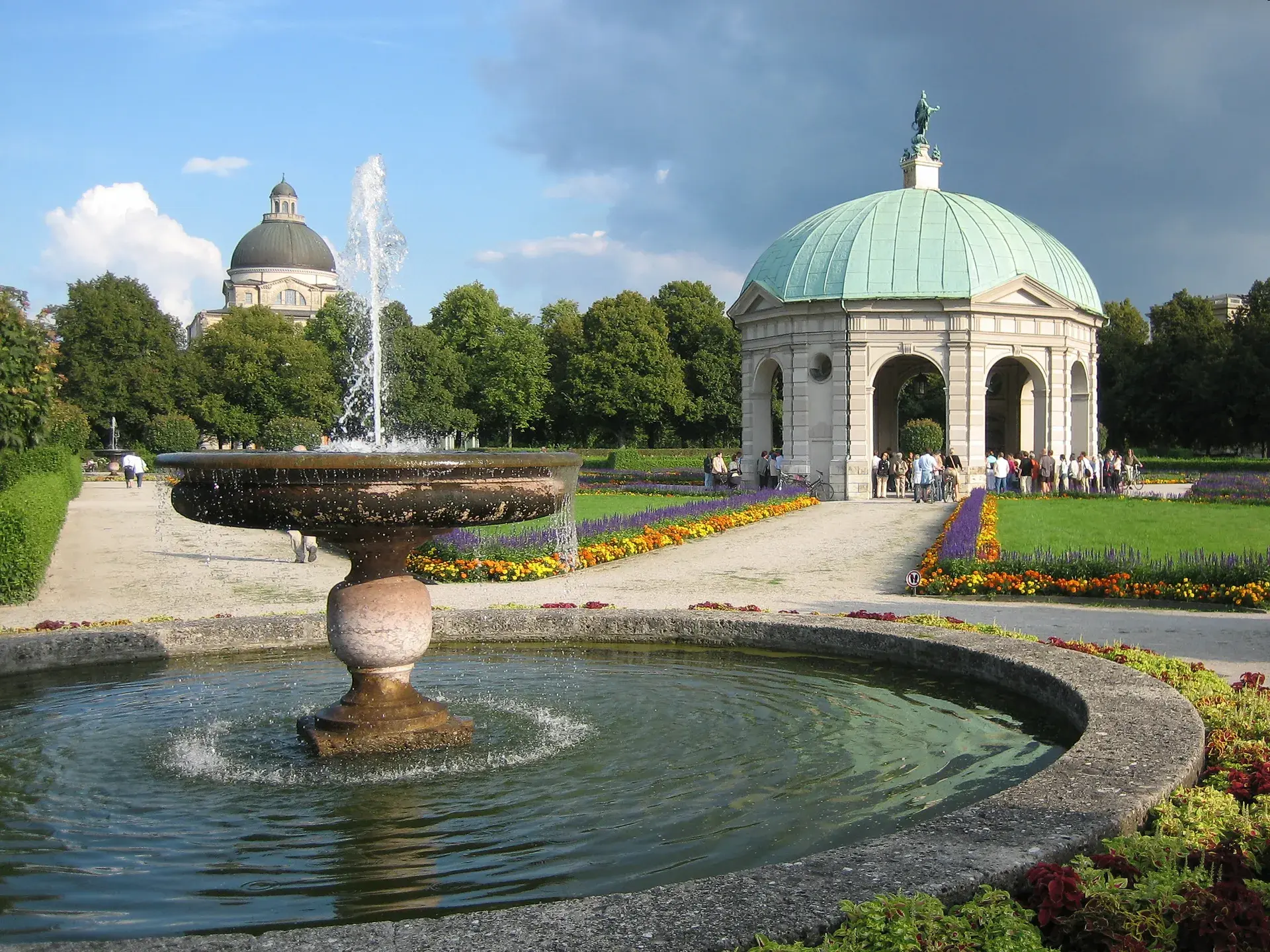
The extensive Court Gardens and the Court Chapel remain accessible to the public, while the Residence Square serves as a venue for cultural events. A dedicated Memorial Room within the palace documents the catastrophic destruction endured during World War II and honors the profound dedication to preserving this European cultural treasure.
FAQ
When was the Würzburg Residence built?
Groundbreaking for the palace occurred in 1720. The main structure was completed by 1744, and the interiors were finalized between 1780 and 1781.
Who painted the ceiling fresco at the Würzburg Residence?
The renowned Venetian fresco painter Giovanni Battista Tiepolo created the ceiling fresco over the grand staircase. At approximately 580 square meters, it is the world's largest continuous ceiling fresco.
Was the Würzburg Residence destroyed in World War II?
Yes, a British air raid on March 16, 1945, almost completely destroyed the palace in a firestorm. However, the central vaulted sections miraculously survived, and the building underwent a meticulous decades-long reconstruction that concluded in 1987.