Church of Our Lady of the Castle: Rhodes History
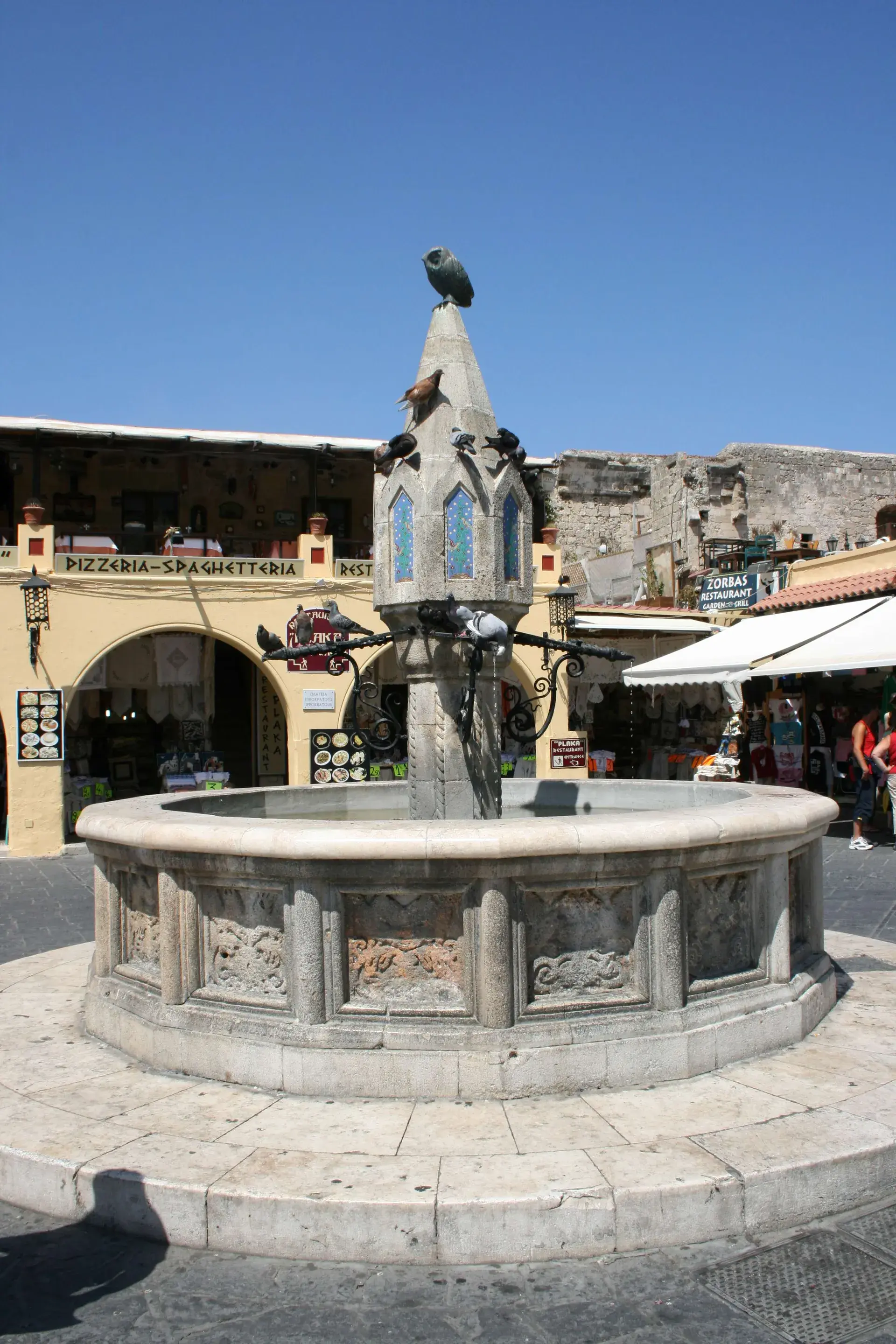
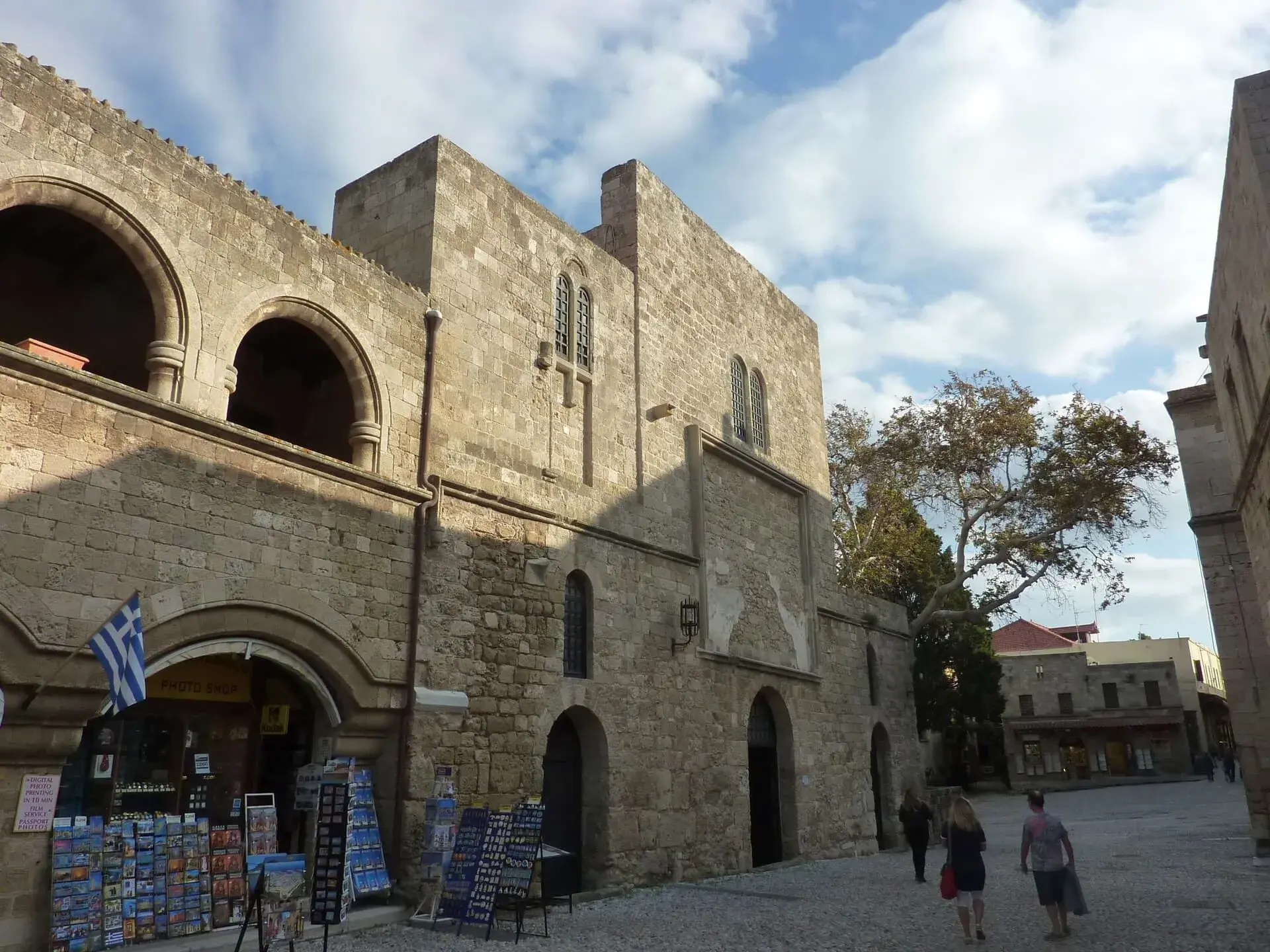
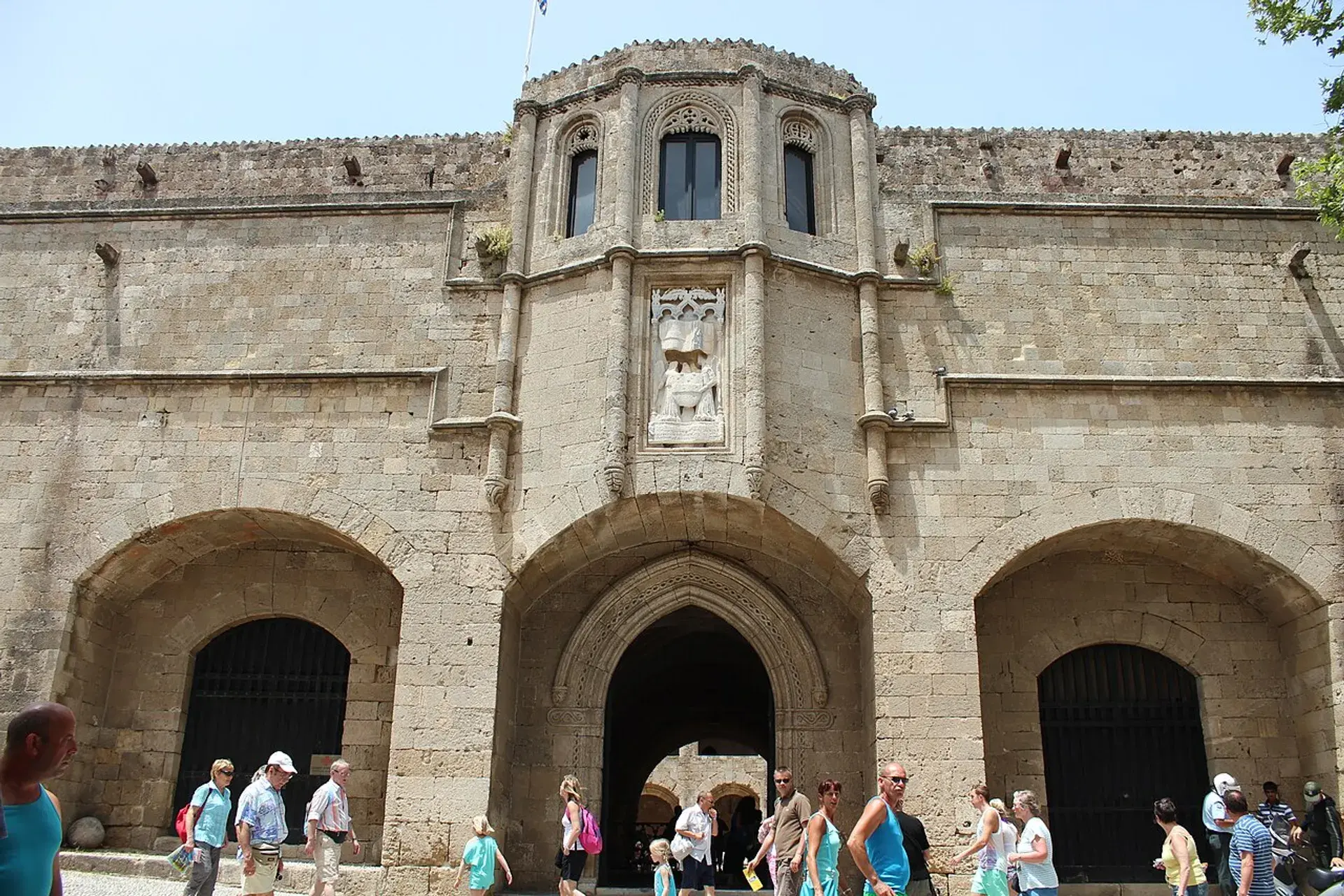
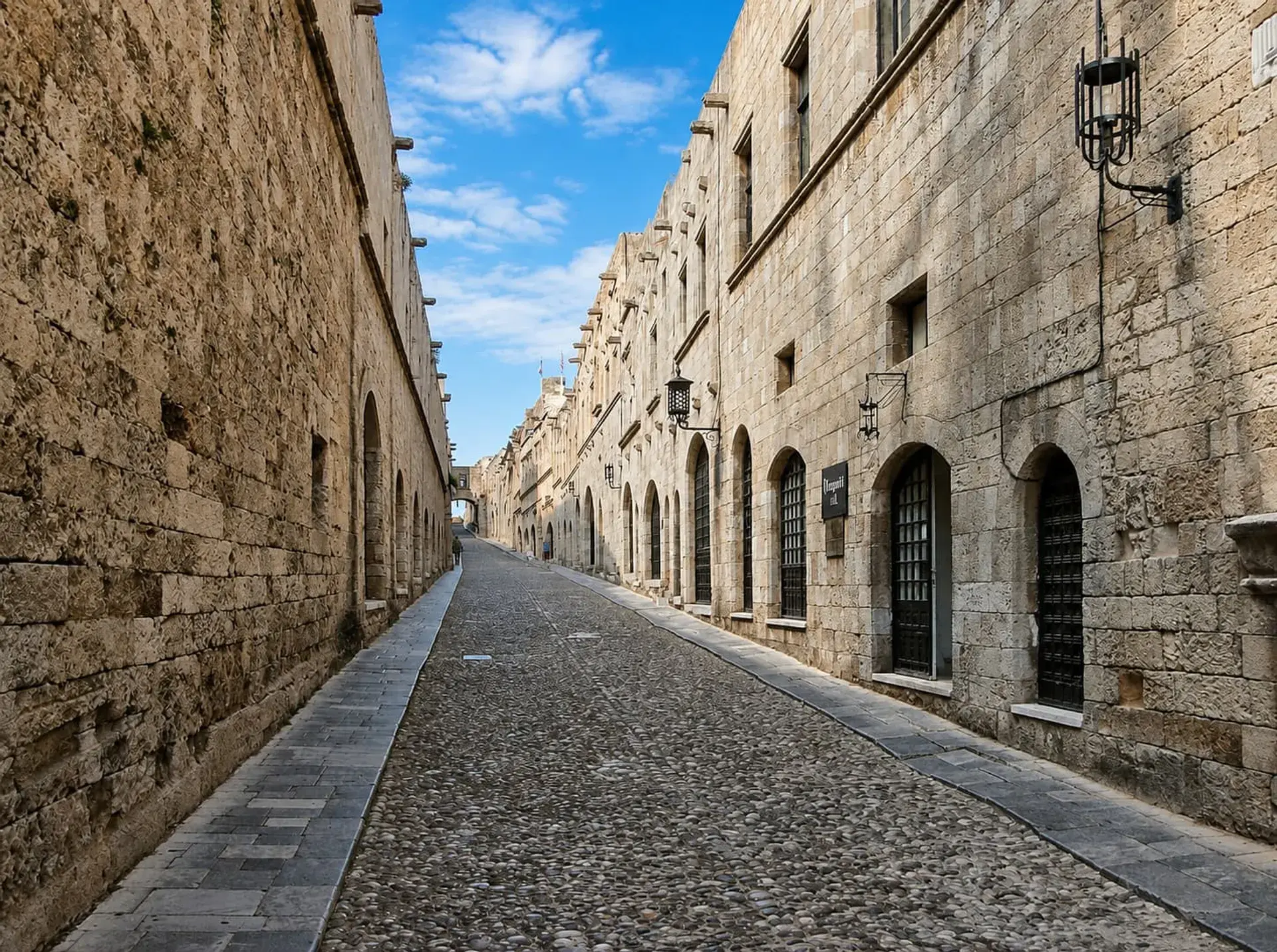
Located at Museum Square at the lower end of the Street of the Knights, the Church of Our Lady of the Castle (Panagia tou Kastrou) is the oldest and largest surviving medieval church inside the walled Old Town of Rhodes. It anchors the threshold between the fortified Collachium—the administrative quarter of the Knights Hospitaller—and the wider burgher town. The visible architectural mashup of Gothic lancets, defensive crenellations, and Middle Byzantine stonework directly illustrates every major regime change on the island.
A Cathedral Turned Fortress
Founded in the 11th century as a Byzantine Greek Orthodox church, the structure originally featured a cross-in-square design. After the Order of Saint John conquered Rhodes, the Knights Hospitaller converted it into a Roman Catholic cathedral known as Sancta Maria Castelli Rodi. Between 1319 and 1334, they remodeled the interior into a three-aisled Gothic basilica with ribbed cross-vaults.
In a unique dual role, the church functioned as an active military rampart. Its eastern apse and wall were integrated directly into the town's sea-facing defensive curtain wall. The roofline is topped with defensive crenellated parapets specifically built to withstand maritime sieges and artillery.
The Ottoman and Italian Eras
Following the conquest of Rhodes by Sultan Suleiman the Magnificent in 1522, the building was transformed into an Islamic place of worship known as the Enderun Mosque. During this period, the Christian interior frescoes were whitewashed, a covered porch was added, and a stone minaret was erected on the eastern roofline.
The building underwent another massive transformation during the Italian administration of the Dodecanese in the early 20th century. Archival records document the stone-by-stone dismantling of the Ottoman minaret and porch to expose the original medieval Byzantine and Gothic stone architecture beneath.
Architectural Curiosities and Frescoes
The exterior features weathered, sand-colored limestone ashlar blocks displaying carved chivalric heraldry. Coats of arms belonging to Grand Master Hélion de Villeneuve and Pope John XXII remain visible around the central arched window, alongside later reliefs honoring Grand Masters Antoni de Fluvian, Jean Bonpart de Lastic, and Pierre d'Aubusson.
Inside, high Gothic pointed lancet openings cast narrow shafts of Aegean daylight across bare stone floors and rib-vaulted nave arches. The echoic, stripped interior preserves fragments of surviving 14th-century wall paintings. These include an Eastern Orthodox depiction of the Virgin with Child directly contrasting with a Western European-style fresco of Saint Lucia, which was influenced by Giotto's Italian school.
The Byzantine Museum of Rhodes
Since 1988, the building has operated as the Byzantine Museum of Rhodes under the Ephorate of Antiquities of the Dodecanese. The space houses a permanent exhibition of Byzantine and post-Byzantine Christian art. The collection includes preserved icons, medieval stone sculptures, and rescued mural fragments gathered from across Rhodes and the wider Dodecanese islands.
FAQ
Where is the Church of Our Lady of the Castle located?
The church is situated at Museum Square at the eastern lower end of the Street of the Knights, marking the threshold between the Knights' administrative quarter and the wider town within the Medieval Town of Rhodes.
What is inside the Church of Our Lady of the Castle today?
Since 1988, the building has housed the Byzantine Museum of Rhodes, which features a permanent exhibition of Christian icons, medieval stone sculptures, and rescued mural fragments from across the Dodecanese.
How old is the Church of Our Lady of the Castle?
The original structure was founded in the 11th century as a Byzantine Orthodox cathedral, making it the oldest and largest surviving medieval church inside the Old Town of Rhodes.