Church of Our Lady of the Castle: A Rhodes Landmark
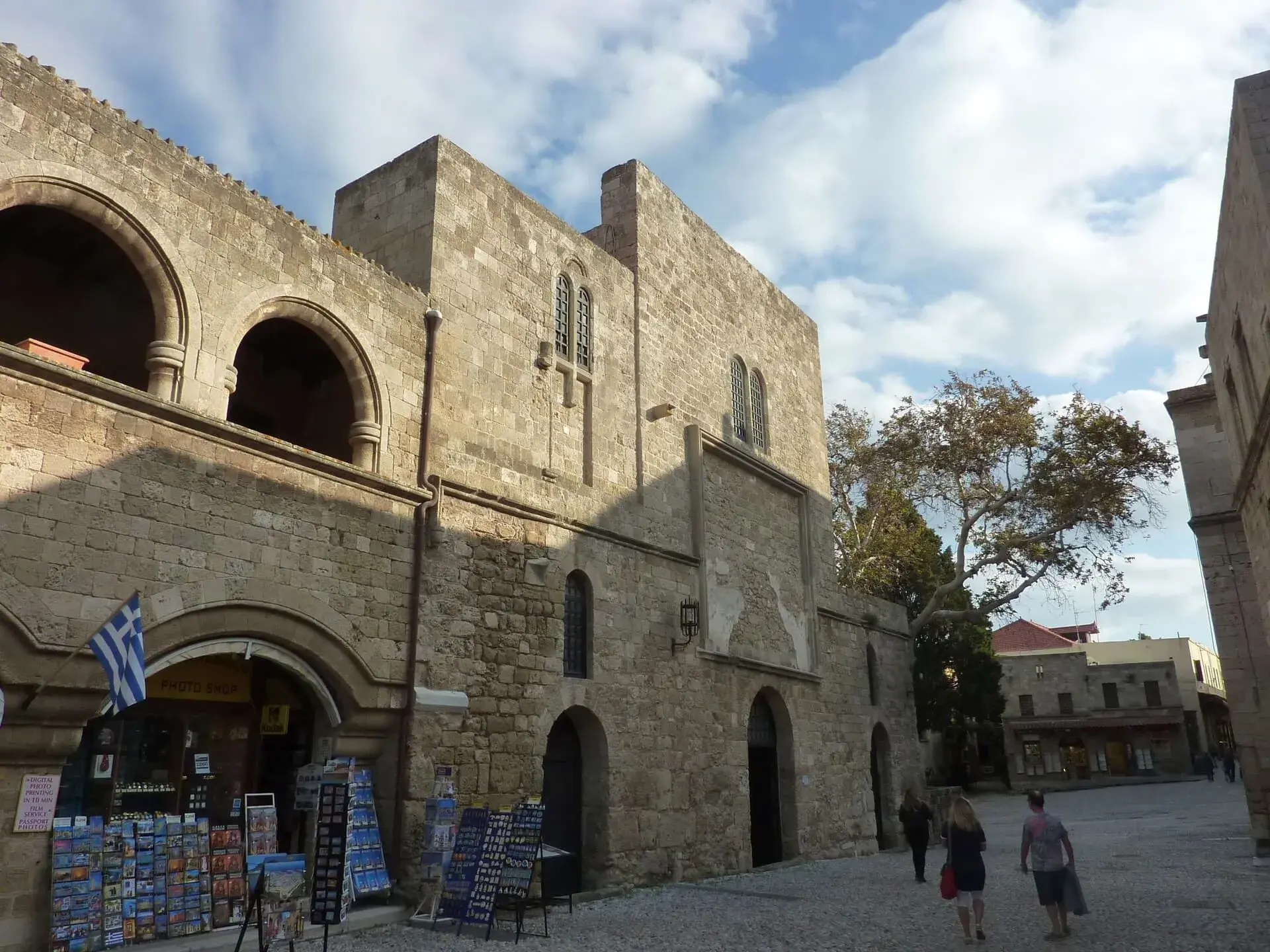
The Church of Our Lady of the Castle, known locally as Panagia tou Kastrou, stands as a tangible record of the layered history of Rhodes. Located within the Collachium, the administrative quarter of the Knights, this building is an integral part of the UNESCO World Heritage-listed medieval city, illustrating centuries of cultural and architectural transformation.
A Chronicle of Conquests
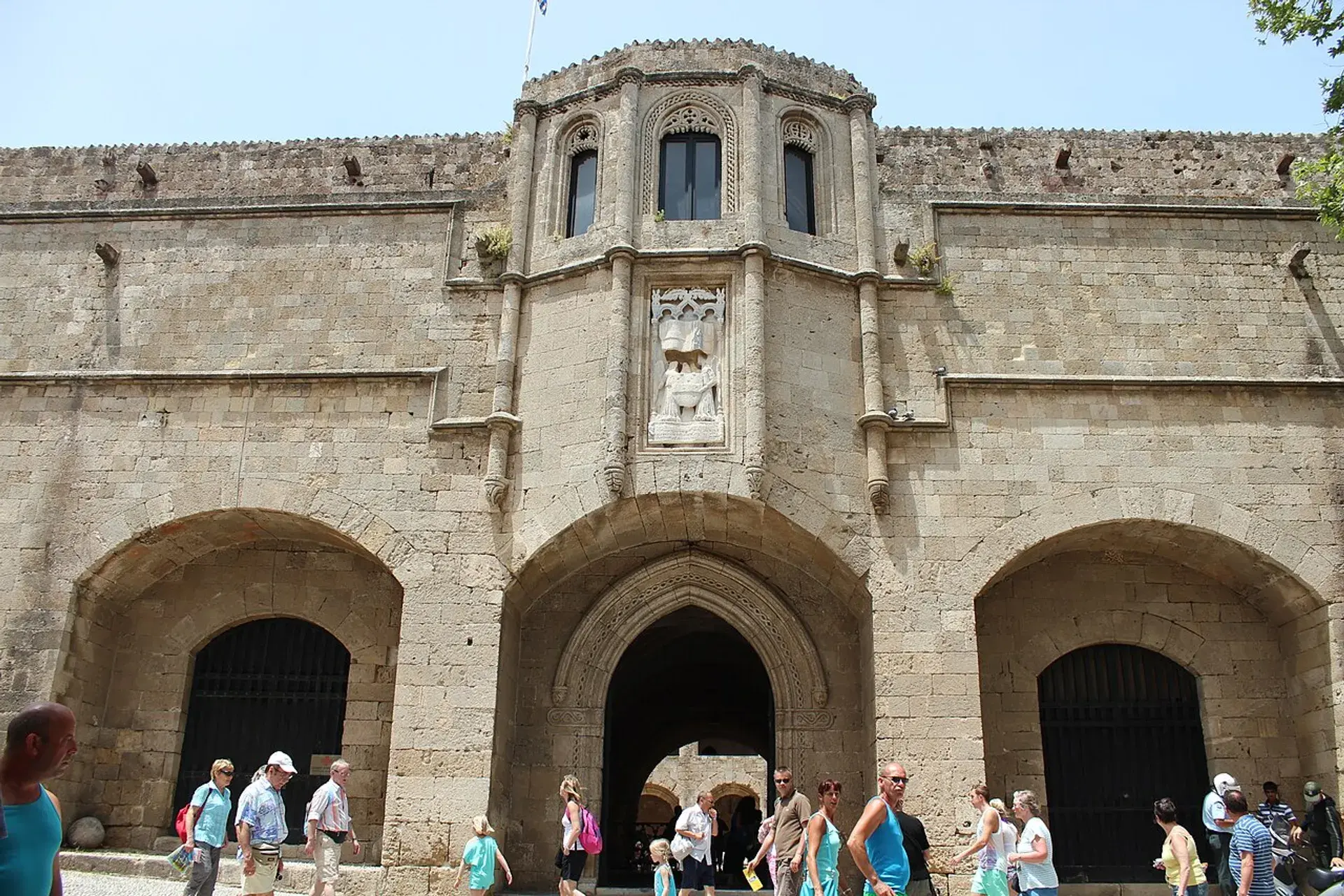
Originally constructed in the 11th century, the building began as a Byzantine, cruciform, three-aisled domed basilica dedicated to the Virgin Mary. Following the conquest of Rhodes by the Knights Hospitaller, the structure was repurposed into a Roman Catholic cathedral, renamed Sancta Maria Castelli Rodi. Between 1319 and 1334, it underwent extensive rebuilding in a Gothic style, serving as the Order's principal cathedral. Coats of arms from this period, including those of Grand Master Hélion de Villeneuve and Pope John XXII, are still visible.
A new chapter began after the Ottoman conquest in 1522, when the church was converted into a mosque known as Enderun Mosque or Kadouri Tzami. During this time, a minaret was added, and many Christian frescoes and symbols were either removed or covered. The building's form changed again during the Italian occupation in the early 20th century. Restoration efforts aimed at returning the structure to its medieval appearance led to the removal of the Ottoman minaret and other additions.
Architectural Fusion and Fortification
The church's architecture is a blend of its past identities. The original 11th-century Byzantine cruciform layout was overlaid with a Gothic three-aisled basilica style featuring cross vaults during the Knights' period. This layering of styles provides a clear visual history of the island's successive rulers.
A unique feature of the building is its structural integration into the city's defenses. The eastern side of the church forms part of the seaward fortifications, creating an imposing tower with rectangular ramparts. Inside, fragments of its decorative past survive, including a 14th-century wall painting of St. Lucia, believed to be the work of a European painter from the Giotto School.
The Byzantine Museum Today
Since 1988, the Church of Our Lady of the Castle has served as the Byzantine Museum of Rhodes. The interior, now devoid of pews or an altar, functions as an exhibition space showcasing the island's rich artistic and religious heritage. The permanent collection includes a wide range of artifacts that reflect the building's history.
Visitors can view Early Christian architectural elements, medieval sculptures, and ecclesiastical artifacts. The museum also displays a significant collection of portable icons from the 17th and 18th centuries and wall-paintings salvaged from other churches on the islands, such as St. Zacharias at Chalki and the Archangel Michael at Tharri.
FAQ
What is the Church of Our Lady of the Castle used for today?
Since 1988, the building has operated as the Byzantine Museum of Rhodes. It houses a permanent exhibition of Byzantine and post-Byzantine art, including icons, sculptures, and salvaged frescoes.
What are the different historical phases of the building?
The structure was originally an 11th-century Byzantine church, then a 14th-century Catholic cathedral for the Knights Hospitaller, an Ottoman mosque from 1522, and is now a secular museum.
Why was the minaret of the Enderun Mosque removed?
During the Italian occupation in the early 20th century, the minaret was removed as part of a restoration project intended to restore the building to what was considered its medieval, Gothic form.