Knights' Hospital & Archaeological Museum of Rhodes
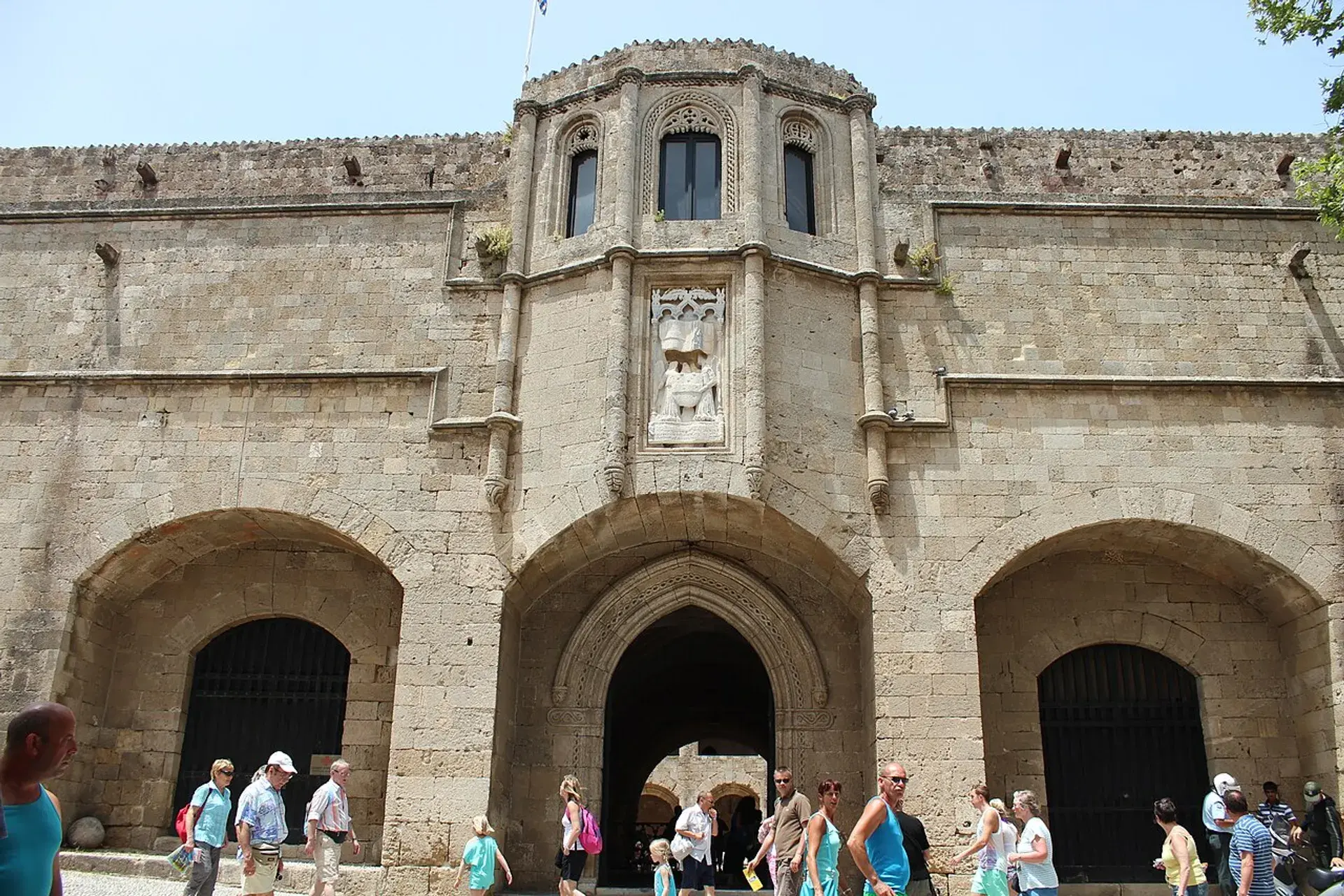
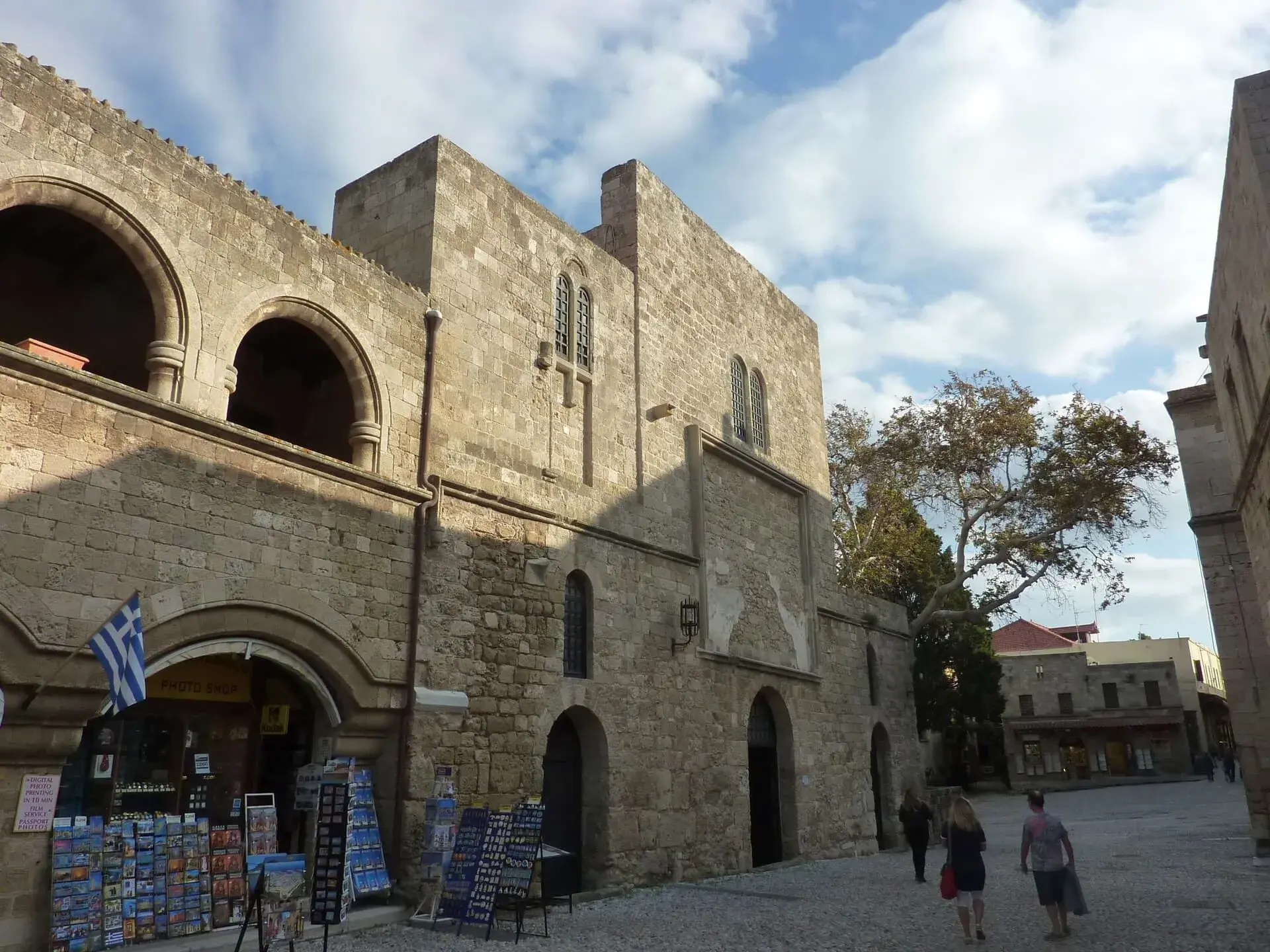
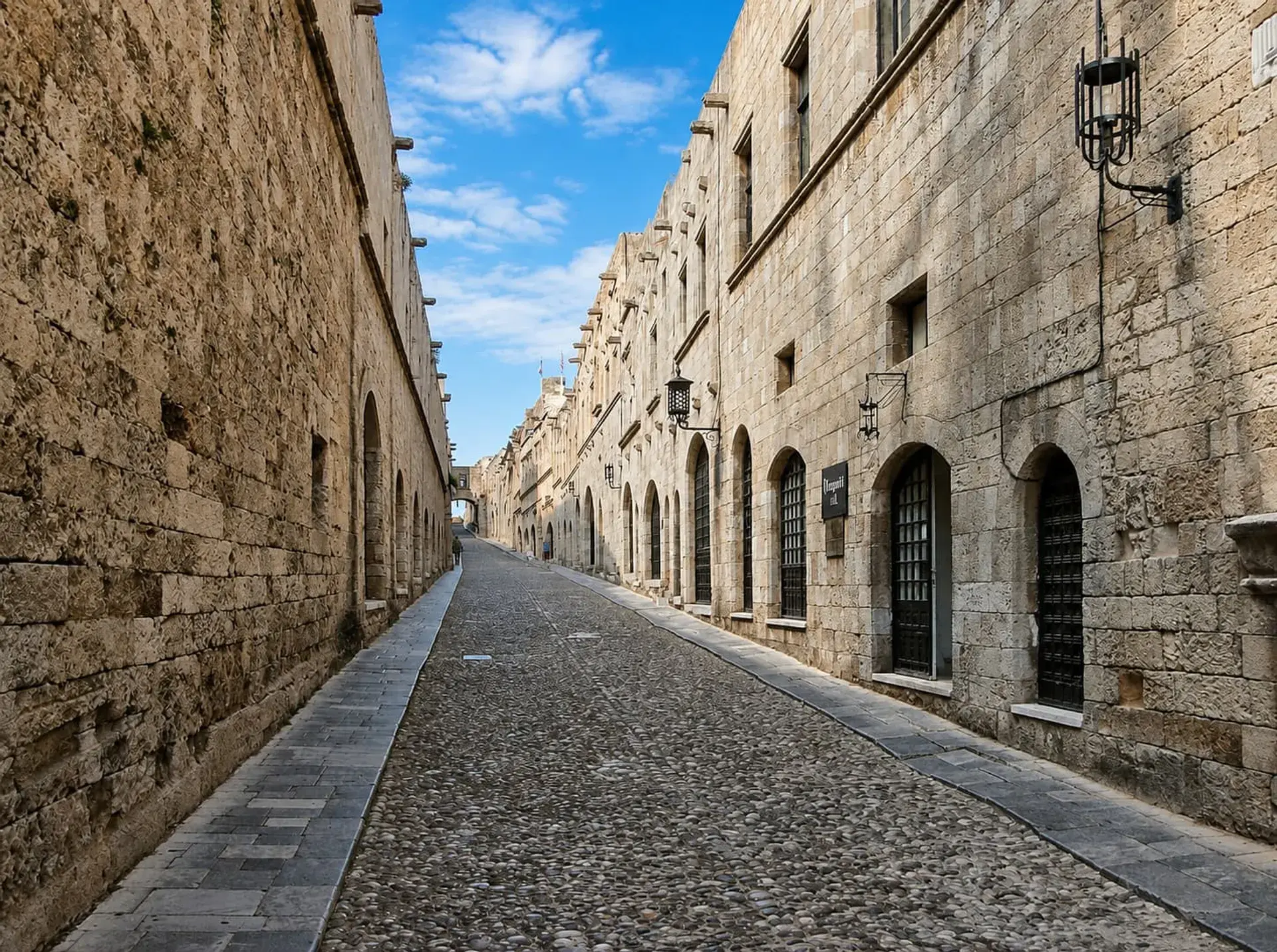
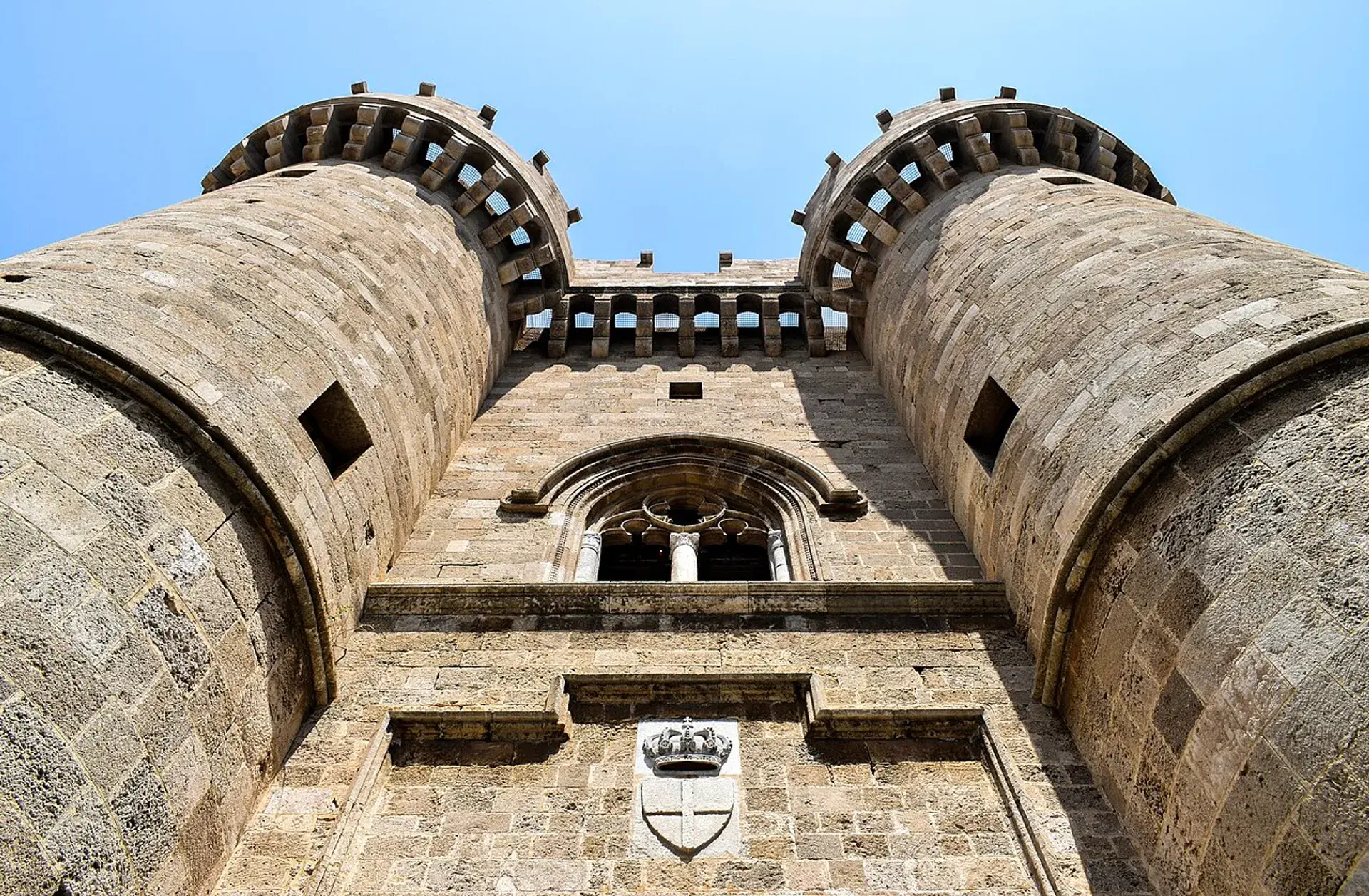
Once a sanctuary for healing established by warrior monks, the Knights' Hospital in Rhodes has transformed over centuries, serving as military barracks and now housing ancient art, embodying the island's turbulent history. Located within the UNESCO World Heritage site of Rhodes Old Town, this building connects the island's medieval legacy with its deep ancient past.
History and Construction
The Knights Hospitaller, a Catholic military order focused on caring for the sick, established their rule in Rhodes in 1310. Reflecting their original charitable purpose, the decision to build a grand new hospital was made by Grand Master Antoine Fluvian between 1421 and 1437. Construction began in 1440 under Grand Master Jean de Lastic and was completed in 1489 under the renowned Grand Master Pierre d'Aubusson.
Built over the remains of a Roman structure, the hospital is a magnificent example of Gothic architecture with Renaissance elements, a rare style in Greece. The building was designed for function and care. The ground floor housed stables and storage, while the upper floor contained the Great Hall of the Sick, a large ward with 32 beds that could accommodate up to 100 patients, with curtains providing a measure of privacy.
From Hospital to Museum
After the Knights of Rhodes departed in 1522 following a siege by Sultan Suleiman, the building's purpose shifted. During the long Ottoman era (1523-1912), it was used first as a hospital and later as military barracks. A significant inscription above the front door, detailing a 10,000 guilder contribution by Grand Master Fluvian, was made difficult to read when its lead filling was removed during this period.
Between 1913 and 1918, the Italians, who then controlled the island, undertook a major restoration of the historic building. It officially reopened as the Archaeological Museum of Rhodes in 1914. The structure suffered some damage during World War II when an English bombardment destroyed its refectory.
The Archaeological Museum Today
Currently, the former hospital serves as the Archaeological Museum of Rhodes, a major cultural attraction. Its collections contain a vast array of findings from Rhodes and neighboring islands, with artifacts spanning from the Neolithic era to Ottoman times. The exhibits showcase Mycenaean, Geometric, Classical, Hellenistic, and Roman history.
Among the museum's most notable pieces are the 1st-century BC marble statue of 'Aphrodite Bathing', ancient coins, marble reliefs from the Temple of Apollo, and intricate mosaic floors from Hellenistic villas. One particular sculpture, the marble head of Helios, gained modern fame after being featured on the 2011 album cover of 'Floral Shoppe' by Macintosh Plus, associating it with the Vaporwave internet aesthetic.
FAQ
When was the Knights' Hospital in Rhodes built?
The decision to build the hospital was made between 1421 and 1437. Construction began in 1440 under Grand Master Jean de Lastic and was completed in 1489 under Grand Master Pierre d'Aubusson.
What is the Knights' Hospital used for today?
Since its restoration and reopening in 1914, the building has housed the Archaeological Museum of Rhodes. It displays a wide range of artifacts from Rhodes and nearby islands.
What are some famous artifacts in the Archaeological Museum of Rhodes?
Notable exhibits include the marble statue of 'Aphrodite Bathing' (1st century BC), the marble head of Helios, and well-preserved mosaic floors from ancient Hellenistic villas.
Who were the Knights Hospitaller?
The Knights Hospitaller were a Catholic military order founded in the 11th-12th century. They originally focused on caring for sick pilgrims in Jerusalem before becoming a militarized force that ruled Rhodes from 1310 to 1522.