Street of the Knights in Rhodes: A Medieval Guide
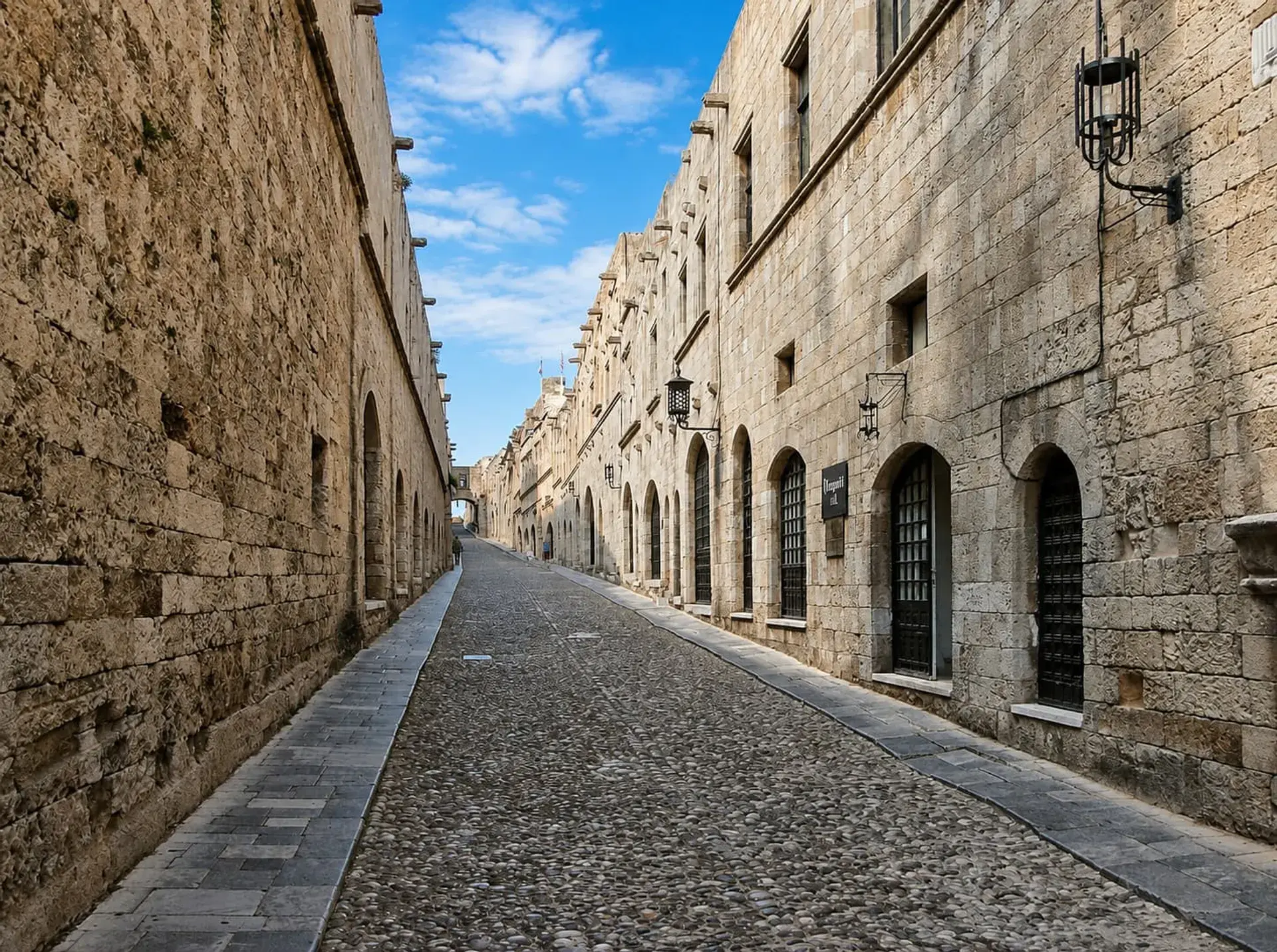
The Street of the Knights in Rhodes stands as a remarkable example of Gothic urbanism, but its seemingly perfect medieval appearance is largely the result of extensive 20th-century restorations. Italian authorities meticulously reconstructed the street, deliberately removing Ottoman-era additions like wooden balconies to impose a uniform 15th-century Gothic aesthetic, curating the historical image seen today.
The Heart of the Hospitaller World
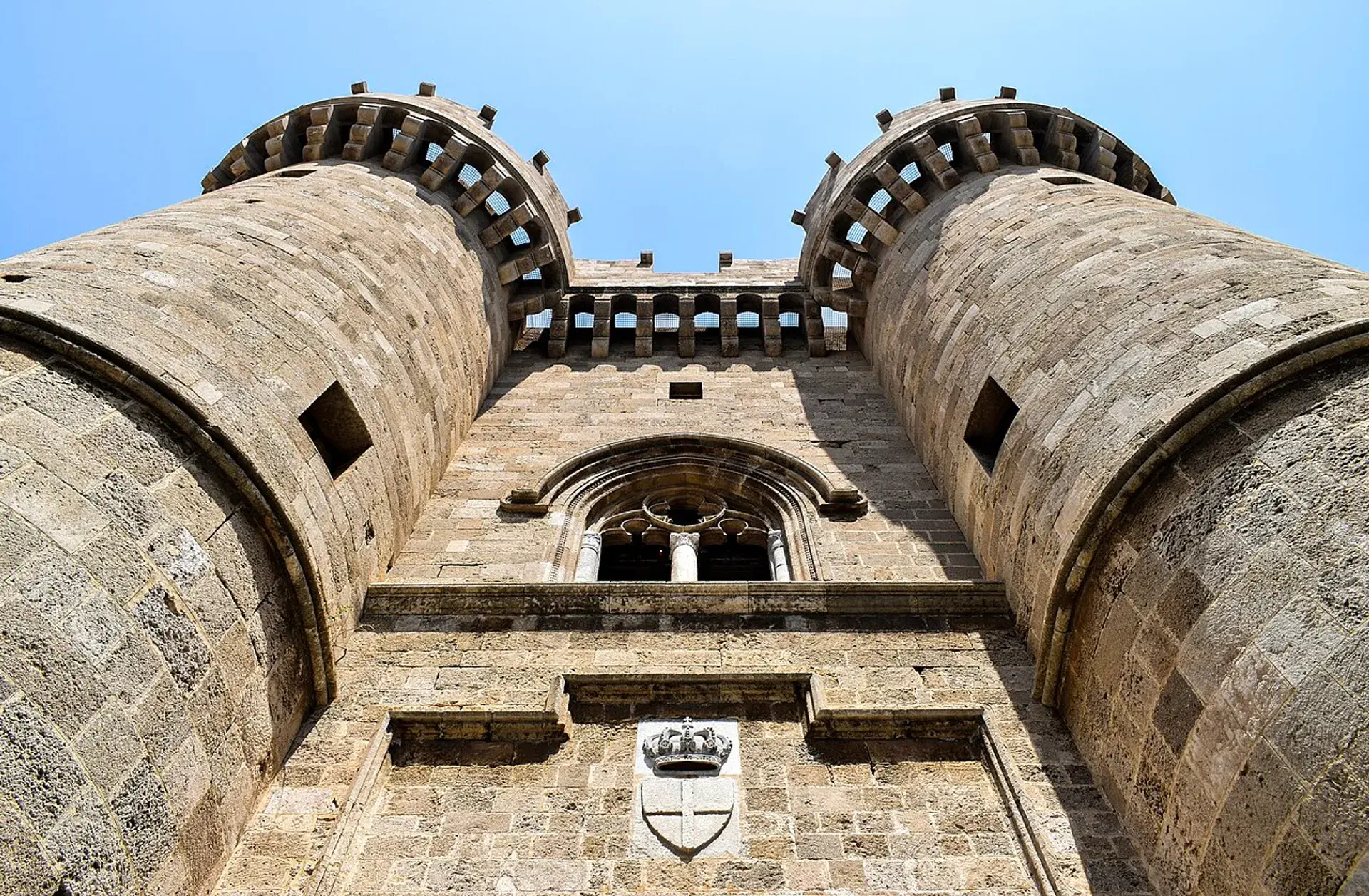
Constructed in the 14th century by the Knights Hospitaller, also known as the Knights of St. John, this street was the administrative and residential core of their quarter. Its unusually straight and spacious layout was designed for military movement and defense, strategically connecting the Palace of the Grand Master at its upper end with the Hospital of the Knights and the port at its lower end. The street also served as the ceremonial axis for the Order, witnessing important processions.
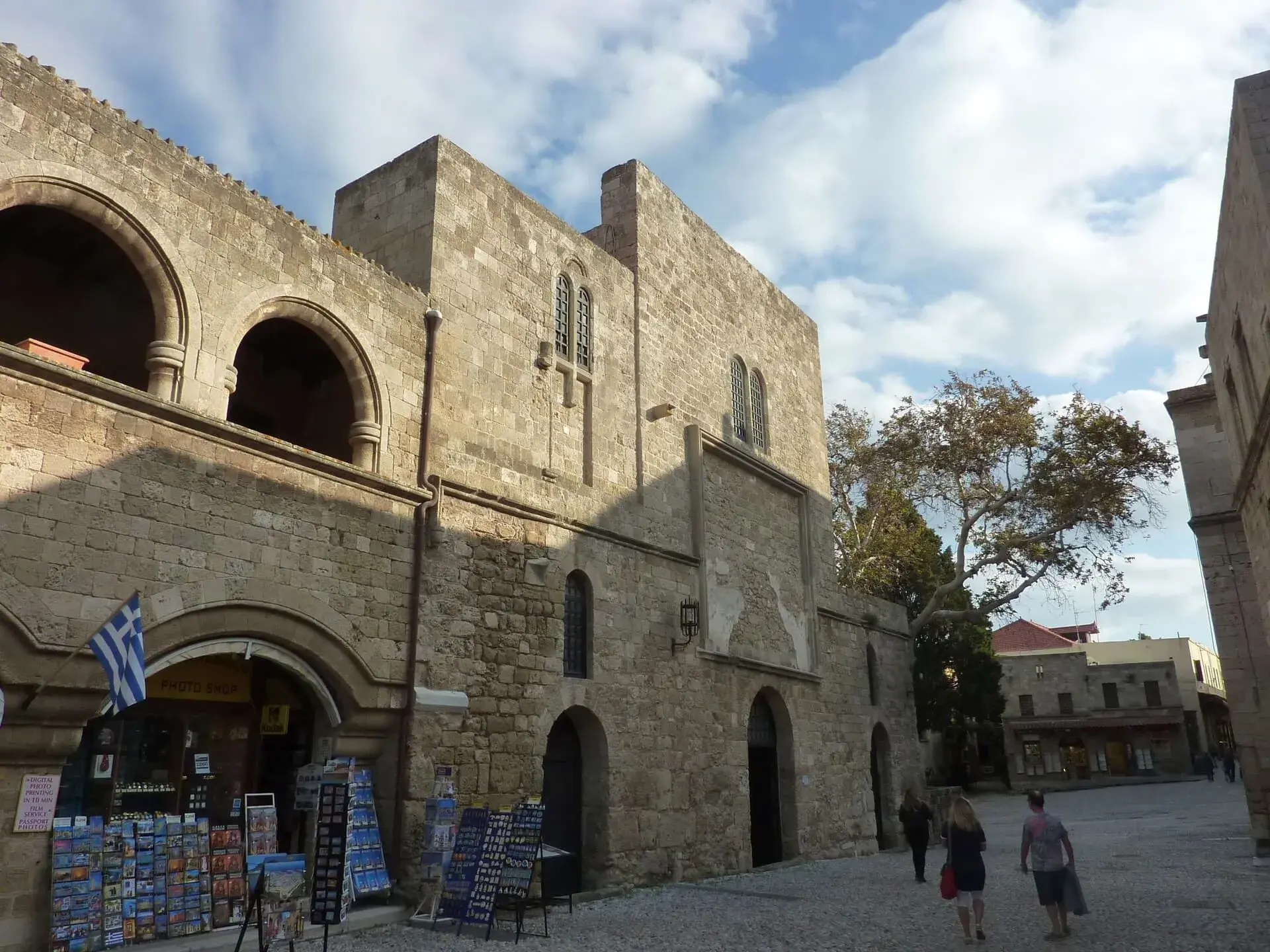
The thoroughfare was lined with 'auberges,' or inns, for the Order's various 'Tongues'—the national divisions of the Knights. Each auberge housed knights of a specific nationality. Key figures like Grand Masters Jean de Lastic, Pierre d'Aubusson, and Fabrizio del Carretto oversaw the construction and expansion of significant buildings along the street, including the Hospital and the Auberge of Italy.
A History of Sieges and Transformation
The Knights of St. John ruled Rhodes from 1309 to 1522. During this period, the Street of the Knights was a key defensive position. In the unsuccessful Ottoman siege of 1480, defenders reportedly rolled flaming barrels down the street and poured burning oil on attackers. Scorch stains from this event are still visible on one of the corbelled balconies. The Knights' rule ended after the successful siege of 1522 led by Suleiman the Magnificent, which forced their surrender and departure.
Another significant event occurred in 1856 when lightning struck a nearby church, igniting gunpowder stored in its cellars. The resulting explosion destroyed parts of the upper Palace of the Grand Master and the northern Old Town.
Architecture and Modern Restoration
The street's architecture is predominantly Gothic, with some Frankish and Byzantine embellishments. While many of the inns date to the 15th and 16th centuries, the street's current appearance was heavily shaped by Italian restorations in the 1910s and 1930s. These efforts focused on creating a romanticized medieval vision, removing later historical layers to achieve a consistent Gothic style.
Despite the reconstructions, original medieval details remain. Tiny masons' marks, such as compasses and stars, can be found near lintel bases, indicating the multinational crews who built the street. A half-blocked doorway near the Auberge d'Aragon features the Latin motto "Deus lo vult" (God wills it).
The Street of the Knights Today
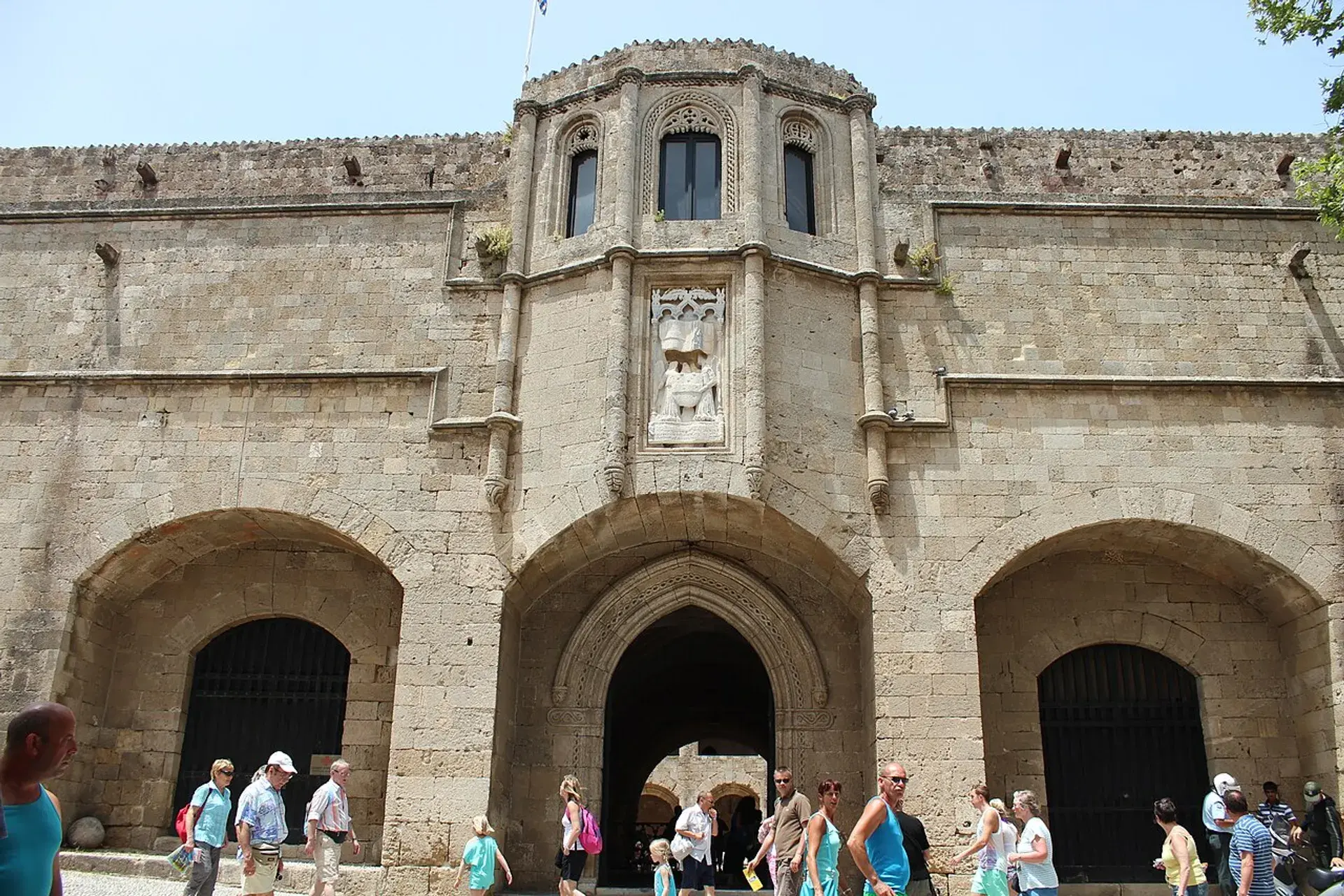
Currently, the Street of the Knights is a pedestrian-only tourist attraction. The historic auberges have been repurposed. The Auberge de France, for example, now serves as the French consulate. The former Hospital of the Knights houses the Archaeological Museum of Rhodes, and the restored Palace of the Grand Master at the top of the street is also a museum. The historic buildings are also home to various shops and restaurants, making the street a vibrant part of Rhodes' Old Town.
FAQ
When was the Street of the Knights in Rhodes built?
The Street of the Knights was constructed during the 14th century by the Knights Hospitaller, with many of its inns, or 'auberges,' dating to the 15th and 16th centuries.
Who were the Knights of St. John?
The Knights of St. John, or Knights Hospitaller, were a Christian military and medical order that governed Rhodes from 1309 until 1522. They were known for their medical work and military expertise.
Is the medieval appearance of the Street of the Knights authentic?
The street underwent extensive reconstruction in the 20th century by Italian authorities. They removed Ottoman-era additions to create a uniform 15th-century Gothic appearance, so its current state is a curated restoration rather than a perfectly preserved original.
What are the buildings on the Street of the Knights used for now?
Today, the historic inns have been repurposed into museums, shops, and restaurants. Some buildings house consular offices, such as the Auberge de France which is the French consulate. The former Hospital is the Archaeological Museum of Rhodes.