Socratous Street Rhodes: A Historic Bazaar Guide
Socratous Street is the vibrant commercial heart of the Rhodes Old Town, a UNESCO World Heritage site. This historic thoroughfare tells the story of the city's evolution through successive civilizations, from its ancient foundations to its modern-day role as a bustling marketplace.
From Byzantine Artery to Crusader Path
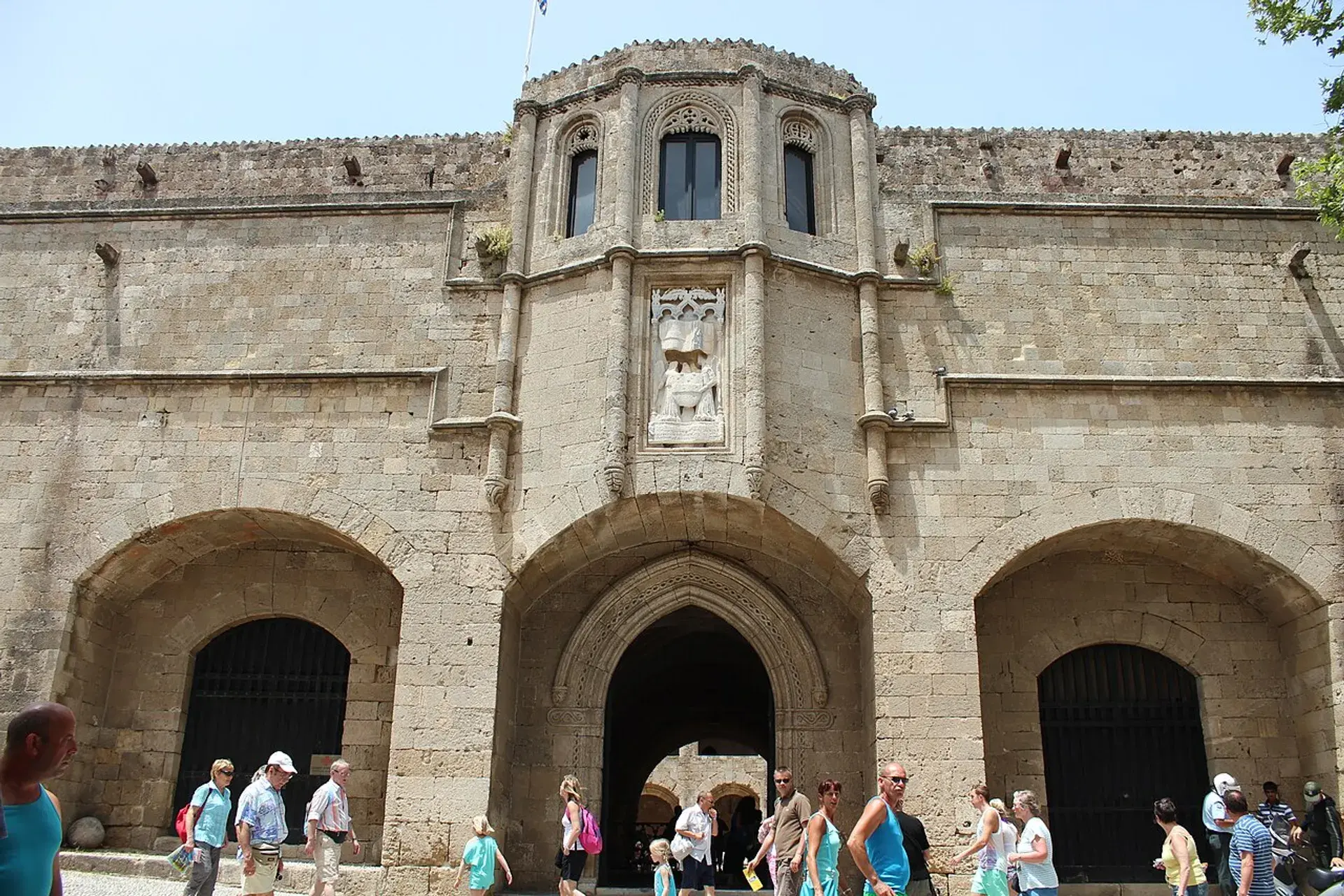
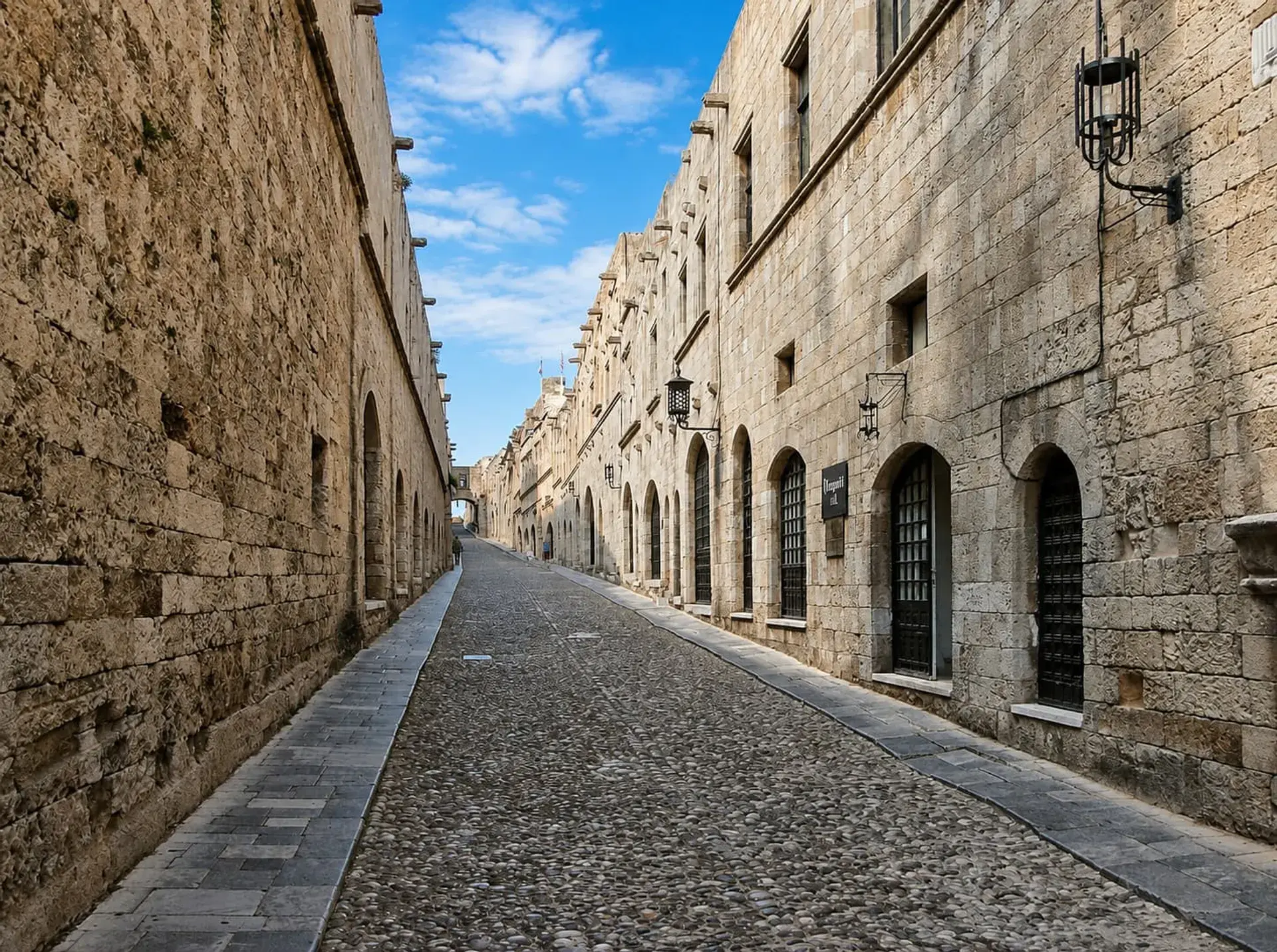
The origins of Socratous Street trace back to the Byzantine era, when it served as a vital artery connecting the Avenue of the Knights with the city's commercial core. Its name, a tribute to the philosopher Socrates, reflects an early period of intellectual and cultural significance. During the rule of the Knights of St. John (1309-1522), the street maintained its commercial importance within the civilian area known as the 'Hora'. It was also a path regularly patrolled by the Christian Crusaders, a stark contrast to its later identity.
The Ottoman Transformation
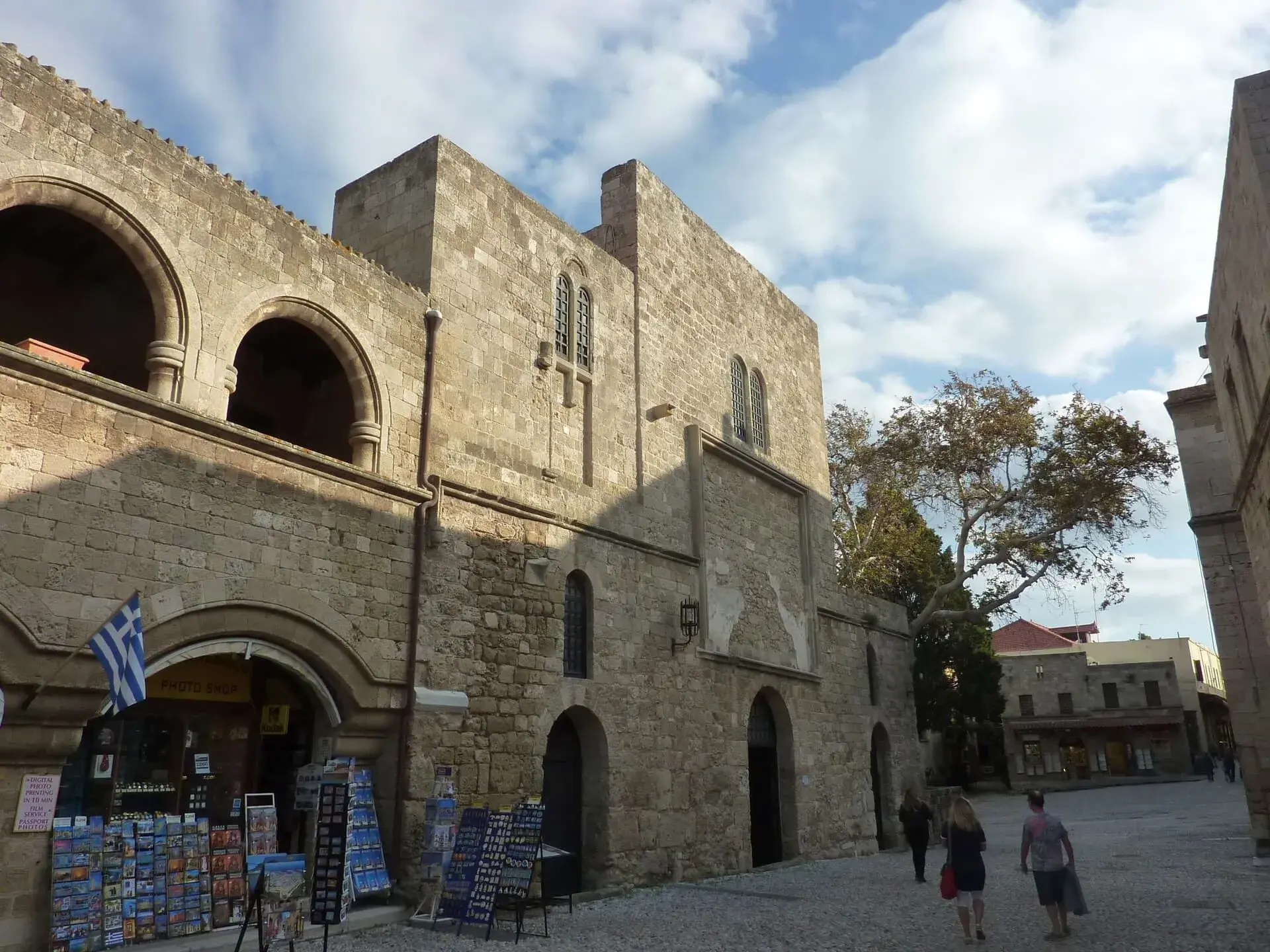
A dramatic shift occurred in 1522 with the Ottoman conquest led by Sultan Suleiman the Magnificent. Socratous Street and the surrounding area were transformed into a vibrant, Eastern-style bazaar. The urban landscape absorbed Islamic architectural influences, including minarets and hammams. The Suleymaniye Mosque, visible from the street, was built in 1522 on the foundations of a former Christian church. Nearby, the Ottoman Library, founded in 1794, houses rare manuscripts, including one detailing the 1522 siege. The market became a center for cultural exchange where Turkish, Greek, and Ladino languages were spoken.
Italian Restoration and UNESCO Status
From 1912 to 1943, Rhodes was under Italian rule. During this period, the Old Town underwent extensive renovations, with projects overseen by figures like Governor Mario Lago, aiming to restore many buildings to their medieval appearance. In 1988, the Old Town of Rhodes was designated a UNESCO World Heritage Site, a recognition of its diverse and well-preserved architectural styles, which include Byzantine, Gothic, and Islamic elements.
Socratous Street Today
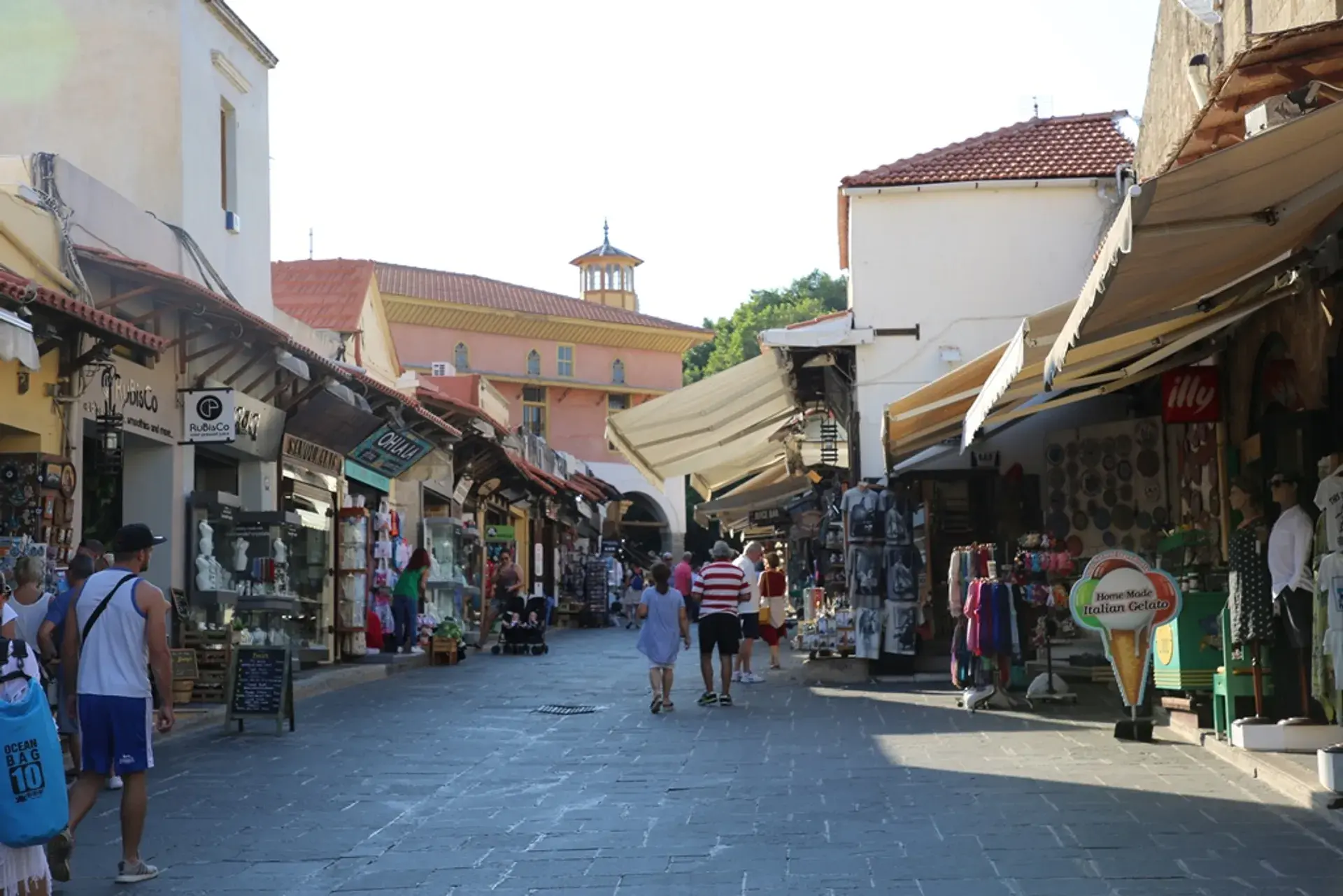
Today, Socratous Street is a bustling pedestrian shopping street and bazaar. It is densely lined with shops offering a wide array of goods, from artisan crafts and local delicacies to textiles, jewelry, and souvenirs. Numerous cafes, bars, and restaurants contribute to a lively atmosphere. While a major draw for tourists, the area remains a living community, with residential areas and businesses that serve the local population.
FAQ
What is the history of Socratous Street?
It originated in the Byzantine era, was a key route for the Knights of St. John, and was transformed into an Eastern-style bazaar after the Ottoman conquest in 1522. It later underwent restoration during Italian rule.
What can you find at the Socratous Street bazaar?
The bazaar features a wide variety of shops selling artisan crafts, local delicacies, textiles, jewelry, clothing, and souvenirs, alongside numerous cafes, bars, and restaurants.
When did Rhodes Old Town become a UNESCO World Heritage Site?
The Old Town of Rhodes, which includes Socratous Street, was designated a UNESCO World Heritage Site in 1988, recognizing its unique blend of historical architecture.
Discover Rhodes like never before
Dive into Rhodes hidden stories and secret spots with Ciceru interactive tours.
Explore tour
Audioguide
Quizzes
Maps
Solo
Couples
Groups & families

© Andrey Filippov 安德烈 from Moscow, Russia | CC BY 2.0