Ladadika: Thessaloniki's Historic Nightlife District
Just steps from the modern city center lies a pocket of 19th-century Thessaloniki that miraculously escaped the Great Fire of 1917. Located directly between the historic passenger port and modern Aristotelous Square, the historic district of Ladadika bridges the city's maritime commercial heritage with contemporary urban culture.
The Historic Olive Oil Market
Bounded by Tsimiski, Kountourioti, Salaminas, and Ioanni Dragoumi Streets, Ladadika centers around Morichovou Square. The district takes its name from the Greek word "ladi," meaning oil. This reflects its history as Thessaloniki's primary wholesale market during the Ottoman era and throughout the 19th century.
Goods such as olive oil, grains, and spices arrived from ships at the adjacent port. The area operated as a multicultural trading hub strongly associated with Jewish merchants, situated next to the French and Italian "Frankish district."
Surviving the Great Fire
Unlike the majority of central Thessaloniki, which was completely replanned after the Great Fire of 1917, Ladadika's immediate perimeter survived intact. This miraculous preservation maintained its original 19th-century street grid and warehouse layouts.
Following World War I, the city's port trade relocated, leading to the neighborhood's decline. It transformed into a red-light district and bohemian hub, an era that later inspired the famous 1990s Greek song "Ta Ladadika" by Marios Tokas and Dimitris Mitropanos. By the 1970s, the historic quarter was largely abandoned.
A Restored Cultural Center
In 1985, the Greek Ministry of Culture designated Ladadika a protected heritage site, banning demolition and preserving its architectural character. Throughout the late 1980s and 1990s, restoration projects successfully rehabilitated the abandoned brick buildings into a pedestrianized cultural center.
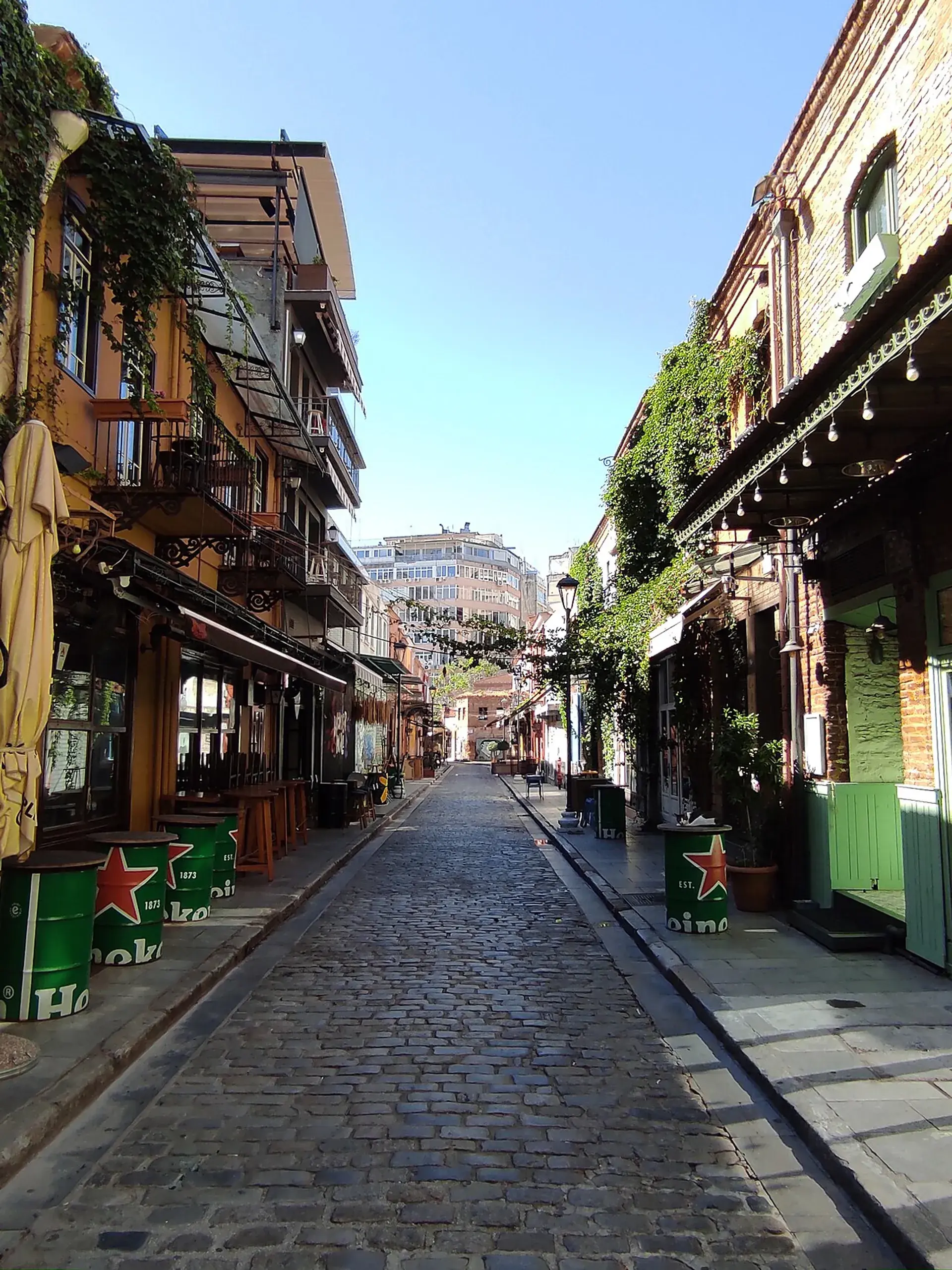
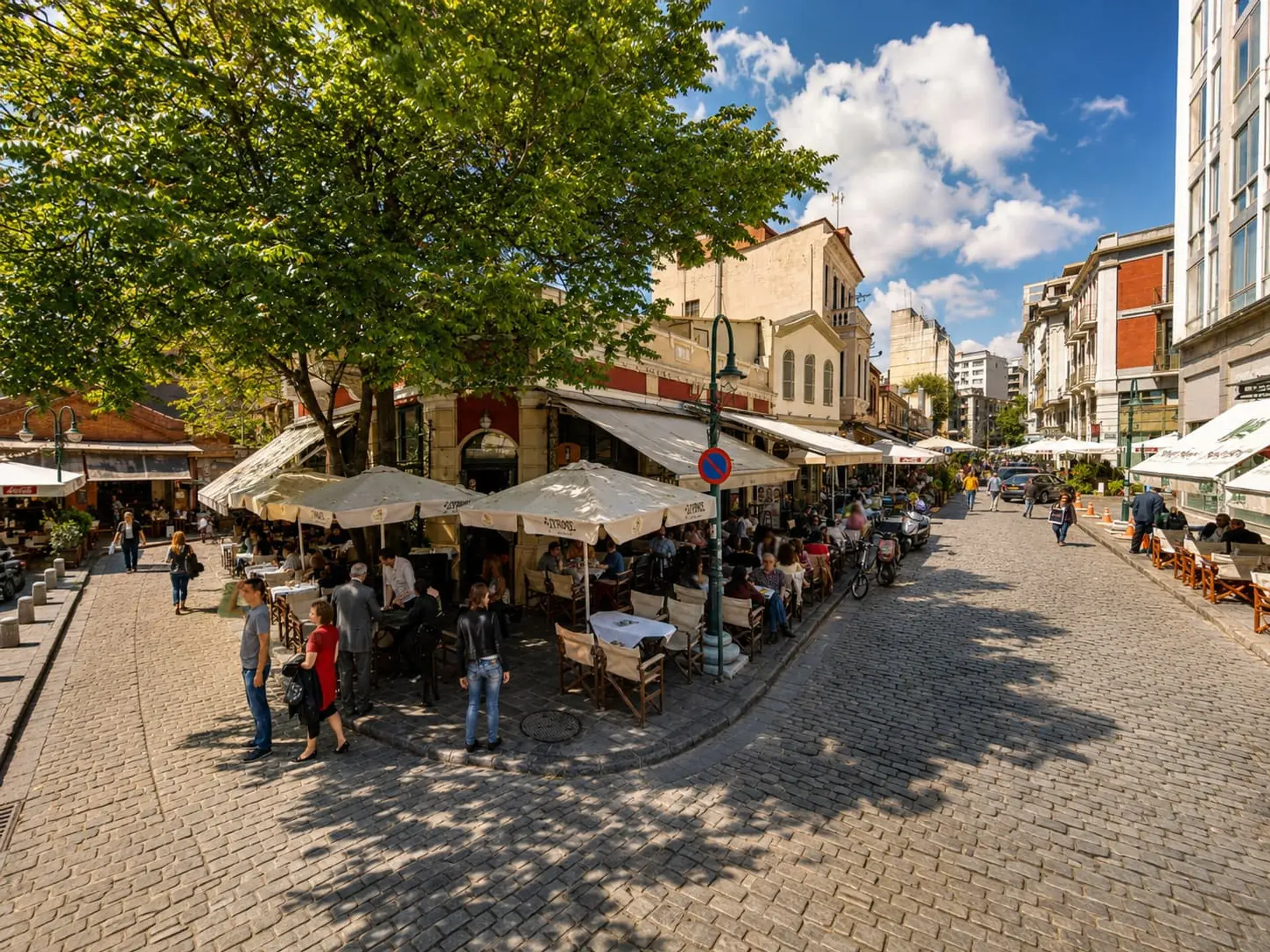
Today, the district serves as Thessaloniki's primary nightlife and gastronomy quarter. The cobblestone grid is lined with brightly painted ochre, red, and green brick-and-plaster facades. The restored two-to-three-story warehouses now host outdoor dining tables, traditional tavernas known as ouzeri, bars, and music venues. Local lore suggests the streets were originally lit by specialized olive oil lamps, an ambiance maintained today with retro-style lanterns that illuminate the scents of traditional meze and the sounds of live rebetiko music.
FAQ
How did Ladadika get its name?
The name originates from the Greek word "ladi," meaning oil, which refers to the neighborhood's history as a wholesale market for olive oil during the Ottoman era and 19th century.
Did Ladadika survive the Great Fire of 1917?
Yes, unlike the majority of central Thessaloniki, the immediate perimeter of Ladadika miraculously survived the Great Fire intact, preserving its 19th-century street grid.
What is Ladadika used for today?
Today, Ladadika is Thessaloniki's primary nightlife and gastronomy quarter, featuring pedestrianized streets lined with traditional tavernas, outdoor dining spaces, and music venues.
Gallery