Father Mathew Statue: Cork's Temperance Landmark
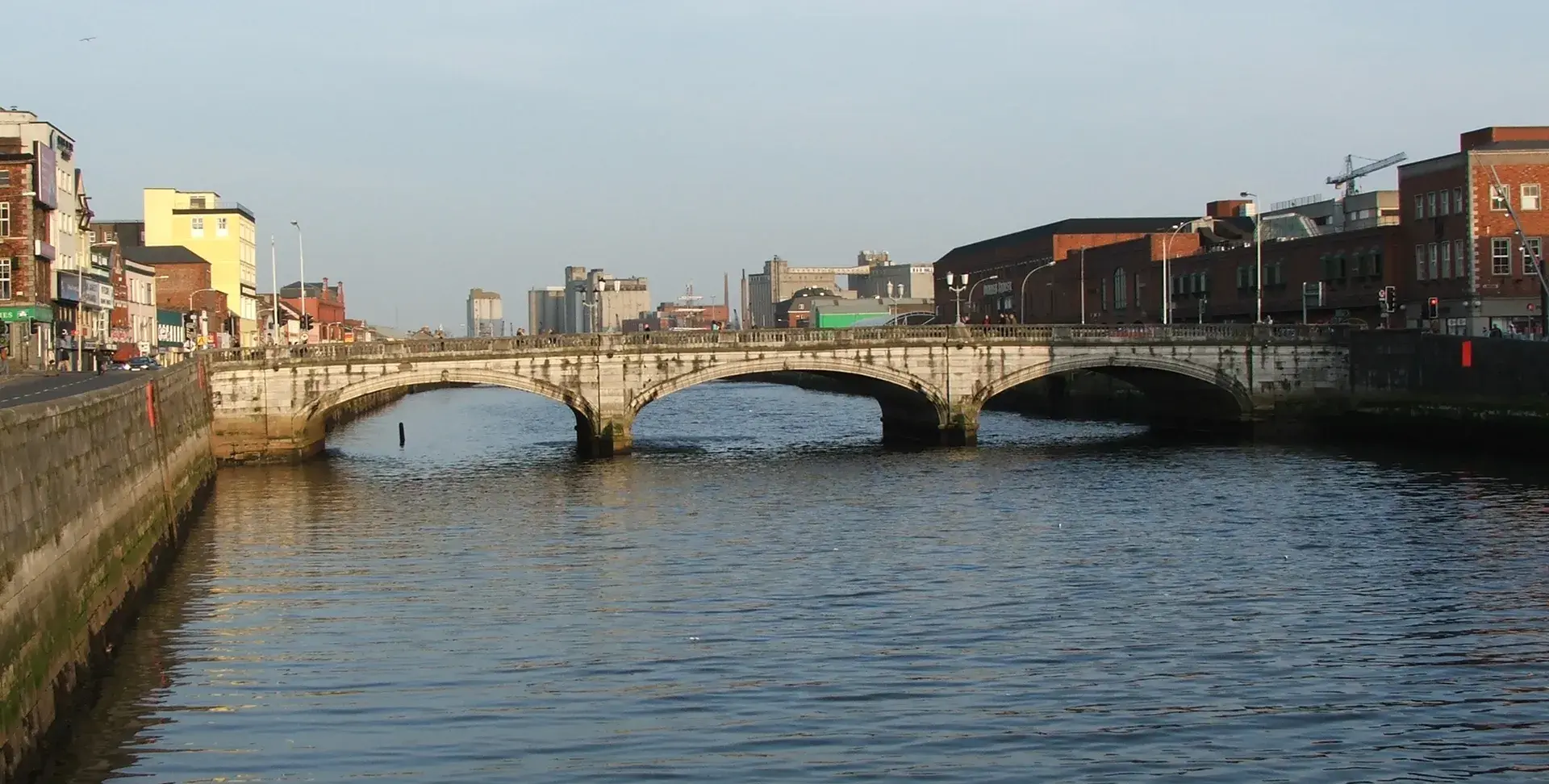
Standing proudly on Cork's main thoroughfare, St. Patrick's Street, the Father Mathew Statue commemorates a pivotal figure in 19th-century Irish social history. This bronze monument serves as the primary landmark of the city's commercial heart and a cherished meeting point for locals.
The Apostle of Temperance
The statue honors Father Theobald Mathew (1790-1856), a Capuchin priest who arrived in Cork in 1814. He became widely known as the 'Apostle of Temperance' after founding the Cork Total Abstinence Society in 1838. His temperance movement gained incredible momentum, enrolling approximately 3 million people—more than half of Ireland's adult population at the time—by 1845. The campaign's success was linked to a notable reduction in crime, with homicides in Ireland dropping from 247 in 1838 to 105 in 1841.
A Legacy of Philanthropy
Father Mathew's work extended far beyond advocating abstinence. He dedicated his life to serving Cork's destitute, providing crucial aid during the cholera epidemic of 1832 and the Great Famine between 1845 and 1850. He also established St. Joseph's Cemetery to ensure dignified burial grounds for the city's Catholic poor, who had previously faced difficulties with Protestant-controlled cemeteries. Despite his influence, he personally underwrote the campaign's expenses, accumulating a debt of £7,000.
The Monument's History
Unveiled on October 10, 1864, the monument features a bronze statue by sculptor John Foley, R.A., set upon a pedestal designed by W. Atkins of Cork. The statue has witnessed significant historical events, surviving the burning of Cork by British forces in December 1920. From 1898 to 1931, it also served as the central hub for the city's electric tramway system. Its importance to Corkonians was demonstrated around 2000-2002 when strong public protests successfully halted a proposal to relocate it.
A Complex Social Reformer
While celebrated for his work in Ireland, Father Mathew's legacy is not without complexity. During a visit to the United States from 1849 to 1851, the abolitionist Frederick Douglass publicly condemned him for refusing to denounce slavery. Douglass expressed that he was "grieved, humbled and mortified" by Mathew's neutrality, especially since the priest had previously signed a petition urging Irish Americans to reject slavery.
The Statue Today
Today, the Father Mathew Statue remains an iconic fixture on the bustling St. Patrick's Street. Affectionately known to locals simply as 'the Statue,' it is a popular meeting point surrounded by shops and cafes. It continues to be an unofficial focal point of Cork's urban landscape, sometimes playfully decorated with traffic cones or football scarves by pranksters.
FAQ
Who was Father Theobald Mathew?
Father Theobald Mathew was a 19th-century Capuchin priest known as the 'Apostle of Temperance' for his influential movement promoting total abstinence from alcohol. He was also a dedicated philanthropist who provided aid during the Great Famine and the 1832 cholera epidemic.
When was the Father Mathew Statue built?
The Father Mathew Statue was officially unveiled on October 10, 1864, to commemorate the life and work of Father Theobald Mathew.
Who sculpted the Father Mathew Statue?
The bronze statue was sculpted by John Foley, R.A. The initial commission was given to John Hogan, but he passed away before he could complete the design.
Why is the Father Mathew Statue a famous landmark in Cork?
It is a central and iconic monument on St. Patrick's Street, serving as a popular meeting point. It honors a significant figure in Irish social history and has a deep connection to the city's identity, having survived historical events and a proposed relocation.
Discover Cork like never before
Dive into Cork hidden stories and secret spots with Ciceru interactive tours.
Explore tour
Audioguide
Quizzes
Maps
Solo
Couples
Groups & families

© Domer48 at English Wikipedia | Public domain