St. Patrick's Bridge Cork: History of an Iconic Crossing
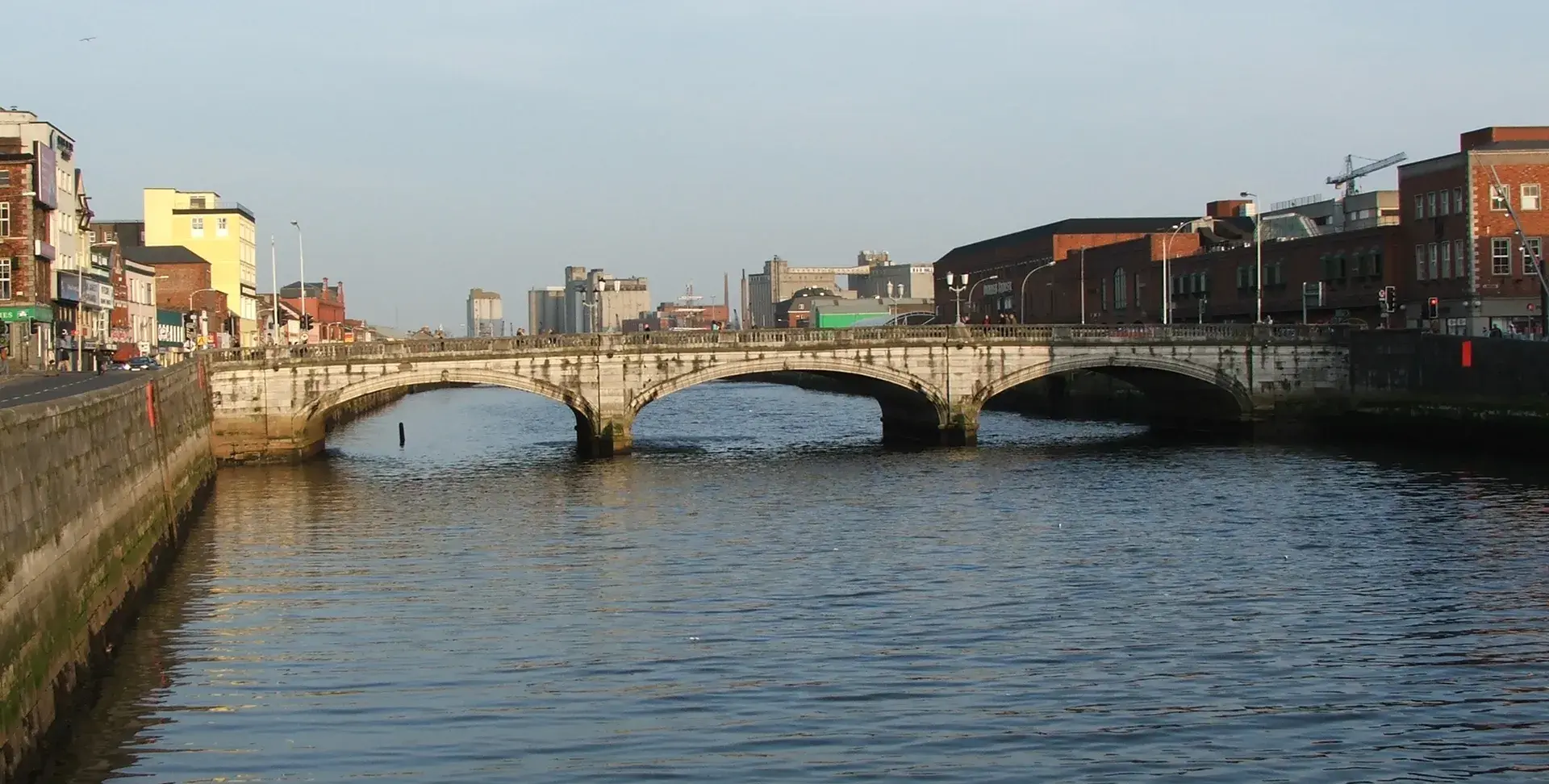
St. Patrick's Bridge is an elegant, three-arch limestone bridge and Cork's most iconic river crossing. Spanning the River Lee, it offers essential views of the water and the colourful merchants' houses lining the quay, serving as a vital link in the city's daily life.
A History of Floods and Rebuilding
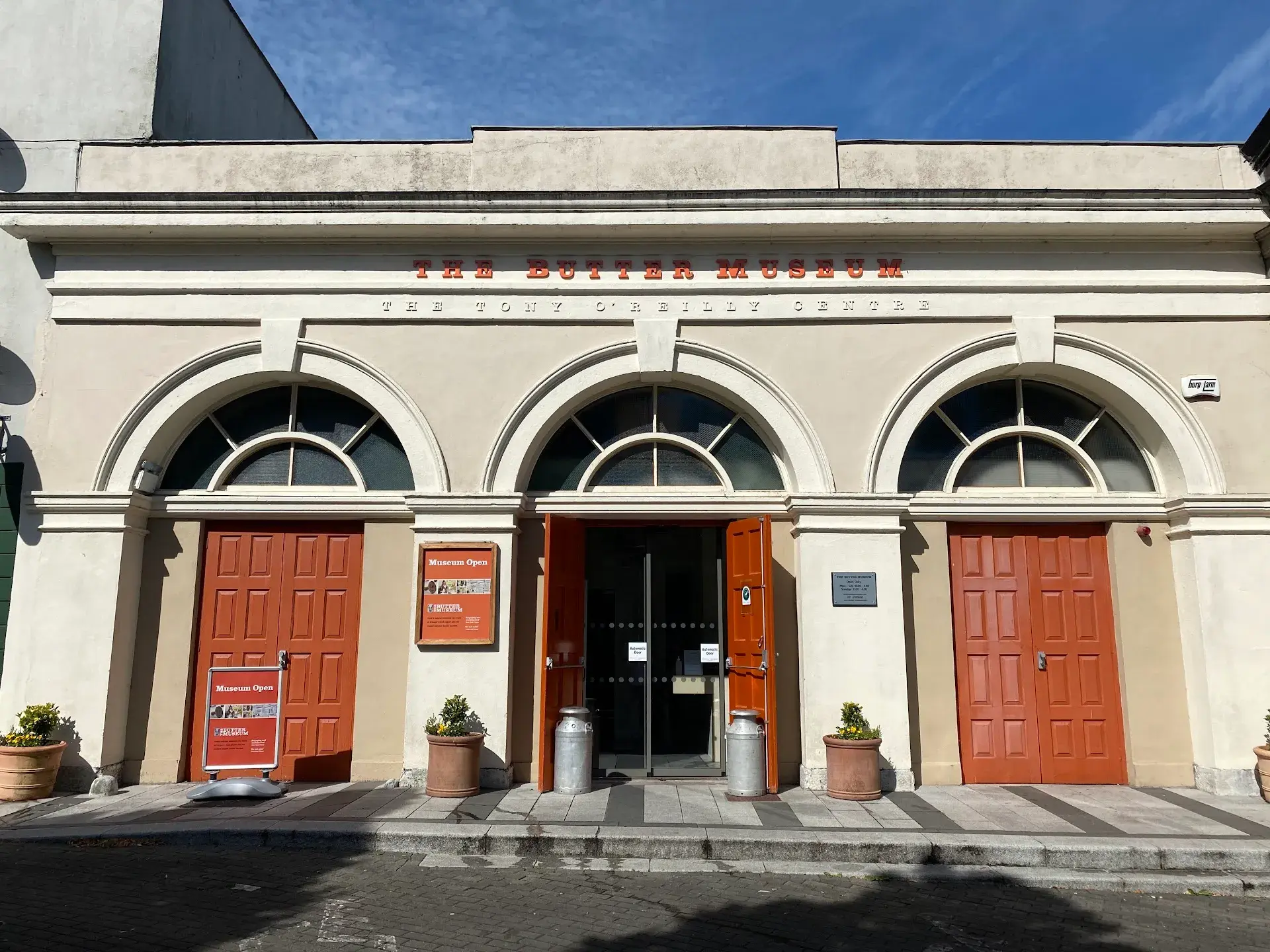
The history of St. Patrick's Bridge is marked by resilience. The first bridge at this location was proposed in the 1780s to help butter merchants transport goods. Designed by Michael Shanahan, its construction faced immediate disaster when a flood destroyed a partially completed arch in January 1789. Despite this setback, the bridge was rebuilt and opened later that year.
This initial structure featured an unusual portcullis to manage ship traffic, which was later removed in 1824. The bridge served Cork for over six decades before it was ultimately destroyed by a severe flood in November 1853, paving the way for a new, more robust replacement.
The Current Bridge's Construction
The current St. Patrick's Bridge is a triple-arch structure made of ashlar limestone, designed by the engineer-architect Sir John Benson. Its foundation stone was laid on November 10, 1859, by the Lord Lieutenant of Ireland, the Earl of Carlisle. The construction contract was awarded to Joshua Hargrave, the grandson of one of the original bridge's builders.
Employing over one hundred skilled stone cutters and masons, the project cost £17,000. After a ship struck the new structure in 1859, requiring some reconstruction, the bridge was officially opened on December 12, 1861, by the Mayor of Cork, Sir John Arnott. The bridge spans 51 meters and has undergone restoration, most recently a major project completed between 2017 and 2019.
An Enduring City Landmark
Today, St. Patrick's Bridge remains a vital artery in Cork, connecting the main shopping area of St. Patrick's Street with the city's northern districts. It is accessible 24/7 to vehicles, cyclists, and pedestrians. Beyond its practical transportation role, the bridge is a recognizable landmark and a focal point for city events, including the annual St. Patrick's Festival.
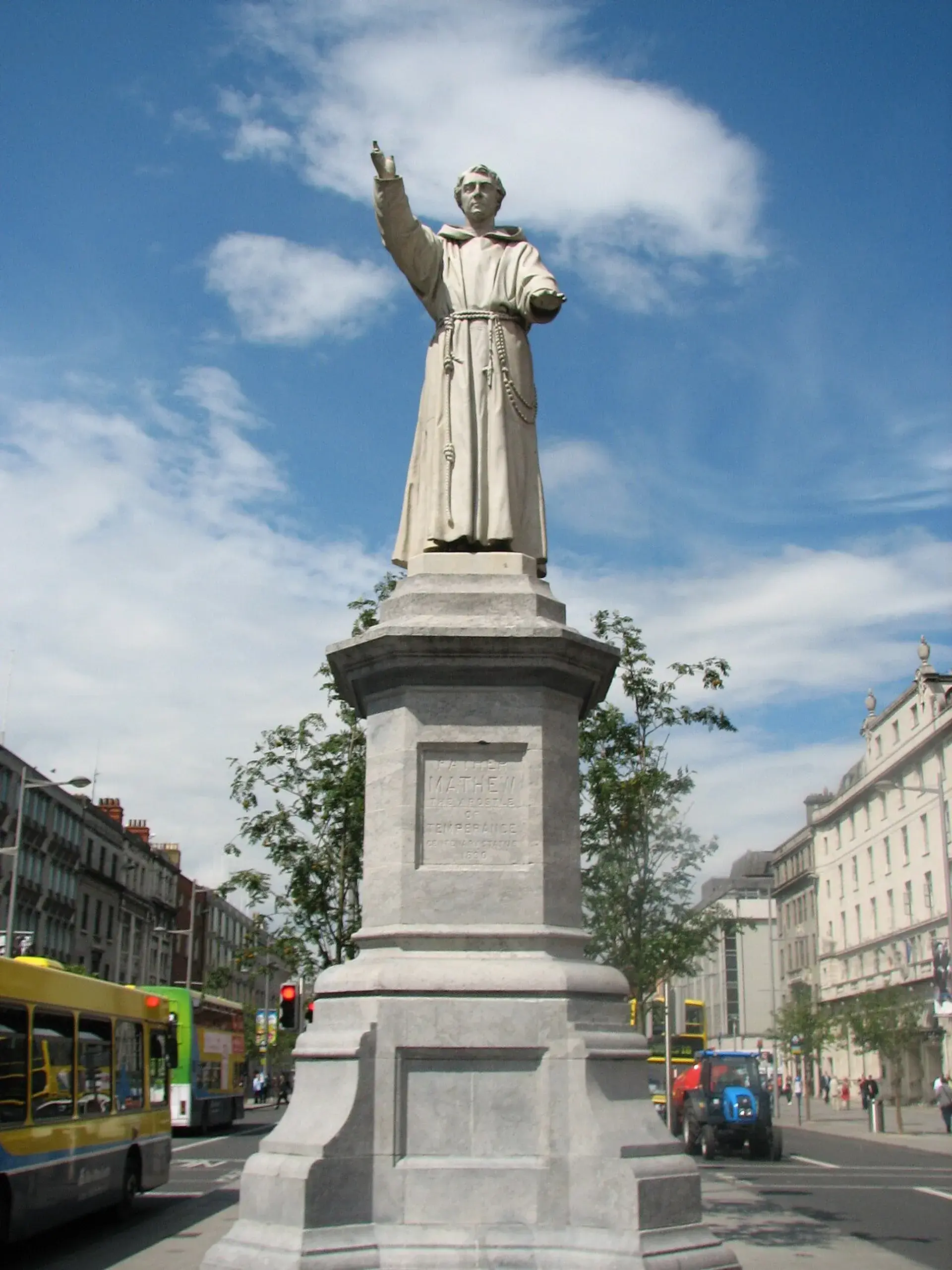
Its location provides panoramic views of the River Lee, making it a popular spot for leisurely walks and photography. At its southern end, a statue of Father Theobald Mathew, a famous 19th-century temperance advocate, stands in ironic contrast to the many traditional pubs nearby.
FAQ
When was the current St. Patrick's Bridge built?
The foundation stone for the current St. Patrick's Bridge was laid in 1859, and the bridge officially opened to the public on December 12, 1861.
Why was St. Patrick's Bridge originally built?
The first bridge was proposed in the 1780s to facilitate trade, specifically to help butter merchants transport their goods from the north bank of the River Lee to the city's commercial heart.
Who is the statue on St. Patrick's Bridge of?
The statue located at the southern end of the bridge is of Father Theobald Mathew, a prominent 19th-century advocate for the temperance movement, which promoted abstinence from alcohol.
What is St. Patrick's Bridge made of?
The current St. Patrick's Bridge is a triple-arch road bridge constructed from ashlar limestone.