The Butter Museum: Cork's Rich Dairy History
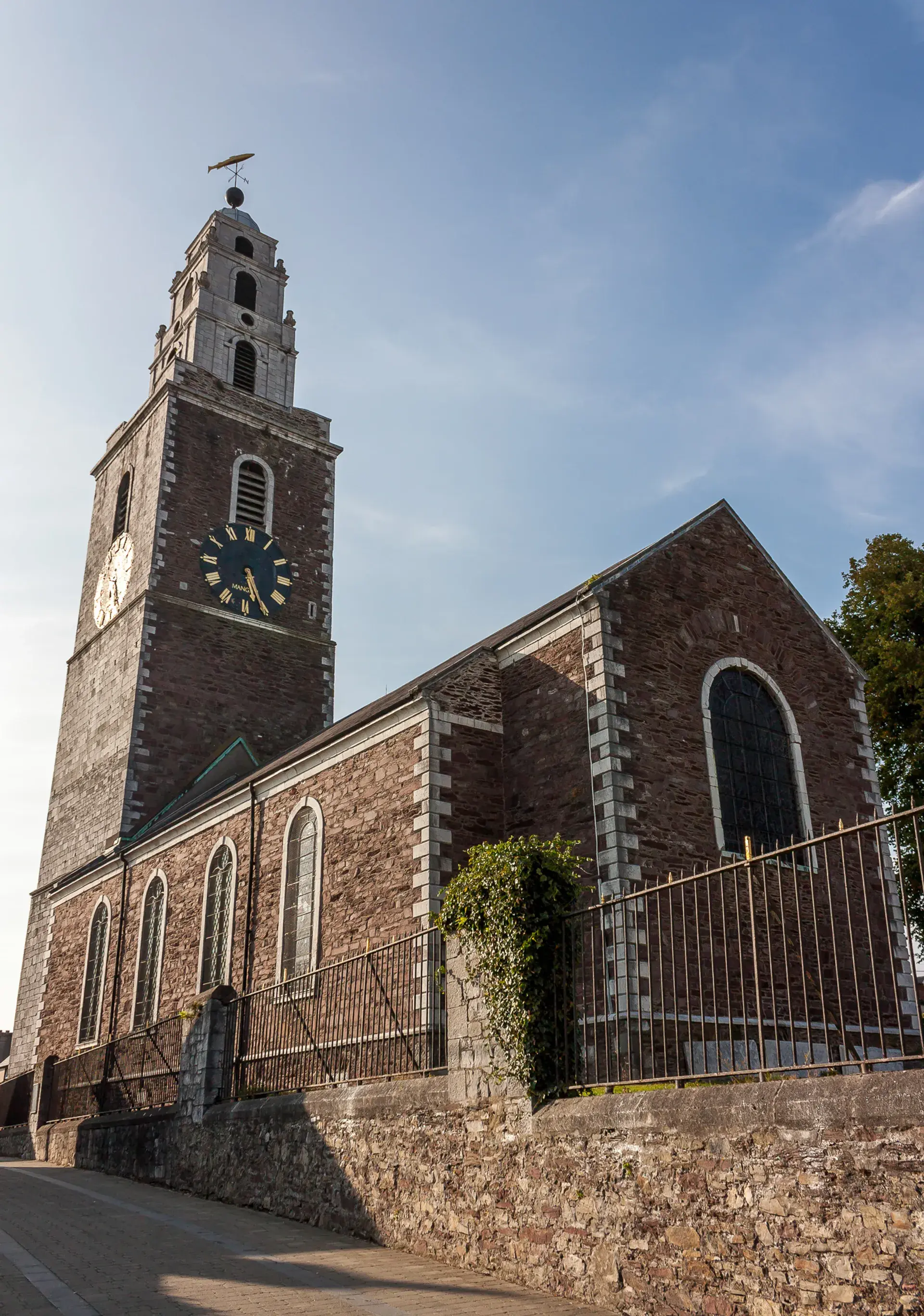
In the heart of Cork's historic Shandon district stands The Butter Museum, housed in a building that was once the epicenter of a global trade. This institution chronicles the story of how butter production shaped the city's identity and made it one of the world's great ports.
The Rise of the Cork Butter Exchange
The history of butter in the region is ancient, with artifacts like thousand-year-old medieval bog butter connecting modern Ireland to a deep-rooted dairy culture. A formal market was established in Cork in 1770 by the Committee of Merchants, creating the Cork Butter Exchange. During the 19th century, this exchange grew to become the largest butter market in the world. Farmers from across Munster traveled along routes that became known as 'Butter Roads' to bring their product to the city.
A System of Quality and Global Trade
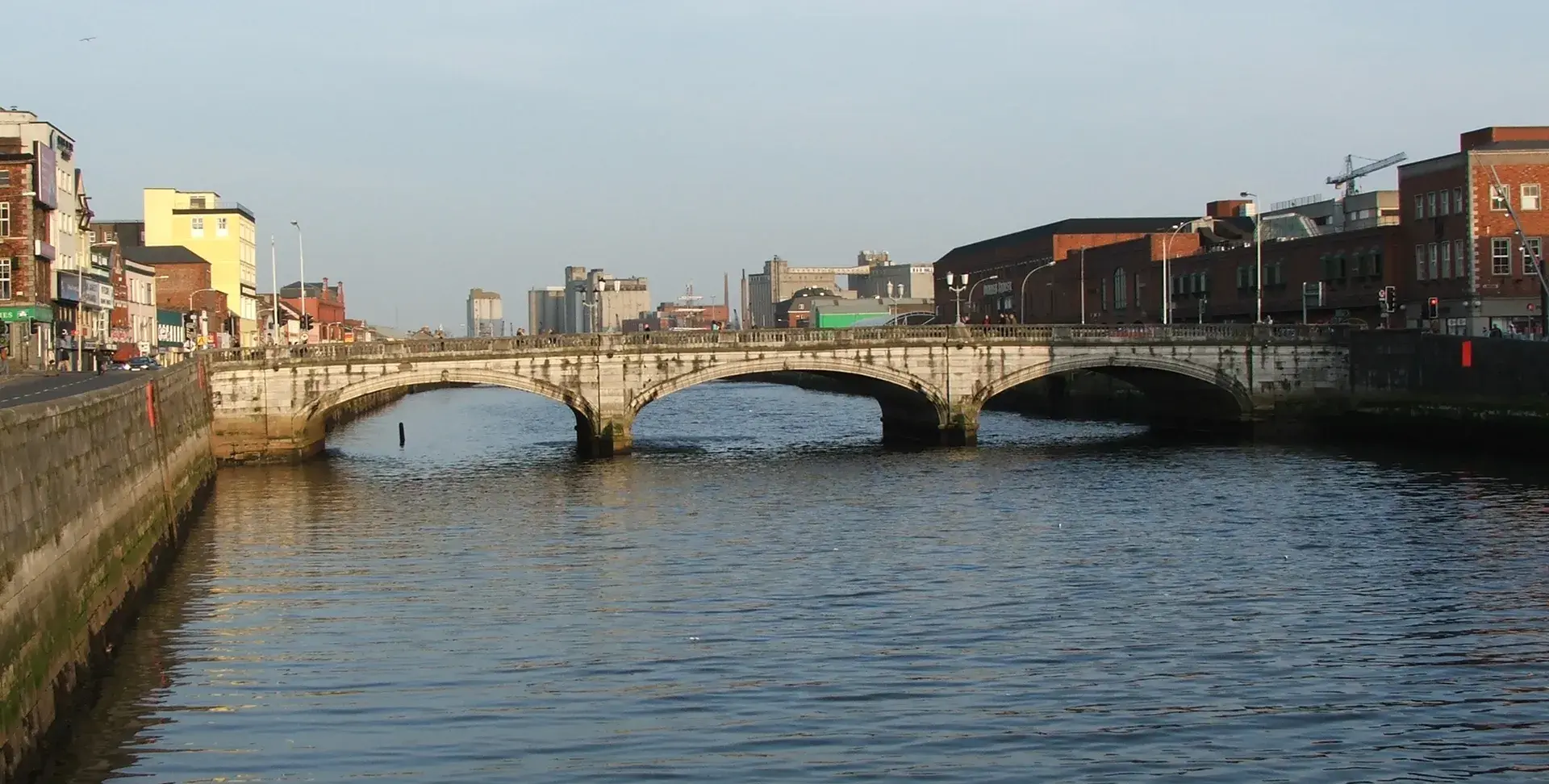
The success of the Cork Butter Exchange was built on a radical system of quality control. The Committee of Merchants established strict standards, with butter inspectors meticulously assessing each firkin, or wooden barrel, for color, smell, and salt content. Butter was assigned grades from '1st' to '6th', ensuring a reliable product for international buyers. At its peak, Cork butter was exported to four continents, reaching markets in the West Indies, America, Brazil, Australia, and India. The scale of the operation was immense; on a single day in June 1850, around 2,500 firkins were processed.
From Market to Museum
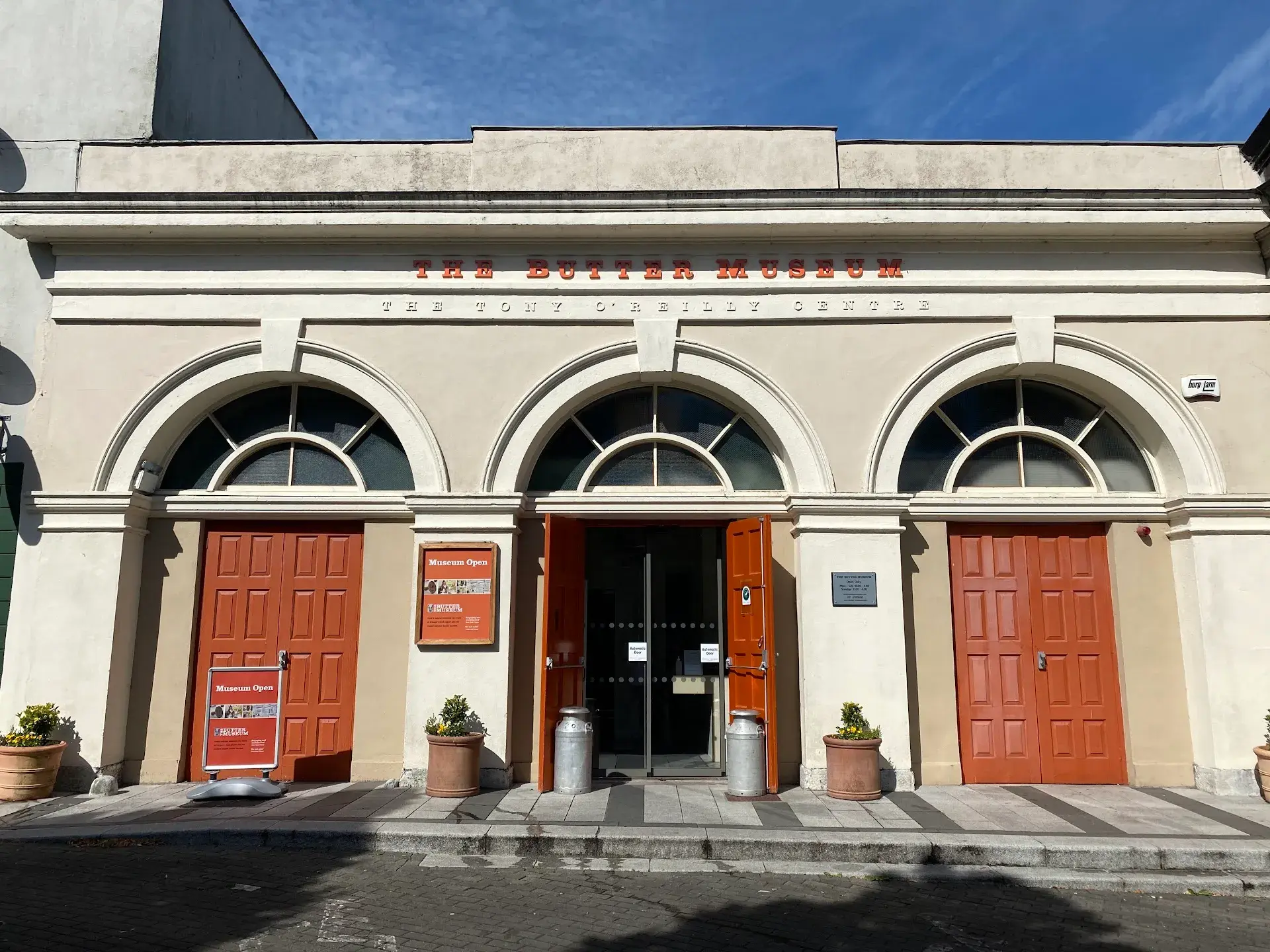
The museum occupies a market building completed in 1849, designed by county surveyor Sir John Benson. Its impressive portico, in a classical Roman temple style, reflects the prosperity of the butter trade at the time. The market's dominance began to decline from the 1860s due to changing tastes and new technologies, leading to its eventual closure in 1925. After serving various purposes, including as offices for the Irish Ballet Company in the 1980s, the building was repurposed and opened as The Butter Museum in the late 1990s.
Exhibits and Experiences Today
Today, The Butter Museum is a specialized institution detailing the history of Irish butter. Exhibits cover the 19th-century international Butter Exchange, traditional methods of home butter making, and the modern success of the Kerrygold brand. One of the most remarkable displays is a container of thousand-year-old bog butter. The museum also offers live butter-making demonstrations on Wednesdays and Saturdays at 12:00, where visitors can enjoy the scent of freshly churned butter and sample the product with fresh bread. Adult admission is €5.
FAQ
What is the significance of The Butter Museum's building?
The museum is housed in a market building from 1849, designed by Sir John Benson. It was part of the original Cork Butter Exchange, which was once the largest butter market in the world.
What is the oldest artifact at The Butter Museum?
The museum's collection includes a remarkable sample of thousand-year-old medieval bog butter, connecting the site to Ireland's ancient dairy traditions.
Are there live demonstrations at The Butter Museum?
Yes, the museum holds butter-making demonstrations on Wednesdays and Saturdays at 12:00. These sessions include samples of freshly made butter and bread for guests.
How important was the butter trade to Cork?
The butter trade was fundamental to Cork's prosperity. From 1770 to 1925, the Cork Butter Exchange grew to be the largest in the world, exporting butter to four continents and making Cork a major international port.
Discover Cork like never before
Dive into Cork hidden stories and secret spots with Ciceru interactive tours.
Explore tour
Audioguide
Quizzes
Maps
Solo
Couples
Groups & families

© Photo by Abhinav Bhardwaj via Google Maps · Google Places