Nano Nagle Place: Cork's Social Justice Legacy
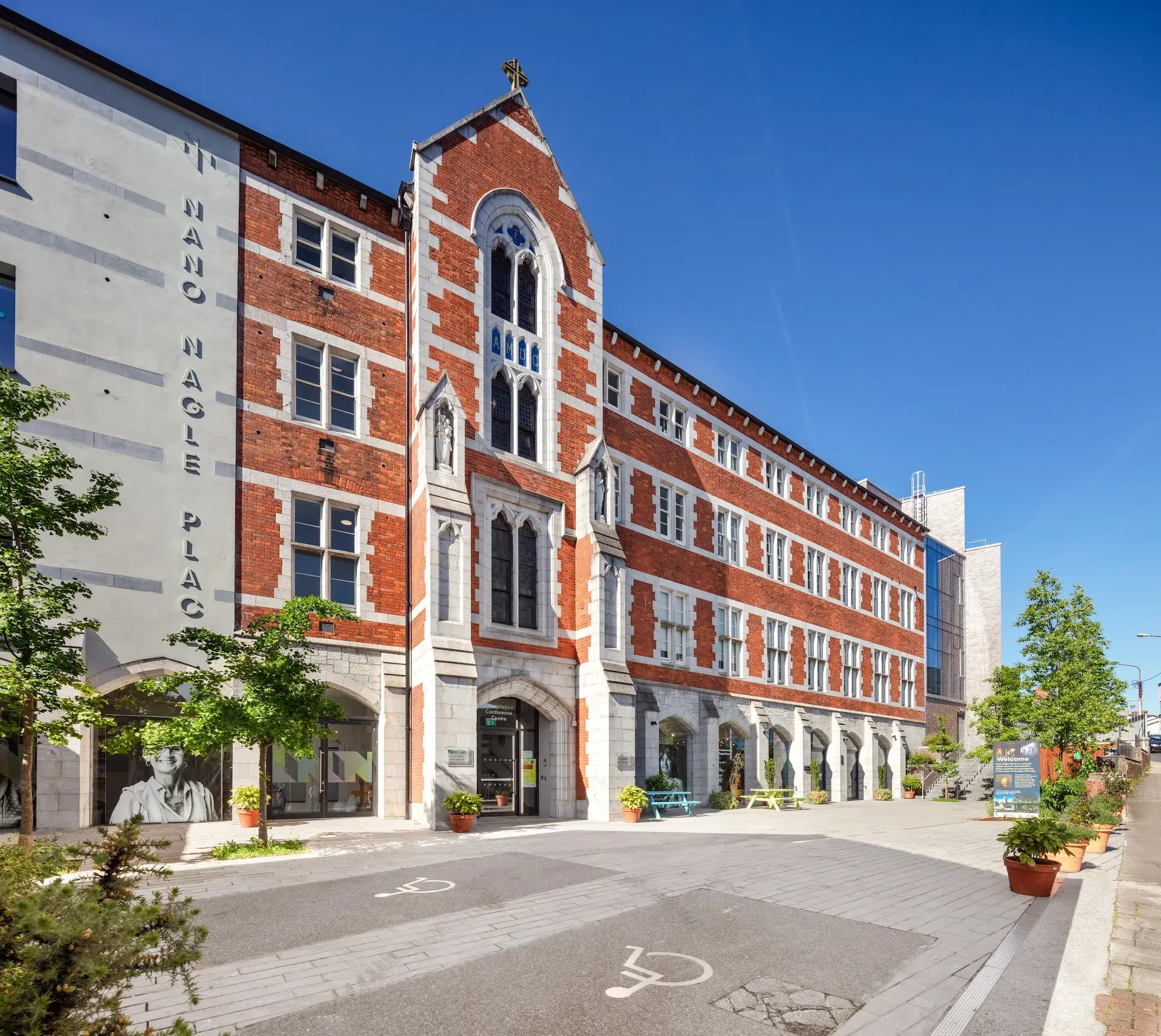
Nano Nagle Place is a restored historic complex in Cork that celebrates the life and continuing legacy of social justice pioneer Honora “Nano” Nagle. This urban oasis blends 18th-century architecture with modern design, housing a museum, tranquil gardens, and a vibrant community hub on the very site where Nagle began her revolutionary work.
The Pioneering Work of Nano Nagle
Born in 1718 to a wealthy Catholic family, Nano Nagle was educated in France due to the restrictive Penal Laws in Ireland that forbade Catholic education. Upon returning to Cork in the early 1750s, she was profoundly moved by the city's widespread poverty. In defiance of the law, Nagle established her first secret school for poor Catholic children on what is now Douglas Street. Her educational network grew rapidly, and by 1769 she was operating seven schools across Cork for both boys and girls.
Nagle's dedication extended beyond the classroom. She became known as the 'Lady with the Lantern' for her nightly walks through Cork's dark streets, carrying a lantern as she visited and cared for the city's sick and impoverished, embodying her commitment to direct community service.
Founding the Presentation Sisters
A pivotal moment in Nagle's mission came in 1771. Using a significant inheritance from her uncle, Joseph Nagle, she funded the construction of a convent for Ursuline Sisters whom she invited from France, hoping to secure the future of her schools. However, the Ursulines' strict rule of enclosure prevented the nuns from leaving the convent to work among the poor.
Undeterred, Nagle took a radical step. On Christmas Eve 1775, she founded her own non-enclosed religious order, the Sisters of Charitable Instruction of the Sacred Heart of Jesus, who would later become the Presentation Sisters. This new order was free to move within the community, allowing them to continue her hands-on educational and social work. Nano Nagle passed away in 1784, leaving behind a powerful and enduring legacy.
Architecture and Redevelopment
The site of Nano Nagle Place is an architectural tapestry. It features original 18th-century convent buildings, a stunning Victorian high Gothic Revival chapel designed in 1865 by George Goldie, and contemporary structures. The former South Presentation School on the grounds closed in 2006, paving the way for a four-year redevelopment project led by Jack Coughlan Architects.
Reopened in 2017, the complex now seamlessly integrates its historic elements with modern design, including a Mies van der Rohe-inspired garden café built in 2016. The 1865 chapel now serves as an interactive museum space detailing Nagle's story.
A Modern Hub for Community and Culture
Today, Nano Nagle Place continues its founder's mission as a dynamic cultural and community center. It is home to a museum, serene walled gardens, a design shop, a bookshop, and the Good Day Deli café. The site also hosts educational and social charities, including the Lantern Community Project, the Cork Migrant Centre, and the Cork Centre for Architectural Education. In a testament to its living heritage, members of the Presentation Sisters continue to reside on the premises, connecting the site's past with its present.
FAQ
Who was Nano Nagle?
Nano Nagle (1718-1784) was a social and educational pioneer in Cork, Ireland. Defying the anti-Catholic Penal Laws, she established secret schools for poor children and founded the Presentation Sisters order. She was known as the 'Lady with the Lantern' for her work helping the sick and poor at night.
What is Nano Nagle Place today?
Nano Nagle Place is a cultural and historical center in Cork. It features a museum, restored heritage buildings, gardens, a café, and shops. It also houses community and educational charities, continuing the social justice mission of its founder.
Why did Nano Nagle found her own order of nuns?
After building a convent for the Ursuline Sisters in 1771, Nano Nagle found their rule of enclosure prevented them from working in the community. To continue her mission of directly serving the poor, she founded her own non-enclosed order, the Presentation Sisters, in 1775.
Discover Cork like never before
Dive into Cork hidden stories and secret spots with Ciceru interactive tours.
Explore tour
Audioguide
Quizzes
Maps
Solo
Couples
Groups & families

© Photo by Nano Nagle Place via Google Maps · Google Places