Basilica Santi Medici in Alberobello: History & Guide
Neoclassical Grandeur in the City of Trulli
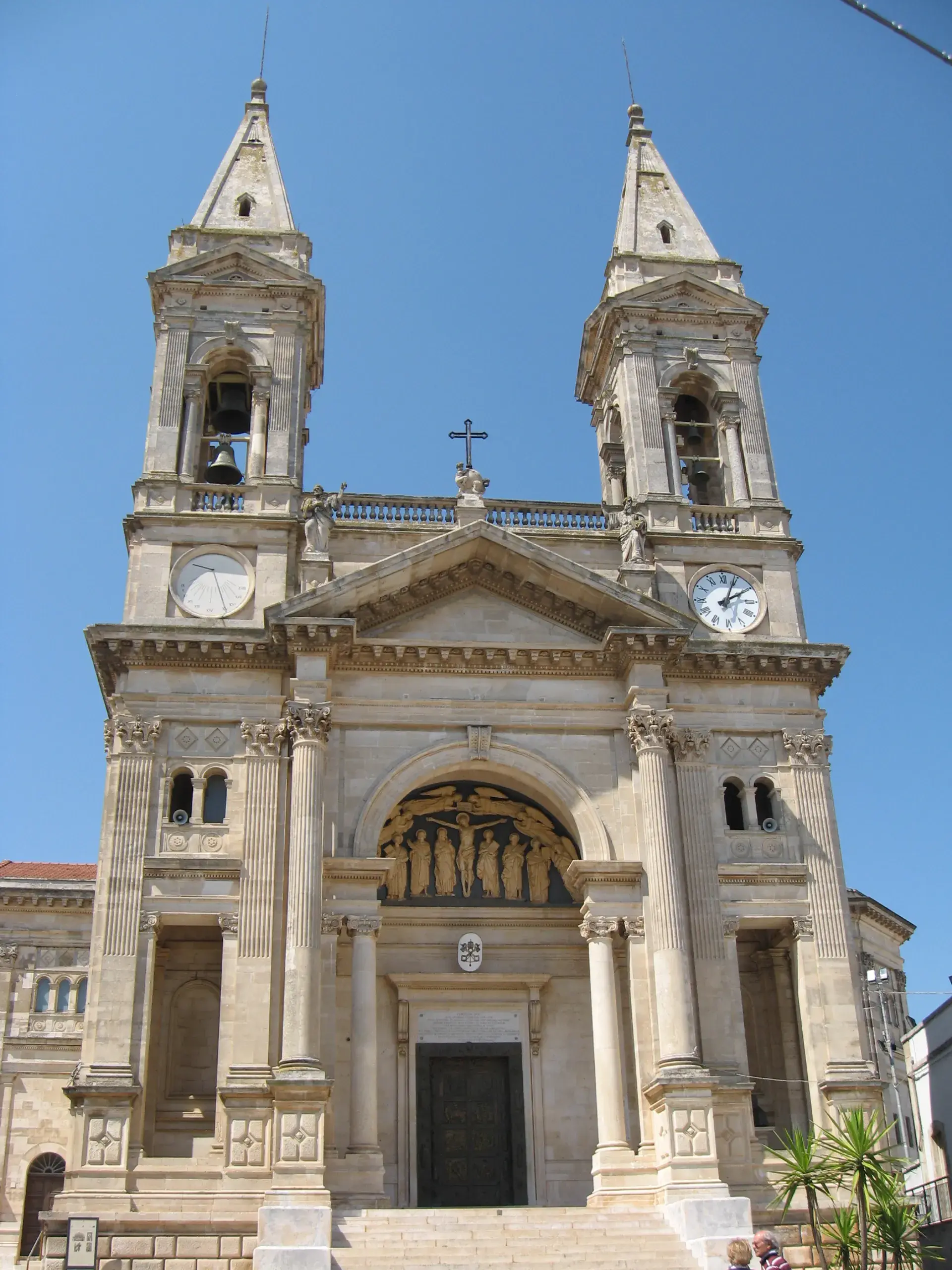
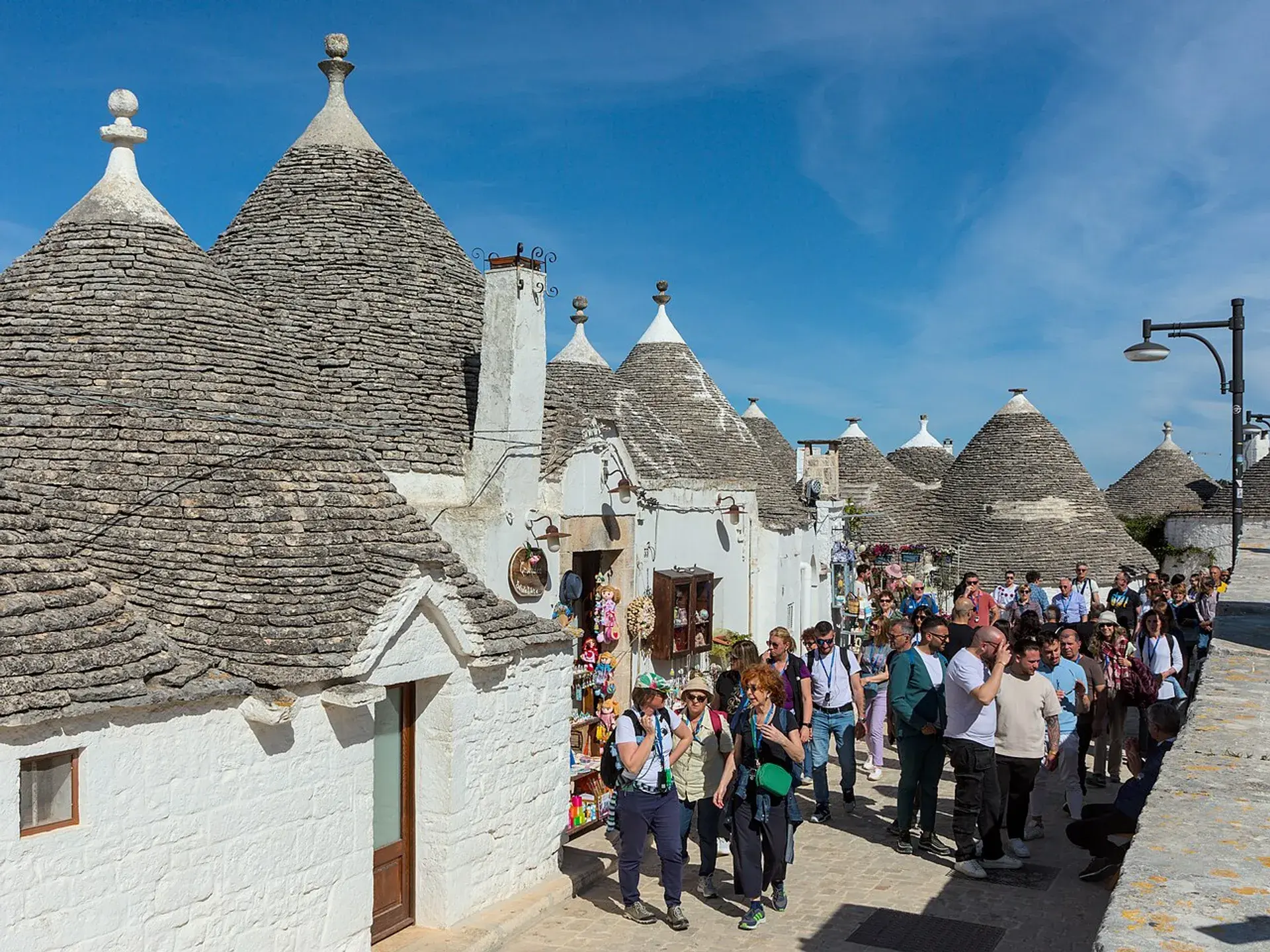
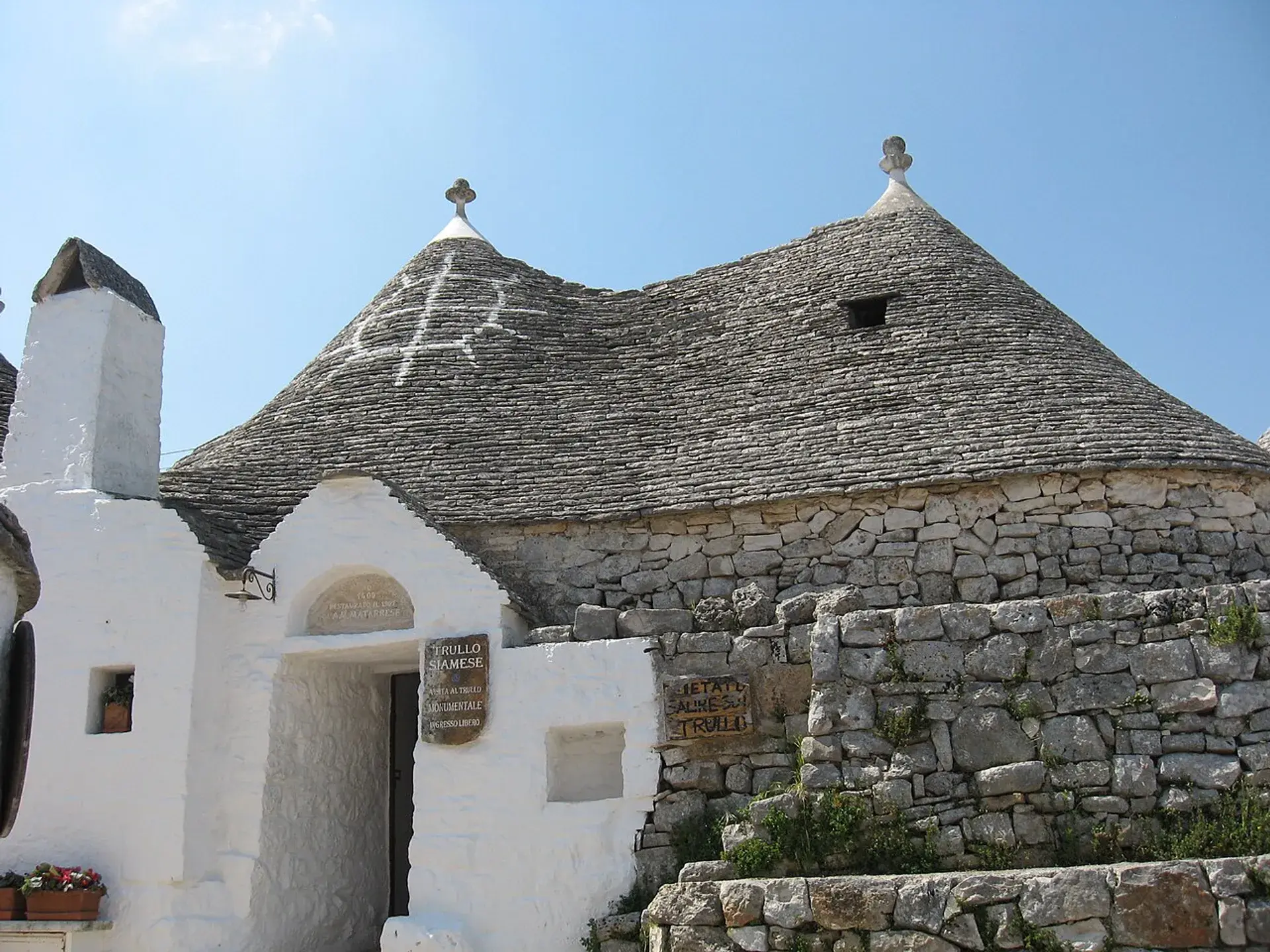
Overlooking Piazza Antonio Curri at the northern terminus of Corso Vittorio Emanuele, the Basilica Santi Medici Cosma e Damiano stands as a major civic and architectural landmark in Alberobello. Positioned between Piazza del Popolo and Trullo Sovrano, the church serves as an architectural counterpoint to the town's dry-stone conical dwellings. It represents Alberobello's late 19th-century transformation from a feudal rural settlement into an autonomous municipality expressed through monumental masonry.
Known locally as the Chiesa Matrice and Santuario dei Santi Medici, the building is often informally termed a cathedral, though Alberobello has never been an episcopal seat. It belongs to the Diocese of Conversano-Monopoli, was recognized as a sanctuary in 1938, and was elevated to a minor basilica by Pope John Paul II on February 18, 2000.
Historical Origins and Devotion
Devotion to the physician martyrs Saints Cosmas and Damian took root in the 1630s under Giangirolamo II Acquaviva d’Aragona, Count of Conversano. He commissioned an initial small chapel dedicated to the Madonna delle Grazie with an altar honoring the twin saints. As the agricultural settlement expanded, the building was enlarged in 1725, expanded again in 1784, and augmented with transepts in 1852. On May 22, 1854, a pontifical decree officially proclaimed Saints Cosmas and Damian the patron saints of Alberobello.
Seeking a monumental civic presence reflecting the town's independence, the municipality commissioned Alberobello-born architect Antonio Curri in 1882 to design a new neoclassical facade. The new exterior was formally inaugurated on September 20, 1885, while interior modifications and additions continued until around 1914.
Distinctive Architectural Features
The exterior of the basilica features a 17-step stone staircase leading to a classical portico with Corinthian columns and pilasters, crowned by statues of Saints Peter and Paul flanking the pediment. The entrance features monumental bronze doors crafted by sculptor Adolfo Rollo, with textured reliefs illustrating the Beatitudes from the Gospel of Matthew.
Flanking the portico are twin bell towers with pyramidal caps, each displaying a different timekeeping instrument: the left tower holds an astronomical sundial, while the right tower houses a mechanical clock with Roman numerals. Inside, the church is organized along a single-nave Latin cross plan beneath barrel vaults. Antonio Curri’s original master plan included a large octagonal dome above the crossing; however, structural concerns and budget constraints led to the dome being abandoned, leaving the crossing capped flat beneath the vaulted interior.
Sacred Relics and Patron Statues
The left transept of the basilica houses the sanctuary's primary devotional treasures. These include reliquaries holding bone fragments of both patron saints—specifically a piece of Saint Cosmas's arm and a fragment of Saint Damian's cranium.
Beside the relics stand two 18th-century polychrome wooden statues depicting the twin brothers. Despite representing twins, the figures were crafted independently: sculptor Francesco Paolo Antolini of Andria completed the statue of Saint Cosmas in 1782, while Luca Valentino Tammurro of Rutigliano carved Saint Damian two years later in 1784. Regional folklore credits the arrival of the Saint Cosmas statue in 1782 with miraculously ending a severe, prolonged drought in the surrounding area.
Pilgrimage and Visiting Information
The basilica remains an active Roman Catholic parish and pilgrimage sanctuary, open daily with free admission from 6:45 AM to 9:00 PM for services and general visitors.
Each year from September 25 to 28, the church serves as the center of the annual Festa dei Santi Medici. Commencing with a historic agricultural fair, the celebration culminates during the night between September 26 and 27 in the Feast of the Pilgrims. During this vigil, devotees walk on foot or barefoot across the Valle d'Itria from neighboring towns to attend the traditional 4:00 AM dawn mass.
FAQ
Is the church an actual cathedral?
No, Alberobello has never been an episcopal seat. Though known locally as the Chiesa Matrice and colloquially called a cathedral, the church is a parish sanctuary elevated to a minor basilica in 2000.
Why do the two bell towers show different clocks?
The twin bell towers feature two distinct timekeeping instruments: an astronomical sundial on the left tower and a mechanical clock with Roman numerals on the right tower.
What is the Feast of the Pilgrims?
Part of the annual Festa dei Santi Medici (September 25–28), this overnight event on September 26–27 draws pilgrims who travel on foot or barefoot from across the Valle d'Itria to attend a 4:00 AM dawn mass at the basilica.