Church of Saint Lucia in Alberobello: History & Art
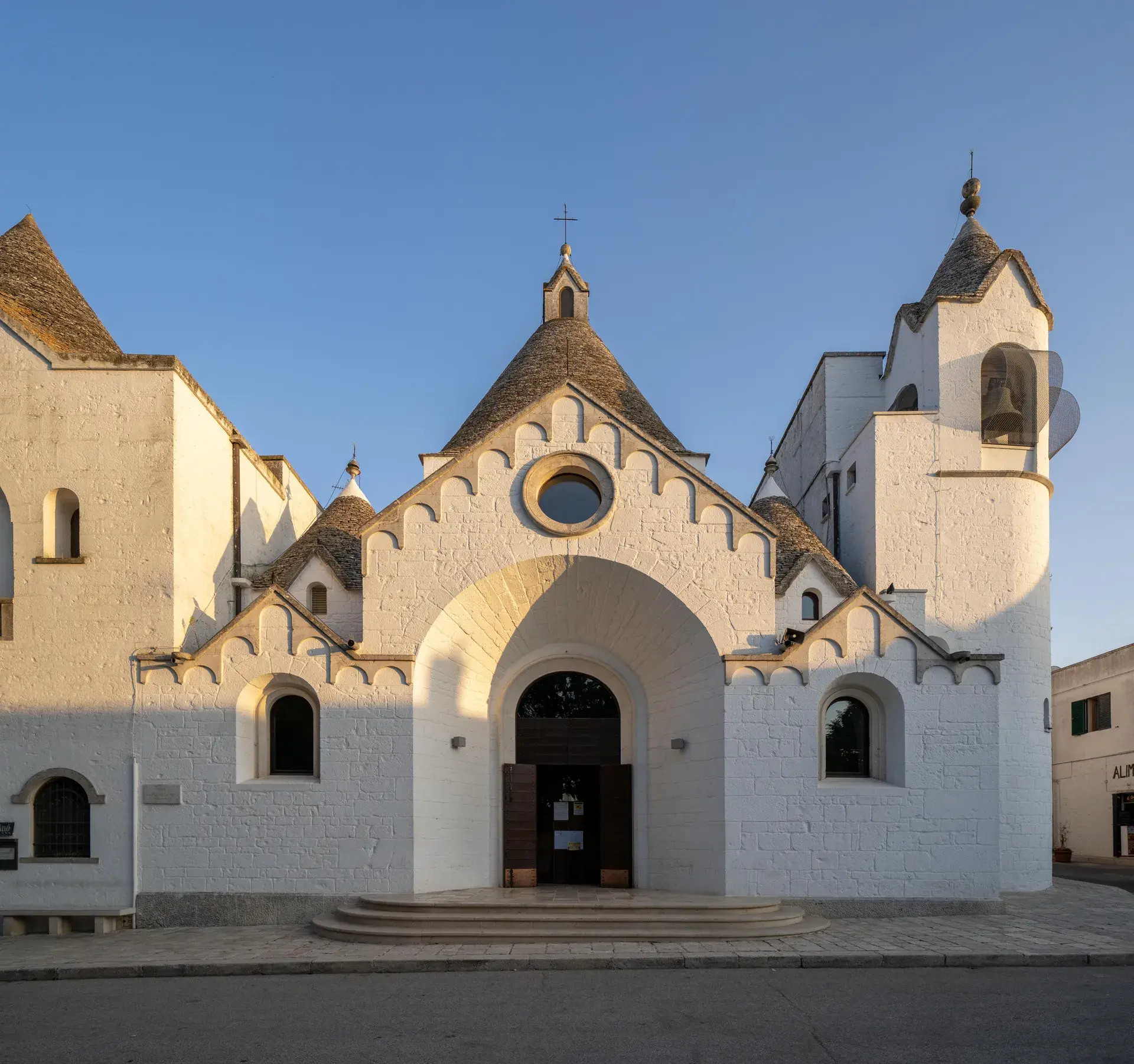
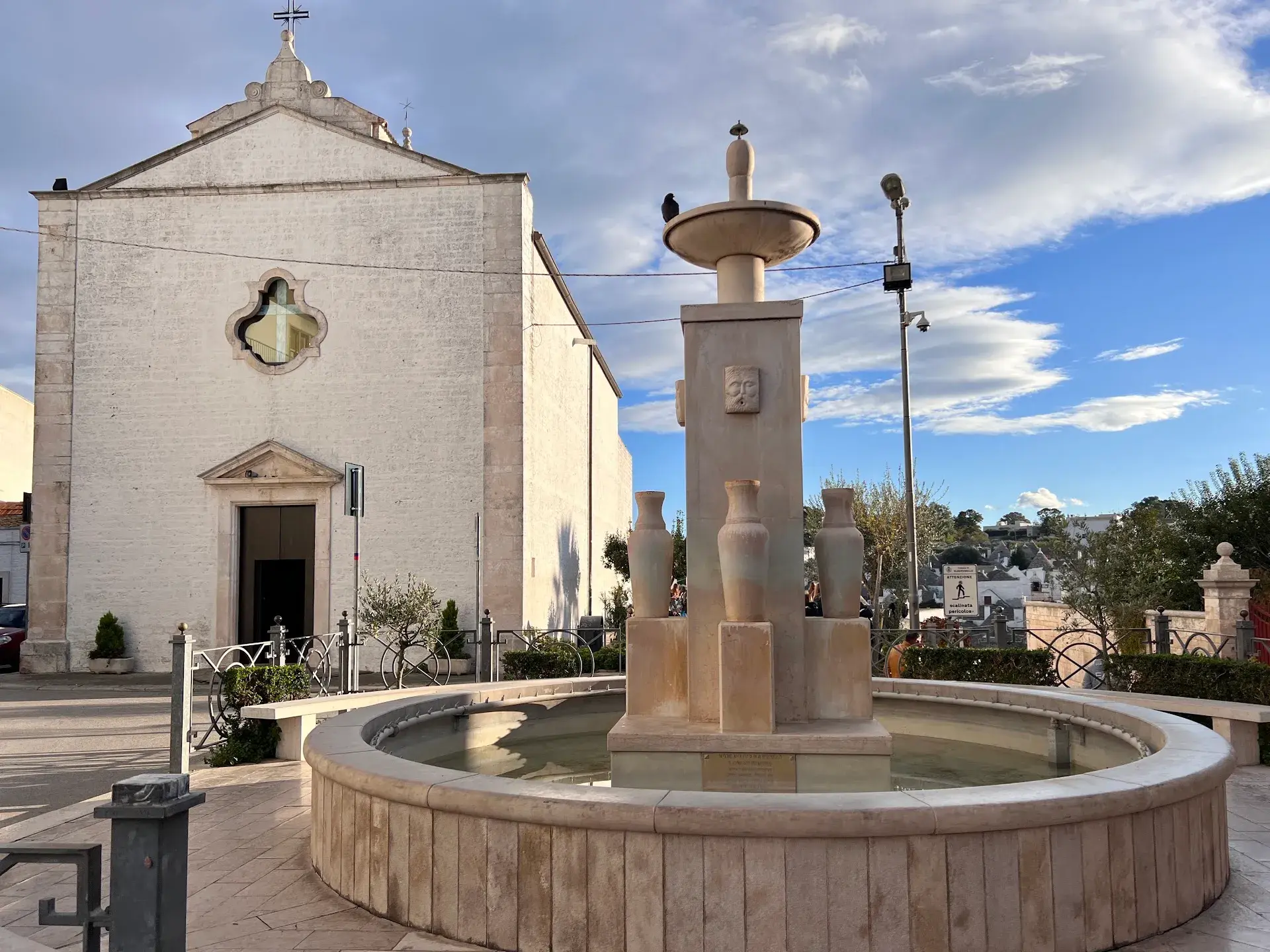
Officially designated as the Chiesa del Santissimo Sacramento, the Church of Saint Lucia stands prominently on Piazza Gian Girolamo II D'Acquaviva D'Aragona in Alberobello. Positioned directly adjacent to Piazza del Popolo and the Belvedere Santa Lucia, this historic sanctuary anchors the threshold between the town's nineteenth-century post-feudal urban center and the stone-sloped trulli district of Rione Monti.
Origins and the Trullo Sovrano Connection
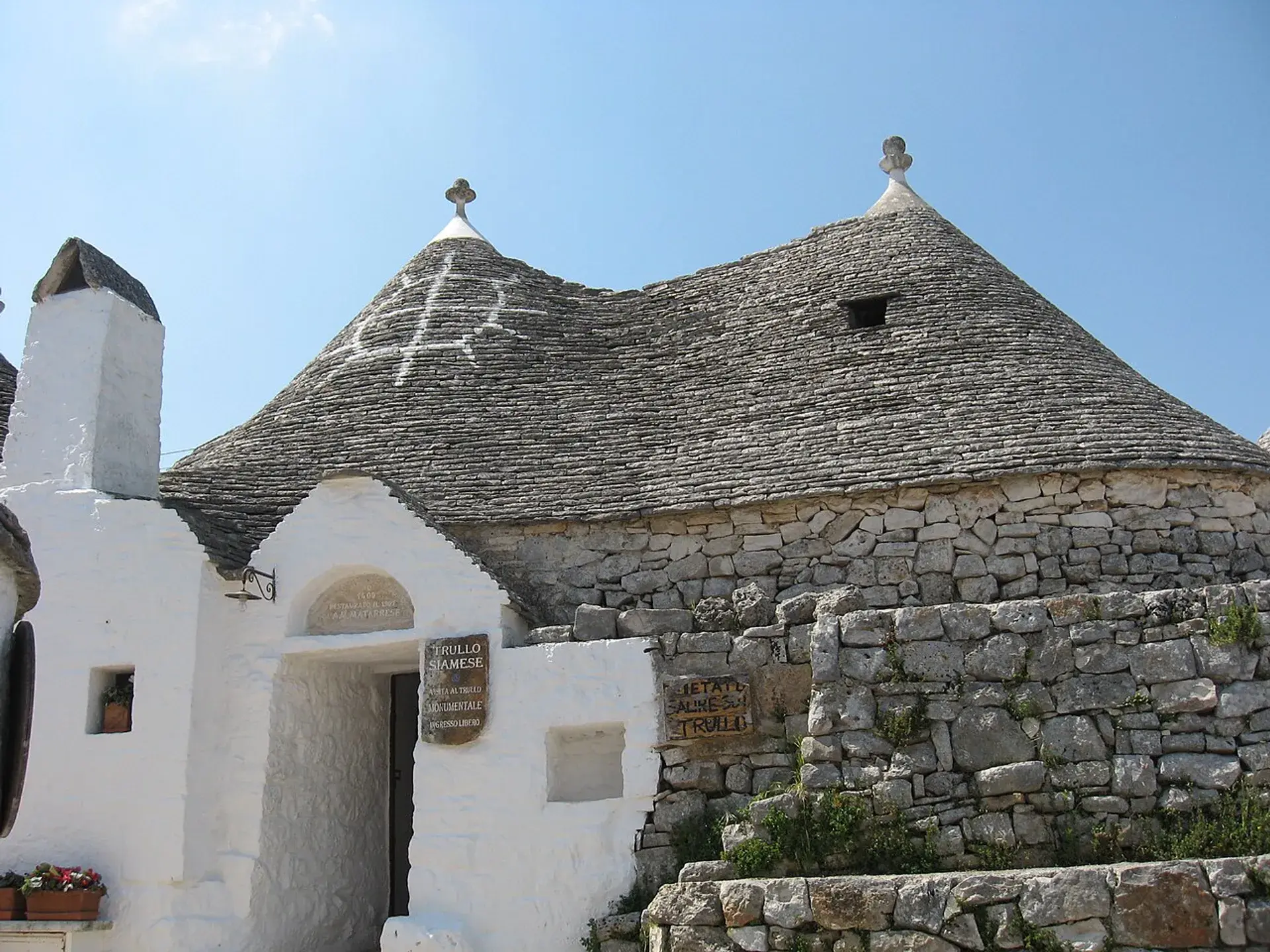
The roots of the church date back to the period following the abolition of feudal rule in 1797. In 1823, the Confraternita del Santissimo Sacramento was established under the leadership of priest Giuseppe Caramia, later obtaining royal sanction in 1826. In its initial years, the confraternity lacked a dedicated sanctuary and gathered inside Trullo Sovrano, the town's prominent two-story trullo. A religious fresco situated over the entrance of Trullo Sovrano remains as historical evidence of their early presence.
To accommodate growing devotional needs, construction of a dedicated oratory commenced in 1829. Builders raised the edifice atop vaulted basement chambers, known locally as the soccorpo. The church was formally completed and inaugurated on February 2, 1838.
Neoclassical Architecture and Interior Design
The exterior presents a whitewashed stone facade defined by balanced lines and a distinct mixtilinear window set above the main entrance. A slender bell tower was added to the architectural composition in 1866. Stepping inside from the bright stone terrace of the Belvedere reveals a quiet, shaded limestone chamber where natural light enters through the facade's upper aperture.
The interior layout features a single nave divided into three bays by sturdy stone arches. Behind the main altar, the choir floor preserves traditional paving made of limestone slabs, known regionally as chianche.
Hidden Art and Devotional Works
Between 2015 and 2016, meticulous plaster removal during restoration works uncovered a concealed wall fresco behind an altar. The rediscovered artwork portrays the scene of Golgotha, depicting the Virgin Mary, Mary Magdalene, and Saint John the Evangelist. Notably, the cross was deliberately excluded from the painted composition, having been designed to serve as a backdrop for a physical, freestanding wooden crucifix.
The church preserves an array of significant religious statuary. Among these are a wooden statue of Saint Lucia, an 1850 image of the Immaculate Conception adorned with embroidered textiles, an 1890 statue of the Virgin of Sorrows (Addolorata), and a 1913 papier-mâché representation of Saint Francis of Assisi resting within an ornamental marble aedicule.
Relic of Saint Lucia and Modern Life
Although dedicated fundamentally to the Blessed Sacrament, the building became universally known as the Chiesa di Santa Lucia following the arrival of an authenticated relic of the saint from Venice on December 9, 1904. While Saints Cosmas and Damian serve as the primary patron saints of Alberobello, local tradition holds Saint Lucia as co-patroness, a figure of profound reverence among local craftspeople and community elders.
Today, the sanctuary remains an active subsidiary rectory church. It hosts regular morning Masses on weekdays and Sundays and serves as the epicenter for annual liturgical observances honoring Saint Lucia and the Immaculate Conception.
FAQ
Why is the church commonly called Santa Lucia instead of its official name?
Although consecrated as the Chiesa del Santissimo Sacramento, the church adopted its popular name following the arrival of an official relic of Saint Lucia from Venice on December 9, 1904.
What unique feature was uncovered during the 2015–2016 church restorations?
Restorers removing layers of plaster uncovered a hidden Golgotha fresco featuring the Virgin Mary, Mary Magdalene, and Saint John. The cross was intentionally omitted from the painting so that a three-dimensional wooden crucifix could stand before it.
What historical link exists between the church and Trullo Sovrano?
Before erecting the dedicated sanctuary in 1829, the Confraternita del Santissimo Sacramento met inside Trullo Sovrano. A commemorative fresco above the entrance arch of Trullo Sovrano still documents their time there.
Discover Alberobello like never before
Dive into Alberobello hidden stories and secret spots with Ciceru interactive tours.
Explore tour
Audioguide
Quizzes
Maps
Solo
Couples
Groups & families

© Photo by Ruth Wang via Google Maps · Google Places