Il Quadrilatero: Bologna's Historic Medieval Market
Il Quadrilatero is the medieval heart of Bologna, a vital trade and commercial hub since the 13th century, situated next to the iconic Piazza Maggiore. The district’s remarkably preserved medieval layout showcases its continuous adaptation from a bustling marketplace to a revered center of Bolognese culinary and cultural life. Today, it remains a vibrant destination for locals and tourists alike, celebrated as a symbol of Italian culinary richness.
A Medieval Legacy
The Quadrilatero’s origins trace back to medieval times, with its strongest development occurring during the Middle Ages. It evolved into Bologna's central hub for trade, housing numerous artisans, shops, and taverns. The district was home to various guilds, including painters, barbers, furriers, and butchers, who established their workshops here. Many streets retain names that reflect their ancient trades, such as Via Pescherie Vecchie (old fish market) and Via Orefici (goldsmiths).
Architectural Hallmarks
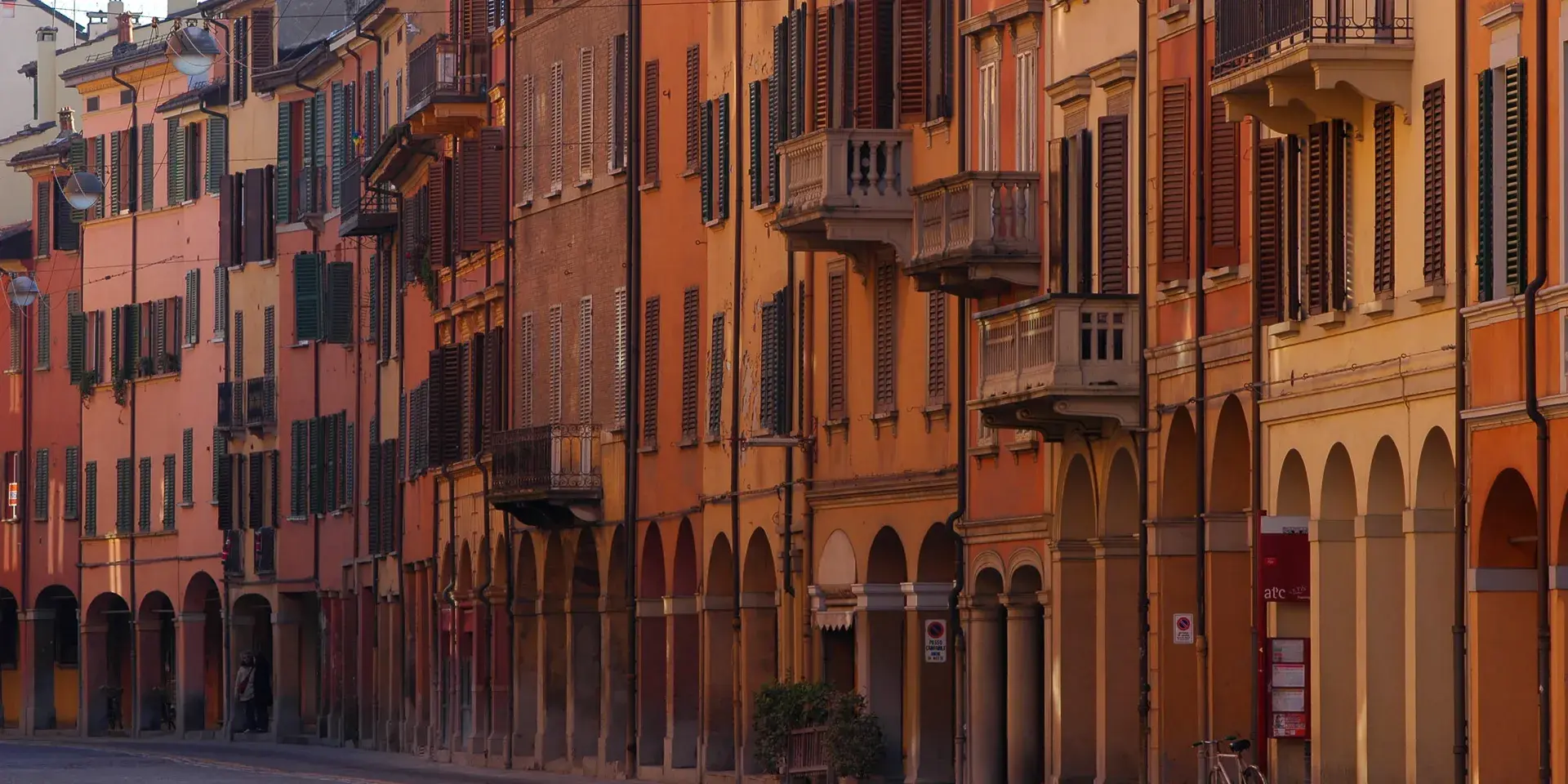
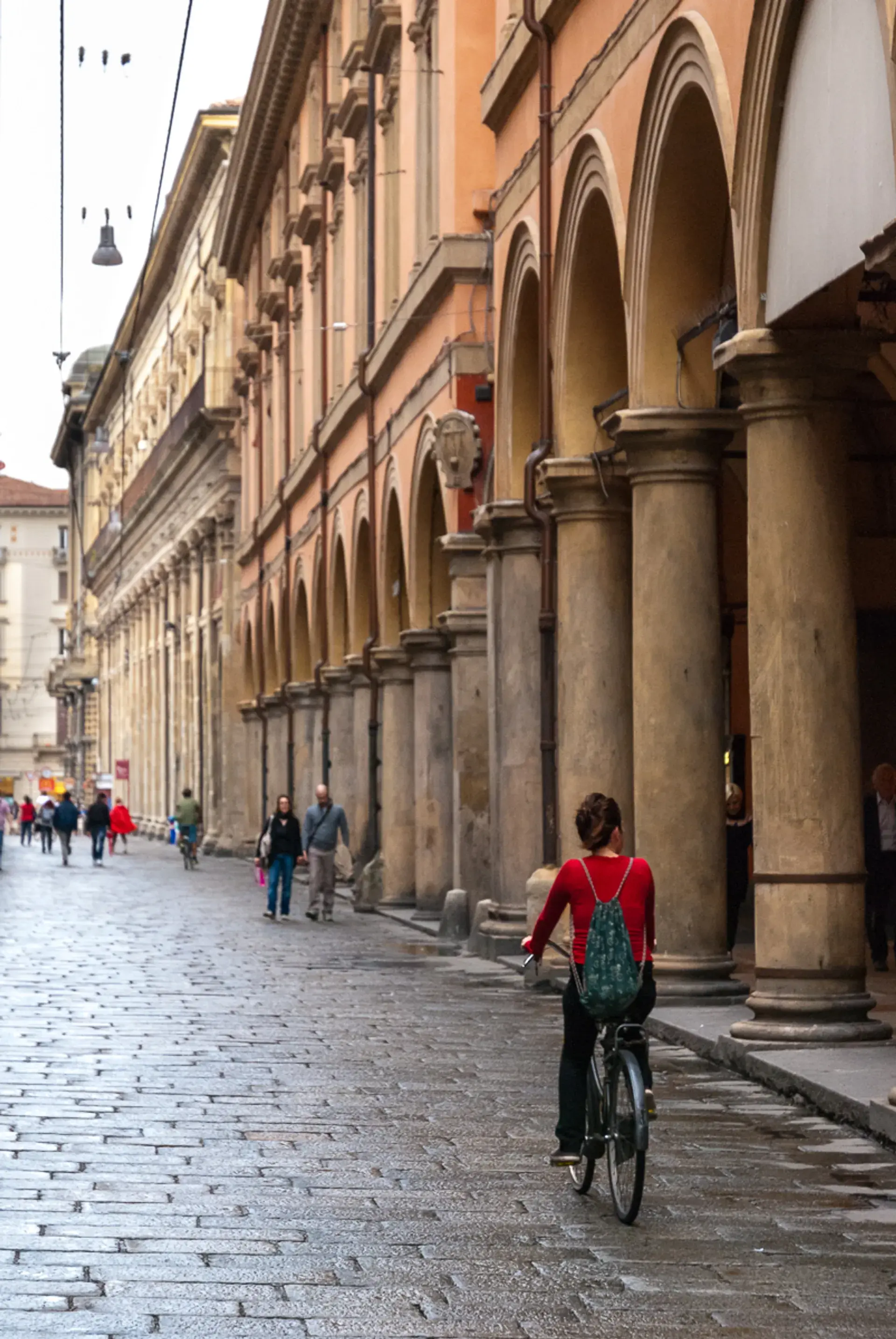
The architecture of Il Quadrilatero is largely medieval, characterized by its distinctive porticoed walkways, traditional wooden storefronts, and interiors with low ceilings and exposed wooden beams. The porticoes, a defining feature of Bologna, were mandated by a 1288 city ordinance. This law specified a minimum height of 7 feet (2.66 meters) to allow passage for a man on horseback. While the district is well-preserved, some historic streets, like St. Pelliccerie, disappeared due to road widening as part of urban planning in 1889.
Historic Establishments and Figures
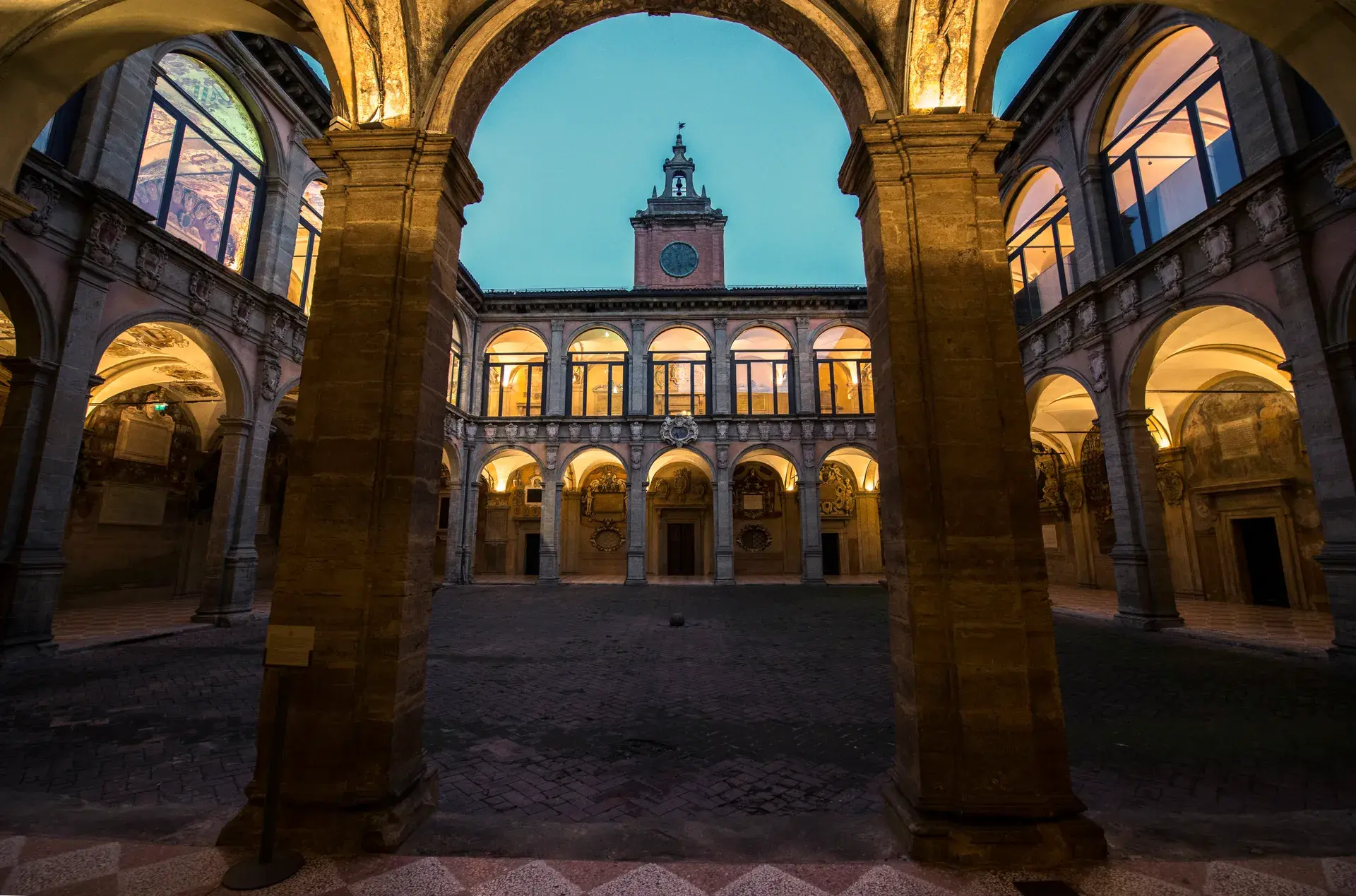
Il Quadrilatero is home to several long-standing, family-run businesses. The Osteria del Sole has been operating continuously since 1465, making it one of the world's oldest pubs. Other historic shops include Paolo Atti e Figli, which opened in 1868, and Salsamenteria Tamburini, acquired by the Tamburini family in 1932. The area also has connections to major historical figures. Palazzo Pepoli Campogrande, located within the district, hosted the coronation of Holy Roman Emperor Charles V and was a residence for Napoleon Bonaparte. The district also saw the founding of Bologna's first large hospital, S. Maria della Vita, in 1287.
The Quadrilatero Today
Today, Il Quadrilatero is a bustling hub for craft and mercantile activities, renowned for its food shopping. The narrow streets are lined with delis, fishmongers, greengrocers, bakeries, and shops selling cured meats, cheeses, and fresh pasta. Locals often gather at enotecas (wine bars) and small eateries for the 'Aperitivo' ritual, which typically begins around 6 pm. The historic Osteria del Sole maintains a unique tradition where patrons buy drinks but bring their own food from other local shops. The Mercato di Mezzo has evolved into a covered market that also houses a pizzeria, beer pub, and pasta bar.
FAQ
What is Il Quadrilatero in Bologna?
Il Quadrilatero is the historic medieval market district in the heart of Bologna, located next to Piazza Maggiore. It has served as a central hub for trade and commerce since the 13th century.
Why do the streets in Il Quadrilatero have such specific names?
Many streets in Il Quadrilatero are named after the medieval guilds and trades that were once based there, such as Via Orefici (goldsmiths), Via Drapperie (cloth merchants), and Via Pescherie Vecchie (old fish market).
What is the unique rule at Osteria del Sole?
Osteria del Sole, operating since 1465, has a unique policy where patrons purchase drinks from the establishment but are welcome to bring their own food from the surrounding market shops.
Why are the porticoes in Il Quadrilatero so tall?
A city ordinance from 1288 mandated that porticoes be built to a minimum height of 7 feet (2.66 meters). This was a practical measure to ensure that a person riding a horse could pass underneath.
Discover Bologna like never before
Dive into Bologna hidden stories and secret spots with Ciceru interactive tours.
Explore tour
Audioguide
Quizzes
Maps
Solo
Couples
Groups & families

© Photo by Lorenzo Malaguti via Google Maps · Google Places