Palazzo dell'Archiginnasio & Anatomical Theatre Guide
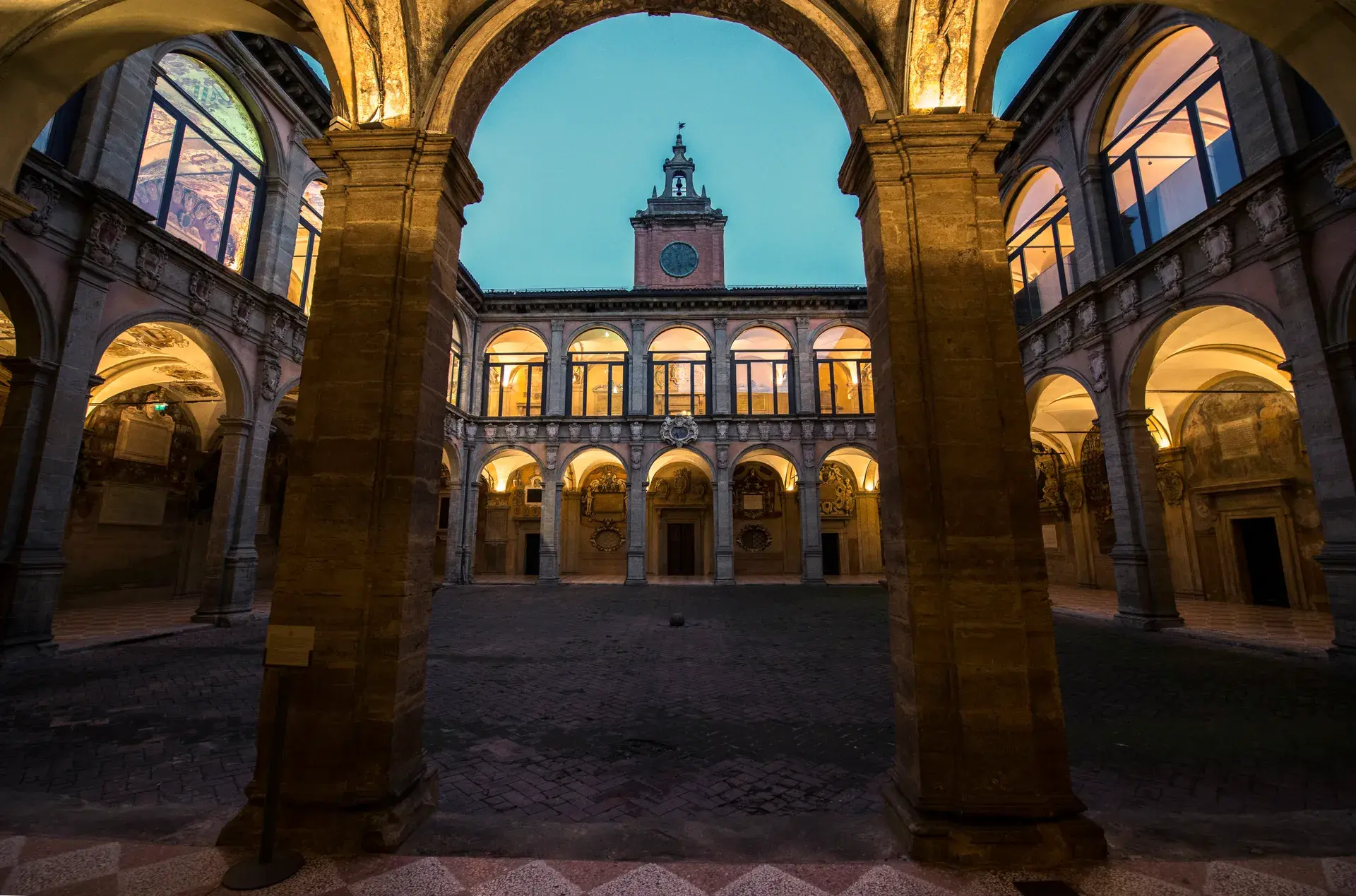
The Palazzo dell'Archiginnasio is a landmark of Renaissance architecture in Bologna, constructed between 1562 and 1563. Commissioned by Cardinal Carlo Borromeo, the building was designed by architect Antonio Morandi, known as 'Terribilia'. Remarkably, the massive structure was completed in approximately 18 months, a rapid pace reportedly intended to preempt the completion of the nearby Basilica of San Petronio.
A Historic University Seat
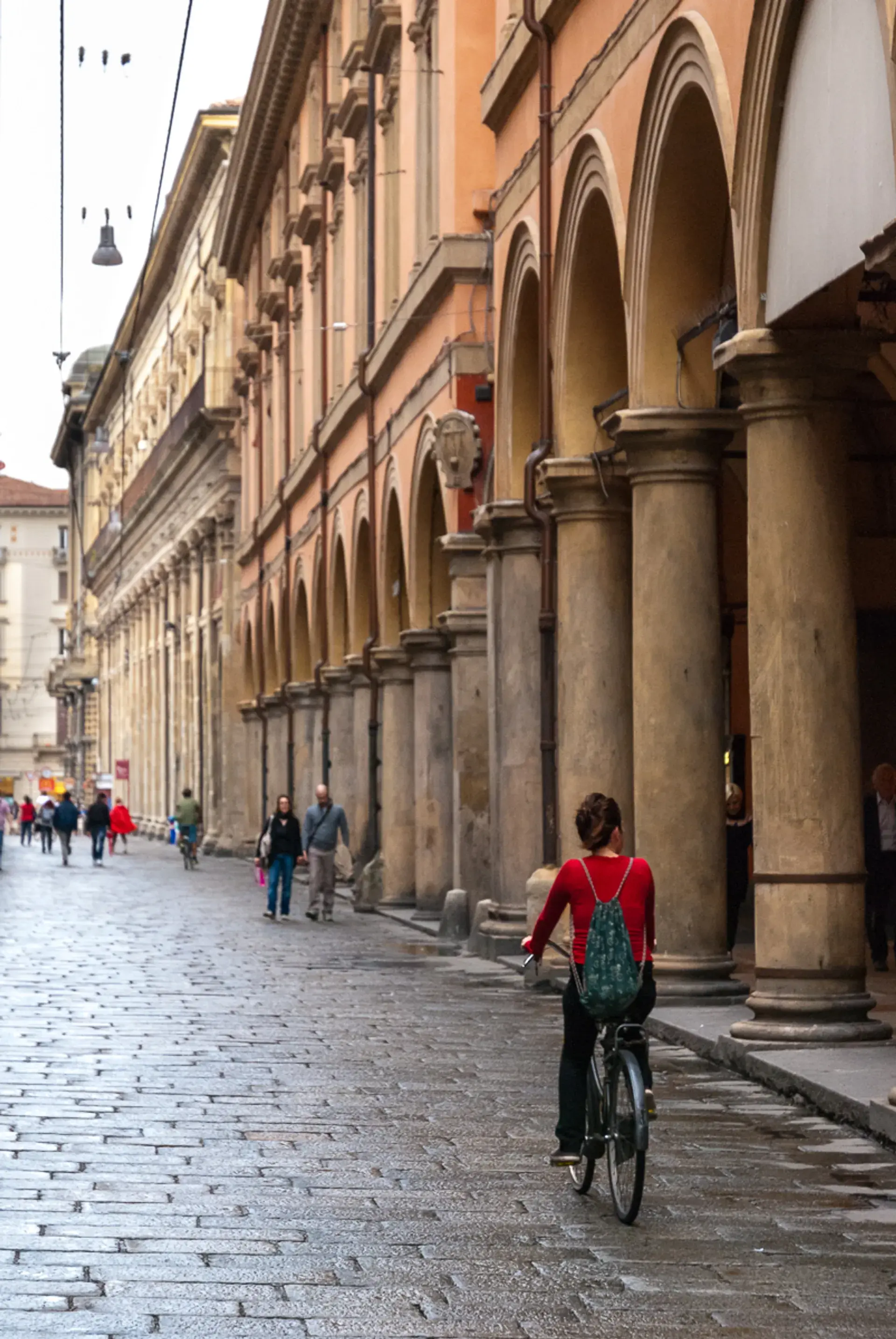
From its inauguration on October 21, 1563, until 1803, the Palazzo dell'Archiginnasio served as the unified seat for the schools of the University of Bologna. Its construction was initiated by Pope Pius IV as part of the Counter-Reformation to centralize the previously dispersed university and assert papal authority. The building's exterior features a long portico with 30 arches, known as the 'Pavaglione,' integrating it into Bologna's renowned network of covered walkways. A notable cultural event in its history was the first Italian performance of Gioachino Rossini's 'Stabat Mater' in 1842, which took place in the hall that now bears its name.
The Anatomical Theatre
A centerpiece of the palace is the Anatomical Theatre, designed by Antonio Paolucci and originally built in 1637. Paneled entirely in spruce wood chosen for its acoustic properties, this amphitheater-like space was where medical students observed professors conducting dissections. The theatre is adorned with significant wooden statues, including the 'Spellati' (skinned figures) by Ercole Lelli from 1734, which were so accurate they served as teaching aids. Other statues by Silvestro Giannotti depict famous physicians, including Gaspare Tagliacozzi, a pioneer of plastic surgery, shown holding a nose. The coffered ceiling features Apollo, the god of medicine, surrounded by constellations, reflecting the historical link between medicine and astrology.
A Living Archive and Modern Library
The palace walls, vaults, and staircases are decorated with over 6,000 coats of arms and inscriptions. This collection represents the students and masters who passed through the university, forming what is considered the world's largest heraldic archive. The building suffered severe damage during an air raid on January 29, 1944, but was meticulously rebuilt using original recovered fragments.
Since 1838, the Palazzo dell'Archiginnasio has been the home of the Archiginnasio Municipal Library. Today, it functions as a specialist research and humanities library with a focus on Bologna's history. While entrance to the palace is free, a ticket is required to visit the Anatomical Theatre and the Stabat Mater Hall. The ground floor also houses the Medical Surgical Society and the Academy of Agriculture of Bologna.
FAQ
What is the Palazzo dell'Archiginnasio used for today?
Since 1838, the Palazzo dell'Archiginnasio has housed the Archiginnasio Municipal Library, a specialist research and humanities library. The building also contains the Medical Surgical Society and the Academy of Agriculture.
What is the Anatomical Theatre?
The Anatomical Theatre, built in 1637, is a historic lecture hall paneled in spruce wood. It was used for medical education, allowing students to observe anatomical dissections, and is decorated with important wooden statues.
Why are there so many coats of arms in the Palazzo dell'Archiginnasio?
The palace features over 6,000 coats of arms on its walls and ceilings. They represent the thousands of students and masters who attended the University of Bologna when it was housed in the building, creating the world's largest heraldic archive.
Was the Palazzo dell'Archiginnasio damaged in WWII?
Yes, the building sustained severe damage from an aerial bombing on January 29, 1944. It was subsequently rebuilt with great care, using the original fragments that were recovered from the rubble.