Portici di Bologna: A UNESCO World Heritage Site
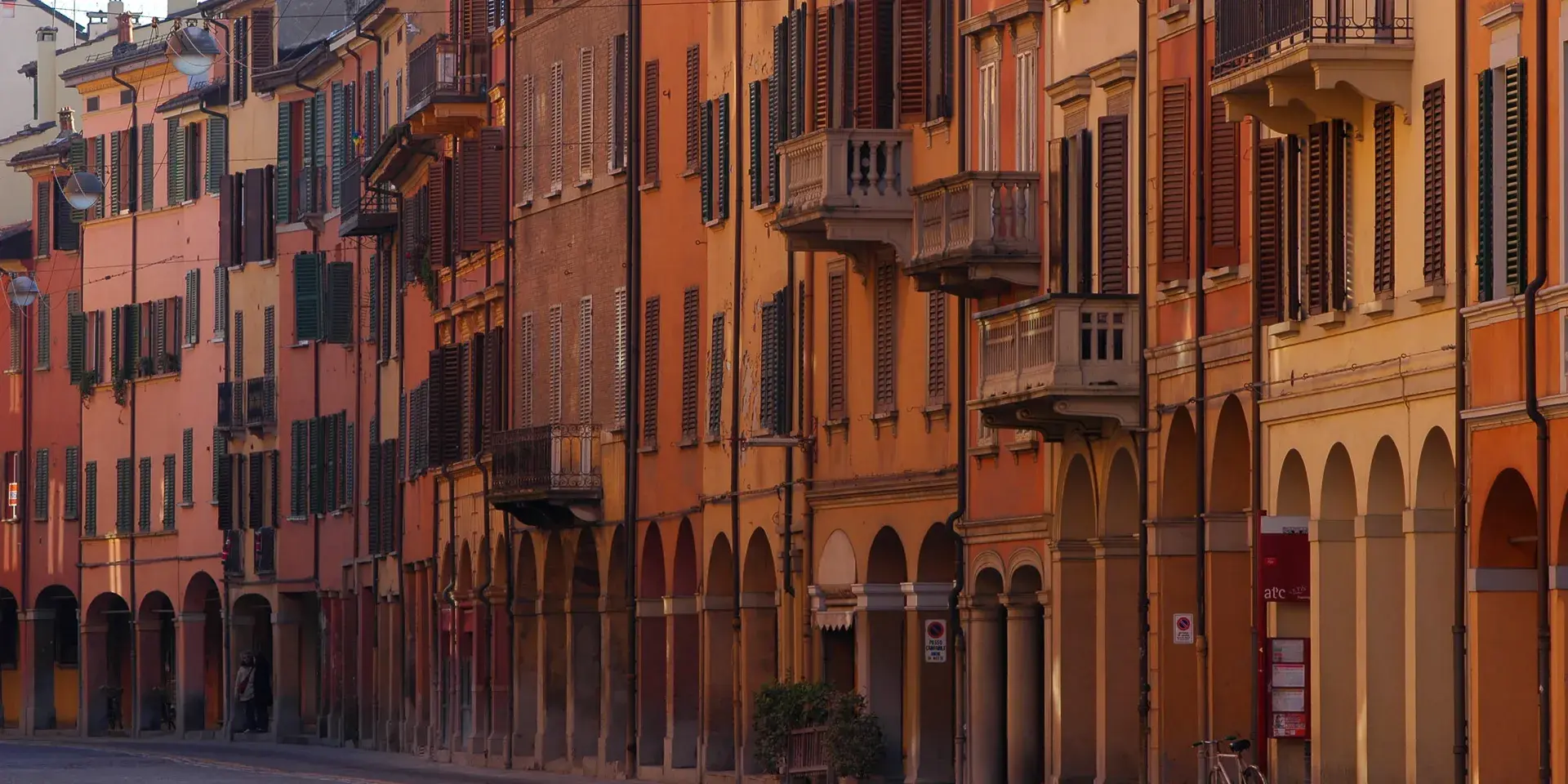
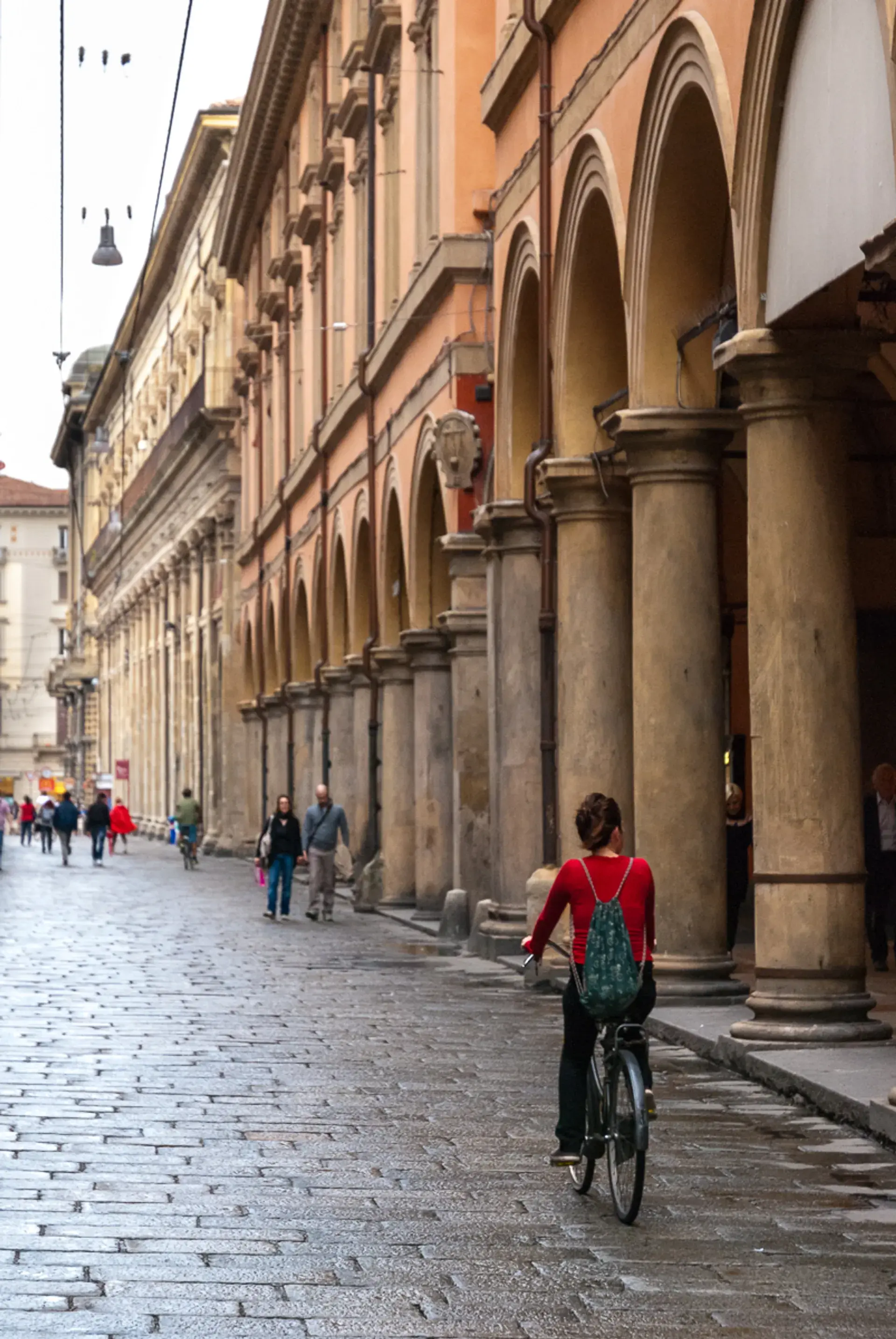
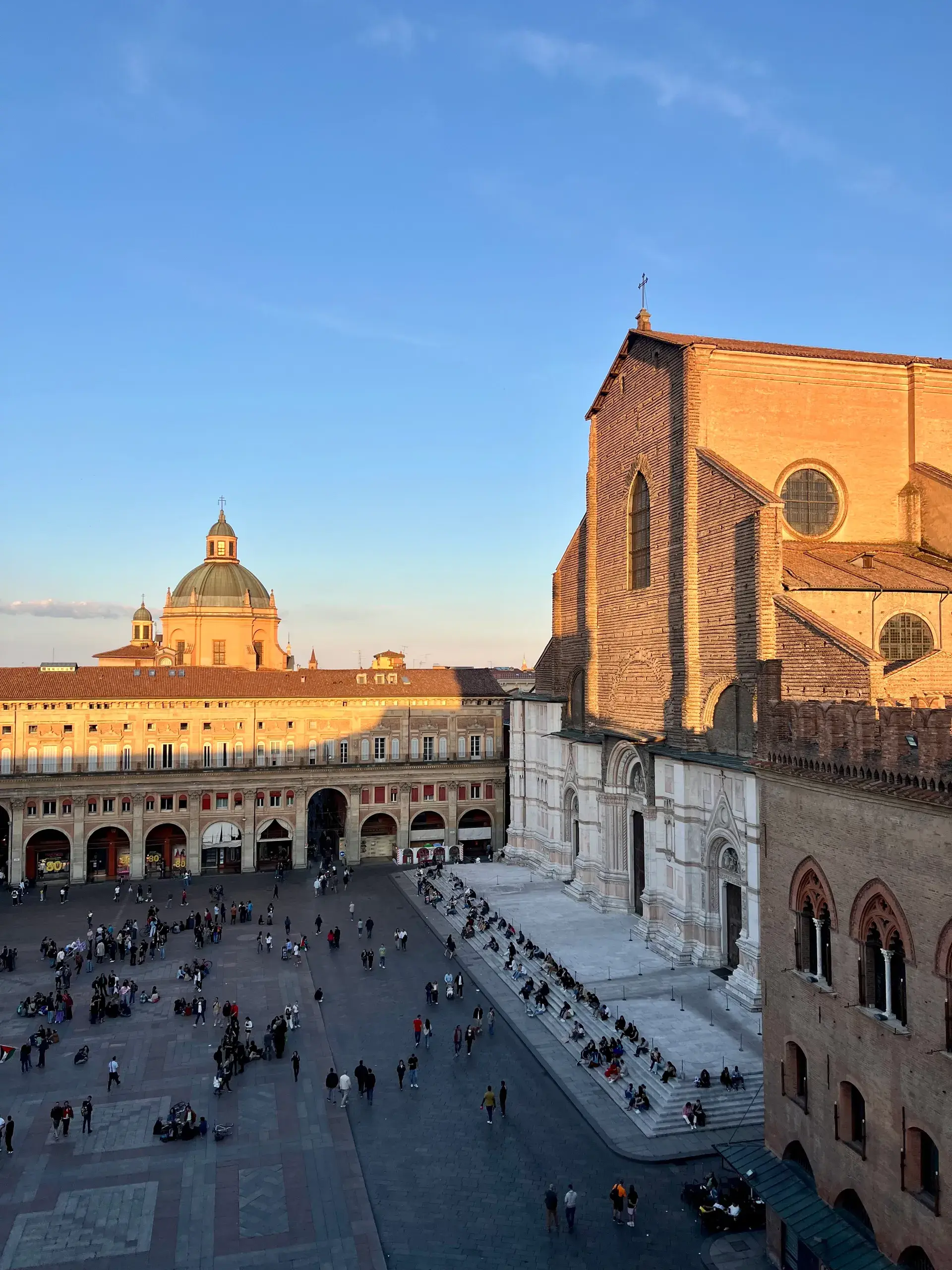
The Portici di Bologna, or Bologna's porticoes, are a defining feature of the city's urban landscape and a UNESCO World Heritage site. Stretching for a total of 62 kilometers, with nearly 40 kilometers within the historic center, this extensive network of covered walkways is more than just an architectural marvel; it is the heart of Bologna's public life, functioning as an 'open-air salon' that has shaped the city for centuries.
A History Forged by Law and Necessity
The origins of the porticoes trace back to the 11th century, spurred by the founding of the University of Bologna in 1088. The influx of students and scholars created a severe housing shortage, leading residents to expand the upper floors of their homes over the streets. These initially unsupported structures were later propped up with columns, forming the first porticoes.
Recognizing their public utility for shelter and commerce, the Municipality of Bologna issued a groundbreaking decree in 1288. This law made it mandatory for all new buildings to have a portico and for existing ones to add them. The proclamation also specified a minimum height of 2.66 meters (seven Bolognese feet), enough for a man on horseback to pass underneath. This established a unique legal precedent: the porticoes were privately built and maintained but designated for public use.
An Architectural Tapestry Through Time
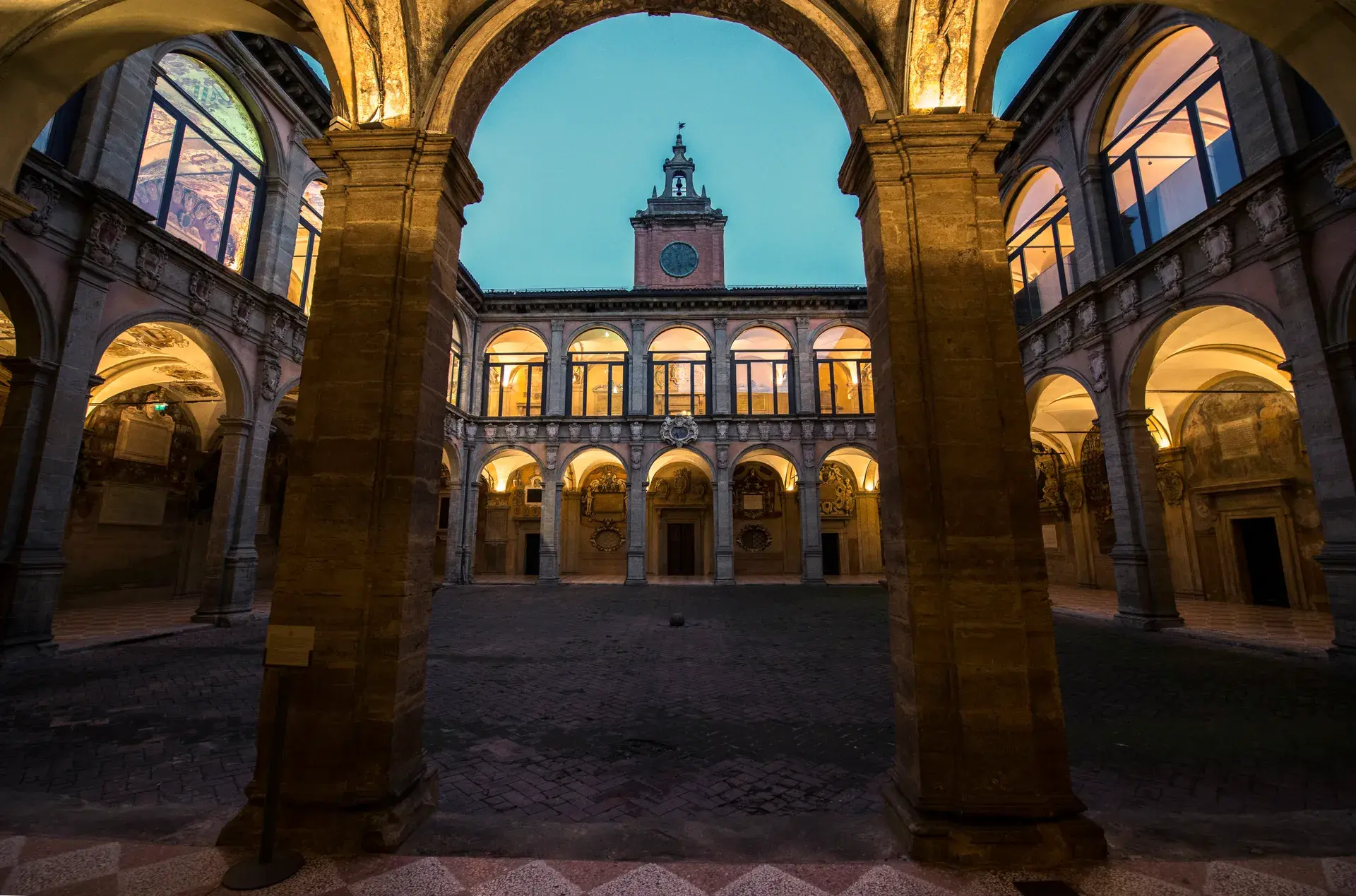
Bologna's porticoes are a living museum of architectural evolution. The styles range from medieval wooden constructions, like the one at Casa Isolani, to Romanesque-Gothic and Renaissance elements. Some porticoes feature ornate frescoes, while others showcase the grand designs of the Baroque period.
The diversity is a testament to centuries of continuous development. Notable figures contributed to their design, including Giovanni II Bentivoglio, who commissioned the grand Maraccano portico, and architect Carlo Francesco Dotti, who designed the iconic Portico di San Luca.
The Portico di San Luca: A Monumental Feat
Among the most famous sections is the Portico di San Luca, the longest in the world. Built between 1674 and 1793, this Baroque masterpiece was designed by Carlo Francesco Dotti. It features 666 arches, a number that has led to symbolic interpretations. Many see the winding portico as a serpent, representing the devil, with the Sanctuary of the Madonna di San Luca at its peak symbolizing the Virgin Mary crushing evil.
The portico was constructed to protect the annual procession where a sacred icon of the Virgin Mary is carried from the sanctuary down to the Bologna Cathedral, a tradition that continues to this day.
Hidden Secrets and Curious Features
Beyond their grand scale, the porticoes hold intriguing secrets. The Podestà portico has a unique acoustic quality where sounds are transmitted across its squared arch. It is theorized this allowed priests to hear confessions from those with infectious diseases without direct contact. Elsewhere, at Casa Seracchioli in Piazza della Mercanzia, a medieval wooden portico contains a small peephole in the floor, which allowed residents to see who was at their door from above.
The Porticoes Today: Bologna's Living Room
Today, the porticoes remain integral to daily life in Bologna. They provide essential shelter from the summer sun and winter rain, making commutes comfortable and encouraging pedestrian activity. The covered walkways are lined with shops, cafes, and restaurants, creating vibrant spaces for commerce and social gatherings. The Portico di San Luca is a popular route for walking, running, and cycling, offering both a physical challenge and a place for reflection.
FAQ
Why were the porticoes built in Bologna?
The porticoes originated in the 11th century as a practical solution to a housing shortage caused by the growth of the University of Bologna. In 1288, a municipal decree made their construction mandatory for all new buildings to provide public shelter and facilitate commerce.
How long are the Portici di Bologna?
The entire network of porticoes in Bologna spans 62 kilometers. Within the historic city center, there are approximately 38 to 40 kilometers of these covered walkways.
What is special about the Portico di San Luca?
The Portico di San Luca is the longest portico in the world. It features 666 arches, and its winding path up to the Sanctuary of the Madonna di San Luca is often interpreted as a symbol of a serpent (evil) being overcome by the Virgin Mary.
Are the porticoes of Bologna public or private property?
The porticoes have a unique status. While they are built and maintained as part of private buildings, a city ordinance from 1288 mandated that they must be accessible for public use, a principle that continues today.