Portico del Pavaglione: Bologna's UNESCO Arcade
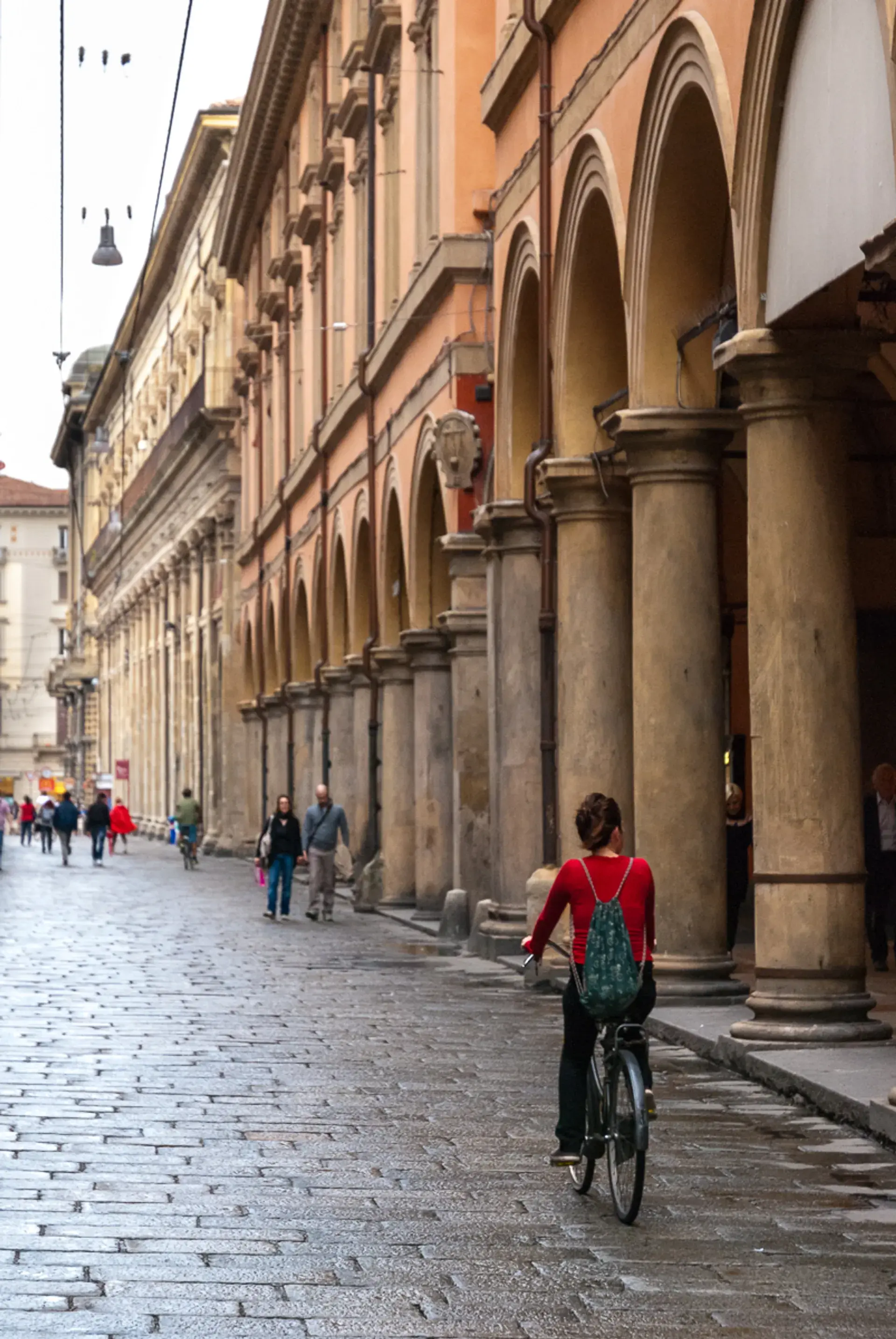
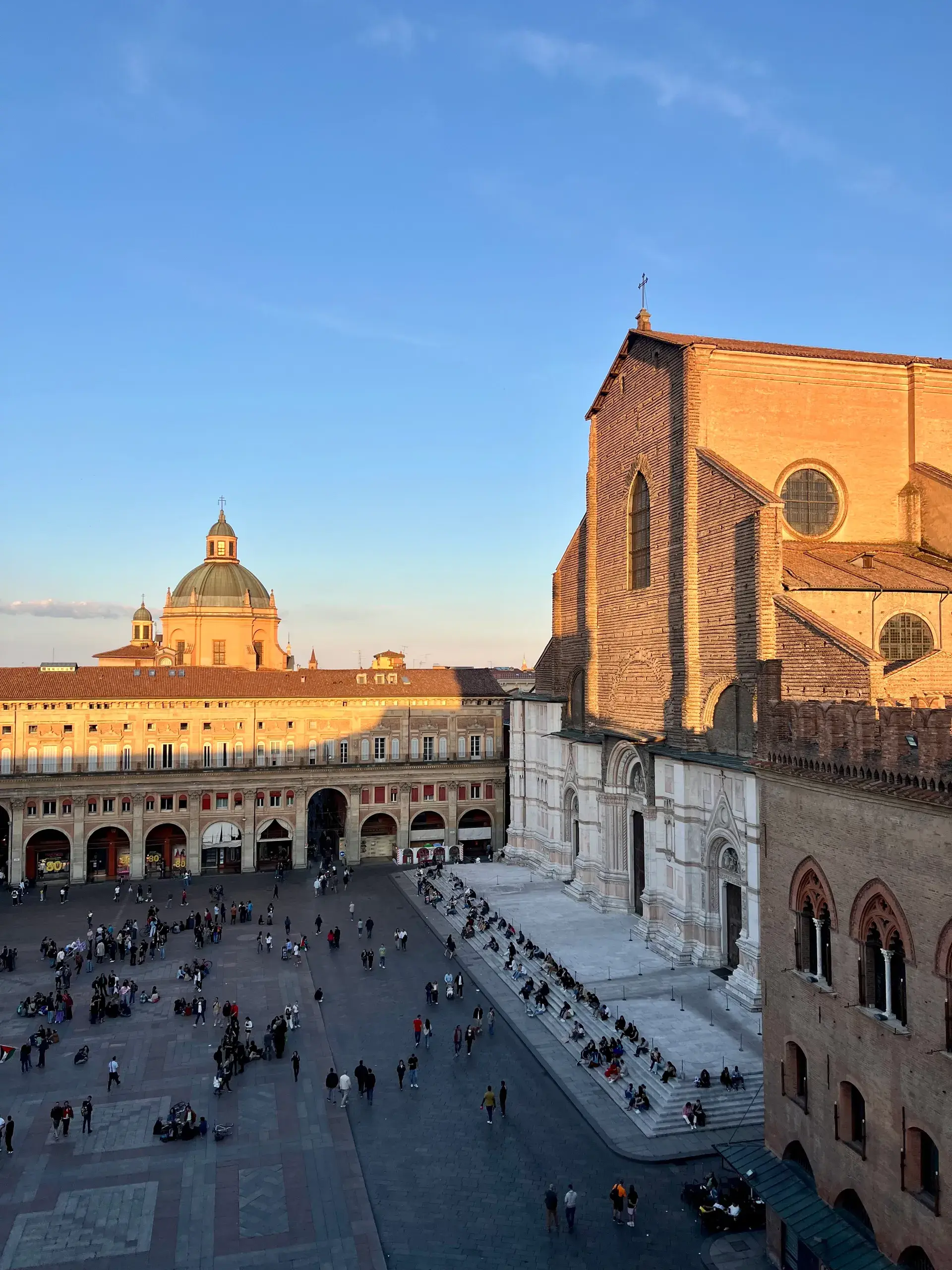
The Portico del Pavaglione is an iconic and elegant stretch of covered walkway defining Piazza Galvani, and a key feature of Bologna's UNESCO-listed portico network. Stretching for approximately 140 meters, it serves as a vital pedestrian corridor connecting Piazza Maggiore with the city's university quarter.
Architectural History
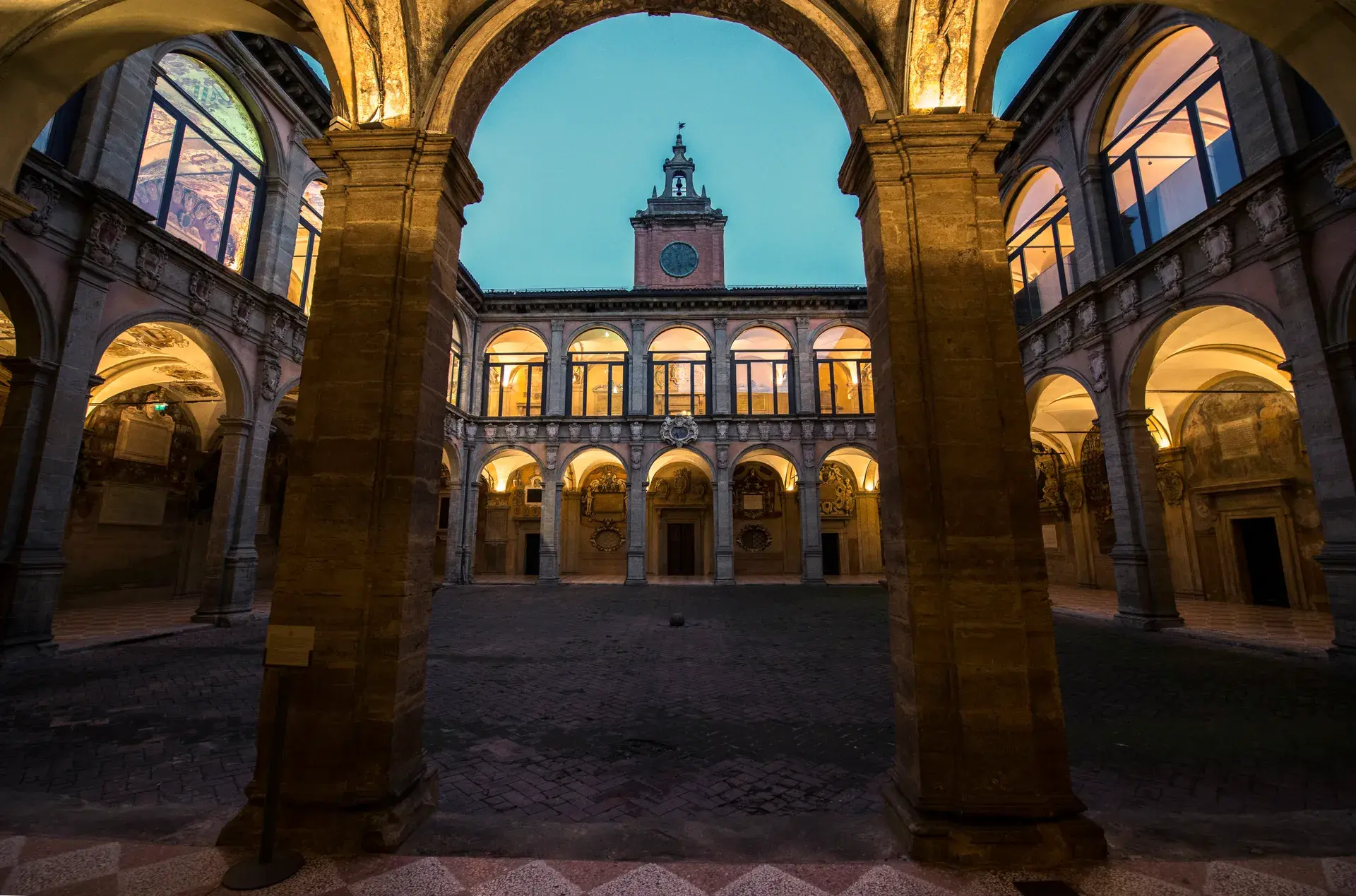
The portico's current appearance in the Bolognese classicism style was largely established in the mid-16th century. The project, initiated by Pope Pius IV, aimed to give Piazza Maggiore a more elegant and harmonious facade and provide a unified seat for the University of Bologna, the Archiginnasio. Between 1562 and 1563, architect Antonio Morandi, known as Terribilia, renovated the portico, replacing earlier terracotta supports with sandstone columns.
Following this, from 1565 to 1568, the grand facade of the Palazzo dei Banchi was constructed above the portico. Designed by Jacopo Barozzi, known as Vignola, this facade was built specifically to conceal the chaotic market streets behind it, presenting a more refined face to the main square.
From Silk Market to Shopping Hub
The name 'Pavaglione' comes from 'pavilion,' a reference to the silk cocoon market that operated here from the 16th century. Bologna was a major center for silk production, trading its goods across Europe. Initially, the arcade also housed booksellers and miniaturists. By the 19th century, it had transformed into an elegant shopping district with haute-couture boutiques that attracted high society.
The Portico Today
Today, the Portico del Pavaglione remains a vibrant meeting place and a popular spot for strolling and window shopping. It is lined with independent bookshops, such as the historic Libreria Nanni, as well as boutiques and cafés. The arcade provides access to significant city buildings, including the Archaeological Museum and the Palazzo dell'Archiginnasio, which was the former university and is now a public library.
A Prehistoric Pavement
A unique feature of the Portico del Pavaglione lies underfoot. The floor is paved with Verona red stone. A closer look at the slabs reveals numerous fossil shells and large circular ammonites, remnants of marine life from hundreds of millions of years ago embedded in the stone.
A UNESCO World Heritage Site
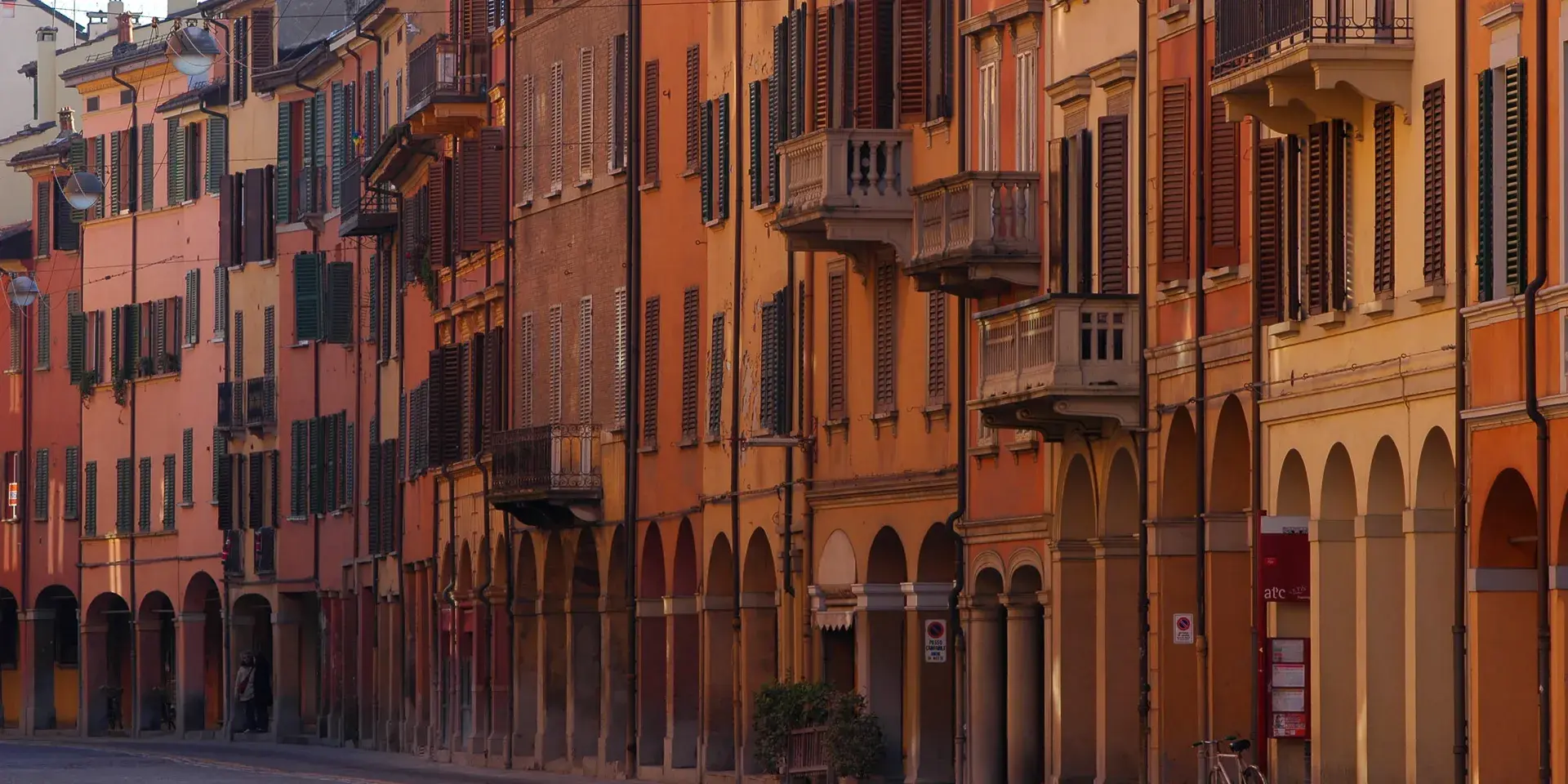
In 2021, the Portico del Pavaglione, as part of Bologna's extensive network of porticoes, was inscribed as a UNESCO World Heritage Site. This network, spanning over 62 kilometers, is recognized for its cultural and historical significance. The porticoes originated in the Middle Ages, evolving from private constructions to a required urban feature that shaped the city's social and commercial life.
FAQ
Why is it called the Portico del Pavaglione?
Its name derives from the Italian word 'pavilion' (pavaglione), referring to the silk cocoon market that was held under its arches from the 16th century onward.
Is the Portico del Pavaglione a UNESCO site?
Yes, it is part of Bologna's extensive network of porticoes, which were collectively designated a UNESCO World Heritage Site in 2021.
What is the floor of the Portico del Pavaglione made of?
The floor is made of Verona red stone, which contains visible fossils of shells and large ammonites that are hundreds of millions of years old.
How long is the Portico del Pavaglione?
The Portico del Pavaglione stretches for approximately 139 to 140 meters, making it one of Bologna's notable continuous covered walkways.